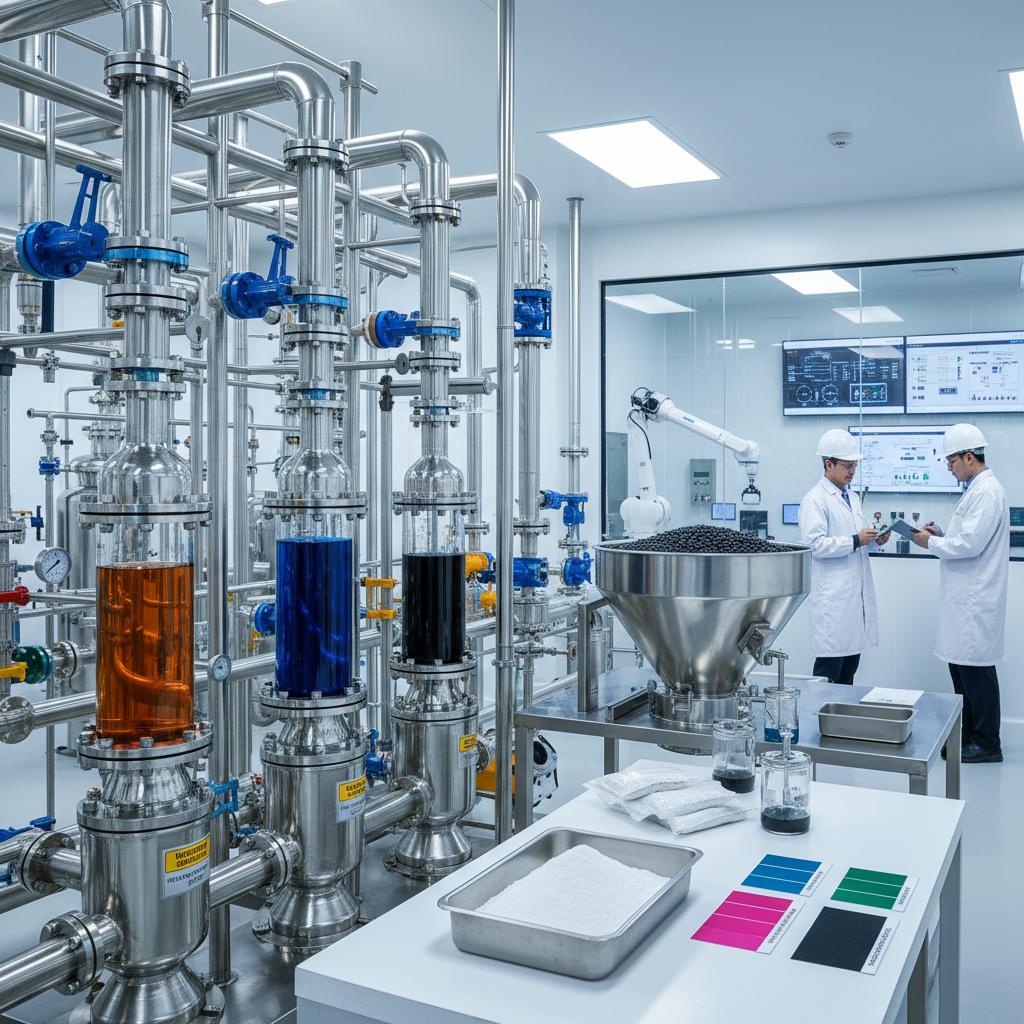
High quality dye production refers to the advanced chemical synthesis and manufacturing processes used to create coloring agents that exhibit exceptional purity, stability, and colorfastness. In the textile and denim industries, this involves precise control over chemical compositions to ensure that dyes like Sulphur Black or Indigo penetrate fibers deeply and remain vibrant over time.
For manufacturers and textile designers, the challenge lies in balancing intense color saturation with environmental regulations and fabric integrity. Poor dye quality leads to uneven shading, premature fading, and potential skin irritation, which significantly reduces the market value of finished garments in a highly competitive global fashion landscape.
This article examines the technical standards of professional dye production, exploring the specific characteristics of high-performance dyes, procurement criteria for industrial buyers, and how advanced manufacturing processes improve the longevity and aesthetic appeal of denim and cotton fabrics.

1Fundamentals of High-Performance Dyeing

Professional dye production is an intricate process involving the reaction of organic compounds to create specific light-absorbing molecules. For a product to be considered high quality, it must undergo rigorous purification to remove insoluble matters and impurities that could cause spots or streaks on the fabric. This process is essential for achieving a uniform appearance across large batches of textile production.
The chemistry of dyeing depends heavily on the affinity between the dye molecule and the fiber. In high quality dye production, the molecular weight and charge of the dye are optimized to ensure maximum exhaustion—meaning more dye moves from the water onto the fabric—reducing waste and environmental impact.
WUXIN GROUP leverages over 30 years of expertise since 1989 to refine these processes, specifically focusing on denim dyes such as Indigo and Sulphur Black to meet the exacting standards of international markets including Germany, Mexico, and Turkey.
2Core Characteristics of Premium Dyes
A premium dye is defined by its "Strength," which indicates the concentration of the coloring agent. For instance, Sulphur Black is often produced in various strengths (such as 180%, 200%, or 240%) to allow manufacturers to adjust the depth of the black shade precisely. Higher strength products offer better cost-efficiency by requiring less material per kilogram of fabric.
Another critical factor is the "Shade" consistency. Professional production allows for customized shades, such as greenish or reddish blacks, ensuring that denim brands can maintain a signature look across different production seasons without visible variation.
Furthermore, high-quality dyes provide superior coverage and penetration. This ensures that every thread in a heavy denim weave is fully saturated, preventing the "white core" effect and ensuring that the deep, rich color remains even after heavy wear and multiple washes.
3Industrial Application and Fabric Compatibility
The application of dyes varies significantly depending on the fiber type. High-quality sulphur dyes are primarily designed for cotton and cotton-blended fabrics, though they also exhibit excellent results on hemp and viscose fibers. The goal is to create a chemical bond that resists leaching during the laundering process.
In denim production, the interaction between the dye and the fabric determines the "aging" process. A high-quality dye allows for a controlled fade, which is highly desired in the premium denim market, where the contrast between the indigo or black surface and the white core of the yarn creates a vintage look.
Operational requirements include precise temperature control and pH monitoring in the dye vat. Using low-grade dyes often requires excessive chemical additives to force the color into the fiber, which can weaken the textile's structural integrity and lead to premature fabric tearing.
4Quantifying Production Quality Metrics
To evaluate the success of high quality dye production, manufacturers rely on standardized performance metrics. Color depth is measured using spectrophotometers to ensure the Delta E (color difference) remains within a very tight tolerance, ensuring batch-to-batch consistency.
Wash fastness is another pivotal metric. This is tested by subjecting dyed fabrics to repeated wash cycles and measuring the amount of color loss. Premium dyes are engineered to maintain their hue through rigorous mechanical and chemical stress, reducing the "bleeding" effect on other garments.
high quality dye production Performance Metrics
As shown in the comparison, professional production significantly boosts penetration and consistency. This reduction in variability means fewer rejected fabric rolls for the textile mill, directly increasing the overall yield and profitability of the manufacturing cycle.
5Procurement and Quality Control Standards
When procuring dyes, industrial buyers must look beyond the price per kilogram and evaluate the total cost of application. This includes the amount of dye needed to reach the target shade and the cost of the chemicals required for fixing the dye to the fabric.
Storage conditions are equally critical for maintaining quality. Dyes must be stored in dry, well-ventilated areas, away from direct sunlight and dampness. Improper storage can lead to the oxidation of the dye molecules, resulting in a loss of strength and altered color shades.
Reliable suppliers like WUXIN GROUP implement a complete quality control system with independent laboratories. This ensures that the product delivered to the customer matches the sample provided, eliminating the risk of production shutdowns due to incompatible dye batches.
6Innovation Trends in Synthetic Colorants
The industry is moving toward "smarter" dye production that reduces water consumption and hazardous waste. New formulation techniques aim to increase the solubility of the dye, which allows for lower temperature dyeing processes and significantly reduces the energy footprint of textile mills.
Another trend is the development of eco-compliant dyes that eliminate harmful substances. High-quality production now involves stripping out banned aromatic amines and heavy metals to ensure that garments meet strict international safety standards for consumer wear.
Future developments are focusing on hybrid dyes that combine the depth of sulphur dyes with the ease of application of reactive dyes, aiming to shorten the production cycle while maintaining the intense black or blue aesthetics required by the denim market.
7Comparing Dye Grades for Textile Selection
Choosing the right dye grade depends on the intended use of the garment. For high-end fashion denim, a dye with a specific "reddish" or "greenish" undertone may be required to match a specific brand identity, whereas for basic workwear, maximum strength and wash fastness are the priorities.
The following table compares the typical trade-offs between industrial-grade dyes and professional high-quality dye production standards to assist procurement teams in their decision-making process.
| Metric | Industrial Grade | Premium Grade | Impact on Product |
|---|---|---|---|
| Purity | Moderate | High (Low Insolubles) | Prevents spotting/streaks |
| Color Consistency | Batch Variance | Tight Tolerance | Uniform garment color |
| Wash Fastness | Standard | Enhanced | Longer color life |
| Fabric Penetration | Surface-heavy | Deep Saturation | Better wear-and-tear look |
| Application Cost | Lower initial price | Higher efficiency | Lower waste/chemicals |
| Eco-Compliance | Basic | Strict Adherence | Market access to EU/USA |
While premium dyes may have a higher upfront cost, the reduction in fabric rejects and the increase in final product value make them the more economical choice for brands targeting the mid-to-high-end textile market.
Frequently Asked Questions
Conclusion
Achieving excellence in high quality dye production requires a rigorous commitment to chemical purity, shade consistency, and technical innovation. By focusing on critical metrics like low insoluble matter and high color strength, manufacturers can ensure that their textiles exhibit the deep, lasting colors that define premium denim and cotton apparel.
For textile producers seeking reliable colorants that meet international quality standards, reviewing detailed product specifications is the first step toward optimizing production. Professional solutions and technical data can be found at www.wuxin-group.com.