Securing a reliable source of china blue dye is a critical strategic decision for textile manufacturers specializing in denim and high-saturation fabrics. The global shift toward high-performance indigo and sulphur-based coloring agents has placed a spotlight on the technical consistency and supply chain stability of Chinese manufacturing hubs.
For procurement officers and dye-house managers, the challenge lies not just in finding a pigment, but in ensuring that the shade remains consistent across thousands of meters of fabric. The interplay between Indigo Blue, Bromo Indigo, and Sulphur Black defines the aesthetic and durability of modern denim, requiring a deep understanding of chemical purity and application methodology.
This analysis explores the technical landscape of high-quality dyes, evaluating how specific formulations impact color longevity and fabric feel, while providing a framework for assessing the capabilities of professional dye manufacturers in the current market.

The Technical Evolution of Indigo and Blue Dye Systems

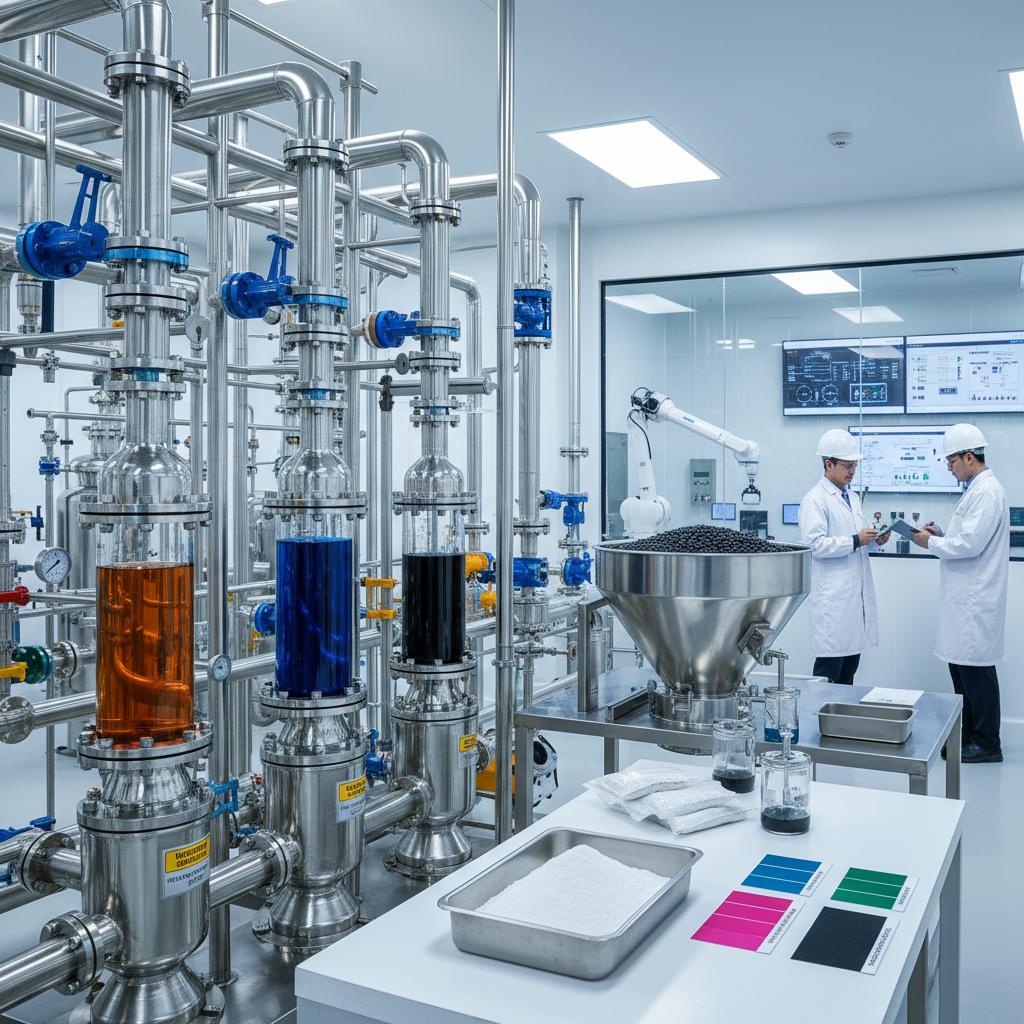
The production of blue dyes, particularly the transition from traditional indigo to advanced Indigo Blue and Bromo Indigo, represents a significant leap in chemical engineering. In the context of the Chinese dye industry, the focus has shifted from sheer volume to the refinement of granule size and the reduction of insoluble matters to improve vat solubility.
Historically, the volatility of dye strength often led to "streakiness" in denim. Modern manufacturing now utilizes independent laboratories and rigorous quality control systems to ensure that pigments meet precise strength percentages, which is essential for maintaining a consistent shade across different production batches.
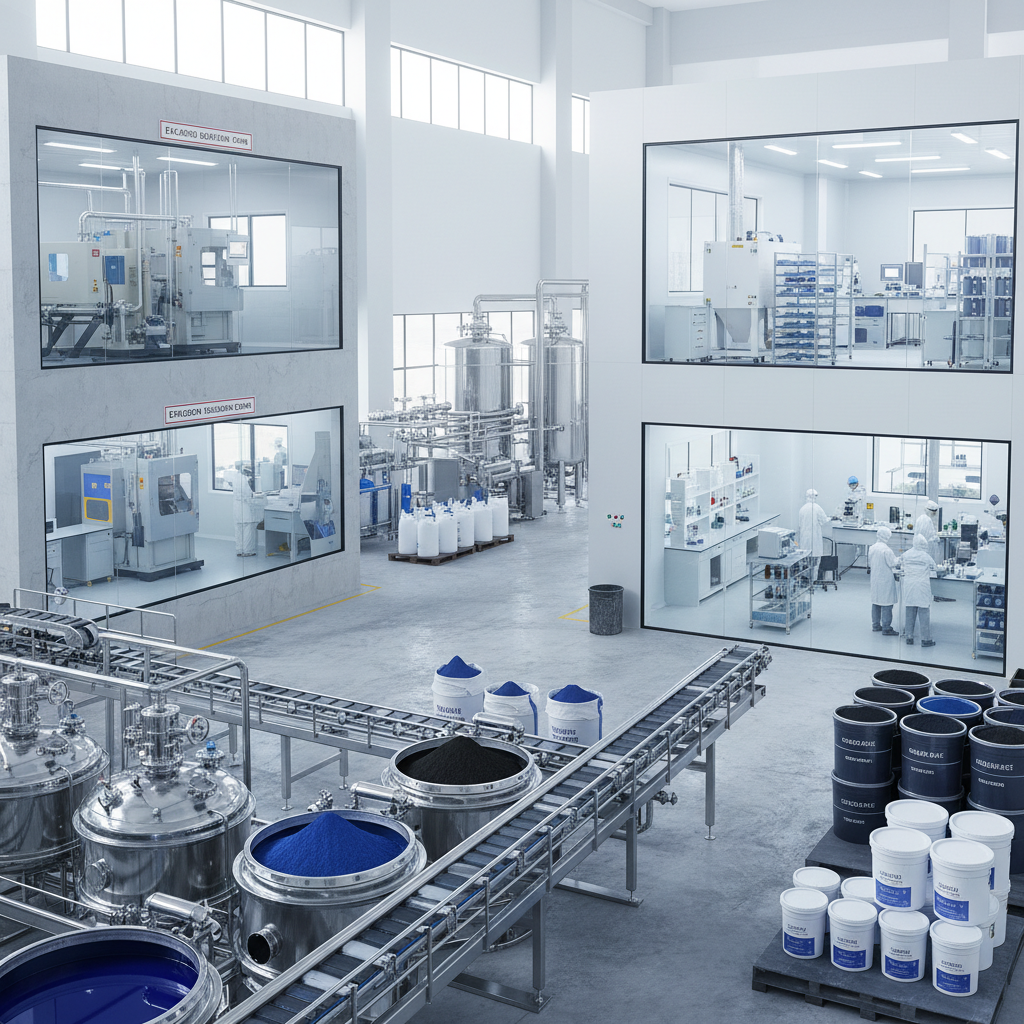
The integration of new production lines, such as those seen in Inner Mongolia's large-scale facilities, allows for a more stable supply of indigo granules and powder. This scaling ensures that the industry can meet the high-volume demands of global markets while maintaining the technical precision required for premium garment manufacturing.
Core Performance Indicators for High-Saturation Dyes
When evaluating the quality of a blue or black dye, the "Strength %" is the most critical metric. For products like Sulphur Black, strengths ranging from 180% to 240% determine how much dye is needed to achieve a deep, rich black, directly impacting the cost-efficiency of the dyeing process.
Beyond strength, the "Shade" (Greenish or Reddish) allows designers to customize the tonal depth of the textile. A greenish shade may provide a cooler, more modern look, while a reddish shade offers a classic warmth. This customization is achieved through precise chemical balancing during the synthesis process.
Furthermore, the moisture content (typically ≤6%) and the percentage of insoluble matters (≤0.3%) are vital for preventing clogging in automated dyeing machinery and ensuring an even distribution of color across the fabric surface.
Application Scenarios in Modern Denim and Textile Production
The primary application of these high-grade dyes is in the treatment of cotton and cotton-blended fabrics. In denim production, the use of Indigo Blue creates the iconic blue hue, while Bromo Indigo is often utilized for specific saturation requirements and varying depths of color.
Sulphur Black is specifically designed for garments that require an intense, lasting black color. Because of its excellent coverage and penetration, it is the gold standard for high-end black denim and heavyweight cotton twills, ensuring every thread is fully saturated.
These dyes also extend to hemp and viscose fibers, where the challenge is often lower affinity for the pigment. By optimizing the chemical formulation, manufacturers can ensure that these diverse fibers achieve the same depth of color as traditional cotton, expanding the versatility of the textile line.
Analyzing Dye Strength and Color Consistency Metrics
Quantitative analysis of dye performance typically focuses on the correlation between dye strength and the resulting color depth. Higher strength percentages generally allow for lower additive volumes while achieving the same visual saturation, reducing the overall chemical footprint per garment.
The following data represents a comparative look at how specialized formulations outperform standard industry benchmarks in terms of penetration, wash-fastness, and shade stability.
china blue dye Performance Metrics
As illustrated, the use of refined granules leads to significantly higher consistency in shade stability. This is largely due to the reduction of insoluble matters, which prevents the formation of "dye spots" and ensures a smooth, uniform finish across the fabric.
Procurement Strategies for Industrial Dye Sourcing
Sourcing dyes on an industrial scale requires a shift from focusing on "price per kilogram" to "cost per deep-shade." A dye with 240% strength may have a higher unit price but requires less volume to achieve the target color, potentially lowering the total cost of production.
Buyers should evaluate the manufacturer's capacity and stability. For example, companies with integrated production lines and dedicated laboratories can offer more consistent batch-to-batch results, which is vital for brands with strict quality standards across global supply chains.
Storage conditions also play a role in ROI. High-quality dyes must be stored in dry, well-ventilated areas, avoiding sunlight and dampness to maintain their two-year validity. Proper logistics and packaging, such as 20kg cartons or 25kg pp woven bags, ensure the product arrives without contamination.
Sustainability Trends in the Synthetic Dye Industry
The synthetic dye industry is moving toward formulations that minimize harmful substances. Compliance with international regulations regarding hazardous chemicals is no longer optional; it is a prerequisite for entering European and North American markets.
Innovation is currently focused on improving the efficiency of the dyeing process to reduce water consumption. High-penetration dyes, such as the refined Sulphur Black, allow for shorter dyeing cycles and fewer rinse stages, which significantly reduces the volume of wastewater produced per ton of fabric.
Future developments may see a greater integration of bio-based intermediaries in the production of indigo and blue pigments. While synthetic dyes currently offer superior depth and longevity, the industry is likely to adopt hybrid models to balance environmental impact with commercial performance.
Comparative Analysis of Blue and Black Dye Variants
Choosing the right dye requires a precise understanding of the intended end-use. While Indigo Blue is the staple for denim, Sulphur Black provides the necessary intensity for "true black" garments. The decision depends on the desired wash-down effect and the target market's aesthetic preference.
The following table compares the primary dye categories based on technical specifications and application suitability to assist in selection.
| Dye Category | Primary Use Case | Key Strength Range | Saturation Level |
|---|---|---|---|
| Indigo Blue | Standard Denim/Jeans | 180% - 220% | High/Classic Blue |
| Bromo Indigo | Deep Indigo Saturation | 200% - 240% | Very High/Intense |
| Sulphur Black | Black Denim/Workwear | 180% - 240% | Maximum/Deep Black |
| Pigment Blue | Surface Coating/Printing | Variable | Moderate/Opaque |
| Pigment Green | Specialty Textiles | Variable | Moderate/Vibrant |
| Custom Blends | Bespoke Brand Shades | Customized | Tailored Saturation |
Ultimately, the selection of a dye should be based on a sample test within the buyer's specific dyeing environment, as water hardness and temperature can influence the final result. Professionals can review more detailed technical specifications through www.wuxin-group.com.
Frequently Asked Questions
Conclusion
The selection of a china blue dye provider is more than a simple procurement task; it is an investment in the visual identity and quality of the final garment. By prioritizing strength, shade consistency, and chemical purity, manufacturers can ensure their textiles stand out in a competitive global market.
As the industry evolves toward greater sustainability and technical precision, partnering with a manufacturer that possesses integrated production capacities and a commitment to quality control is essential. Those seeking a balance of competitive pricing and high-grade technical specifications can find further information at www.wuxin-group.com.