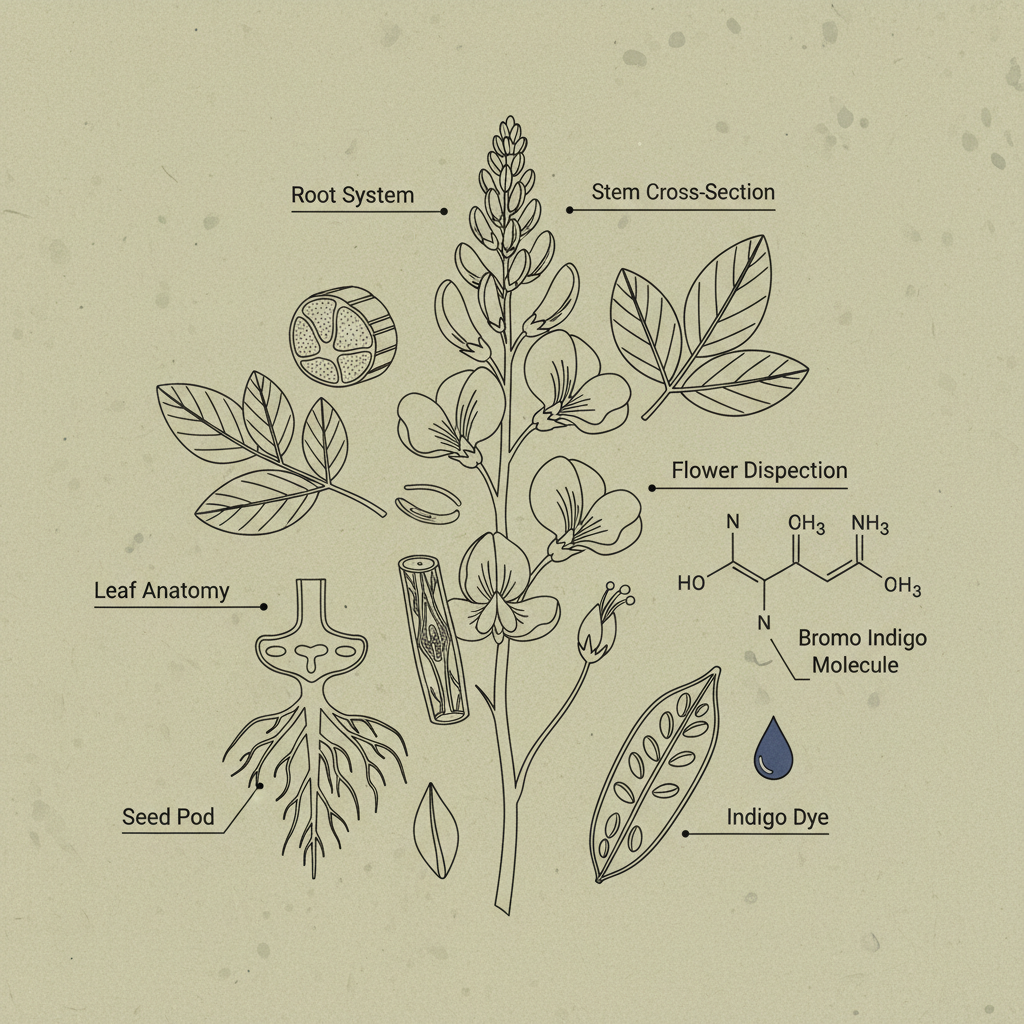
Securing reliable indigo suppliers is a critical operational requirement for denim manufacturers and textile houses worldwide. In the specialized sector of dye and organic pigment manufacturing, the consistency of indigo blue determines the final aesthetic and commercial value of the denim fabric, making the choice of a raw material partner a strategic decision rather than a simple procurement task.
Procurement managers often face challenges regarding color strength consistency, moisture control, and the environmental impact of the dyeing process. Selecting a partner that balances high-strength powder with sustainable production methods is essential to meet the growing global demand for eco-friendly fashion and long-lasting color retention.
This guide provides a detailed framework for evaluating indigo suppliers, analyzing key technical specifications like strength and moisture, and understanding how innovative bromo indigo solutions are reshaping the denim industry's approach to sustainability and vibrancy.

Essential Specifications for Indigo Procurement

When auditing indigo suppliers, the technical data sheet is the primary tool for quality assurance. Professional grade indigo is typically supplied as a dark blue powder, where the "Strength" (often categorized as Crude, 100, or 110) indicates the concentration of the active dye. Higher strength values allow for more precise shade control and reduced waste during the vat dyeing process.
Moisture content is another critical parameter, typically required to be between ≤2-5%. Excessive moisture not only affects the weight and pricing of the raw material but can also lead to clumping and uneven dispersion in the dye bath, which directly results in streaks or "spotting" on the cotton yarn used for denim production.
The Role of Bromo Indigo in Modern Denim
Bromo indigo represents a significant advancement in dye chemistry, designed to revolutionize traditional denim dyeing. Unlike standard indigo, bromo indigo offers a wider spectrum of vibrant and long-lasting colors. This versatility allows manufacturers to produce a range of shades from deep, rich midnight blues to the faded, vintage-inspired hues that are currently dominating the high-end fashion market.
From a manufacturer's perspective, bromo indigo provides a competitive edge by ensuring exceptional color retention. This means that denim garments maintain their visual appeal even after multiple industrial or home washes, reducing the rate of color degradation and increasing the perceived quality of the end product for the consumer.
Optimizing Application and Color Retention
The application of indigo dyes is not limited to basic dipping; it involves a complex interaction with cotton fibers. For optimal results, the dye must be applied to cotton yarn specifically intended for denim cloth. The use of innovative dyeing processes enables designers to push creative boundaries, combining bromo indigo with distressing, bleaching, and printing techniques.
To maximize color fastness, the interaction between the dye and the fiber must be stable. Quality indigo powders from experienced manufacturers undergo extensive testing to ensure they exceed the expectations of both designers and consumers, preventing the rapid "bleeding" often associated with lower-grade synthetic dyes.
Evaluation Dimensions for Supplier Selection
Selecting the right partner among various indigo suppliers requires a multi-dimensional analysis. Beyond price, buyers must evaluate production capacity, R&D capabilities, and the stability of the supply chain. A supplier with independent laboratory facilities and a dedicated quality control system can provide better batch-to-batch consistency.
The conceptual index above illustrates the relative priority buyers should assign to different supplier attributes. While pricing is a baseline, the weight of technical expertise and quality stability often carries more significance in long-term contract stability, as a single failed batch of fabric can result in massive financial losses.
Sustainability and Environmental Compliance
Modern textile production is under intense scrutiny regarding water consumption and chemical runoff. Advanced bromo indigo dyes are engineered to be more eco-friendly, significantly reducing the volume of water required for the rinsing process and minimizing the production of harmful pollutants compared to traditional methods.
For brands targeting the sustainable fashion segment, partnering with suppliers who prioritize green chemistry is a necessity. This shift not only benefits the environment but also ensures compliance with international textile regulations, reducing the risk of legal liabilities and improving the brand's ESG (Environmental, Social, and Governance) rating.
Risk Mitigation in Indigo Storage and Transit
Indigo powder is sensitive to environmental factors, necessitating strict logistics protocols. During transportation, it is imperative to avoid exposure to sunlight, rain, and moisture, as these can trigger premature oxidation or clumping. Prescribed shipping routes and airtight packaging are essential to maintain the integrity of the chemical composition.
Storage requirements are equally stringent: dyes must be kept in cool, ventilated, and dry warehouses. Because these are chemical products, storage areas must be equipped with appropriate fire-fighting equipment and emergency release materials to ensure workplace safety and prevent accidental contamination of the surrounding environment.
Indigo Product Comparison Framework
Depending on the end-use—whether it be rugged workwear or high-fashion denim—the choice between standard Indigo Blue, Bromo Indigo, or complementary dyes like Sulphur Black varies. The following framework compares these options based on typical industry requirements for denim production.
| Dye Type | Primary Strength | Best Application | Key Consideration |
|---|---|---|---|
| Standard Indigo | Classic Hue | Traditional Denim | Standard Fastness |
| Bromo Indigo | Vibrant Range | Premium Fashion | High Retention |
| Sulphur Black | Deep Saturation | Black Denim/Contrast | Process Specific |
| Crude Powder | Cost Efficiency | Bulk Industrial | Requires Refinement |
| High Strength (110) | Color Precision | Luxury Textiles | Higher Unit Cost |
| Eco-Grade Indigo | Low Pollution | Sustainable Lines | Water Saving |
By utilizing this matrix, procurement officers can align their raw material selection with the specific aesthetic and sustainability goals of their product line, ensuring that the chosen dye complements the desired fabric finish and wash cycle.
Frequently Asked Questions
Crude powder contains a higher percentage of impurities and lower dye concentration, making it cost-effective for bulk use. Strength 110 indigo is a refined product with a higher concentration of active dye, allowing for more precise color matching and better consistency in high-end denim.
Bromo indigo dyes are designed to optimize the dyeing process, which reduces the total volume of water needed for rinsing and minimizes the discharge of harmful chemical pollutants into wastewater systems.
Indigo should be stored in a cool, dry, and well-ventilated warehouse. The packaging must remain airtight to prevent moisture absorption, and the area should be equipped with fire-safety equipment and containment materials.
Moisture levels exceeding 5% can lead to powder clumping and uneven dissolution in the dye bath. This results in inconsistent coloring of the cotton yarn, leading to fabric defects and increased waste.
Yes, it is highly versatile and suitable for jeans, jackets, and shorts. It also works effectively in combination with advanced finishing techniques such as distressing and bleaching.
Look for manufacturers with scalable production lines (e.g., 20,000 tons per year), independent quality control labs, and experience in exporting to diverse global markets like Europe, Asia, and the Americas.
Conclusion
The selection of indigo suppliers directly influences the quality, sustainability, and marketability of denim products. By focusing on technical specifications such as dye strength and moisture, and adopting innovative solutions like bromo indigo, manufacturers can achieve a superior balance of vibrant aesthetics and environmental responsibility.
For companies seeking professional-grade dyes and pigments, detailed product specifications and supply capabilities can be reviewed at www.wuxin-group.com to ensure alignment with specific industrial requirements.