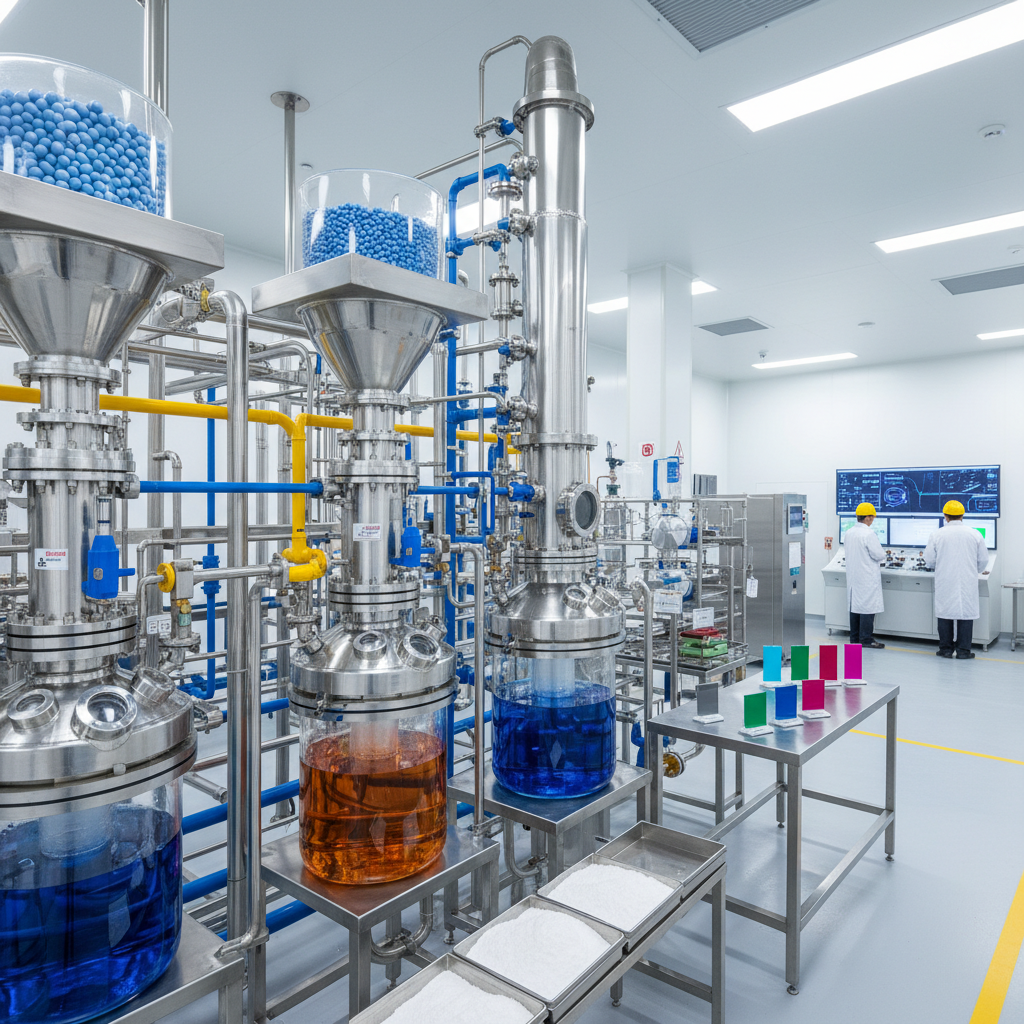
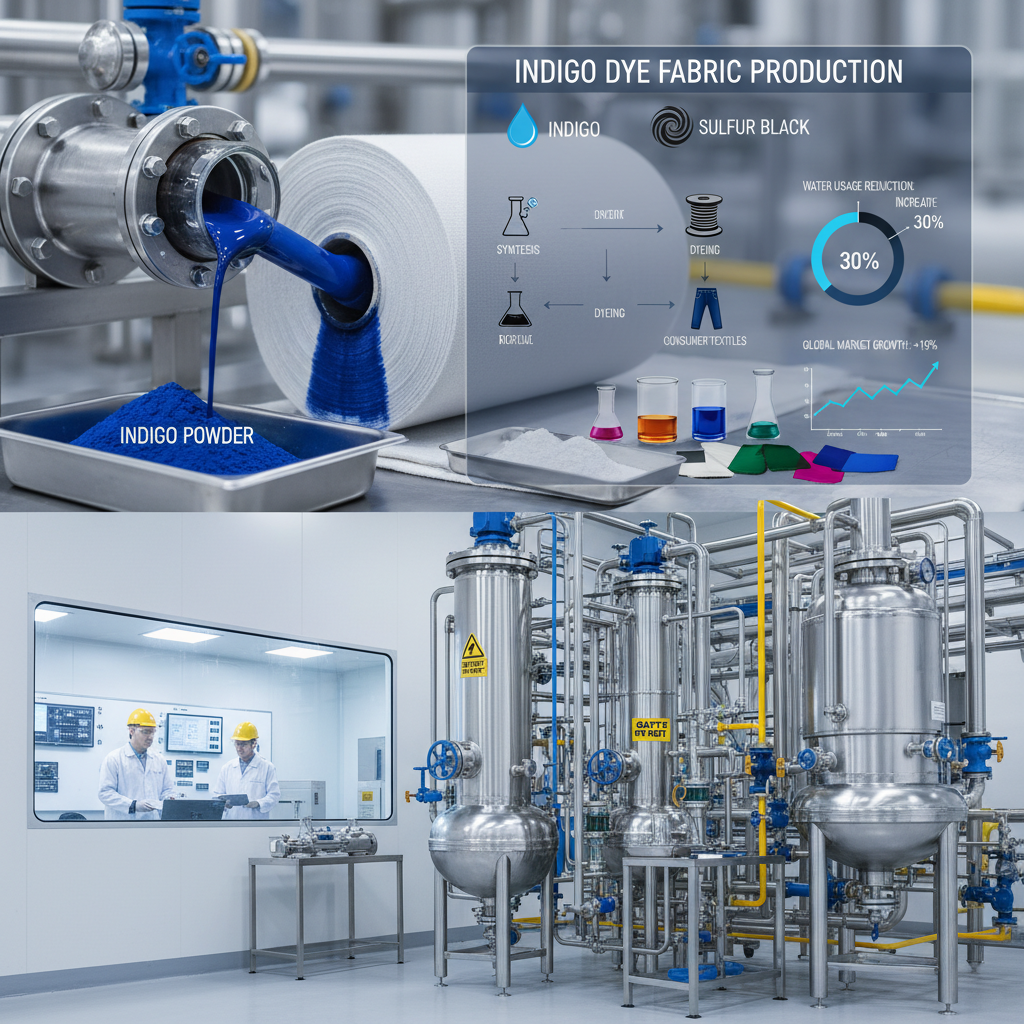
Indigo dye fabric, historically revered and globally significant, represents more than just a color; it embodies cultural heritage, artistic expression, and a complex industrial process. From the ancient civilizations that first extracted indigo from plants to the modern chemical synthesis techniques used today, this fabric has played a crucial role in fashion, textiles, and even economic development. Understanding the nuances of indigo dye fabric – its production, application, and impact – is vital for innovators, manufacturers, and consumers alike.
The global demand for indigo dye fabric remains consistently high, driven by the enduring popularity of denim and the growing trend towards sustainable and natural dyes. According to reports from the UN Comtrade database, the trade of indigo and indigo-dyed products exceeds billions of dollars annually. However, the industry faces challenges related to environmental impact and responsible sourcing, making ongoing research and development critical. The quality and sustainability of indigo dye fabric are increasingly important considerations for brands and consumers globally.
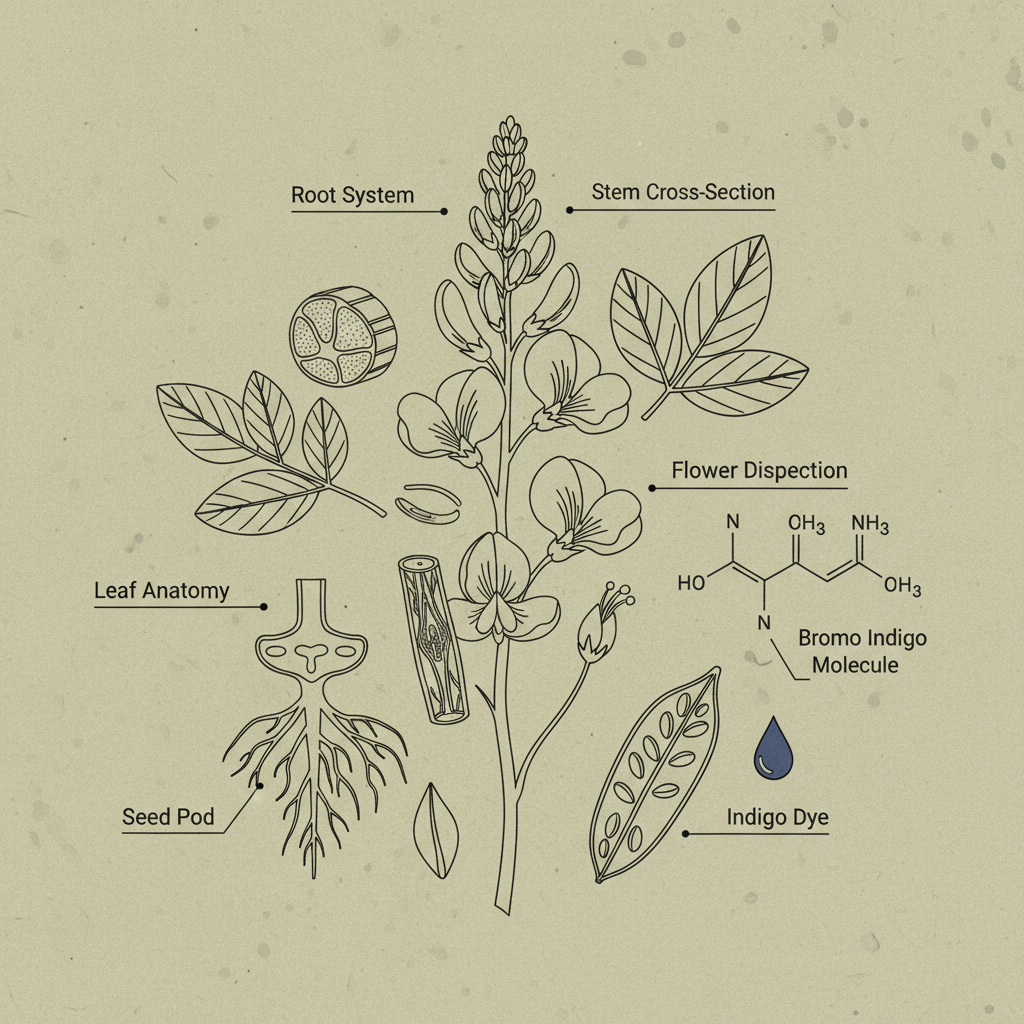
Indigo dye fabric, at its core, refers to textiles colored with indigo, a deep blue dye originally derived from the Indigofera plant. Today, much indigo is synthetically produced. This fabric is characterized by its unique shade, often a rich, dark blue that can be manipulated to create various tones and effects, from light washes to deep indigos. Its significance extends beyond aesthetics; it’s interwoven with the history of trade, colonialism, and now, the search for eco-friendly textile solutions.
The Global Significance of Indigo Dye Fabric
Indigo dye fabric holds a deeply rooted place in global textile history, with evidence of its use dating back thousands of years in cultures across Asia, Africa, and the Americas. Its historical significance extends beyond mere aesthetics; indigo was once a valuable trade commodity, contributing to the economic and cultural exchange between different regions. Today, this legacy continues as indigo-dyed denim remains one of the most popular and widely worn fabrics worldwide.
The production and trade of indigo dye fabric directly impact numerous economies, providing livelihoods for millions involved in agriculture, manufacturing, and retail. The demand for sustainable and ethically sourced indigo is growing, prompting a shift towards more responsible production practices. Understanding the global implications of indigo dye fabric is crucial for fostering a more equitable and environmentally conscious textile industry.
Defining Indigo Dye Fabric
Indigo dye fabric is any textile that has been colored using indigo dye. While historically extracted from plants of the Indigofera genus, most indigo used today is synthetic. The process of dyeing involves a complex chemical reaction where indigo molecules bond with the textile fibers, creating a durable and vibrant blue hue. The specific shade of blue achieved depends on factors like dye concentration, immersion time, and the fiber type.
This fabric isn’t solely defined by its color. The ‘indigo’ process itself creates unique characteristics – a subtle variation in tone across the fabric, and a tendency to fade beautifully over time, creating a well-worn and personalized aesthetic highly valued in denim. Modern applications go beyond traditional dyeing, exploring techniques like sulfur dyeing and vat dyeing to achieve different effects.
The connection to modern industry stems from its use in creating durable and fashionable clothing, particularly denim jeans. However, its relevance extends to humanitarian needs as well, where cost-effective and readily available indigo dye fabric can provide essential clothing and shelter materials in developing countries. It embodies a convergence of tradition, technology, and practical application.
Key Characteristics of High-Quality Indigo Dye Fabric
Durability is a defining characteristic of high-quality indigo dye fabric. The strong bond between the indigo molecules and the fiber ensures that the color remains vibrant and resists fading, even after repeated washing and wear. This makes it ideal for workwear and everyday clothing. A well-dyed fabric will retain its color integrity over time, a testament to the quality of the dyeing process and the dye itself.
Colorfastness, closely linked to durability, is another crucial attribute. High-quality indigo dye fabric exhibits excellent colorfastness, meaning it doesn’t bleed or transfer its color onto other materials when wet or exposed to light. This is particularly important for garments that are frequently washed or worn in sunny environments. Tests like the ISO 105 colorfastness standards are used to quantify this property.
The ‘hand feel’ of the fabric – its texture and softness – is also indicative of quality. A properly processed indigo dye fabric will be soft and comfortable against the skin, even if it’s a heavier weight fabric. This is achieved through careful fiber preparation and finishing treatments. Furthermore, the depth and consistency of the indigo shade contribute to the overall visual appeal of the fabric.
Applications of Indigo Dye Fabric Across Industries
The most prominent application of indigo dye fabric is undoubtedly in the denim industry. Jeans, jackets, and other denim garments represent a significant portion of the global demand for indigo. The unique aesthetic and durability of indigo-dyed denim have made it a staple in wardrobes worldwide. Variations in indigo shades and washes contribute to the diverse range of denim styles available.
Beyond denim, indigo dye fabric finds application in a wide range of other industries. In fashion, it’s used to create shirts, dresses, skirts, and accessories, often offering a unique and sophisticated look. In the home textiles sector, indigo can be found in upholstery, curtains, and bedding. Additionally, its historical association with workwear makes it popular for durable work clothing and uniforms.
Indigo Dye Fabric Application Breakdown
The Advantages of Utilizing Indigo Dye Fabric
The primary advantage of indigo dye fabric lies in its aesthetic appeal. The rich, deep blue color is universally recognized and highly sought after, making it a versatile choice for a wide range of designs. The unique fading characteristics of indigo also allow for personalized and stylish garments.
Beyond aesthetics, indigo dye fabric offers excellent durability and colorfastness, ensuring that garments retain their quality and appearance over time. This makes it a cost-effective choice in the long run, as indigo-dyed items are less likely to need frequent replacement. Furthermore, the growing availability of sustainable indigo options addresses environmental concerns.
Global Trends in Indigo Dye Fabric Production and Consumption
The production of indigo dye fabric is increasingly shifting towards Asia, particularly China, India, and Bangladesh, where labor costs are lower and textile manufacturing infrastructure is well-established. However, there's a growing trend towards reshoring and nearshoring as brands seek more control over their supply chains and prioritize ethical and sustainable production.
Consumption patterns are driven by the ongoing popularity of denim, particularly in North America, Europe, and increasingly, Asia. The demand for premium and sustainable indigo-dyed products is also rising, fueled by consumer awareness of environmental and social issues. This is driving innovation in dyeing techniques and the development of eco-friendly indigo alternatives.
A key trend is the adoption of waterless dyeing technologies, designed to minimize water consumption and reduce pollution associated with traditional indigo dyeing processes. These technologies, along with the use of bio-based indigo dyes, are crucial for creating a more sustainable future for the indigo dye fabric industry.
Challenges and Innovations in Indigo Dyeing
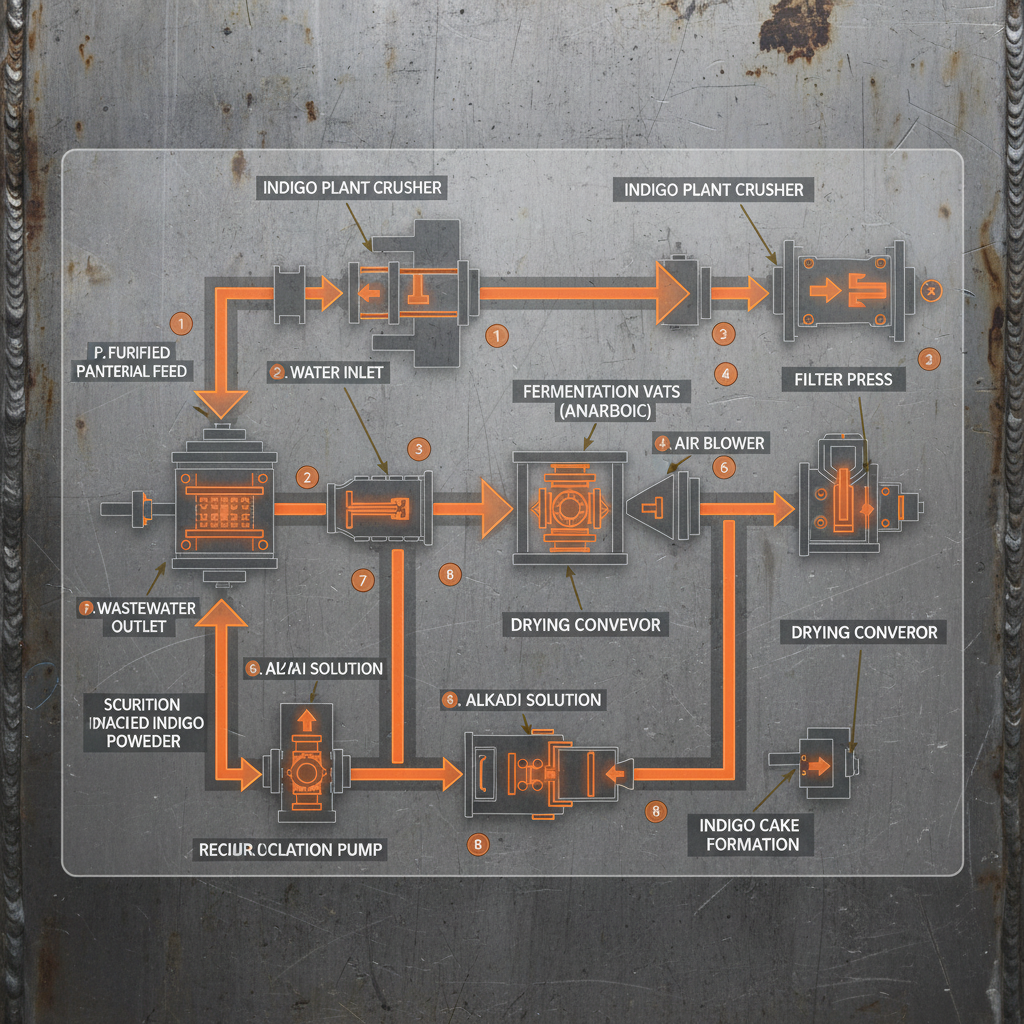
One of the biggest challenges in indigo dyeing is the environmental impact of traditional processes. Conventional indigo dyeing uses significant amounts of water and produces harmful wastewater containing reducing agents and other pollutants. Reducing this environmental footprint is a major priority for the industry.
Innovations in dyeing technologies are addressing this challenge. Foam dyeing, laser dyeing, and air dyeing are emerging techniques that significantly reduce water consumption and minimize pollution. The development of bio-based indigo dyes, derived from renewable resources, offers a more sustainable alternative to synthetic indigo.
Furthermore, research is focused on improving the efficiency of indigo dyeing processes, reducing dye waste, and developing closed-loop systems that recycle and reuse water and chemicals. These innovations are crucial for ensuring the long-term viability and sustainability of the indigo dye fabric industry.
Summary of Key Challenges and Innovations in Indigo Dyeing
| Challenge Area |
Specific Issue |
Innovation/Solution |
Impact on Indigo Dye Fabric Quality |
| Environmental Impact |
High water consumption |
Foam dyeing, laser dyeing |
Maintains color quality, reduces chemical residue |
| Sustainability |
Reliance on synthetic indigo |
Bio-based indigo dyes |
Potentially softer hand feel, environmentally friendly |
| Wastewater Treatment |
Harmful chemicals in effluent |
Closed-loop water recycling systems |
Improved effluent quality, reduced environmental risk |
| Dyeing Efficiency |
Dye waste and uneven coloration |
Optimized dyeing parameters & techniques |
Enhanced color consistency and reduced costs |
| Supply Chain Transparency |
Lack of traceability in indigo sourcing |
Blockchain technology for supply chain monitoring |
Increased consumer trust and ethical sourcing |
| Color Consistency |
Batch-to-batch variations in dye shades |
Automated dye mixing and color control systems |
Improved reproducibility and reduced rejects |
FAQS
Indigo dye fabric can be sustainable when produced using eco-friendly methods, such as bio-based indigo dyes and waterless dyeing technologies. These innovations minimize water consumption, reduce pollution, and promote ethical sourcing practices. Choosing fabrics with certifications like OEKO-TEX® Standard 100 ensures responsible production. Reducing waste through efficient dyeing processes and promoting circularity contribute to its sustainability.
The indigo dyeing process, when done correctly, enhances the durability of the fabric. Indigo molecules form a strong bond with the fiber, creating a robust color that resists fading and wear. The dyeing process also strengthens the fiber structure, increasing its resistance to tearing and abrasion. However, improper dyeing techniques can weaken the fabric.
Natural indigo is derived from the Indigofera plant, while synthetic indigo is produced chemically. Natural indigo often results in a more nuanced and subtle shade, and is favored for its perceived eco-friendliness. However, synthetic indigo offers greater consistency in color and is more readily available. Synthetic indigo can be produced at scale to meet demands.
Look for a rich, deep blue color with subtle variations in tone. High-quality indigo dye fabric should have excellent colorfastness, meaning it doesn't bleed or fade easily. Check the hand feel – it should be soft and comfortable. Examine the weave and construction for durability. Also, look for certifications like OEKO-TEX® or GOTS.
Recent innovations include foam dyeing, laser dyeing, and air dyeing, which significantly reduce water consumption and pollution. Bio-based indigo dyes are gaining traction as a sustainable alternative to synthetic indigo. Automated dye mixing and color control systems are also improving color consistency. Closed-loop water recycling systems minimize environmental impact.
Indigo dye fabric is a cornerstone of the fashion industry, particularly in denim. Its versatility allows for a wide range of styles, from classic jeans to trendy jackets and dresses. The unique fading characteristics of indigo create personalized and stylish looks. The demand for sustainable indigo is driving innovation and ethical practices within the industry.
Conclusion
Indigo dye fabric, with its rich history, enduring appeal, and evolving production methods, remains a vital component of the global textile industry. From its roots in ancient traditions to its modern applications, indigo continues to be valued for its aesthetic qualities, durability, and increasing sustainability. Embracing innovative dyeing techniques and prioritizing ethical sourcing are crucial for ensuring the future of this iconic fabric.
As consumer demand for sustainable and ethically produced textiles grows, the indigo dye fabric industry has a significant opportunity to lead the way. By investing in research and development, promoting transparency throughout the supply chain, and embracing circular economy principles, we can unlock the full potential of indigo dye fabric while minimizing its environmental impact and maximizing its social benefits. Visit our website: indigo dye fabric.