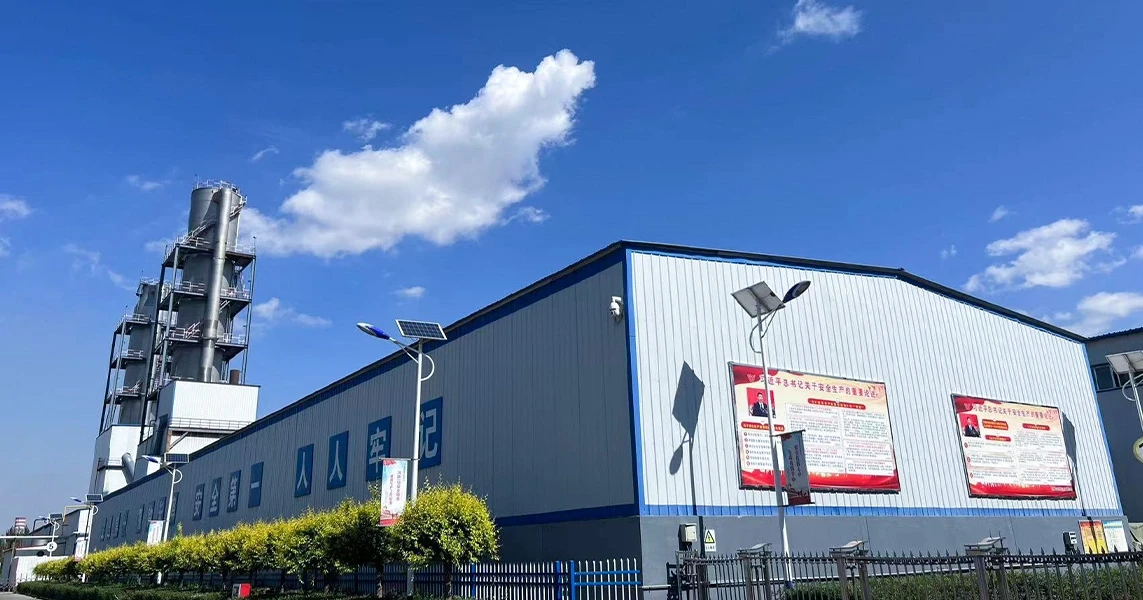
WUXIN GROUP is a professional enterprise involved in manufacturing and marketing the best quality dyes and pigments for a wide range and variety of customers home and abroad.
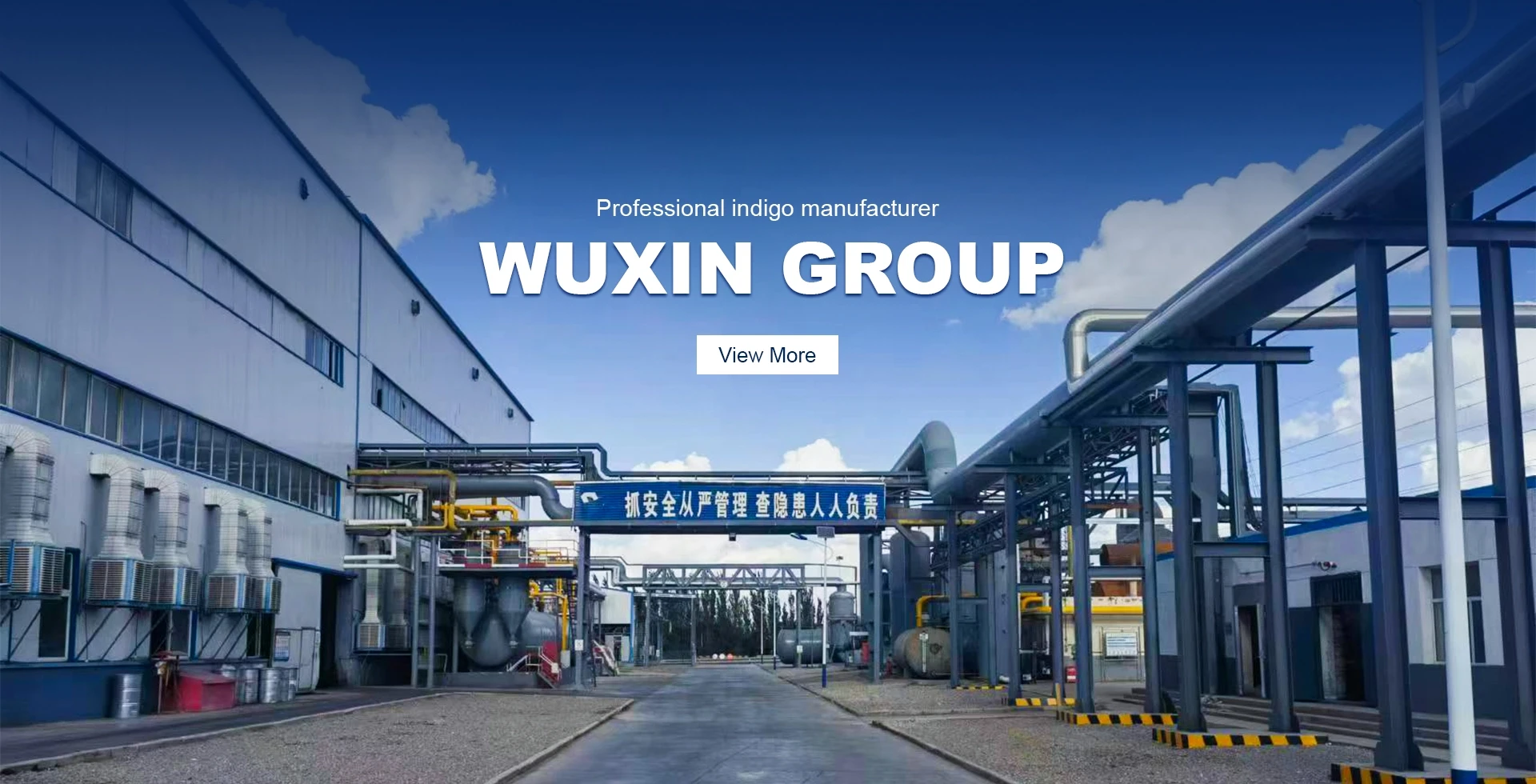
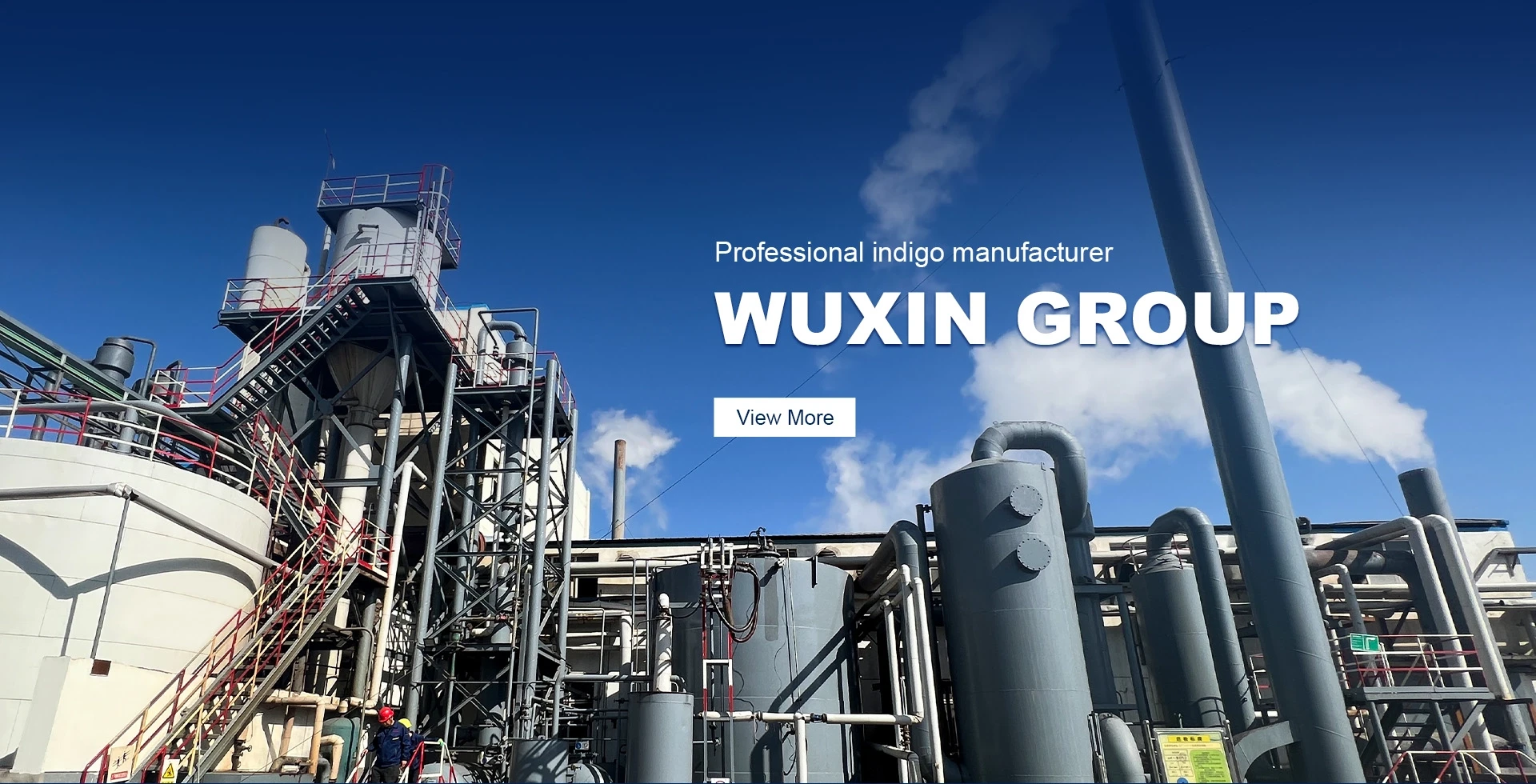
WUXIN GROUP is a professional enterprise involved in manufacturing and marketing the best quality dyes and pigments for a wide range and variety of customers home and abroad.
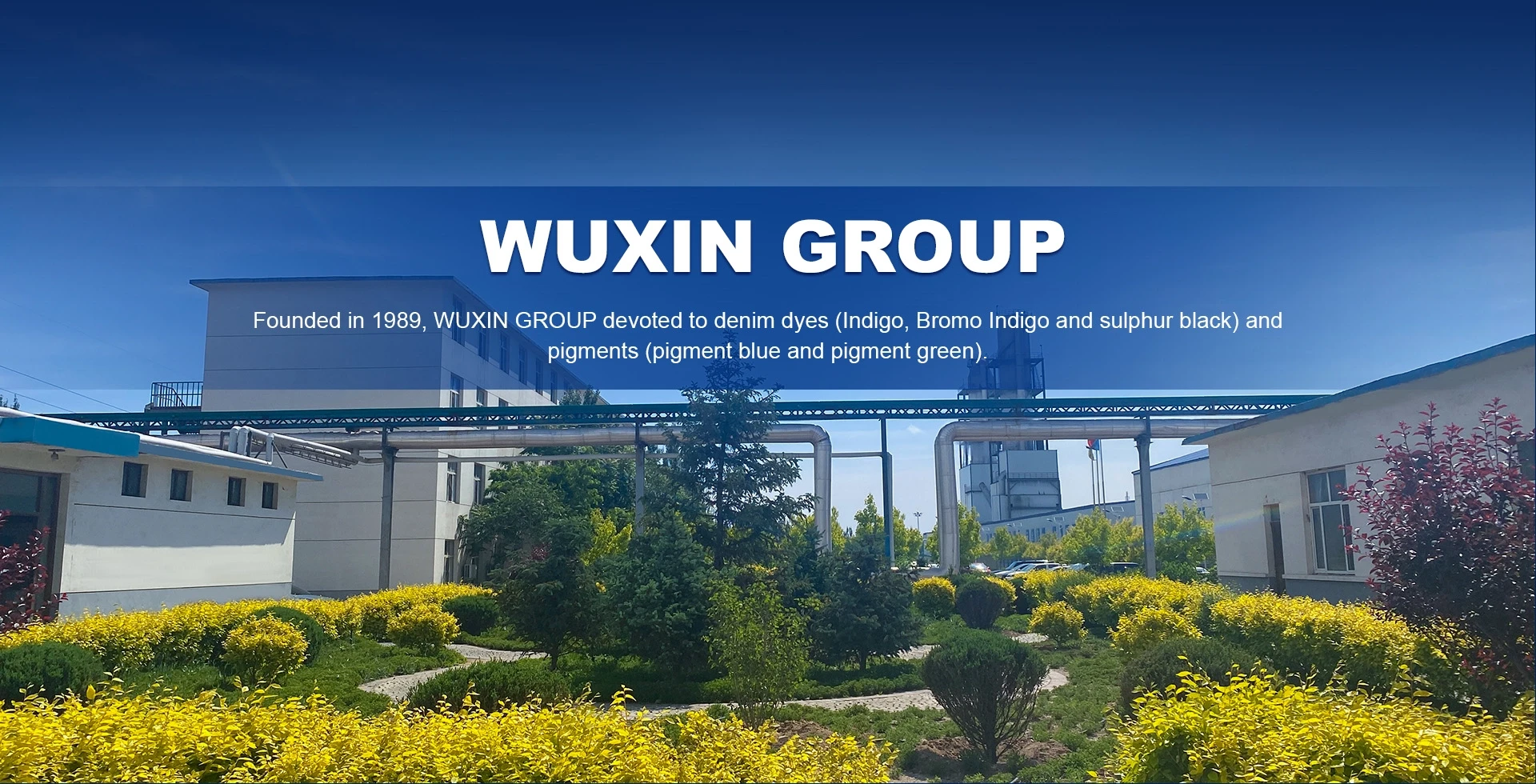
Founded in 1989, WUXIN GROUP devoted to denim dyes (Indigo, Bromo Indigo and sulphur black) and pigments (pigment blue and pigment green).
In the future, we will continue to devote our efforts to producing and supplying our customers with highly refined dyes and pigments. Your comments, suggestions and inquiries are most welcome.
-

30+
Business growth
30+
Business growthEstablished 1989, the company has become a well-established and dynamic business through continuous efforts and improvements.
View Details -

100000
Clean workshop
100000
Clean workshopPLANT Ⅰ: ANPING COUNTY WUXIN CHEMICAL DYES CO., LTD PLANT Ⅱ: INNER MONGOLIA WU XIN CHEMICAL CO., LTD
PLANT Ⅲ: NEI MONGOL RUNKANG CHEMICAL DYES CO., LTDView Details -

30+
Research staff
30+
Research staffWe built our own independent laboratory, quality control system and development team of experts with more than 20 years experience.
View Details -

20+
Consultant
20+
ConsultantWe provide the highest level of service to our customers, whether it's answering questions, solving problems or providing valuable advice, we deal with it promptly.
View Details -

100+
Professionals
100+
ProfessionalsThe company has a large team of professionals responsible for managing, coordinating and controlling the operations of the various functions.
View Details
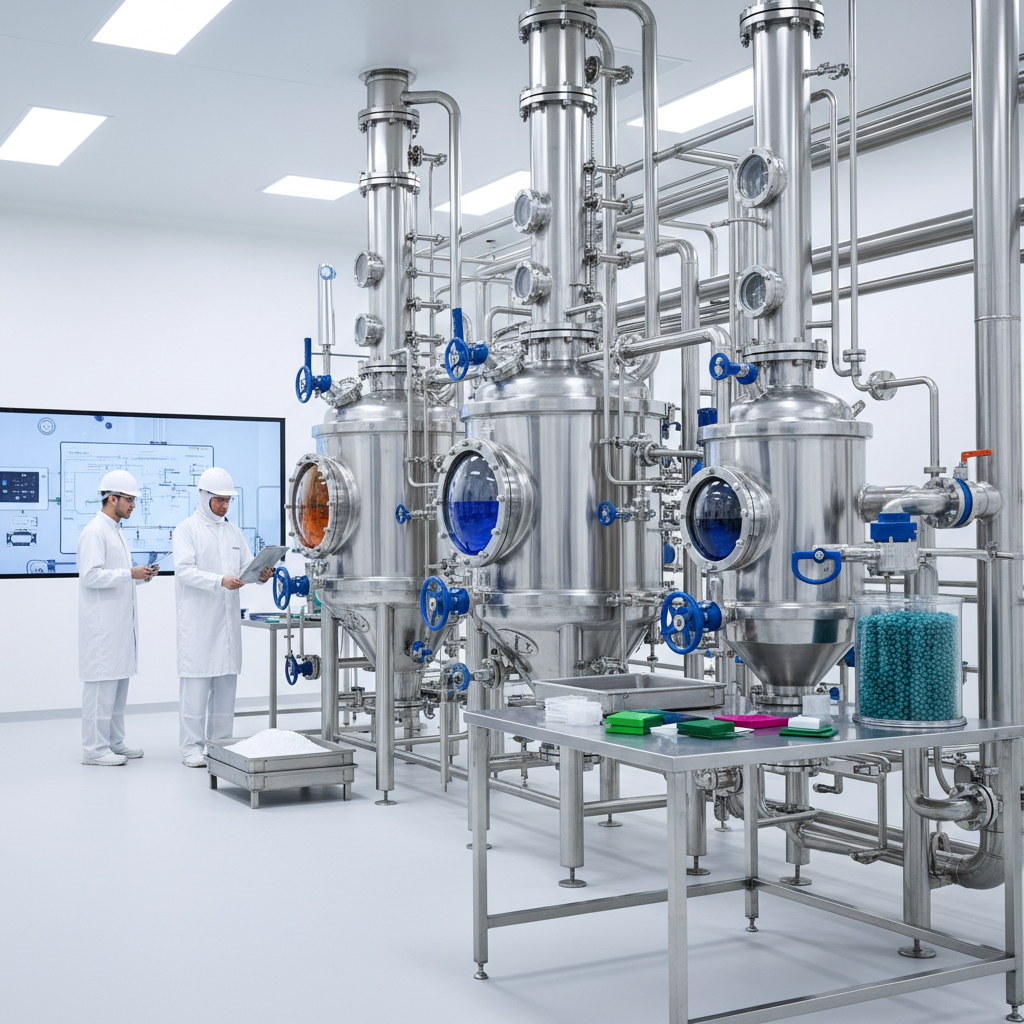
Mastering the Art of China Japanese Indigo Dyeing Traditions
The allure of deep, soulful blues has captivated artisans for centuries, leading to the refined practice of china japanese indigo dyeing. This ancient craft is more than just a coloring process; it is a spiritual connection between nature and textile. By utilizing the natural fermented leaves of the indigo plant, craftsmen create a living dye vat that breathes and evolves. Whether it is the structured precision of Japanese aesthetics or the vast historical heritage of Chinese textile arts, the synergy of these techniques produces fabrics with unparalleled depth and longevity.
2026-04-16 01:55:19
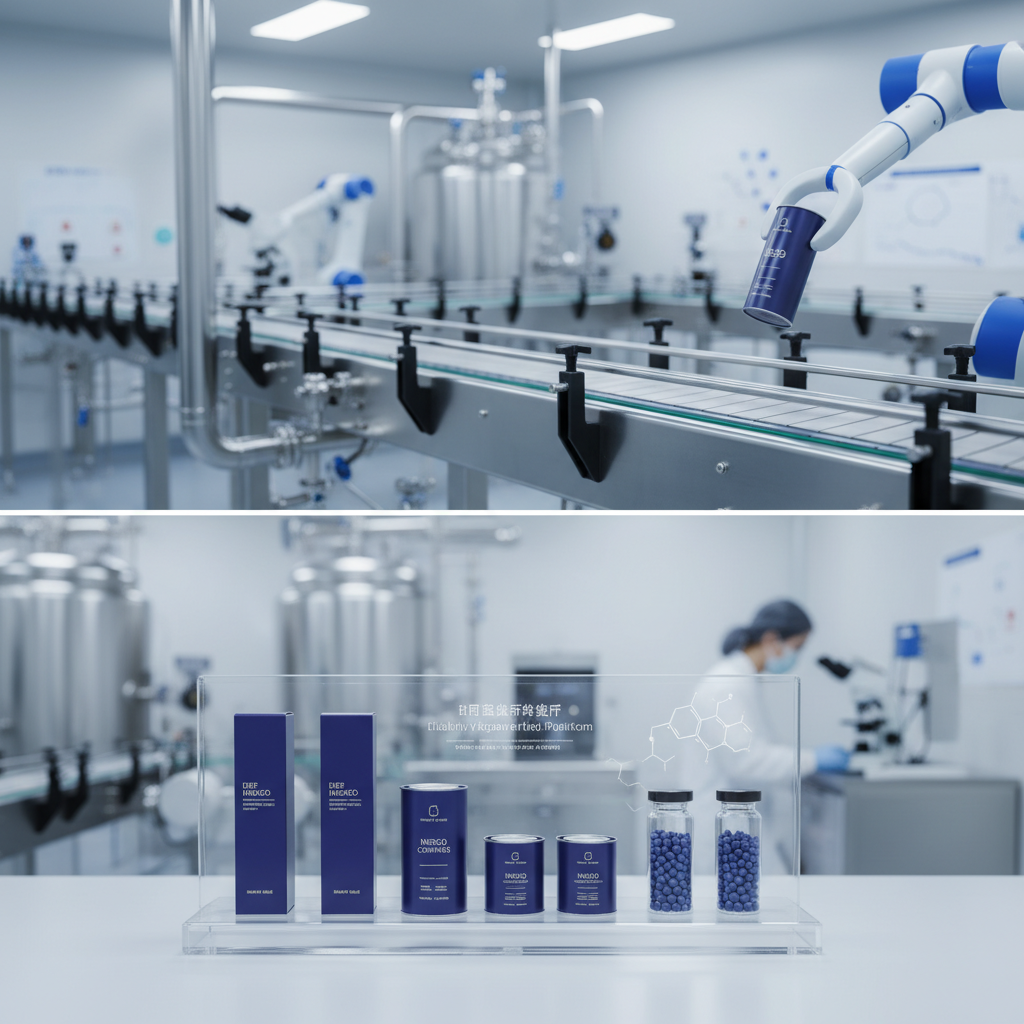
Exploring the Elegance of China Deep Indigo Color in Textiles
In the world of high-end fashion and industrial design, few hues possess the timeless allure and cultural depth of china deep indigo color. This rich, saturated shade of blue is more than just a pigment; it is a bridge between ancient craftsmanship and contemporary luxury. From the traditional vat-dyeing techniques of East Asia to the precision of modern synthetic dyes, deep indigo continues to dominate global trends due to its versatility and psychological impact. Whether applied to premium denim, home upholstery, or corporate branding, this color evokes stability, trust, and sophisticated luxury.
2026-04-09 01:55:35
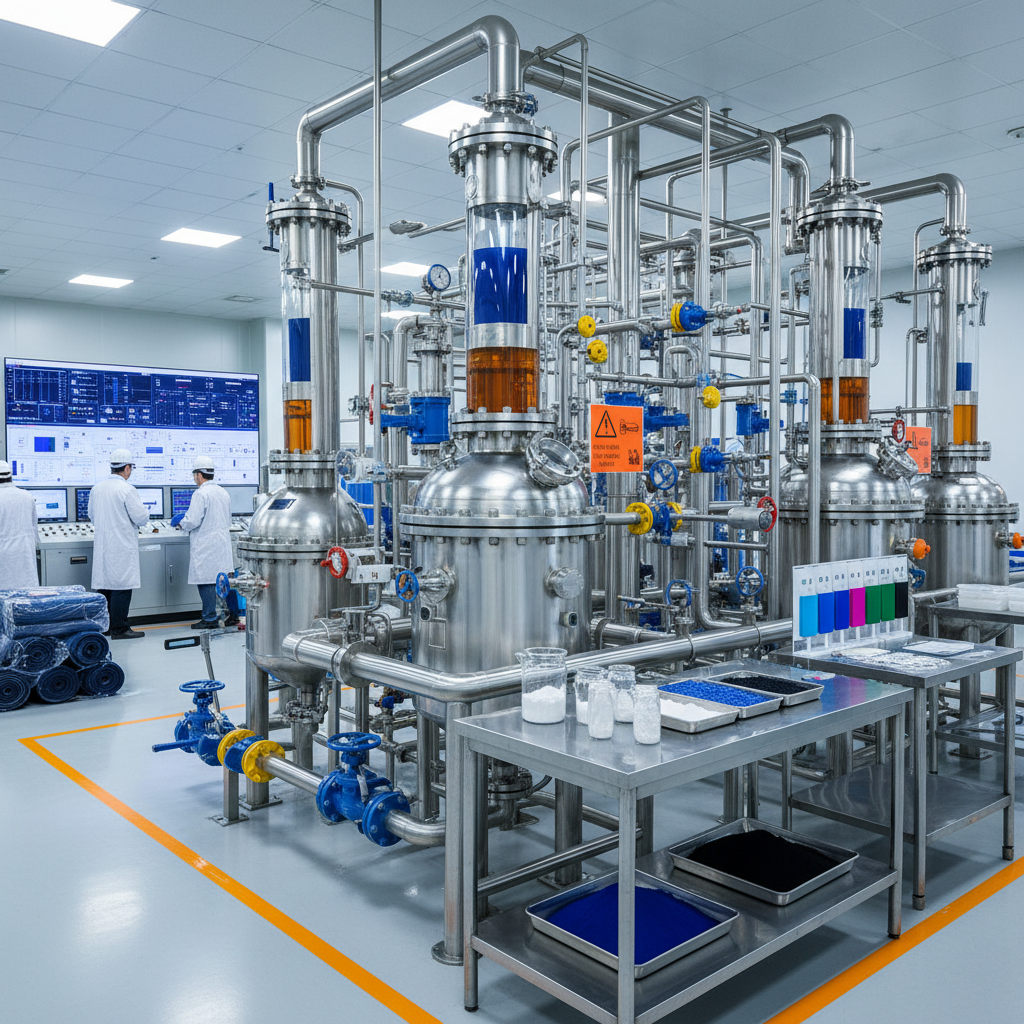
Discover High Quality China Jeans Blue Indigo for Global Markets
The demand for high-quality China jeans blue indigo is consistently high in the global market. Known for their vibrant color, durability, and versatile style, these jeans are a staple in wardrobes worldwide. This article explores the manufacturing processes, key characteristics, market trends, and why sourcing from reputable suppliers like Wuxin Group is crucial for businesses. We'll uncover the secrets behind creating exceptional denim and navigate the complexities of international trade.
2026-04-07 01:55:10