Indigo source dye – it’s more than just a color, it's the backbone of so much of what we see in textiles, and increasingly, in more specialized applications. I’ve spent years watching how materials perform in the real world, on construction sites, in factories, and frankly, getting my hands dirty with them. And what consistently impresses me about indigo is its resilience and versatility. It's a dye that’s stood the test of time, and it’s evolving to meet modern demands. Understanding where it comes from, how it’s made, and its potential is crucial for anyone involved in materials, manufacturing, or even sustainable practices.
The global textile industry is a massive consumer of dyes, and indigo holds a dominant position, particularly in denim. But the story doesn't end there. There's a growing push for more sustainable and ethically sourced materials. This is where indigo source dye really comes into focus. Traditional methods can have significant environmental impacts. We’re now seeing innovations in bio-based indigo production and improved wastewater treatment, driven by both consumer demand and tightening regulations.
It’s not just about ticking a sustainability box either. A deep understanding of indigo source dye, its properties, and its supply chain allows businesses to optimize their processes, reduce costs, and ensure quality control. That’s what translates to real-world benefits for everyone involved, from the farmer growing the indigo plant to the consumer wearing the finished product.
The Historical Development of indigo source dye
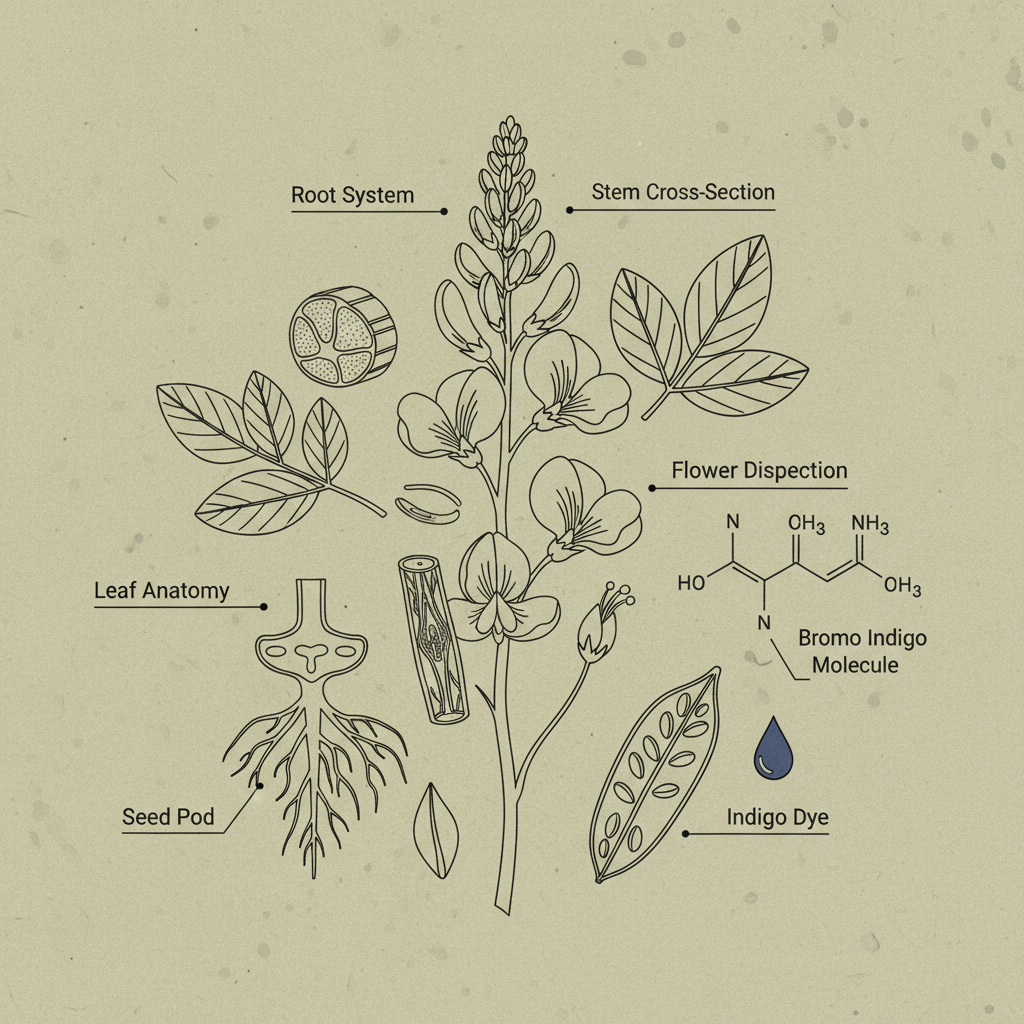
Indigo’s story isn’t new. It’s been around for centuries, dating back to ancient civilizations in India and beyond. For a long time, natural indigo, extracted from plants like Indigofera tinctoria, was the primary source. I’ve seen remnants of these traditional processes – the vats, the fermentation techniques – and it’s incredible how effective they were, even without modern technology. The challenge was consistency and scale.
The 20th century brought about the advent of synthetic indigo, which offered a more reliable and scalable production method. This was a game-changer for the textile industry, allowing for mass production of indigo-dyed fabrics. However, early synthetic methods often came with environmental concerns, which is why we’re now seeing a renewed interest in more sustainable approaches to indigo production, blending the best of both worlds.
Global Relevance and Production of indigo source dye
The demand for indigo source dye is directly linked to the global textile market, with denim being the biggest driver. Think about it: jeans are a staple in almost every wardrobe worldwide. The UN Comtrade database shows billions of dollars worth of indigo dyes and pigments traded internationally each year, predominantly to countries with large textile manufacturing industries like China, India, Bangladesh, and Vietnam.
However, this demand also presents challenges. Traditional indigo production can be water-intensive and generate harmful byproducts. Organizations like the Zero Discharge of Hazardous Chemicals (ZDHC) are working with brands and manufacturers to eliminate hazardous chemicals from the textile supply chain, including those used in indigo dyeing. This is pushing innovation towards cleaner production methods.
The World Bank also highlights the importance of sustainable industrial practices, and indigo dye production is increasingly falling under scrutiny. Meeting these standards isn't just about compliance; it’s about future-proofing the industry and ensuring a responsible supply chain.
Defining indigo source dye: From Plant to Product
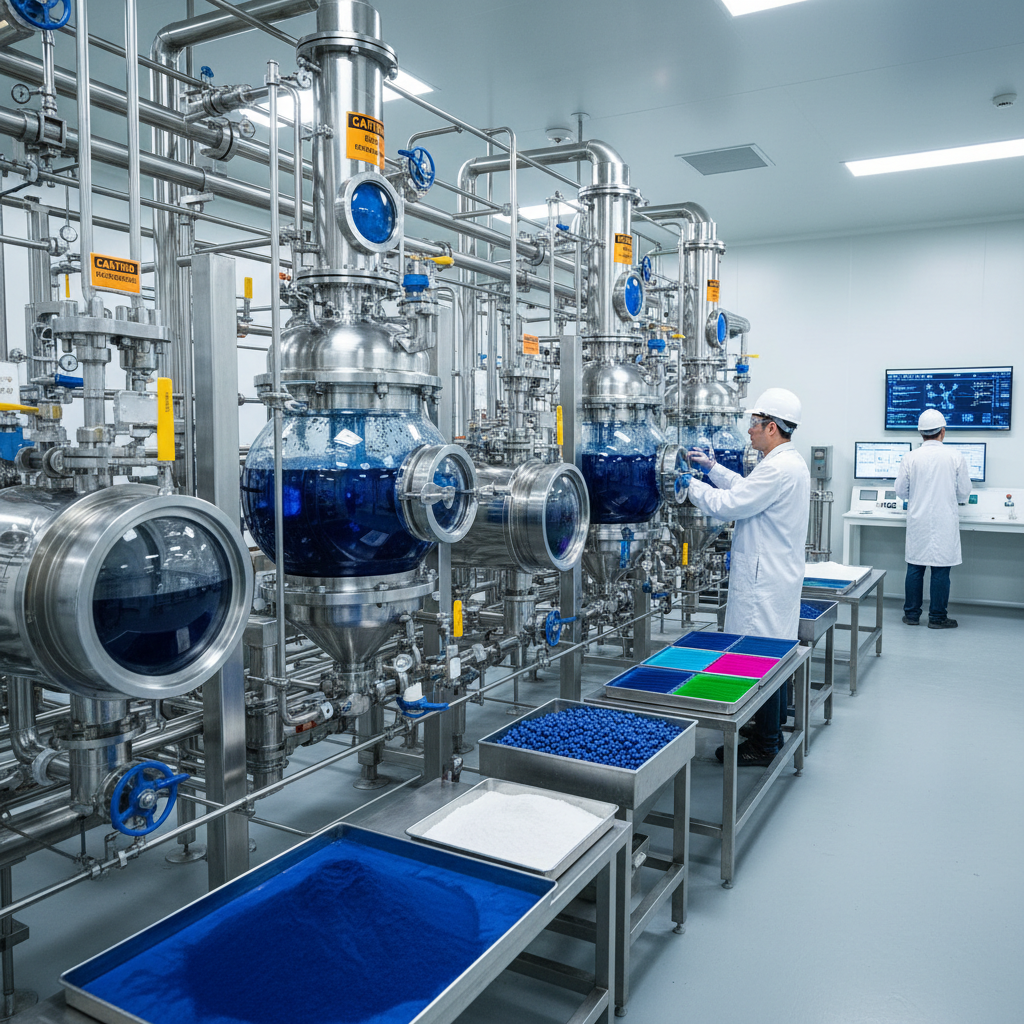
At its core, indigo source dye is a vat dye – meaning it’s insoluble in water and needs to be reduced to a soluble form (leuco-indigo) to be applied to textiles. Traditionally, this was achieved through fermentation, but modern methods often use chemical reducing agents. The crucial part is understanding the source – whether it’s derived from natural indigofera plants or synthesized chemically.
The 'source' isn't just about origin; it’s about the entire process. From the cultivation of the indigo plant (if natural) to the chemical reactions involved in synthesis, every step impacts the final product’s quality, color consistency, and environmental footprint. I've seen firsthand how variations in these processes can lead to significant differences in dye performance.
Today, we’re seeing a blurring of the lines with bio-based indigo – synthesized using genetically engineered microorganisms. This offers the potential for sustainable production at scale, mimicking the natural process but with greater control and efficiency. It's an area I'm keeping a close eye on, as it could be a real turning point for the industry.
Key Characteristics of High-Quality indigo source dye
You can tell a good indigo dye by a few key characteristics. First, colorfastness – how well it holds its color after washing and exposure to light. I’ve seen cheap dyes fade to nothing after just a few washes. Second, depth of shade – a rich, vibrant indigo is what everyone’s after.
Here’s a breakdown, visualized:
Rating of Indigo Source Dye Characteristics
Applications of indigo source dye Across Industries
While denim is the dominant application, indigo source dye isn’t limited to jeans. You'll find it in workwear, shirts, dresses, and even specialty textiles. It’s a versatile dye that can achieve a range of shades, from light washes to deep, dark indigo.
Beyond fashion, there are emerging applications in areas like high-performance textiles for military and industrial use, where durability and colorfastness are critical. We’re even seeing exploration of indigo-dyed materials for medical applications, due to its potential antibacterial properties.
Advantages and Long-Term Value of indigo source dye
The long-term value of indigo source dye goes beyond aesthetics. A well-dyed garment, using high-quality indigo, lasts longer, reducing the need for frequent replacements. That translates to cost savings for the consumer and reduced textile waste.
Sustainable indigo production offers significant environmental benefits, reducing water consumption and minimizing the release of harmful chemicals. From a social perspective, supporting ethical indigo production ensures fair labor practices and empowers communities involved in the supply chain. It's about building a more responsible and resilient industry.
The trust associated with a brand that prioritizes quality and sustainability is invaluable. Consumers are increasingly aware of the impact of their purchases, and they’re willing to pay a premium for products that align with their values.
Future Trends and Innovations in indigo source dye
The future of indigo source dye is focused on sustainability and efficiency. We’re seeing significant investment in bio-based indigo production, as well as innovations in wastewater treatment technologies. Digital printing techniques are also gaining traction, allowing for more precise dye application and reduced waste.
Another exciting area is the development of indigo dyes with enhanced performance characteristics, such as improved colorfastness and UV protection. Automation and data analytics are also playing a role, optimizing dyeing processes and ensuring consistent quality control.
I believe we’ll see a continued push towards circularity, with a focus on recycling indigo-dyed textiles and recovering valuable resources. This requires collaboration across the entire supply chain, from dye manufacturers to garment recyclers.
Summary of Key Challenges and Solutions in Indigo Source Dye Production
| Challenge |
Environmental Impact |
Potential Solution |
Implementation Cost (1-10) |
| High Water Consumption |
Water scarcity, pollution |
Closed-loop water recycling systems |
7 |
| Chemical Waste Generation |
Environmental contamination, health hazards |
Bio-based indigo production, advanced wastewater treatment |
8 |
| Inconsistent Dye Quality |
Product defects, customer dissatisfaction |
Automated dyeing processes, real-time monitoring |
6 |
| Supply Chain Transparency |
Ethical concerns, traceability issues |
Blockchain technology, certification programs |
5 |
| High Production Costs |
Reduced profitability, limited accessibility |
Optimized dyeing processes, economies of scale |
4 |
| Dependence on Synthetic Indigo |
Fossil fuel reliance, environmental impact |
Increased adoption of bio-based indigo alternatives |
7 |
FAQS
Natural indigo is extracted from the Indigofera plant, offering a more sustainable route, but can be variable in color and yield. Synthetic indigo is chemically produced for consistency and scalability. However, traditional synthetic methods can have a larger environmental impact due to chemical usage. Bio-based indigo is emerging as a compromise, combining the benefits of both.
Traditional indigo dyeing is notoriously water-intensive, requiring large volumes for washing and rinsing. Modern techniques, like foam dyeing and closed-loop water recycling systems, significantly reduce water usage. Investing in these technologies is crucial for minimizing the environmental footprint of indigo production.
Look for certifications like GOTS (Global Organic Textile Standard), OEKO-TEX Standard 100, and bluesign. These certifications ensure that the indigo dye meets stringent environmental and social standards, covering everything from chemical usage to worker safety. ZDHC compliance is also important.
Bio-based indigo, produced through microbial fermentation, is a promising alternative. It reduces reliance on petrochemicals and offers a more sustainable production pathway. While currently more expensive than synthetic indigo, costs are decreasing as technology advances and production scales up.
Properly applied indigo dye can actually enhance fabric durability. The dyeing process can strengthen the fibers and improve resistance to abrasion and wear. However, poor dyeing techniques or low-quality dyes can lead to fading and weakening of the fabric.
Expect continued innovation in bio-based indigo production, advanced wastewater treatment, and digital dyeing technologies. We'll also see a greater emphasis on circularity, with increased efforts to recycle indigo-dyed textiles and recover valuable resources. Sustainability will remain the driving force behind these advancements.
Conclusion
Indigo source dye has a rich history, a complex present, and a promising future. From ancient traditions to cutting-edge biotechnology, its story is a testament to human ingenuity and our enduring connection to color. Understanding its production, applications, and challenges is crucial for building a more sustainable and responsible textile industry.
As we move forward, collaboration across the entire supply chain will be key. Investing in innovation, prioritizing ethical sourcing, and embracing circularity are essential steps towards unlocking the full potential of indigo source dye and ensuring its continued relevance for generations to come. For more information or to discuss your specific indigo needs, visit our website: www.wuxin-group.com.