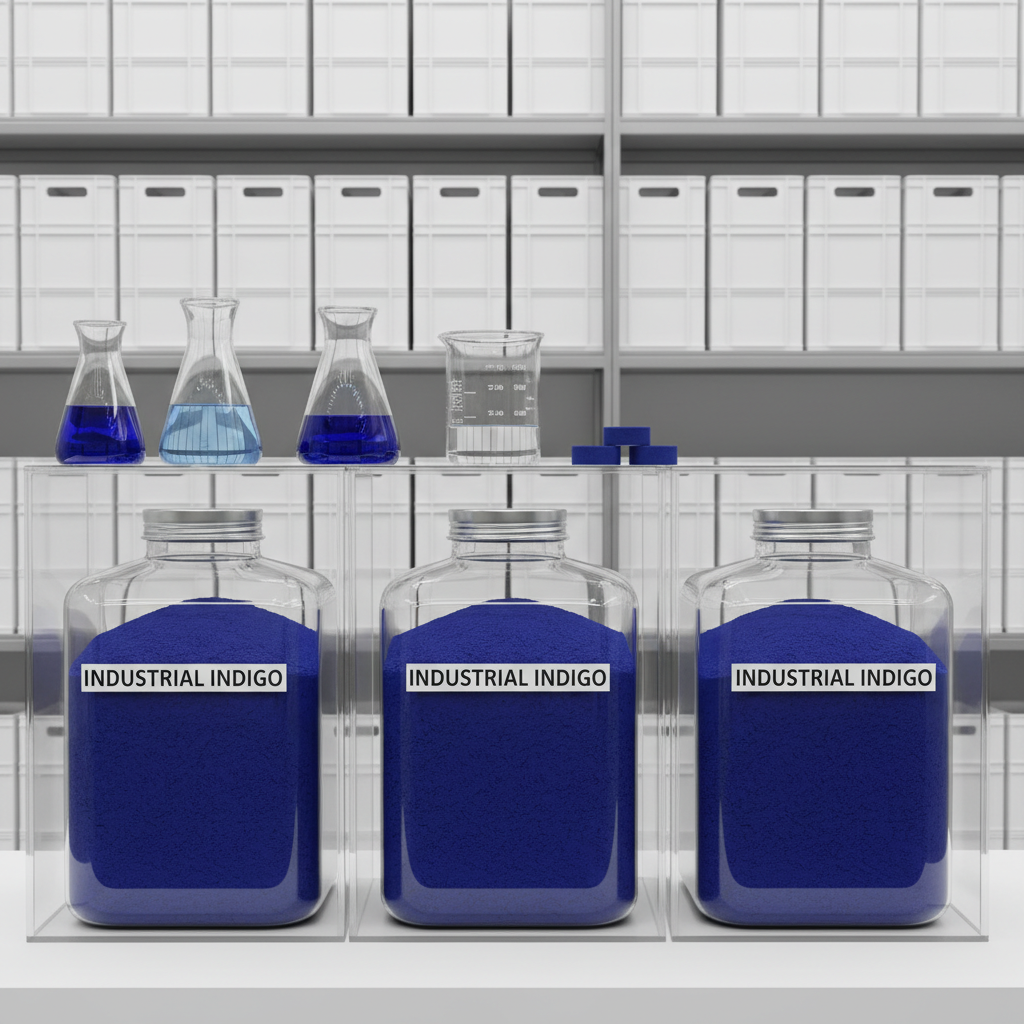
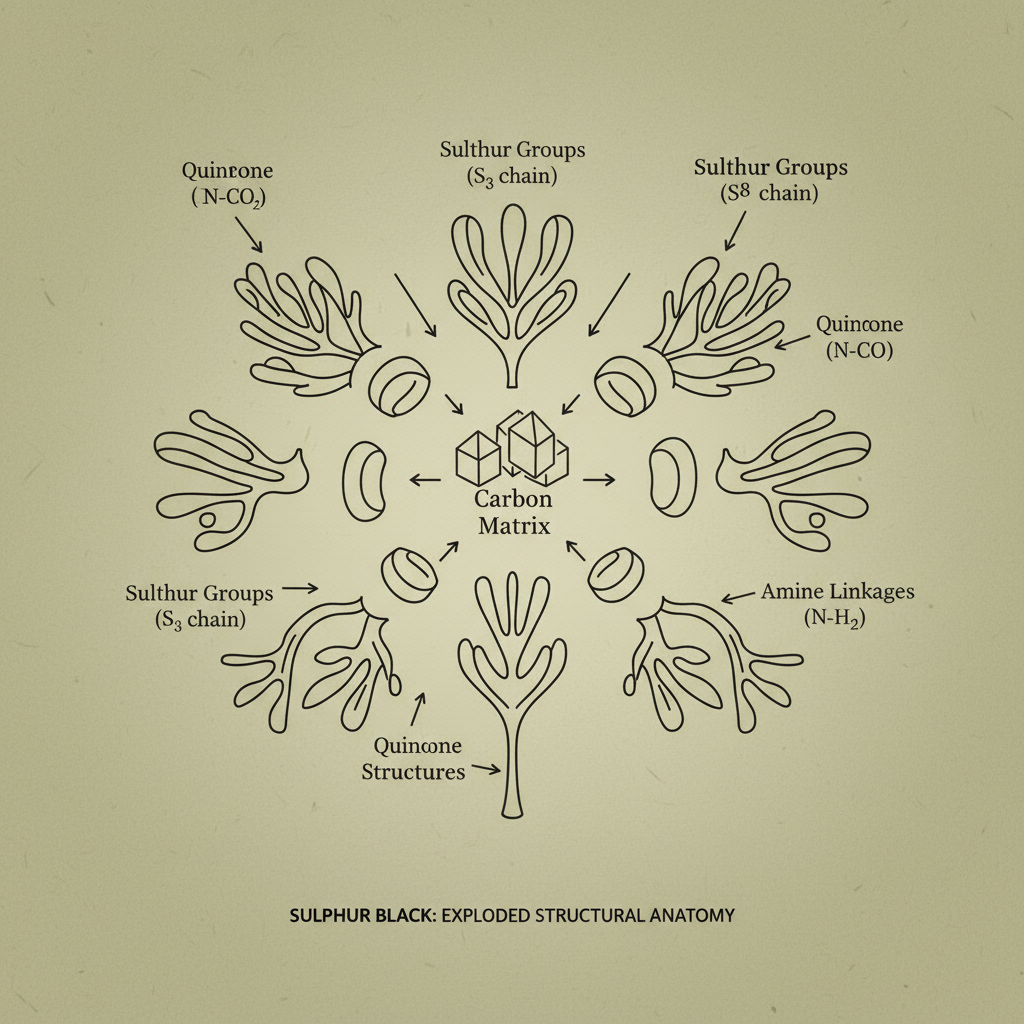
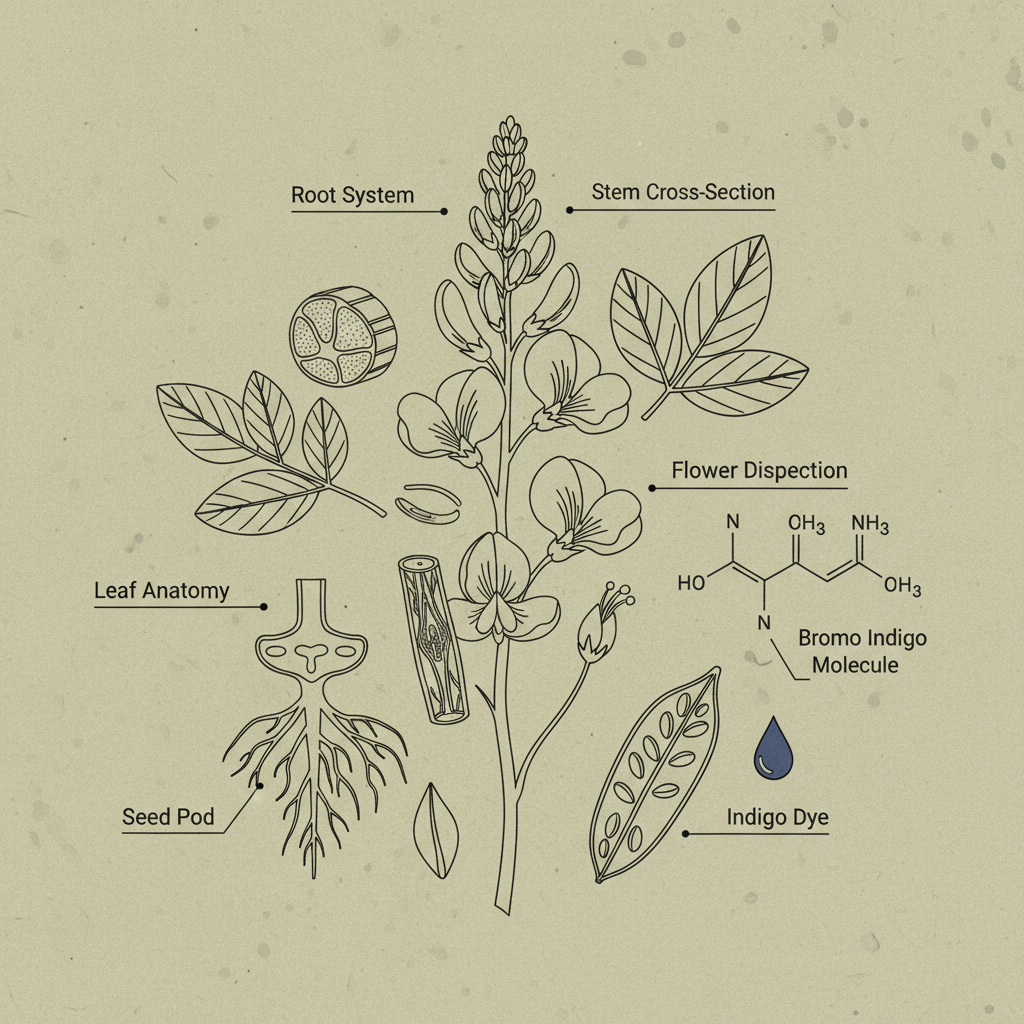
Industrial indigo, a color deeply ingrained in history and culture, is experiencing a modern resurgence driven by sustainable practices and innovative applications. Once solely reliant on natural sources, the production of indigo has evolved significantly to meet global demands, making it a critical component in diverse industries from textiles to specialty chemicals. Understanding the intricacies of industrial indigo – its production, properties, and potential – is crucial for businesses and consumers alike seeking environmentally responsible and high-quality solutions.
The global demand for indigo continues to rise, fuelled by the fashion industry's enduring preference for denim and the growing recognition of its versatile applications beyond clothing. However, traditional indigo production methods often carry significant environmental burdens, prompting a shift towards more sustainable and efficient techniques. This requires investment in research, development, and implementation of cleaner production processes, ultimately benefiting both the environment and the industries reliant on this vital dye.
This exploration delves into the multifaceted world of industrial indigo, examining its key components, applications, advantages, and future trends. We aim to provide a comprehensive overview of this important material, shedding light on its potential to contribute to a more sustainable and innovative future while also addressing challenges related to scalability and cost-effectiveness.
Introduction to Industrial Indigo
The story of industrial indigo is a compelling tale of scientific advancement and evolving environmental consciousness. Initially derived from plants like Indigofera tinctoria, the demand for indigo far exceeded the capacity of natural cultivation. This led to the development of synthetic indigo production in the late 19th century, revolutionizing the textile industry and paving the way for mass-produced denim.
Today, industrial indigo encompasses both synthetic and bio-based production methods. The challenge lies in minimizing the environmental impact of these processes. Significant strides have been made in reducing water consumption, eliminating toxic chemicals, and developing closed-loop systems. These advancements are vital for ensuring the long-term sustainability of indigo production and maintaining its role as a cornerstone of modern industry.
Global Relevance and Challenges
Indigo dye holds immense global relevance. The denim industry alone accounts for a substantial portion of worldwide indigo consumption. This demand is particularly pronounced in Asia, where a significant percentage of denim manufacturing takes place. The UN’s Sustainable Development Goals (SDGs), particularly those relating to responsible consumption and production (SDG 12) and clean water and sanitation (SDG 6), directly address the environmental challenges associated with traditional indigo dyeing processes.
However, conventional synthetic indigo production can generate substantial wastewater containing harmful chemicals such as sodium hydrosulfite, often requiring extensive and costly treatment. Furthermore, the reliance on fossil fuels for raw material sourcing presents a significant carbon footprint. These factors underscore the urgent need for innovation and the adoption of more environmentally friendly alternatives, aligning with the principles of the circular economy.
The ISO 14001 standard for environmental management systems is increasingly important for indigo producers seeking to demonstrate their commitment to sustainability and responsible operations. Successfully navigating these challenges requires a collaborative effort involving researchers, manufacturers, and policymakers to promote best practices and drive industry-wide change.
Defining Industrial Indigo
Industrial indigo refers to the production and application of indigo dye on a large scale for commercial purposes. Unlike traditional methods relying on plant extraction, industrial indigo primarily utilizes synthetic processes, though growing interest in bio-based indigo is emerging. Chemically, indigo is a vat dye, meaning it’s insoluble in water but can be reduced to a soluble form for dyeing fabrics.
The connection to modern industry extends far beyond textiles. Industrial indigo finds application in the coloration of plastics, printing inks, and even specialty coatings. Its robust colorfastness and relative stability make it a desirable pigment across a broad spectrum of industries. Moreover, the drive for sustainable chemistry is prompting research into greener production routes, enhancing its appeal to environmentally conscious manufacturers.
The term also encompasses the entire value chain, from the sourcing of raw materials to the treatment of wastewater generated during the dyeing process. The growing emphasis on traceability and transparency within the supply chain means that understanding the origin and environmental impact of industrial indigo is becoming increasingly critical for brand reputation and consumer trust.
Core Components of Industrial Indigo Production
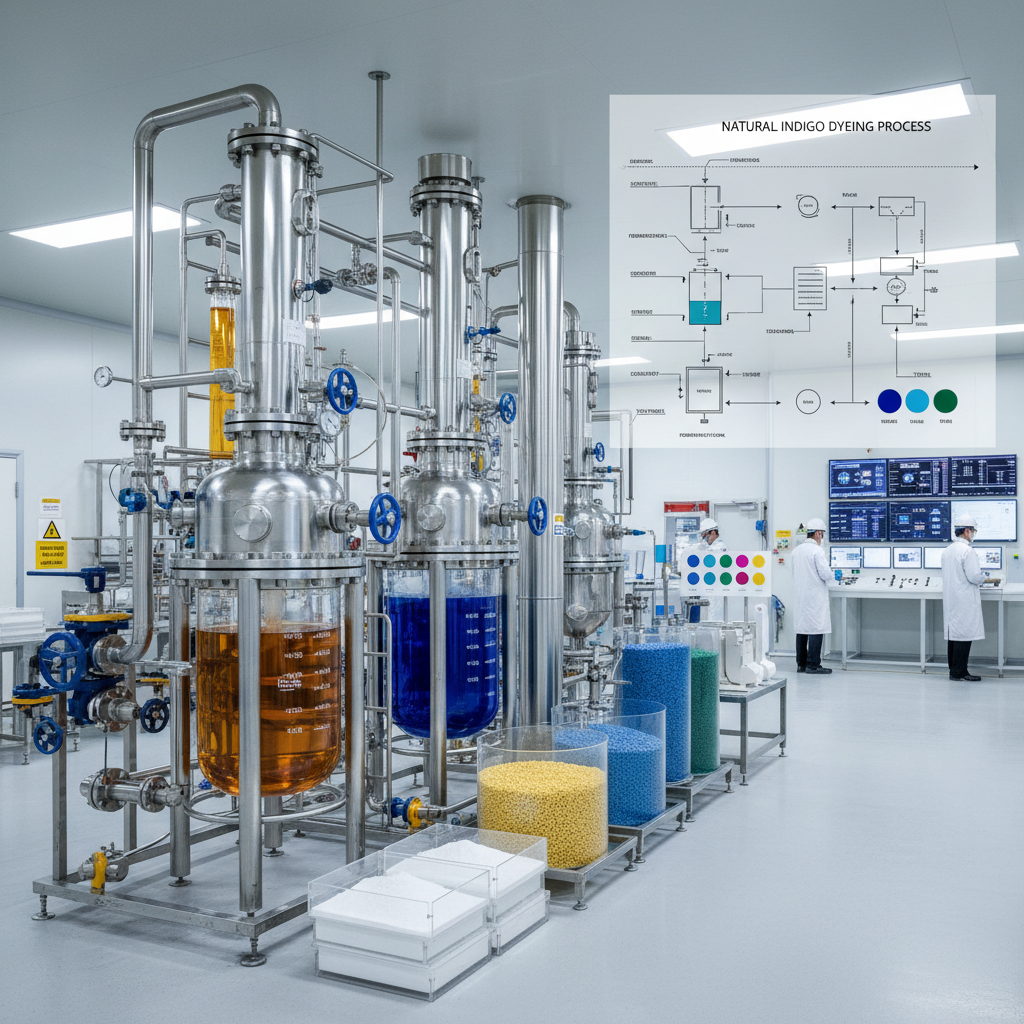
Several key factors underpin efficient and sustainable industrial indigo production. First, the purity of the indigo precursor, typically indoxyl, is crucial for achieving optimal color yield and minimizing unwanted byproducts. Second, the reduction process—converting insoluble indigo to its soluble leuco form—requires careful control of pH and reducing agents to ensure efficient dye uptake.
Third, the dyeing process itself, involving immersion of the fabric in the indigo bath, demands precise control over temperature, dwell time, and agitation for uniform coloration. Fourth, the subsequent oxidation step, restoring the indigo to its insoluble form within the fibers, is vital for colorfastness. Finally, wastewater treatment – removing residual indigo and reducing agents – is paramount for environmental compliance.
Industrial Indigo Production Efficiency Ratings
Global Applications and Use Cases
Beyond the ubiquitous denim industry, industrial indigo’s applications are surprisingly diverse. In textile printing, it's used to create intricate patterns and designs on a variety of fabrics. It also plays a role in the coloration of yarn, providing a consistent and durable blue hue. Furthermore, industrial indigo finds niche applications in the production of specialist papers and even artist paints.
In post-disaster relief operations, robust and easily identifiable materials are crucial. Indigo-dyed textiles can be used in the production of tarpaulins and shelters, offering both durability and visual distinctiveness. Similarly, in remote industrial zones where water conservation is paramount, innovative indigo dyeing technologies are being deployed to minimize environmental impact. The fashion industry's growing demand for sustainable materials also drives the development and adoption of eco-friendly indigo production methods.
Advantages and Long-Term Value
The advantages of utilizing high-quality industrial indigo are numerous. Cost-efficiency is a key benefit, particularly when considering large-scale production runs. Colorfastness and durability contribute to the longevity of dyed materials, reducing the need for frequent replacements. However, the true long-term value lies in the potential for sustainable practices.
Investing in greener indigo production methods not only minimizes environmental harm but also enhances brand reputation and consumer loyalty. This creates a positive feedback loop, driving further innovation and establishing a competitive advantage. The emotional and logical appeal of responsibly sourced materials resonates with increasingly conscious consumers, fostering trust and reinforcing ethical values.
Future Trends and Innovations in Industrial Indigo
The future of industrial indigo is inextricably linked to advancements in biotechnology and green chemistry. Bio-based indigo production, utilizing microorganisms to synthesize the dye, is gaining traction as a sustainable alternative to traditional methods. Digital printing technologies, combined with optimized indigo formulations, offer the potential for reduced water consumption and waste generation.
Automation and artificial intelligence (AI) are also poised to play a significant role, enabling precise control over dyeing processes and optimizing resource utilization. Moreover, the development of closed-loop systems, where wastewater is treated and recycled, is critical for minimizing environmental impact. The integration of blockchain technology can enhance transparency and traceability throughout the indigo supply chain.
These innovations align with the broader trend towards a circular economy, where materials are kept in use for as long as possible, reducing waste and minimizing environmental footprint. Policy initiatives promoting sustainable manufacturing and incentivizing the adoption of eco-friendly technologies will further accelerate these developments.
FAQS
Traditional methods often involve the use of harsh chemicals like sodium hydrosulfite, resulting in significant wastewater pollution. This wastewater can contain toxic substances harmful to aquatic ecosystems and human health. Furthermore, the sourcing of raw materials can contribute to deforestation and greenhouse gas emissions. Finding sustainable alternatives and implementing effective wastewater treatment are crucial for mitigating these environmental impacts.
Bio-based indigo utilizes microorganisms, such as bacteria, to produce indigo dye through fermentation processes, rather than relying on petroleum-based chemicals. This approach generally results in lower energy consumption, reduced chemical waste, and a smaller carbon footprint. While still evolving, bio-based indigo offers a promising pathway toward a more sustainable and environmentally friendly production method.
Indigo dyeing is traditionally a water-intensive process. Sustainable production focuses on minimizing water usage through techniques like foam dyeing, air dyeing, and the implementation of closed-loop water recycling systems. These methods significantly reduce the environmental impact and improve resource efficiency. Investing in water treatment technologies is also essential to ensure the responsible management of wastewater.
Indigo dye has excellent penetration and binding properties within the cotton fibers, creating a strong and lasting bond. This results in denim with exceptional colorfastness and durability, resisting fading and wear over time. Proper dyeing techniques and quality indigo formulations contribute to the longevity of the fabric, making it a popular choice for premium denim products.
Certifications like bluesign® and OEKO-TEX® Standard 100 verify that indigo dyes and production processes meet rigorous environmental and safety standards. The Global Organic Textile Standard (GOTS) also ensures sustainable practices throughout the entire textile supply chain, including indigo dyeing. ISO 14001 certification demonstrates a commitment to environmental management systems.
Consumers can support sustainable indigo production by choosing brands that prioritize environmentally responsible practices and transparent supply chains. Look for products with certifications like GOTS, bluesign®, or OEKO-TEX®. Supporting companies committed to reducing water usage, eliminating harmful chemicals, and promoting fair labor practices contributes to a more sustainable indigo industry.
Conclusion
In conclusion, industrial indigo remains a vital component of the global textile industry and beyond. Its journey from traditional plant-based origins to modern synthetic and bio-based production methods showcases a remarkable evolution driven by technological advancements and increasing environmental awareness. Embracing sustainable practices, from reducing water consumption to implementing closed-loop systems, is crucial for ensuring the long-term viability of this essential dye.
Looking ahead, continued innovation in biotechnology, digital printing, and automation holds immense promise for transforming the industrial indigo landscape. Investing in research and development, promoting policy initiatives that incentivize sustainable practices, and fostering collaboration across the value chain are essential steps towards building a more responsible and resilient indigo industry. Visit our website at wuxin-group.com to learn more about our commitment to sustainable solutions.