Natural indigo dyeing, a practice steeped in history and tradition, is experiencing a powerful resurgence globally. For millennia, cultures across the world – from Japan and India to West Africa and Peru – have relied on indigo-bearing plants to impart a rich, distinctive hue to textiles. Today, beyond its aesthetic appeal, natural indigo dyeing offers a compelling alternative to synthetic dyes, addressing growing concerns about environmental sustainability and health impacts. Understanding this ancient craft and its modern applications is crucial for industries seeking eco-friendly solutions, artisans preserving cultural heritage, and consumers demanding ethically produced goods. It’s about more than just color; it’s about a connection to the earth and a mindful approach to manufacturing.
The renewed interest in natural indigo dyeing isn’t just a niche trend – it’s a response to the detrimental effects of the synthetic dye industry. Synthetic dyes, largely derived from petroleum, contribute significantly to water pollution and pose health risks to workers and consumers alike. Regulations are tightening, and consumers are increasingly aware of these issues, creating a demand for cleaner alternatives. This demand is driving innovation in indigo extraction, fermentation, and dyeing techniques, making natural indigo a viable and increasingly competitive option for textile manufacturers. It’s not just about ticking a sustainability box; it’s about creating a truly responsible and resilient supply chain.
At its core, natural indigo dyeing is the process of using the indigo pigment extracted from plants – primarily Indigofera tinctoria – to color textiles. Unlike synthetic indigo, which is a chemically manufactured compound, natural indigo retains trace elements and subtle variations that contribute to its unique character and depth of color. It’s a slower, more labor-intensive process, but one that yields a fabric with a distinct vibrancy and a story woven into every fiber. The resurgence is driving a need for skilled artisans and a reevaluation of production models that prioritize quality and environmental stewardship over mass production.
The Global Revival of natural indigo dyeing
The demand for sustainably produced textiles is fueling a global resurgence of natural indigo dyeing. This isn’t just a trend in the fashion industry; it’s impacting home textiles, artisanal crafts, and even niche markets like natural dyeing for artists and hobbyists. We’re seeing increased interest from brands committed to transparency and traceability in their supply chains, as consumers demand to know where their clothes come from and how they’re made.
This revival is particularly strong in countries with a historical connection to indigo cultivation and dyeing, such as India, Japan, and several African nations. These regions are leveraging their traditional knowledge and adapting it to modern production techniques, creating unique and highly sought-after products. It's about reclaiming cultural heritage and offering an authentic alternative to mass-produced, synthetically dyed textiles.
Understanding the Environmental Impact
The environmental benefits of natural indigo dyeing are substantial. Synthetic indigo production relies heavily on petrochemicals and generates significant amounts of wastewater containing harmful chemicals like cyanide. This wastewater often pollutes rivers and ecosystems, impacting both human and environmental health. Natural indigo dyeing, on the other hand, utilizes a renewable resource and, when practiced responsibly, can minimize its environmental footprint.
However, it’s crucial to acknowledge that even natural dyeing isn't without its challenges. Indigo cultivation requires land and water resources, and improper waste management can still lead to pollution. Sustainable practices, such as organic indigo farming, water conservation, and responsible wastewater treatment, are essential to maximizing the environmental benefits of this ancient craft.
According to the UN Environment Programme, the textile industry is one of the most polluting in the world. The shift towards natural dyes like indigo represents a significant step towards mitigating this impact and promoting a more circular economy within the fashion and textile sectors. Data from the World Bank indicates a growing demand for sustainable textile solutions, driven by both consumer awareness and governmental regulations.
Defining Natural Indigo Dyeing
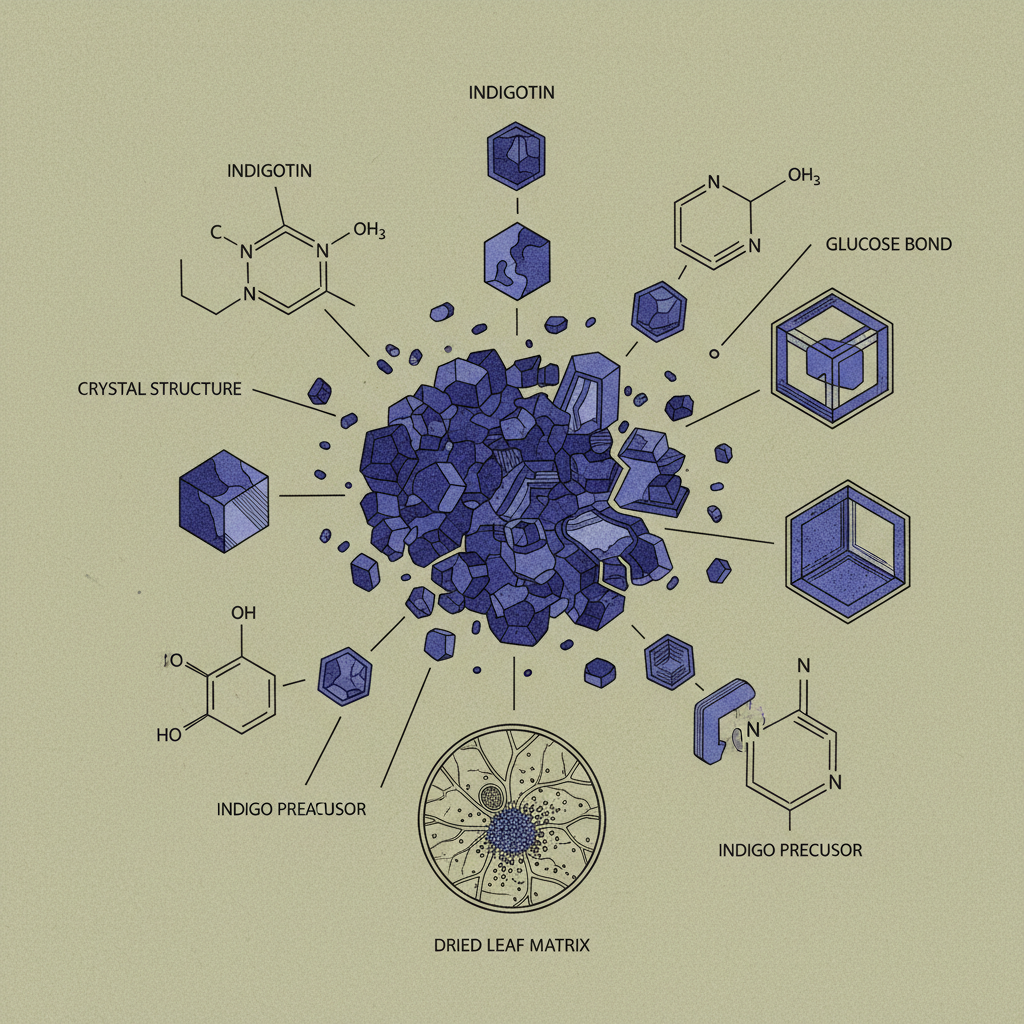
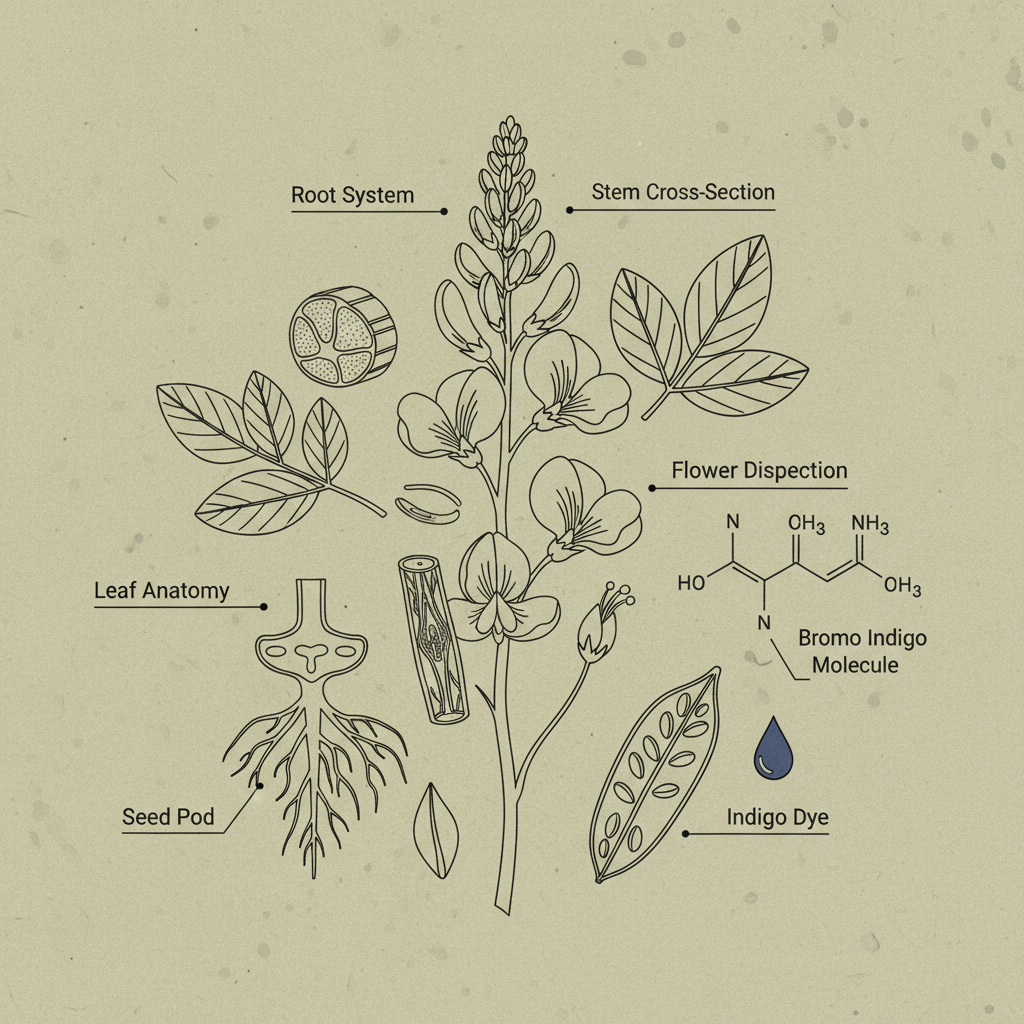
Simply put, natural indigo dyeing is the process of coloring textiles using the indigo pigment derived from plants, most commonly Indigofera tinctoria. The leaves of the indigo plant contain a precursor to the indigo dye, indican, which is released through a fermentation process. This fermentation transforms indican into indigo, which is then used to dye fabrics.
This differs significantly from synthetic indigo, which is created through a complex chemical process, often involving petroleum-based compounds. While synthetic indigo offers consistency and cost-effectiveness, it lacks the subtle nuances and historical depth of its natural counterpart. It’s important to understand that ‘indigo’ itself isn’t the problem, it’s how it’s produced.
The resurgence of natural indigo dyeing has broader implications for the textile industry. It’s driving a shift towards more sustainable and ethical production practices, and it’s fostering a renewed appreciation for traditional craftsmanship and artisanal skills. It connects to modern needs as consumers demand more transparency in product origins and environmentally sound options.
Key Factors in Achieving Quality natural indigo dyeing
Achieving consistent and high-quality results in natural indigo dyeing requires careful attention to several key factors. Firstly, the quality of the indigo source is paramount. Organic indigo, grown without pesticides or herbicides, yields a cleaner, more vibrant dye.
Secondly, the fermentation process is critical. Proper fermentation unlocks the indigo pigment and determines the depth and shade of color. Thirdly, the dyeing technique itself – whether it’s vat dyeing, ikat, or shibori – influences the final outcome. And finally, post-dyeing treatments, such as washing and fixing, are essential for ensuring colorfastness and durability.
Factors Impacting natural indigo dyeing Quality
Global Applications and Industry Adoption
Natural indigo dyeing is being adopted across a diverse range of industries. The fashion industry, particularly denim and workwear, is a major driver of demand. Brands are incorporating naturally dyed indigo into their collections to appeal to environmentally conscious consumers.
Beyond fashion, natural indigo is finding applications in home textiles, such as bedding, towels, and upholstery. Artisanal communities around the world are utilizing traditional indigo dyeing techniques to create unique and handcrafted products. In remote industrial zones where sustainable practices are limited, natural indigo dyeing offers a feasible alternative with minimal environmental damage.
Advantages and Long-Term Value Proposition
The advantages of choosing natural indigo dyeing extend beyond environmental sustainability. Naturally dyed fabrics often exhibit a unique depth of color and a softer hand feel compared to their synthetically dyed counterparts. There’s a perceived value associated with natural dyes, contributing to a higher price point and brand positioning.
From a long-term perspective, investing in natural indigo dyeing fosters resilience in the textile supply chain. It reduces dependence on volatile petrochemical markets and supports local economies in indigo-growing regions. The ethical and social benefits are also significant, promoting fair labor practices and preserving traditional crafts.
It’s about building a more responsible and transparent industry, one where consumers can trust that their clothes are made with respect for both people and the planet. That trust translates into brand loyalty and a long-term competitive advantage.
Future Trends and Innovation in natural indigo dyeing
Innovation in natural indigo dyeing is focused on several key areas. Researchers are exploring new methods for extracting indigo from plants, aiming to improve efficiency and reduce water consumption. Biotechnology is being used to develop indigo-producing microorganisms, potentially offering a sustainable and scalable alternative to traditional farming.
Digital printing technologies are also being adapted to work with natural indigo dyes, enabling greater design flexibility and precision. The integration of blockchain technology can enhance traceability in the supply chain, providing consumers with verifiable information about the origin and processing of indigo-dyed fabrics.
Furthermore, policy initiatives promoting sustainable textile production and incentivizing the use of natural dyes are expected to drive further adoption of natural indigo dyeing in the coming years. The convergence of these trends points towards a future where natural indigo plays a central role in a more sustainable and ethical textile industry.
Key Challenges and Solutions for Natural Indigo Dyeing
| Challenge |
Impact on Production |
Potential Solutions |
Implementation Cost (1-10) |
| Inconsistent Dye Yield |
Variations in color depth and shade. |
Optimized fermentation processes, standardized indigo extraction methods. |
6 |
| Water Usage |
High water consumption during dyeing and washing. |
Water recycling systems, low-water dyeing techniques. |
7 |
| Colorfastness |
Potential for fading with repeated washing. |
Improved fixing agents, optimized post-dyeing treatments. |
5 |
| Indigo Source Availability |
Limited supply of sustainably grown indigo plants. |
Promoting organic indigo farming, developing alternative indigo sources (biotechnology). |
8 |
| Labor Intensity |
Traditional dyeing methods are time-consuming and require skilled labor. |
Automation of certain dyeing processes, skills development programs. |
7 |
| Cost Competitiveness |
Natural indigo dyeing can be more expensive than synthetic alternatives. |
Government subsidies, increased consumer demand for sustainable products. |
6 |
FAQS
Natural indigo dyeing, when practiced responsibly, has a significantly lower environmental impact than synthetic indigo. Synthetic indigo production relies on petrochemicals and generates harmful wastewater containing cyanides. Natural indigo utilizes a renewable resource and, with proper water management and organic farming practices, minimizes pollution. The key difference lies in the source and the processing methods used to achieve the desired color.
The quality of the indigo plant is crucial. Organic indigo, grown without pesticides or herbicides, yields a purer and more vibrant dye. The indigo content in the leaves directly impacts the dye yield and the intensity of the color. Factors like growing conditions, harvest time, and storage methods also play a role in maintaining the quality and potency of the indigo.
Generally, natural indigo dyeing is more expensive than synthetic dyeing due to the labor-intensive processes and the lower yield of natural indigo. However, this cost is often offset by the higher perceived value of naturally dyed textiles, as consumers are willing to pay more for sustainable and ethically produced products. Government subsidies and increasing demand can also help to bridge the cost gap.
Ensuring colorfastness requires careful attention to post-dyeing treatments. Using appropriate fixing agents, thoroughly washing the fabric to remove excess dye, and employing UV protection can all help to improve color retention. Proper care instructions, such as washing in cold water and avoiding harsh detergents, are also essential for maintaining the vibrancy of naturally dyed fabrics.
Recent innovations include biotechnology to produce indigo through microbial fermentation, digital printing techniques adapted for natural dyes, and water recycling systems to minimize water usage. Blockchain technology is also being explored to improve traceability and transparency in the indigo supply chain. These advancements aim to make natural indigo dyeing more efficient, sustainable, and scalable.
Sourcing sustainable natural indigo requires careful research. Look for suppliers certified by organizations like GOTS (Global Organic Textile Standard) or those committed to fair trade practices. Consider working directly with indigo farmers in regions known for organic cultivation, such as India and Guatemala. Transparency in the supply chain is key to ensuring ethical and environmental responsibility.
Conclusion
Natural indigo dyeing represents a powerful convergence of tradition, sustainability, and innovation. As we’ve explored, it’s not simply about replicating a historical process, but about reimagining textile production in a way that respects both the environment and the people involved. The advantages – from reduced environmental impact to enhanced product quality – are compelling, and the growing demand for sustainable textiles is creating a fertile ground for this ancient craft to flourish.
Looking ahead, continued investment in research, technology, and sustainable sourcing practices will be critical to unlocking the full potential of natural indigo dyeing. By embracing innovation and fostering collaboration across the supply chain, we can build a more resilient and responsible textile industry that values both artistry and environmental stewardship. Visit our website at www.wuxin-group.com to learn more about how we’re leading the way in sustainable textile solutions.