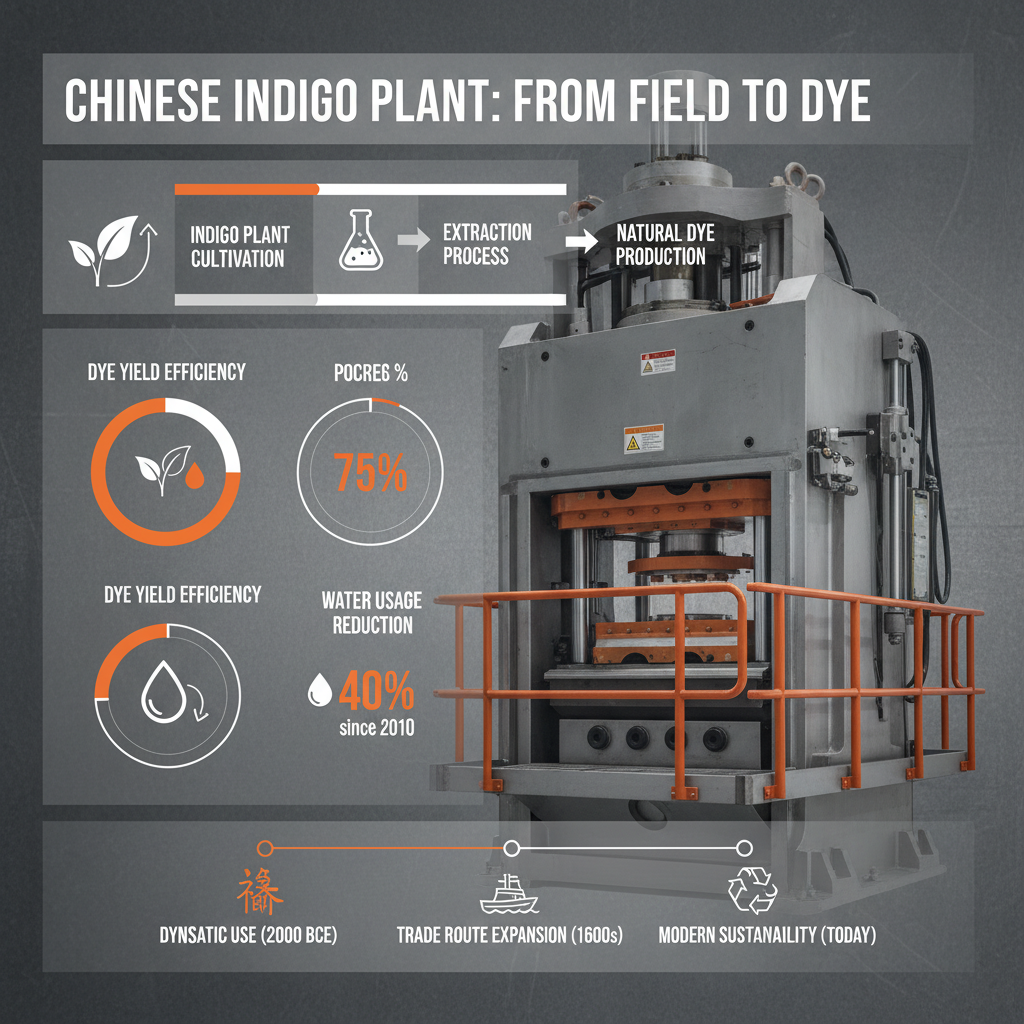
chinese indigo, a natural dye derived from the Indigofera tinctoria plant, has a rich history stretching back millennia. Originating in India and China, its use spread globally, becoming integral to textile production and cultural traditions worldwide. Today, interest in chinese indigo is experiencing a resurgence, driven by a desire for sustainable, natural alternatives to synthetic dyes and a renewed appreciation for artisanal craftsmanship. This revival is not merely nostalgic; it presents opportunities for economic development in indigo-producing regions and a reduced environmental footprint within the fashion industry.
The global textile industry is a major contributor to pollution, with synthetic dyes being a significant source of water contamination. chinese indigo offers a compelling alternative, being biodegradable and often produced using more environmentally friendly processes compared to synthetic counterparts. Furthermore, the cultivation of indigo plants can contribute to soil health and biodiversity, especially when practiced using regenerative agriculture techniques. The rising consumer demand for eco-friendly products is fueling the growth of the natural dye market, positioning chinese indigo as a key player in a more sustainable textile future.
Understanding the nuances of chinese indigo – from cultivation and processing to dyeing techniques and applications – is crucial for designers, manufacturers, and consumers alike. Its unique properties and historical significance offer a compelling story that resonates with a growing audience seeking authenticity and sustainability in their choices. This guide delves into the key aspects of chinese indigo, exploring its global relevance, advantages, future trends, and potential challenges.
The History and Origins of chinese indigo
The story of chinese indigo is interwoven with the history of textile arts across numerous cultures. Evidence of indigo dyeing dates back to ancient civilizations in India, China, and Egypt, with archaeological finds revealing indigo-dyed fabrics from as early as the 3rd millennium BCE. China, in particular, became a major center for indigo production and innovation, developing sophisticated techniques for cultivating the plant and extracting the dye. chinese indigo was a prized commodity along the Silk Road, traded extensively with the West.
For centuries, chinese indigo was the dominant blue dye globally. Its use extended beyond textiles, finding applications in art, body painting, and medicinal practices. While the advent of synthetic indigo in the late 19th century initially overshadowed natural indigo, a renewed focus on sustainability and natural materials is now driving a resurgence in the demand for traditionally produced chinese indigo. This revival is coupled with efforts to preserve and promote the traditional knowledge associated with its cultivation and dyeing.
Defining chinese indigo and its Modern Relevance
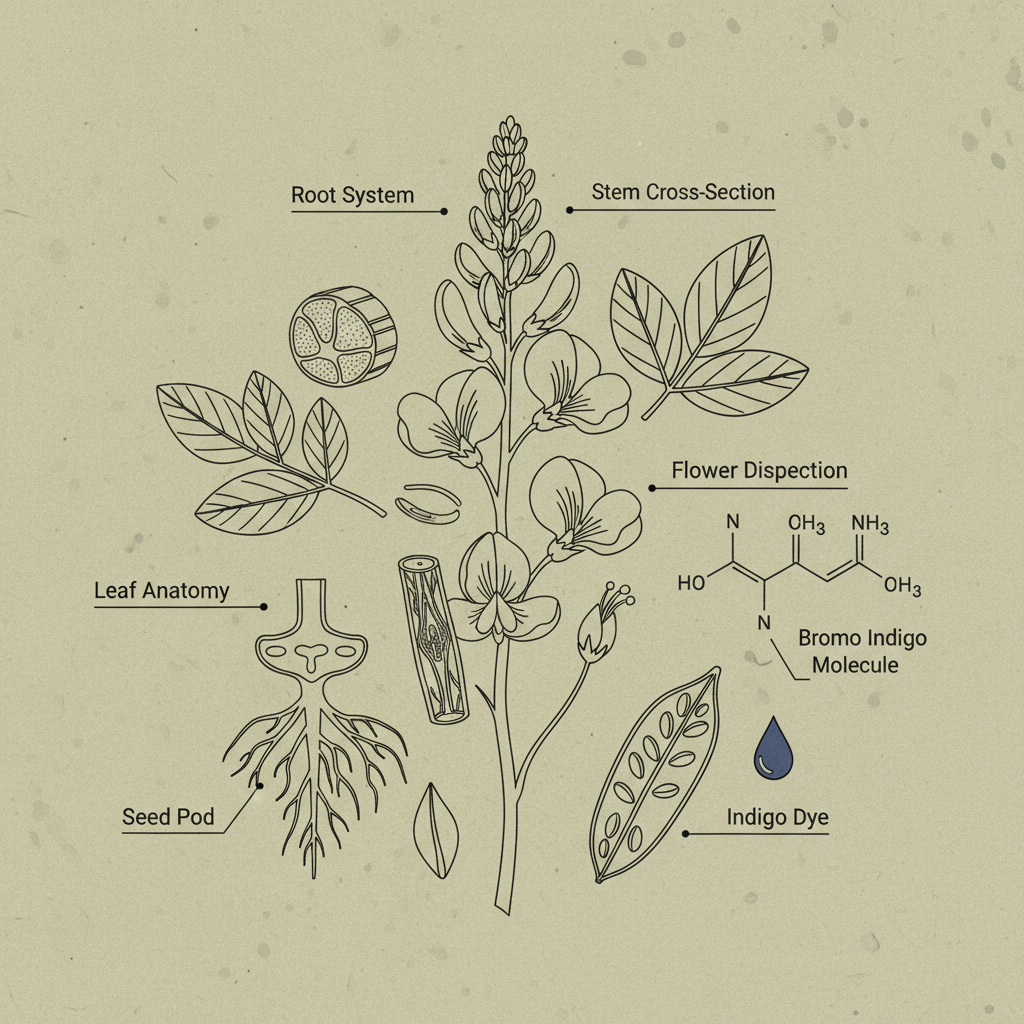
chinese indigo refers specifically to the indigo dye extracted from the Indigofera tinctoria plant, primarily cultivated in Asia, including China, India, and Indonesia. The dye molecule, indoxyl, is extracted from the plant's leaves through a fermentation process. This process relies on naturally occurring bacteria to break down the glycosides in the leaves, releasing the indoxyl, which is then oxidized into the insoluble indigo pigment. The resulting dye yields a rich, deep blue hue.
In modern industry, the demand for natural dyes like chinese indigo is increasing as brands and consumers seek more sustainable and ethical production practices. It directly addresses the environmental concerns associated with synthetic dyes, offering a biodegradable and less toxic alternative. This is particularly important in the fashion industry, which is under growing pressure to reduce its environmental impact.
Furthermore, the use of chinese indigo supports traditional agricultural practices and provides economic opportunities for farming communities in indigo-producing regions. The revitalization of indigo cultivation can contribute to rural development and preserve cultural heritage. Its relevance extends beyond aesthetics, offering a pathway toward a more responsible and circular textile economy.
Key Characteristics of High-Quality chinese indigo
The quality of chinese indigo is determined by several factors, including the plant variety, cultivation conditions, and the extraction process. High-quality indigo dye exhibits a deep, vibrant blue color with good colorfastness – meaning it resists fading when exposed to light, washing, and rubbing. The dye should also be free from impurities that can affect its color and performance.
The percentage of indigotin (the active coloring compound) within the dye significantly impacts its strength and vibrancy. Higher indigotin content translates to a more concentrated and potent dye. Skilled artisans can discern the quality of indigo through visual inspection, assessing its color depth, texture, and the clarity of the dye bath. Modern analytical techniques, such as spectrophotometry, can provide precise measurements of indigotin content and purity.
Another crucial aspect is the sustainability of the production process. Ethical chinese indigo sourcing prioritizes environmentally friendly cultivation practices, fair labor standards, and the preservation of traditional knowledge. Transparency throughout the supply chain is also vital, allowing consumers to trace the origin of the dye and ensure its authenticity.
Global Applications of chinese indigo in Textiles
chinese indigo finds diverse applications within the global textile industry, spanning from high fashion to artisanal crafts. Denim, arguably the most iconic indigo-dyed textile, remains a major consumer of indigo dye, although a growing percentage of brands are now seeking naturally dyed options. Beyond denim, chinese indigo is used to dye a wide range of fabrics, including cotton, linen, silk, and wool.
In regions like Japan, traditional indigo dyeing techniques, such as shibori (tie-dye) and kasuri (ikat), are highly valued and continue to thrive. These techniques create intricate patterns and textures, showcasing the versatility of chinese indigo. Similarly, in West Africa, indigo dyeing is an integral part of cultural traditions, with distinctive patterns and motifs passed down through generations.
chinese indigo Dyeing Techniques - Skill Level Required
Advantages and Sustainability of chinese indigo
The advantages of using chinese indigo are multifaceted. Environmentally, it’s a far more sustainable alternative to synthetic dyes, reducing water pollution and reliance on petrochemicals. Its biodegradability minimizes long-term environmental impact. Socially, it supports traditional farming communities and preserves valuable cultural heritage.
Economically, the growing demand for natural dyes presents opportunities for farmers and artisans in indigo-producing regions. The unique aesthetic qualities of chinese indigo, with its subtle variations in hue and texture, appeal to consumers seeking authentic and handcrafted products. These characteristics contribute to the value and longevity of indigo-dyed textiles.
Future Trends and Innovations in chinese indigo Production
Several exciting trends are shaping the future of chinese indigo production. Research is underway to improve indigo cultivation techniques, increasing yields and reducing the environmental impact of farming. Innovations in dye extraction methods, such as enzymatic extraction, are being explored to enhance efficiency and reduce energy consumption.
The development of standardized certification systems for natural indigo dyes is crucial for ensuring transparency and traceability throughout the supply chain. Digital platforms are emerging to connect indigo farmers directly with brands and consumers, fostering fair trade practices and supporting sustainable livelihoods.
Furthermore, the integration of biotechnology and synthetic biology holds potential for producing indigotin in a more controlled and sustainable manner, although this remains a topic of ongoing research and debate.
Challenges and Solutions in Scaling chinese indigo Use
Despite its many benefits, scaling up the use of chinese indigo faces several challenges. The limited supply of naturally grown indigo compared to synthetic alternatives can constrain production capacity. The cost of natural indigo dye is often higher than that of synthetic dyes, making it less competitive in price-sensitive markets.
Maintaining consistent dye quality and colorfastness can also be a challenge, particularly when relying on traditional extraction methods. Furthermore, ensuring fair labor practices and environmental sustainability throughout the supply chain requires robust monitoring and certification systems.
Summary of Key Challenges and Potential Solutions for Increased chinese indigo Adoption
| Challenge |
Impact on chinese indigo Adoption |
Potential Solution |
Implementation Difficulty (1-10) |
| Limited Supply |
Restricts production scalability |
Invest in expanding indigo cultivation areas & improve yields |
6 |
| Higher Cost |
Makes it less competitive |
Optimize extraction processes & explore government subsidies |
7 |
| Inconsistent Quality |
Affects reliability for manufacturers |
Implement standardized quality control measures & certifications |
5 |
| Supply Chain Transparency |
Difficult to verify sustainability claims |
Utilize blockchain technology for traceability & certification |
8 |
| Lack of Skilled Labor |
Challenges in maintaining traditional techniques |
Invest in training programs & knowledge transfer |
4 |
| Environmental Impact of Farming |
Potential for unsustainable agricultural practices |
Promote organic & regenerative indigo farming methods |
6 |
FAQS
The primary difference lies in their origin and environmental impact. Natural chinese indigo is derived from a plant, making it biodegradable and renewable. Synthetic indigo is produced from petrochemicals, contributing to pollution and fossil fuel dependence. Natural indigo often has more subtle shade variations, offering a unique aesthetic, while synthetic indigo provides consistent color. Natural indigo also supports traditional farming practices and ethical sourcing.
The extraction process is crucial. Traditional fermentation yields a complex dye rich in nuances, but can be less consistent. Modern techniques like enzymatic extraction aim for higher efficiency and purity. Improperly extracted indigo can contain impurities affecting colorfastness and shade. The skill and experience of the artisan are significant factors in maximizing quality and minimizing waste during the extraction phase.
Generally, yes. Natural chinese indigo is typically more expensive due to the labor-intensive cultivation, extraction, and processing involved. Synthetic indigo benefits from economies of scale and lower production costs. However, the rising demand for sustainable products and a willingness to pay a premium for ethical sourcing are gradually narrowing the price gap. Long-term, considering the environmental costs of synthetic dyes, natural indigo can be a more economically viable option.
Look for certifications that guarantee both the natural origin of the dye and ethical production practices. GOTS (Global Organic Textile Standard) is a good starting point, verifying organic fiber content and environmentally and socially responsible manufacturing. Fair Trade certifications ensure fair wages and working conditions for farmers and artisans. Look also for specific indigo certifications verifying source and purity.
Wash indigo-dyed textiles separately in cold water with a mild, pH-neutral detergent. Avoid using bleach or harsh chemicals. Hand washing or a gentle cycle is recommended. Line drying in the shade is preferable to machine drying. Indigo dye can initially release some excess dye during the first few washes, so rinsing thoroughly is important. Regular, careful washing will help preserve the vibrancy of the color.
The future looks promising. Researchers are exploring new applications beyond traditional textiles, including eco-friendly inks and pigments. Advances in biotechnology could enable sustainable production of indigotin without relying solely on plant cultivation. Increased consumer demand for natural and sustainable options will drive innovation in indigo dyeing techniques, potentially opening up new market opportunities and promoting a more circular textile industry.
Conclusion
chinese indigo represents more than just a color; it embodies a rich history, a commitment to sustainability, and a pathway towards a more ethical and responsible textile industry. Its journey from ancient traditions to modern applications highlights the enduring appeal of natural materials and the growing demand for environmentally conscious practices. Embracing chinese indigo supports biodiversity, preserves cultural heritage, and empowers farming communities.
Looking ahead, continued innovation in cultivation, extraction, and dyeing techniques will be crucial for scaling up the use of chinese indigo. Investing in research, promoting transparency throughout the supply chain, and fostering collaboration between farmers, artisans, and brands are essential steps. By embracing chinese indigo, we can contribute to a more vibrant, sustainable, and equitable future for the textile industry and beyond. Visit our website at www.wuxin-group.com to learn more.