
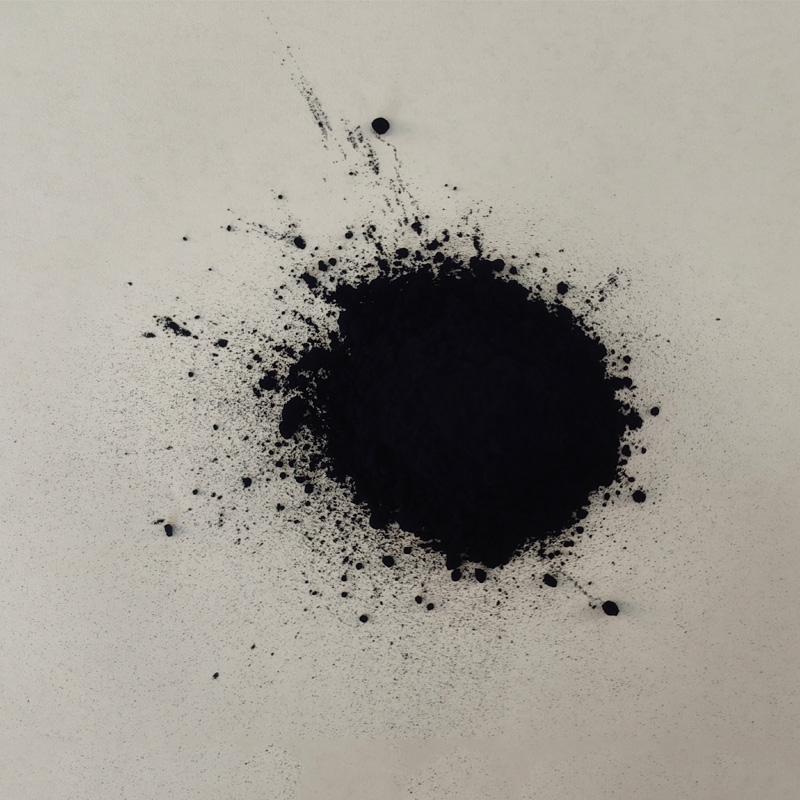
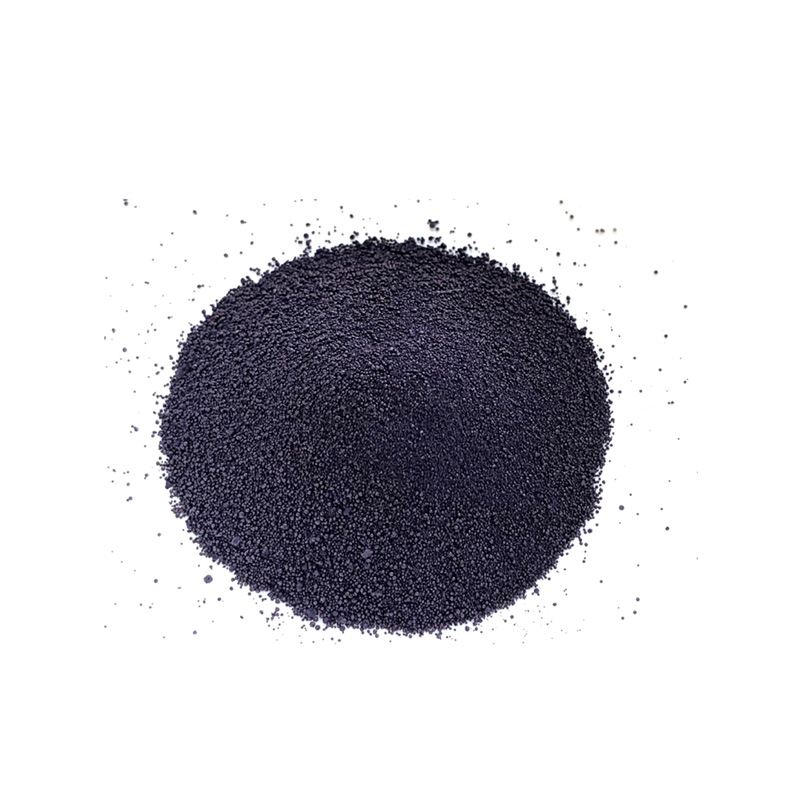
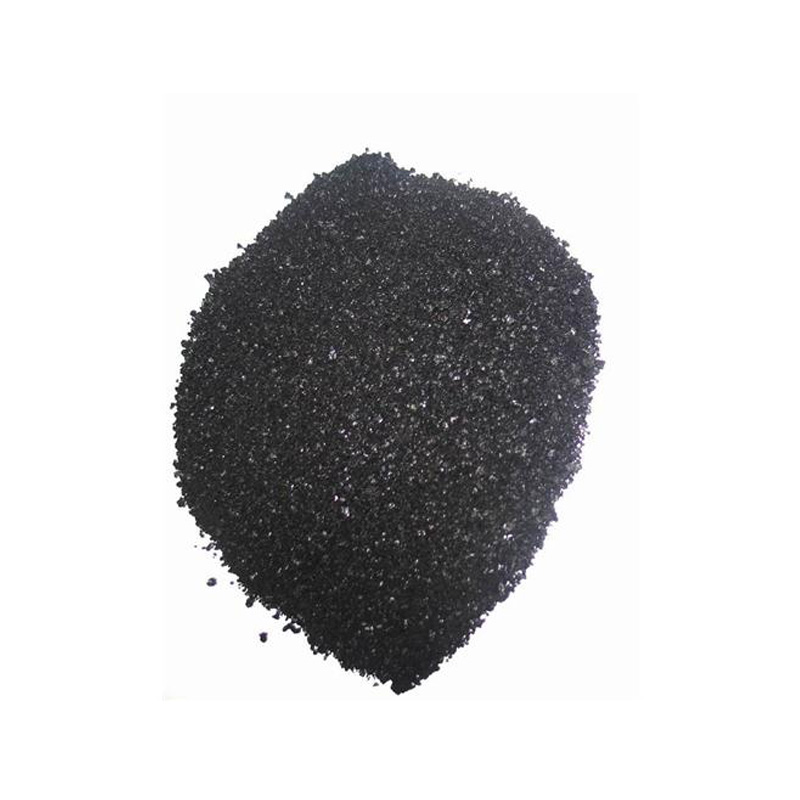
The Australian textile manufacturing landscape is currently defined by a rigorous shift towards sustainability and non-toxic chemistry. Local producers are increasingly demanding pure indigo dye to meet the growing consumer preference for eco-friendly fashion and high-end artisanal denim produced within the Oceania region.
Economically, the region faces high labor costs, pushing factories toward automation and high-concentration chemical inputs like bromo indigo powder to reduce processing time and water consumption. This efficiency is critical for maintaining competitiveness against Asian imports while adhering to strict Australian EPA regulations.
Furthermore, the industrial sector continues to rely on stable, high-density pigments. The demand for sulphur black dyes remains strong in the workwear and upholstery segments, where durability and resistance to harsh UV exposure from the Australian sun are non-negotiable requirements.