Advanced Dyeing Solutions for natural indigo denim in France

Providing high-purity chemical pigments and sustainable dyeing agents tailored for the French luxury textile and denim market.

Advanced Dyeing Solutions for natural indigo denim in France

Integrating high-performance chemistry with European textile artistry to deliver unmatched color depth and stability for the French fashion industry.

Current State of Dye Manufacturing in France

Analyzing the intersection of REACH regulations and luxury textile demands.

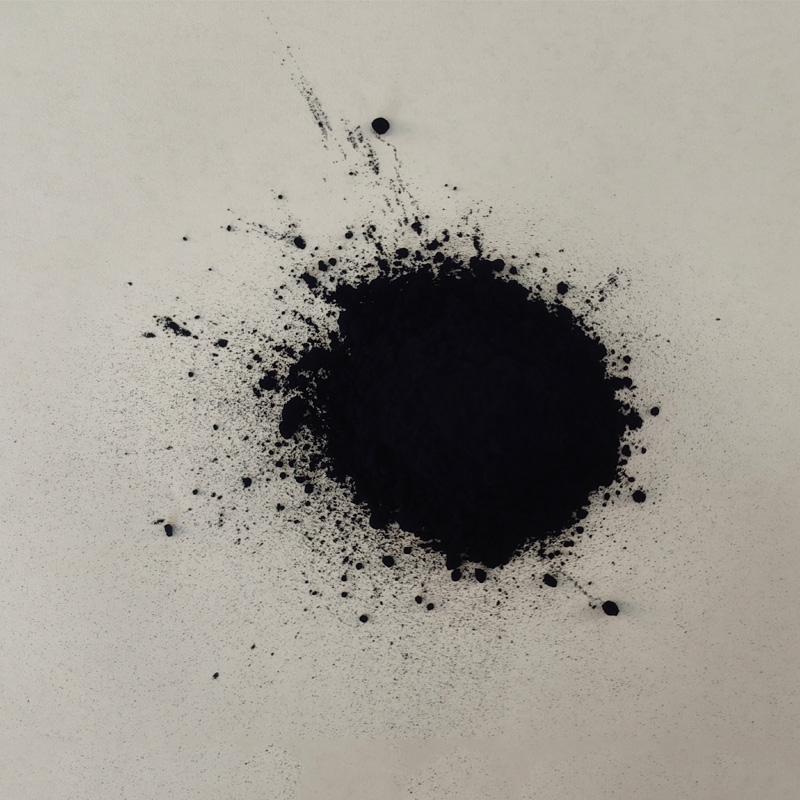
The French textile market is currently undergoing a rigorous transition toward "Green Chemistry." With the stringent enforcement of EU REACH regulations, manufacturers are shifting away from traditional heavy-metal based pigments toward pure indigo dye options that minimize environmental impact while maintaining the aesthetic standards of Haute Couture.

In regions like Lyon and the North of France, there is a renewed interest in artisanal denim production. This has led to a surge in demand for indigo source dye that can be integrated into closed-loop water recycling systems, reducing the chemical footprint of the dyeing process.

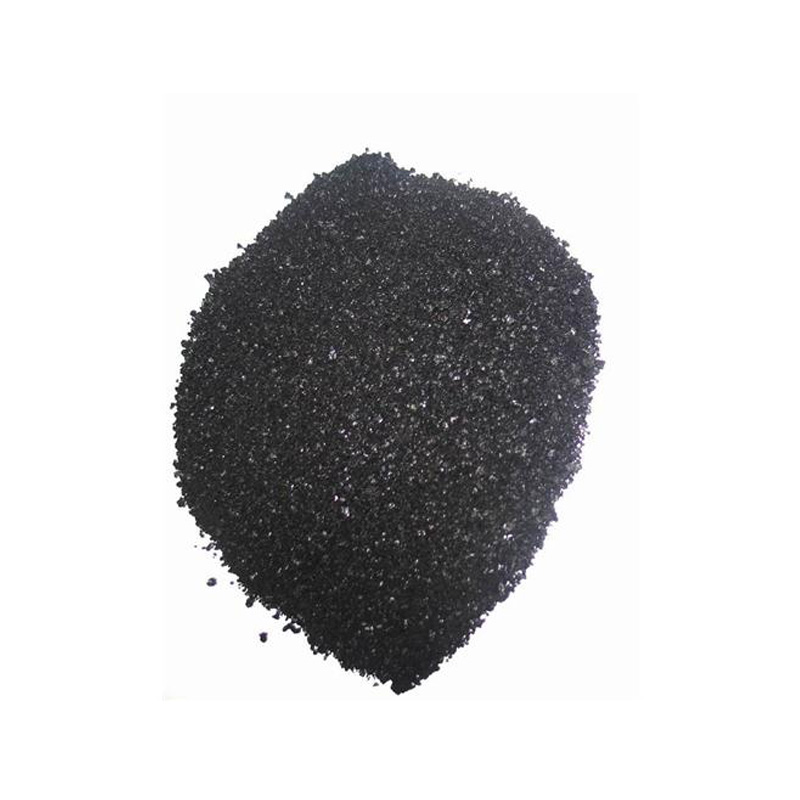
However, the industrial sector still relies heavily on stable, high-yield agents such as sulphur black dyes for high-contrast commercial apparel. The challenge for French manufacturers lies in balancing the cost-efficiency of synthetic dyes with the growing consumer preference for organic and sustainable alternatives.

Evolution of Dyeing Technology in Europe

From traditional vats to digital precision and molecular engineering.

Market Development History

Prior to the 1990s, the French dyeing industry relied primarily on large-scale chemical baths. The focus was on volume and uniformity, utilizing standard synthetic indigos that often resulted in significant effluent pollution.

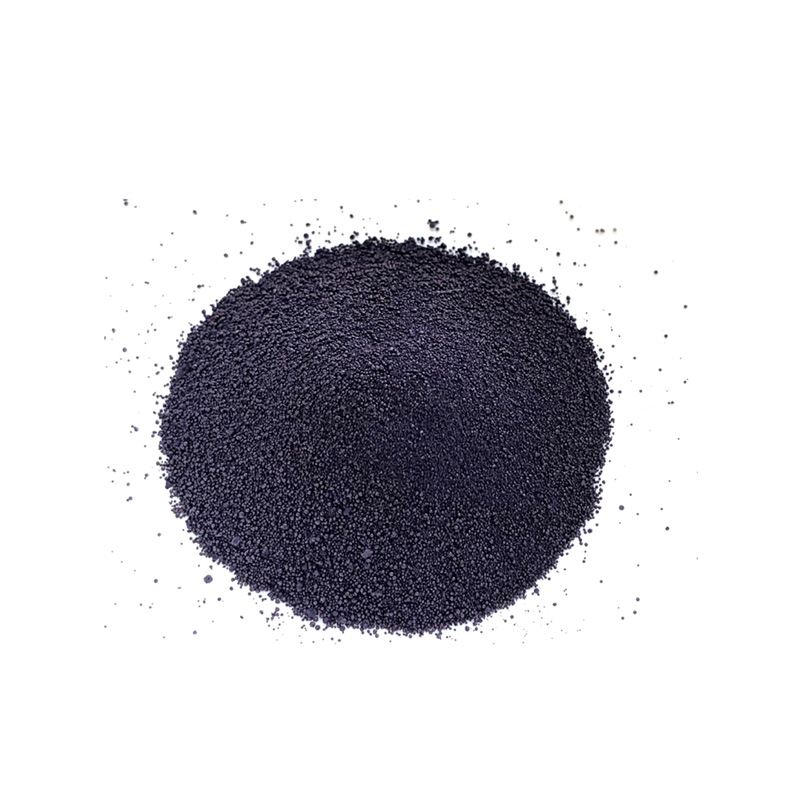
Between 2000 and 2015, the industry shifted toward "Precision Dyeing." The introduction of bromo indigo powder allowed for more controlled oxidation processes, enabling manufacturers to achieve specific shades of "vintage blue" more consistently across large batches.

From 2016 to the present, the focus has moved toward bio-synthetic hybrids. The integration of enzyme-assisted dyeing and electrochemical reduction has replaced harsh chemical reducing agents, aligning with the European Green Deal.

Future Development Trends

Digital Indigo Application

The shift toward inkjet-based indigo application will reduce water usage by 90%, requiring highly soluble and filtered dye particles.

Bio-engineered Pigments

Expect a rise in lab-grown indigo produced via fermentation, reducing the reliance on petrochemical precursors.

Circular Economy Integration

The implementation of dye-recovery systems that can extract and reuse sulfur and indigo molecules from waste streams.

Industry Trends and Future Outlook

Navigating the future of chemical coloration in the French market.

Eco-Cert Dyeing
Increasing demand for OEKO-TEX and GOTS certified chemicals in France.
Waterless Technology
Adoption of CO2 dyeing and foam application to eliminate liquid waste.
Smart Batching
AI-driven color matching to reduce waste during the sampling phase.
Molecular Stability
Developing dyes with higher light-fastness for luxury outdoor wear.

Industry Outlook

Google search trends indicate a significant spike in queries related to "sustainable denim" and "natural dye sourcing" within the EU market. This suggests that the future of the industry in France is not just about color, but about the provenance of the chemistry.

We anticipate a consolidation of the market where only those providers who can offer full transparency in the supply chain of their dyes—from raw material to final powder—will maintain their competitive edge in the European Union.

Localized Applications in the French Market

Real-world deployment of premium dyes in diverse textile sectors.

01. Luxury Denim Atelier in Paris

High-end boutiques using pure indigo dye to create bespoke, deep-blue denim pieces with a natural fade characteristic highly prized by luxury collectors.

02. Industrial Workwear in Northern France

Manufacturing of durable, bleach-resistant overalls using high-concentration sulphur black dyes for extreme color fastness in harsh chemical environments.

03. Eco-Textile Startups in Lyon

Utilizing natural indigo denim techniques to produce organic cotton apparel that meets the "Made in France" ecological certification.

04. Vintage Re-production Houses

Employing bromo indigo powder to recreate specific 1950s denim shades for historical reproduction garments.

05. Specialized Textile Research Centers

Using high-grade indigo source dye for testing new electrochemical reduction methods to eliminate hydrosulfite use.

Brand Story

Global Development Journey of Anping Wuxin Chemical Dye Co., Ltd.

Foundational Excellence

Established with a mission to solve the purity gap in industrial dyeing, we began by refining the molecular structure of basic pigments.

Technological Breakthrough

Developed advanced stabilization techniques for indigo powders, reducing oxidation waste by 15% for our global clients.

European Market Expansion

Aligned our production lines with EU REACH standards to enter the French and Italian luxury textile markets.

Sustainability Pivot

Invested in bio-based precursors to help our partners transition to more sustainable denim production.

Global Leadership

Now serving as a primary supplier for high-purity dyes, blending industrial power with ecological responsibility.

Complete Product Portfolio for the French Textile Industry

Precision-engineered dyes for every requirement from luxury fashion to industrial wear.

Frequently Asked Questions - France Market

Technical guidance and compliance information for professional dye users.

How does bromo indigo powder differ from standard synthetic indigo?

Bromo indigo powder offers enhanced solubility and more predictable oxidation rates, which is essential for achieving consistent shades in French high-fashion denim.

Are your sulphur black dyes compliant with EU REACH regulations?

Yes, all our sulfur-based dyes are manufactured under strict purity controls to ensure they meet the current chemical safety requirements of the European Union.

What is the best way to apply pure indigo dye for a vintage look?

For a vintage effect, we recommend a multi-dip process with controlled oxidation intervals, utilizing our high-purity pigments to ensure a gradual and natural fade.

Can natural indigo denim be produced on an industrial scale?

Yes, by using standardized indigo source dye concentrates, manufacturers can maintain the organic appeal of natural indigo while utilizing industrial dyeing machinery.

What is the shelf life of indigo source dye in humid climates?

When stored in airtight, UV-protected containers, our indigo source dyes maintain full potency for up to 24 months, regardless of local humidity.

How do I reduce water consumption when using sulphur black dyes?

We suggest implementing a counter-current rinsing system and using our optimized low-salt dye formulations to reduce total water throughput.

Connect With Our Chemical Experts

Ready to upgrade your textile production with sustainable chemistry? Contact us for customized solutions in France.

Contact Us Now

If you are interested in our products, you can choose to leave your information here, and we will be in touch with you shortly.