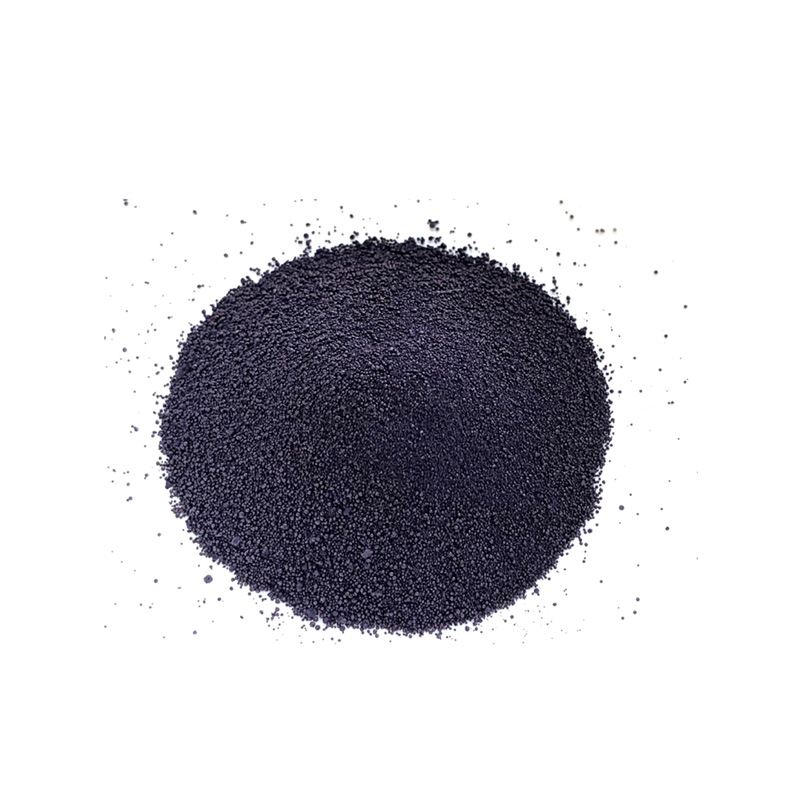
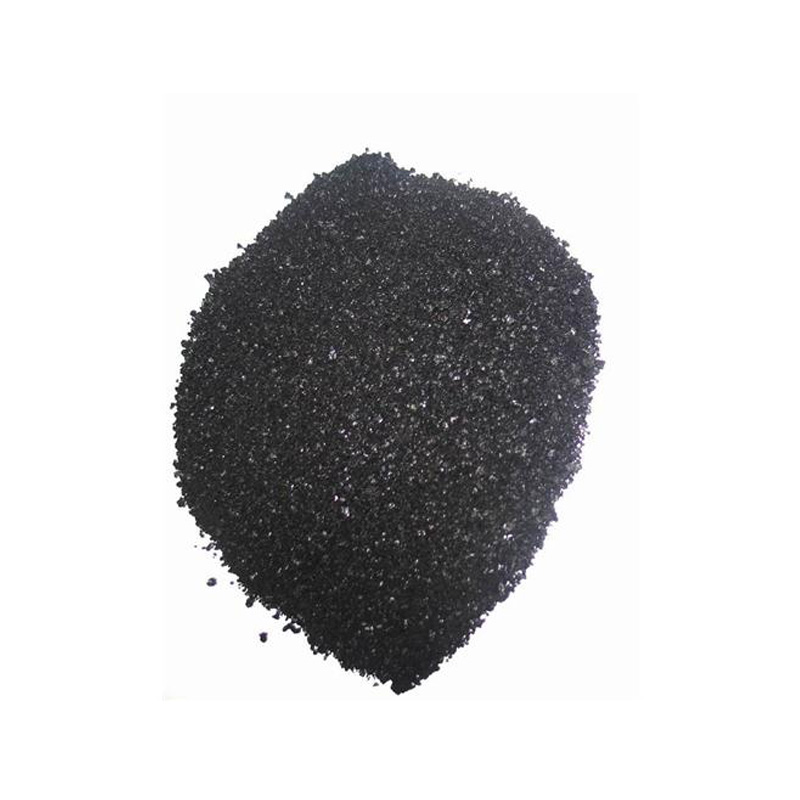
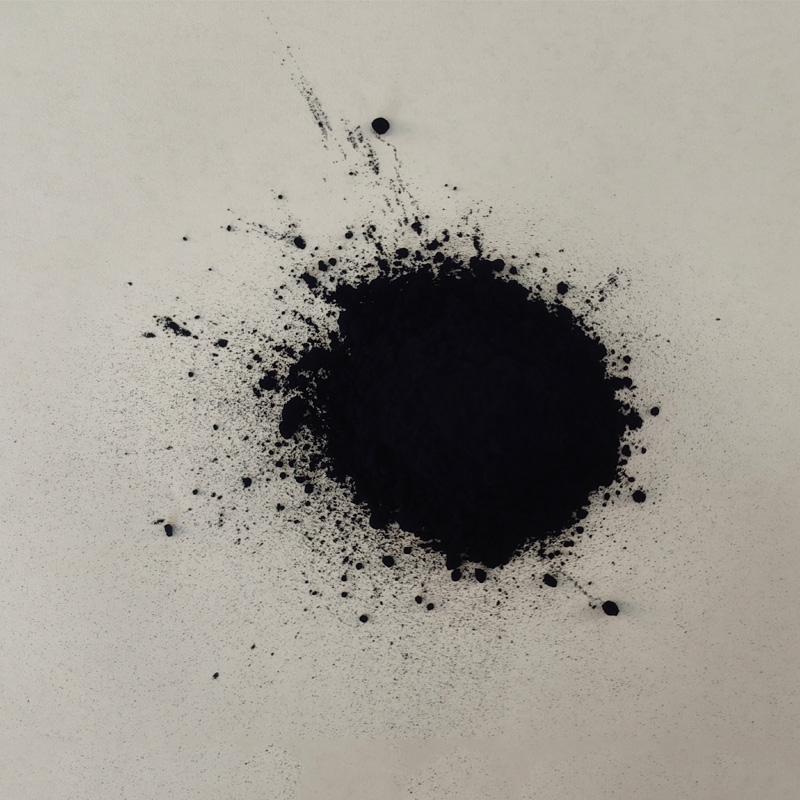
Advanced Dyeing Solutions for Rwanda with pure indigo dye

Empowering Rwandan textile manufacturers with high-purity chemical pigments and sustainable indigo source dyes for the African fashion market.

Advanced Dyeing Solutions for Rwanda with pure indigo dye

Providing the Rwandan textile industry with a comprehensive portfolio of industrial dyes, from traditional sulphur black to high-performance synthetic indigos, ensuring color consistency and fabric durability.

Current State of Dyeing Industry in Rwanda

Analyzing the intersection of chemical raw materials and the growing garment sector in Kigali and surrounding regions.

The textile landscape in Rwanda is currently undergoing a transition from artisanal craft to industrial scale. Many local workshops still rely on inconsistent pigment sources, creating a high demand for stable indigo source dye to standardize denim production for the domestic market.

Rwanda's unique highland climate and focus on sustainable "Made in Rwanda" initiatives have pushed manufacturers toward more efficient chemical processes. However, the scarcity of specialized sulphur black dyes often leads to supply chain bottlenecks, affecting the production of dark-wash workwear and uniforms.

With the government's push for industrialization, there is an emerging shift toward high-performance chemicals. The introduction of bromo indigo powder is becoming critical for factories seeking deeper penetration and faster fixation rates to meet international export standards.

Evolution and Trajectory of Rwandan Dyeing Technology

From organic plant-based extraction to the precision of modern organic pigment manufacturing.

Market Development History

Historically, Rwanda's dyeing sector was dominated by traditional botanical extracts. Before 2010, most "denim" effects were achieved through rudimentary fermentation, which lacked the scalability required for industrial growth.

Between 2012 and 2020, the market saw an influx of imported synthetic powders. This era marked the transition to natural indigo denim aesthetics produced via synthetic means, allowing for the mass production of uniforms and casual wear.

Since 2021, the focus has shifted toward "Precision Dyeing." The adoption of standardized chemical ratios and the integration of high-purity organic pigments have enabled Rwandan factories to achieve global color-fastness standards.

Future Development Trends

Sustainable Chemical Integration

The trend is moving toward low-water consumption dyeing processes, utilizing concentrated powders to reduce the ecological footprint in Rwanda's water basins.

Digital Color Matching

Integration of AI-driven color formulas will replace manual mixing, ensuring that every batch of indigo powder achieves the exact shade required by luxury buyers.

Eco-Certified Raw Materials

Increasing demand for GOTS-certified dyes will drive the market toward biodegradable chemical carriers and non-toxic fixing agents.

Industrial Trends and Future Outlook

Strategizing the next 5 years of chemical pigment application in East Africa.

Circular Economy Shift
Adopting closed-loop water systems to recycle dye baths and reduce chemical waste in Rwanda's manufacturing zones.
High-Fixation Chemistry
Transitioning to advanced molecular bonds that reduce the need for multiple dipping cycles in denim production.
Hybrid Dyeing Tech
Blending traditional organic aesthetics with synthetic stability for the "Afro-modern" fashion movement.
Supply Chain Digitization
Implementing real-time tracking for chemical shipments to ensure zero-downtime for Rwandan garment factories.

Industry Outlook

Based on search trends in East Africa, there is a significant rise in queries regarding "sustainable denim dyes." We predict that the Rwandan market will pivot toward high-purity, low-impact chemical agents that mimic the look of natural dyes but offer industrial durability.

Furthermore, as Rwanda positions itself as a regional logistics hub, the demand for versatile products like bromo indigo powder will scale, serving as a primary raw material for the broader Great Lakes region's textile revival.

Localized Application Scenarios in Rwanda

Practical implementation of high-grade dyes in Rwandan industrial and creative sectors.

01. Kigali Industrial Denim Production

Factories in Kigali's industrial zones utilize concentrated indigo powders to produce high-volume denim fabrics for corporate uniforms, requiring extreme rub-fastness.

02. High-End Fashion Boutiques

Local designers are integrating natural indigo denim styles for luxury African wear, blending traditional silhouettes with modern synthetic stability.

03. Military and Security Apparel

The production of deep-black tactical gear in Rwanda relies on the consistent depth and light-resistance provided by professional sulphur black dyes.

04. Artisanal Textile Cooperatives

Small-scale cooperatives in rural provinces are transitioning from unstable plant dyes to standardized source dyes to ensure batch-to-batch consistency for export.

05. Sustainable Footwear Manufacturing

Canvas shoe manufacturers are adopting pure organic pigments to create vibrant, long-lasting colors that withstand the tropical humidity of the region.

Brand Story

Global Development Journey of Anping Wuxin Chemical Dye Co., Ltd.

The Foundation of Quality

Established with a mission to solve the inconsistency of industrial pigments, we began by refining the purity of basic indigo components.

Technological Breakthrough

We pioneered advanced synthesis methods that reduced heavy metal residues, making our dyes safer for both the worker and the environment.

Global Expansion Phase

Expanding beyond Asia, we identified the specific needs of African markets, optimizing our formulas for different water hardness and climate conditions.

Commitment to Sustainability

We integrated green chemistry into our core, ensuring our high-performance powders meet the strictest international ecological standards.

Empowering Local Industry

Today, we focus on providing Rwandan manufacturers with the tools to compete globally, bridging the gap between raw chemistry and fashion art.

Comprehensive Product Portfolio for Rwanda

A curated selection of chemical agents designed for the specific requirements of the Rwandan textile climate.

Common Questions for Rwanda Dyeing Industry

Technical support and procurement guidance for local manufacturers.

How to optimize bromo indigo powder for high-humidity climates in Rwanda?

To ensure maximum stability, we recommend adjusting the reduction agent ratio and maintaining a consistent temperature during the dyeing cycle to prevent premature oxidation.

Which sulphur black dyes provide the best light-fastness for African outdoor wear?

Our industrial-grade sulphur blacks are engineered with UV-resistant stabilizers, making them ideal for the intense sunlight exposure typical in Rwanda.

Can pure indigo dye be used for small-scale artisanal production in Kigali?

Yes, our pure indigo is highly soluble and can be adapted for small-batch vats, provided the proper reducing agents are used for activation.

What is the difference between indigo source dye and natural extracts?

While natural extracts vary by crop, our source dyes provide a chemically standardized output, ensuring that every meter of fabric is identical in shade.

How to achieve a natural indigo denim look with synthetic powders?

By utilizing a layered dipping technique and controlled oxidation, our synthetic powders can perfectly replicate the unique ring-dyeing effect of organic indigo.

What are the shipping lead times for chemical dyes to Rwanda?

We optimize logistics through major East African ports, ensuring streamlined customs clearance and timely delivery to your facility in Rwanda.

Consult Our Dyeing Experts

Ready to elevate your textile quality in Rwanda? Our technical team is standing by to provide custom formulas and bulk pricing.

Contact Us Now

If you are interested in our products, you can choose to leave your information here, and we will be in touch with you shortly.