
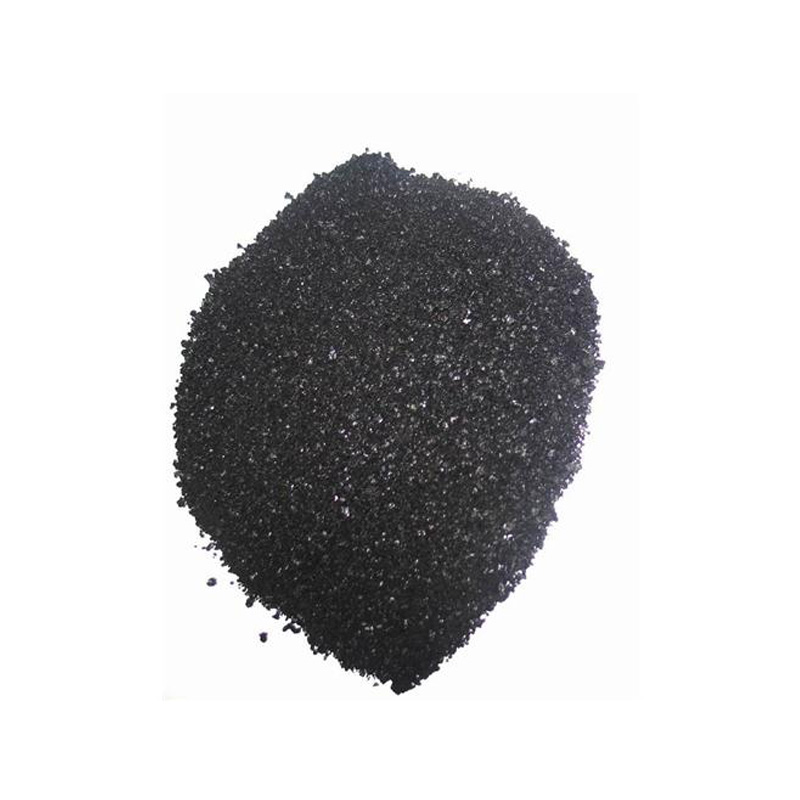
In South Sudan, the textile sector is currently characterized by a heavy reliance on imported dyes. The extreme humidity and temperature fluctuations in the region pose significant challenges for the stability of sulphur black dyes, often leading to premature fading if the chemical purity is not strictly controlled.
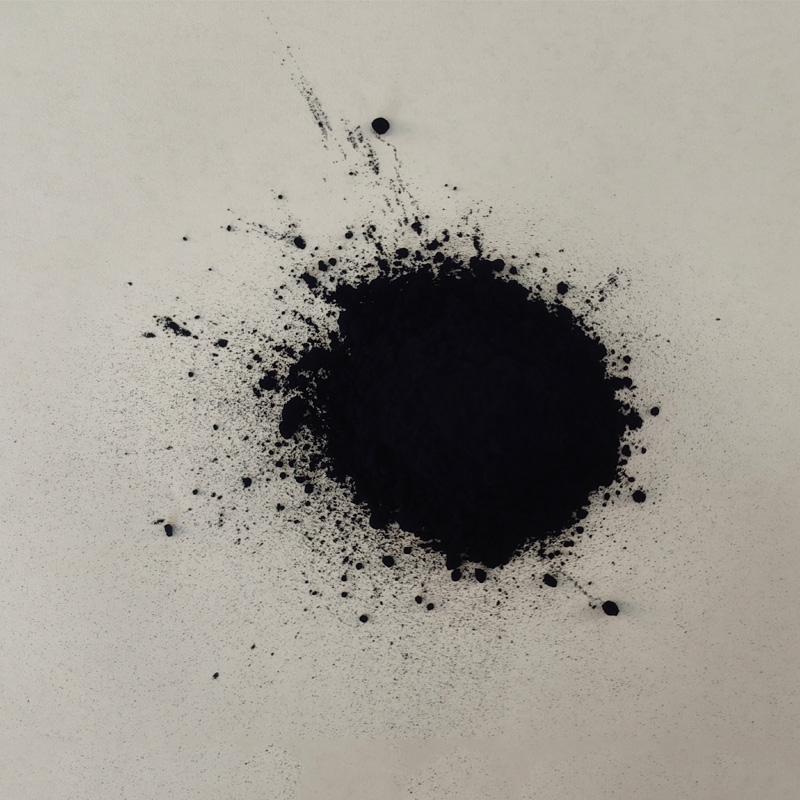
The local market is seeing a shift toward industrialization in Juba and surrounding areas. However, the lack of localized chemical processing means that the procurement of a reliable indigo source dye is critical for small to medium-scale denim workshops aiming for international quality standards.
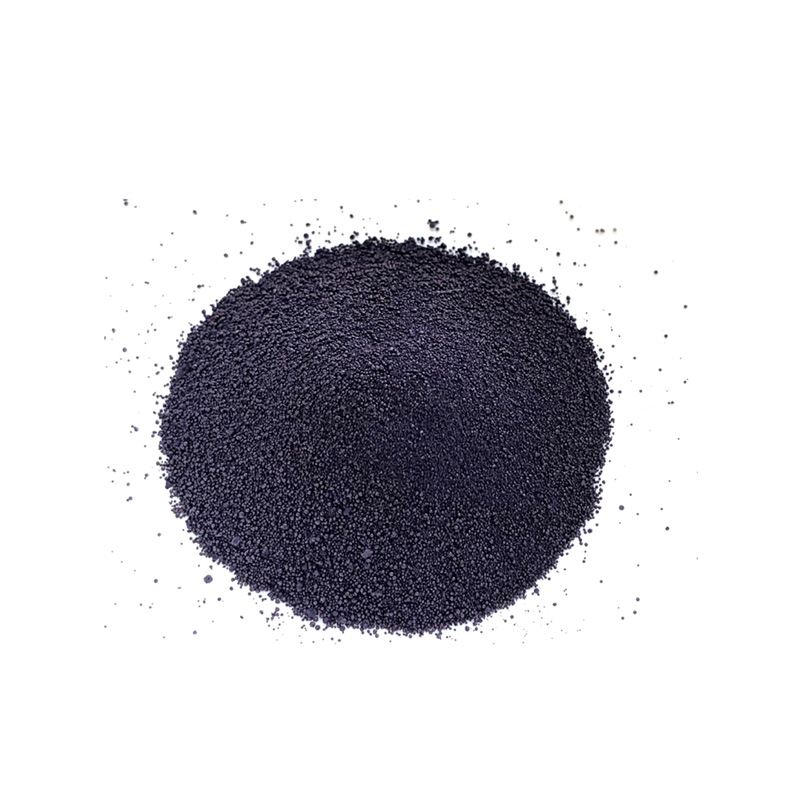
Environmental factors and the need for water-efficient dyeing are becoming prominent. As South Sudan develops its manufacturing base, there is an urgent demand for high-solubility powders like bromo indigo powder to reduce waste and improve the consistency of fabric coloration.