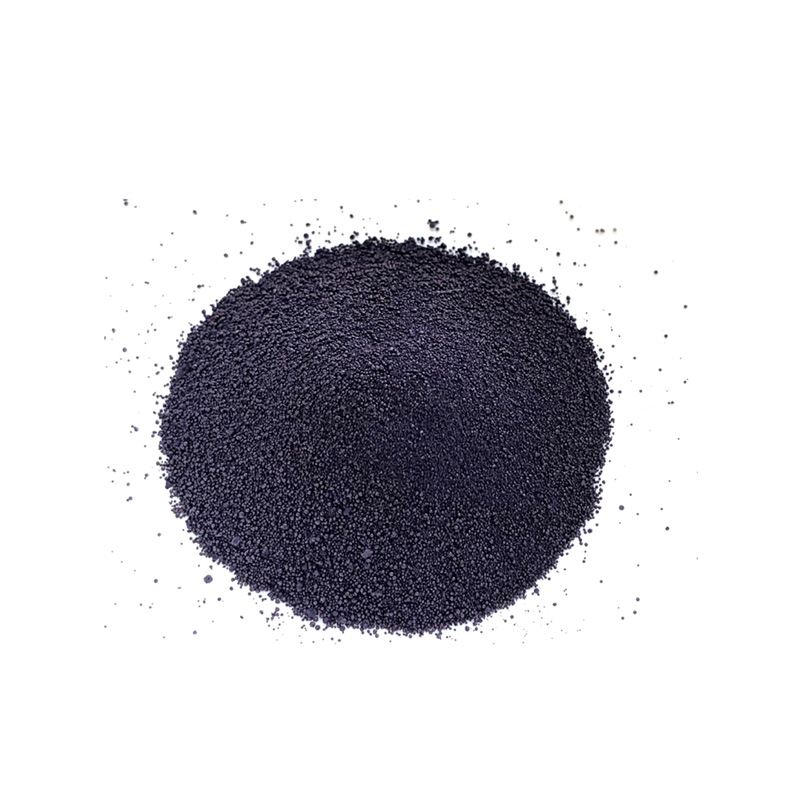
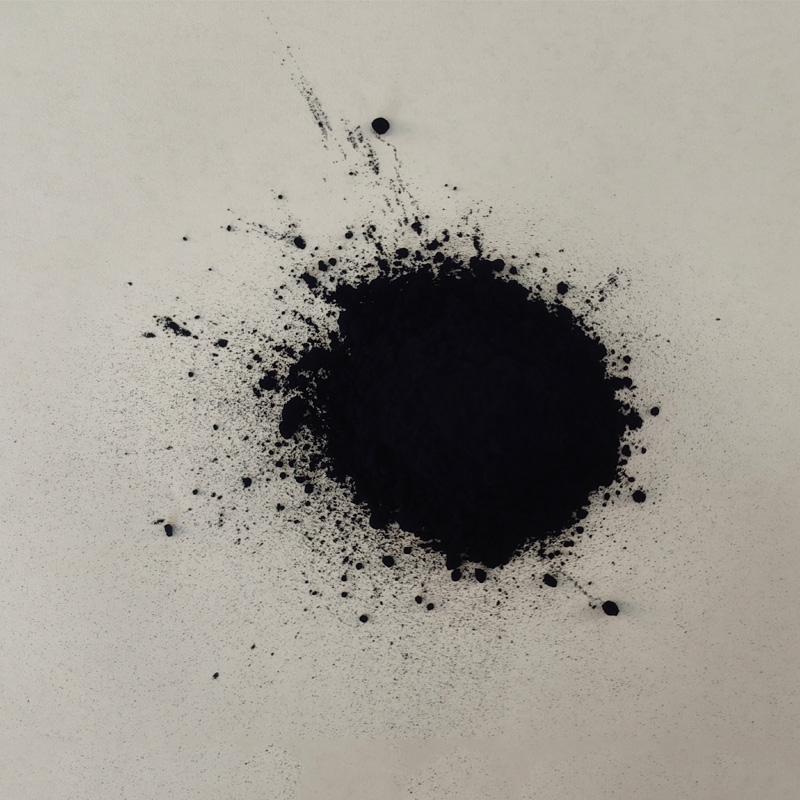
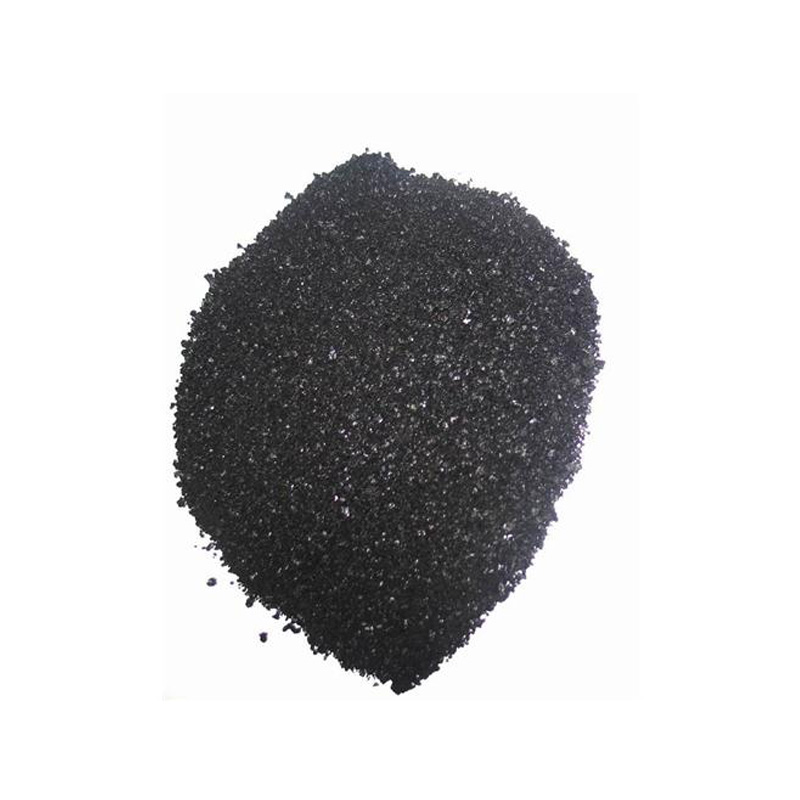
Advanced sulphur black dyes Solutions for Bangladesh Textiles

High-performance dyeing solutions engineered for the unique humidity and fabric requirements of the Bangladeshi garment industry.

Advanced sulphur black dyes Solutions for Bangladesh Textiles

Optimizing color fastness and sustainable application for the heart of Asia's denim and garment manufacturing hub.

Current State of Dyeing Industry in Bangladesh

Navigating the balance between massive production scales and environmental regulations.

Bangladesh stands as a global powerhouse for RMG (Ready-Made Garments), where the demand for pure indigo dye remains critical for the vast denim sector. The local industry faces a dual challenge: maintaining high-speed throughput while adhering to increasingly strict ZDHC (Zero Discharge of Hazardous Chemicals) standards.

The tropical climate and high humidity of the region significantly affect the curing and drying processes of bromo indigo powder, often leading to inconsistencies in shade if the chemical purity is not tightly controlled. This has led to a shift toward more stable, prefabricated dye sources.

Economically, the market is transitioning from low-cost, generic chemicals to specialized indigo source dye options that reduce water consumption and effluent treatment costs, ensuring long-term viability for export-oriented factories.

Evolution of Textile Dyeing Technology

From artisanal pits to automated digital dyeing systems.

Market Development History

In the early 2000s, the Bangladeshi market relied heavily on traditional vat dyeing methods and basic sulphur dyes, focusing primarily on volume rather than precision or environmental impact.

Between 2010 and 2020, there was a technical pivot toward the adoption of natural indigo denim processing to meet the "Eco-friendly" demands of European and North American brands, introducing more sophisticated reduction agents.

From 2021 onwards, the integration of automated dosing systems has minimized human error, allowing for the precise application of concentrated dye powders to achieve consistent deep blacks and indigos across millions of units.

Future Development Trends

Bio-Synthetic Hybridization

Integrating biological catalysts to reduce the chemical load required for fixing dyes on cotton fibers, reducing the reliance on harsh reducing agents.

Closed-Loop Water Recovery

The adoption of membrane filtration to recover unused dye molecules from the effluent, directly lowering the cost per kg of dyed fabric.

Digital Shade Prediction

Using AI-driven spectral analysis to predict the final shade of sulphur black dyes based on water hardness and temperature fluctuations common in local factories.

Industry Outlook and Future Horizons

Strategic directions for the next 3-5 years in the chemical sector.

Sustainable Sourcing
Shift toward certified organic precursors to meet Global Organic Textile Standard (GOTS) requirements.
Low-Liquor Ratio
Implementing new chemical formulations that allow high exhaustion at lower water levels.
Energy-Efficient Fixing
Developing dyes that require lower temperature fixing to reduce the carbon footprint of steam boilers.
Smart Logistics
Just-in-time delivery of customized dye blends to reduce hazardous chemical storage on-site.

Industry Outlook

Based on Google search trends for "sustainable denim" and "eco-dyeing" in Southeast Asia, there is a sharp increase in demand for natural indigo denim alternatives. We predict that by 2027, 30% of Bangladesh's export volume will require documented low-impact chemical certifications.

The industry will move away from bulk commodity powders toward high-purity, specialized solutions that offer predictable results, reducing the "re-dye" rate which currently costs the local industry millions in lost productivity.

Local Application Scenarios in Bangladesh

Real-world deployment of dye solutions in the garment hubs of Gazipur and Narayanganj.

01. High-Volume Denim Export Production

Utilizing pure indigo dye in continuous dyeing ranges to ensure uniform shade consistency across thousands of meters of denim fabric for global retail brands.

02. Premium Eco-Label Collections

Applying natural indigo denim techniques for sustainable capsule collections, focusing on reduced chemical toxicity and biodegradable waste.

03. Industrial Workwear Dyeing

Deployment of heavy-duty sulphur black dyes for durable work clothes and uniforms, ensuring high rub-fastness and resistance to industrial washing.

04. Specialized Denim Washing Effects

Using bromo indigo powder to create specific vintage fades and contrast effects during the garment-dyeing process.

05. Small-to-Medium Enterprise (SME) Versatility

Implementation of flexible indigo source dye systems that allow SMEs to switch between different shades quickly without extensive vat cleaning.

Brand Story

Global Development History of Anping Wuxin Chemical Dye Co., Ltd.

Foundational Excellence

Established with a focus on purity, we began by solving the most basic problem in the industry: the inconsistency of raw dye powders.

Technical Breakthroughs

Developed proprietary stabilization methods for sulphur and indigo dyes, reducing waste by 15% for our initial partners.

Global Market Expansion

Expanded our reach to Asia's textile hubs, specifically tailoring chemical formulations for the humid climates of Bangladesh and Vietnam.

Commitment to Sustainability

Launched a series of low-impact dyes, aligning our production with global environmental certifications to support the "Green Textile" movement.

The Future of Color

Today, we integrate digital precision with chemical expertise to provide turnkey dyeing solutions for the world's most demanding factories.

Comprehensive Dye Portfolio for Bangladesh

A curated selection of high-purity dyes optimized for the local textile infrastructure.

Frequently Asked Questions in Bangladesh

Expert answers to the most common technical challenges faced by local dyers.

How does high humidity in Bangladesh affect bromo indigo powder stability?

High humidity can cause powder clumping and premature oxidation. Our specialized vacuum-sealed packaging and anti-caking agents ensure the powder remains free-flowing and reactive.

What is the best way to achieve deep black with sulphur black dyes on cotton?

The key is maintaining a consistent reduction potential in the dye bath. We recommend using a precise alkali-to-dye ratio and controlled temperature ramping to avoid streaking.

Can natural indigo denim processing be scaled for mass export?

Yes, by using standardized indigo source dye concentrates that mimic natural properties while providing the consistency required for industrial-scale batch dyeing.

How to reduce water consumption when using pure indigo dye?

By implementing high-exhaustion formulas and optimizing the rinsing cycle through a counter-current washing system, factories can reduce water use by up to 20%.

What are the ZDHC compliance requirements for indigo source dye?

Compliance requires the absence of banned aromatic amines and heavy metals. All our dyes are tested against the MRSL (Manufacturing Restricted Substances List) to ensure export safety.

How to prevent shade variation in large batches of sulphur black?

Use automated dosing systems and pre-dissolve the dye in a separate mixing tank to ensure complete homogeneity before adding it to the main fabric bath.

Get Technical Support Today

Our chemical engineers are ready to help you optimize your production line in Bangladesh. Contact us for customized samples and formulations.

Contact Us Now

If you are interested in our products, you can choose to leave your information here, and we will be in touch with you shortly.