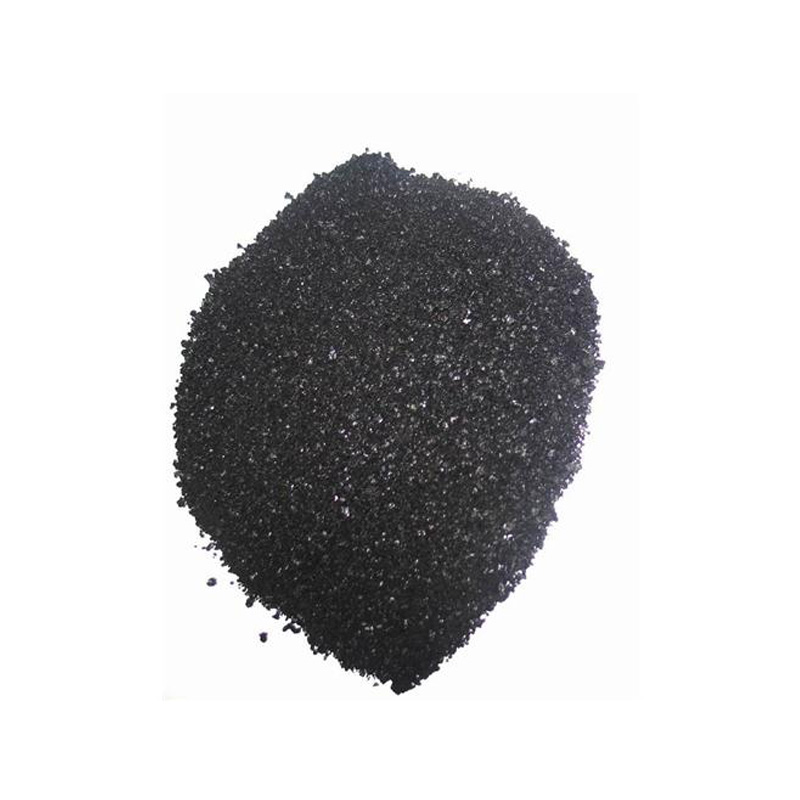
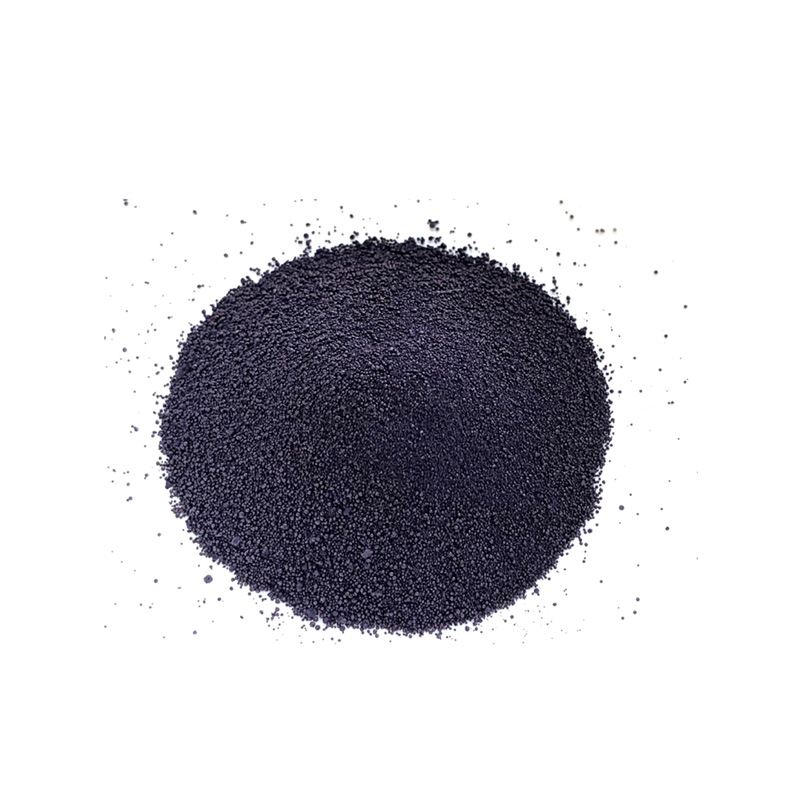
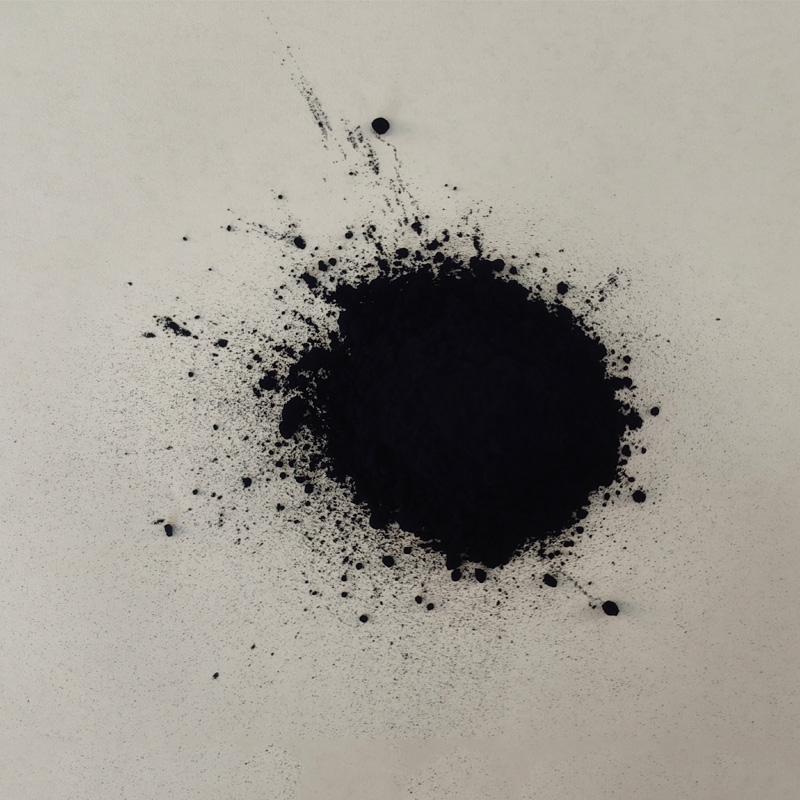
Advanced Textile Color Solutions with pure indigo dye for Bulgaria

Providing high-performance dyestuffs for the Bulgarian textile industry, balancing traditional craftsmanship with modern chemical precision.

Advanced Textile Color Solutions with pure indigo dye for Bulgaria

Optimizing the dyeing process for Bulgarian manufacturers through premium chemical inputs, ensuring superior color fastness and ecological compliance.

The Current State of Dyeing Industry in Bulgaria

Analyzing the intersection of EU environmental regulations and local textile manufacturing.

The Bulgarian textile sector is currently undergoing a significant transition. With its strategic location in Southeast Europe, the country serves as a hub for garment production, but faces increasing pressure to adopt sustainable chemical practices. The demand for sulphur black dyes remains high for industrial workwear, yet there is a growing shift toward eco-certified inputs to meet EU REACH standards.

Climate conditions in Bulgaria, characterized by distinct seasonal variations, affect the drying and curing processes of textile finishing. Local factories are increasingly seeking bromo indigo powder to achieve precise shading and consistency in high-end denim production, reducing the waste generated by traditional trial-and-error dyeing methods.

Economically, the industry is moving away from low-cost, low-quality bulk processing toward "Slow Fashion" and high-value added textiles. This shift has revitalized interest in natural indigo denim, as Bulgarian designers seek to blend traditional Balkan textile heritage with modern sustainable luxury.

Evolution of Indigo Dyeing Technology

From traditional vats to precision chemical engineering.

Market Development History

Historically, the region relied on organic fermentation processes. By the mid-20th century, the introduction of synthetic alternatives streamlined production, though consistency remained a challenge for local artisans.

Between 1990 and 2010, the industry transitioned toward standardized industrial powders. The adoption of indigo source dye allowed factories to scale production while maintaining a predictable color index across large batches.

Since 2015, the focus has pivoted toward "Green Chemistry." The integration of digital dosing systems and pre-reduced dyes has drastically reduced water consumption in Bulgarian dyeing mills.

Future Development Trends

Bio-Synthetic Integration

The next 3 years will see a hybrid approach where bio-engineered dyes mimic the properties of traditional indigo without the heavy chemical footprint.

Waterless Dyeing Technologies

Driven by EU water scarcity directives, the industry is moving toward supercritical CO2 dyeing and foam-based application methods.

AI-Driven Color Matching

Google search trends indicate a spike in "Automated Color Matching" (ACM), leading to the adoption of AI to predict dye uptake based on fabric porosity.

Industry Outlook and Future Projections

Strategic directions for chemical manufacturers and textile mills.

Circular Economy Shift
Implementation of closed-loop systems to recover indigo waste from effluent streams.
Zero-Liquid Discharge
Adopting advanced filtration to eliminate toxic discharge into local Bulgarian waterways.
REACH Compliance 2.0
Transitioning to non-aromatic amines in all synthetic dye formulations.
Smart-Fabric Integration
Developing conductive dyes that maintain color stability while enabling electronic functions.

Industry Outlook

Over the next 5 years, the Bulgarian market will likely see a consolidation of small dye houses into larger, technology-driven hubs. This trend is driven by the need for massive capital investment in wastewater treatment and digital color management.

Furthermore, the rise of "conscious consumerism" across Europe will force manufacturers to provide full traceability of their indigo source dye, from raw chemical synthesis to the final garment.

Localized Application Scenarios in Bulgaria

Practical implementation of our dye solutions across various Bulgarian industrial sectors.

1. High-End Denim Production in Sofia

Utilizing bromo indigo powder to create precise "vintage wash" effects for luxury denim brands operating in the capital's fashion districts.

2. Industrial Workwear for Plovdiv Manufacturing

Implementing heavy-duty sulphur black dyes for durable protective clothing used in the automotive and machinery sectors of Plovdiv.

3. Artisan Textile Studios in Varna

Supplying natural indigo denim dyes for boutique studios focusing on sustainable, sea-inspired apparel for the coastal tourism market.

4. Mass-Market Apparel in Burgas

Deploying high-efficiency pure indigo dye for large-scale garment factories requiring rapid turnaround and consistent color matching.

5. Heritage Fabric Restoration Projects

Using specialized indigo source dye to restore traditional Bulgarian ethnic costumes and historical textiles in national museums.

Brand Story

Global Development Journey of Anping Wuxin Chemical Dye Co., Ltd.

Founding Excellence

Established as a specialized manufacturer, we focused on solving the inconsistency issues inherent in basic dye synthesis.

Technical Breakthroughs

Developed proprietary purification methods that set new industry benchmarks for purity and solubility in indigo products.

European Expansion

Strategically entered the EU market, adapting all product lines to meet rigorous environmental and health safety standards.

Sustainability Pivot

Invested in R&D to create low-impact dyes, reducing the chemical oxygen demand (COD) in textile wastewater.

Global Leadership

Now serving as a trusted partner for top-tier textile mills worldwide, delivering precision chemistry with a sustainable heart.

Complete Product Portfolio for the Bulgarian Market

A curated selection of high-performance dyes engineered for versatility and compliance.

Bulgaria Textile Dyeing FAQ

Expert answers to common technical and regulatory questions in the region.

How does bromo indigo powder improve color consistency?

It provides a more stable chemical structure that reduces variance between batches, allowing Bulgarian mills to achieve exact shade matching with fewer re-dyes.

Are your sulphur black dyes compliant with EU REACH regulations?

Yes, our sulphur black range is manufactured to strictly adhere to REACH standards, ensuring they are free from prohibited aromatic amines.

What is the best application method for natural indigo denim?

For optimal results in Bulgaria's climate, we recommend a controlled vat dyeing process with precise temperature monitoring to ensure deep penetration.

How can I optimize my indigo source dye for water saving?

By utilizing our pre-reduced indigo formulations, factories can significantly reduce the amount of hydrosulphite required and lower overall water consumption.

Can pure indigo dye be used on blended synthetic fabrics?

While primarily for cotton, our pure indigo can be applied to blends using specific catalysts and temperature adjustments for better affinity.

What is the shelf life of bromo indigo powder in humid conditions?

When stored in original vacuum-sealed packaging in a cool, dry place, our powder remains stable for 24 months.

Ready to Transform Your Textile Production?

Contact our technical experts today for customized dye solutions tailored to the industrial requirements of Bulgaria.

Contact Us Now

If you are interested in our products, you can choose to leave your information here, and we will be in touch with you shortly.