
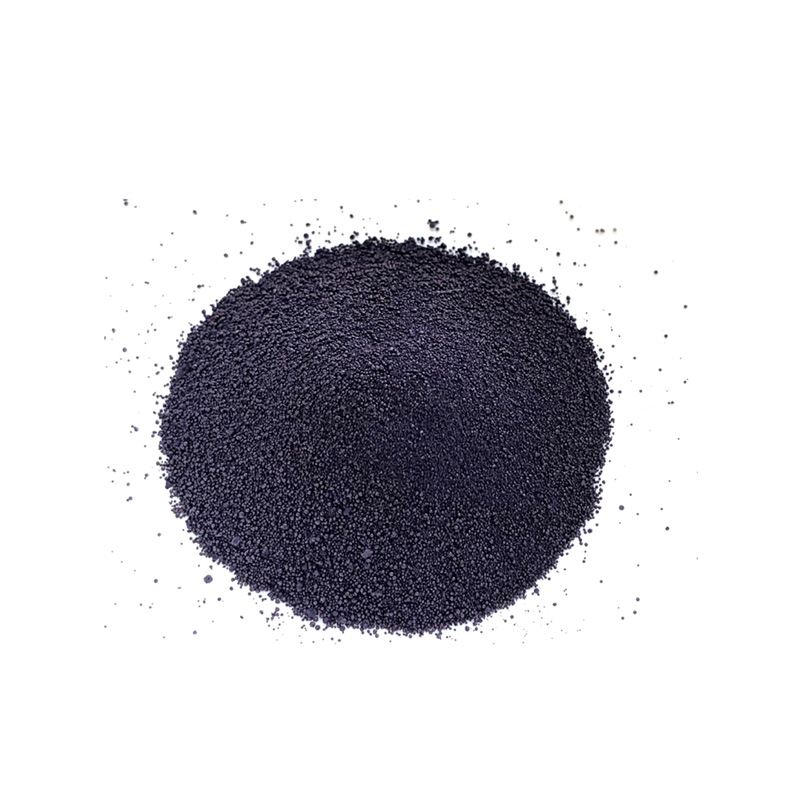
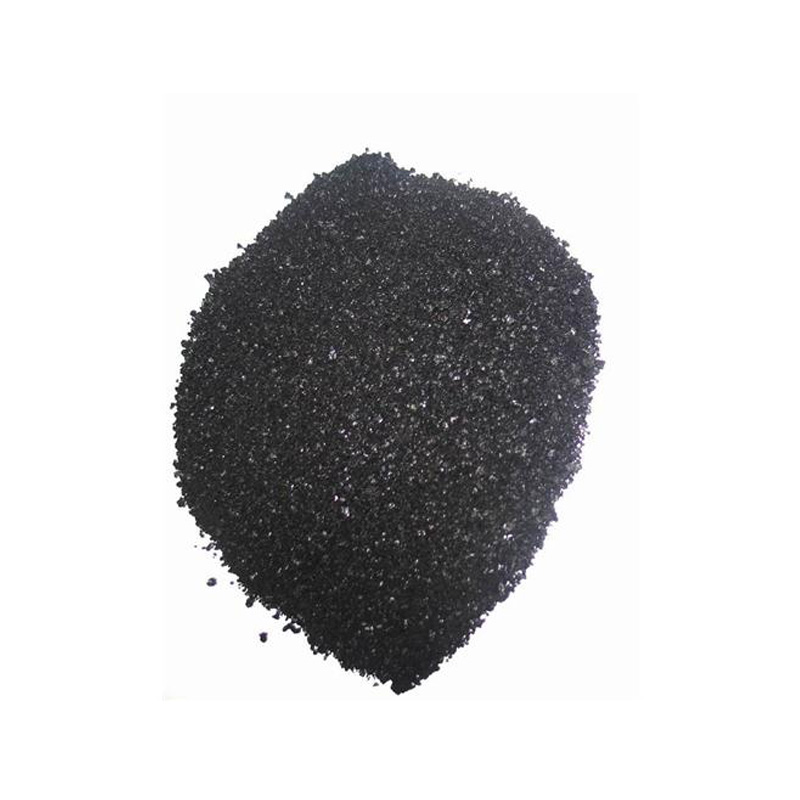
Myanmar's textile landscape is currently characterized by a rapid transition toward high-volume garment exports. However, the humid tropical climate of Southeast Asia presents significant challenges for the stability of sulphur black dyes, requiring advanced stabilizers to prevent premature oxidation during the dyeing process.
Local manufacturers in Yangon and Mandalay are increasingly shifting from basic coloring to sophisticated denim production. This shift has created a surging demand for consistent indigo source dye that can withstand the rigorous washing cycles required for international fashion brands.
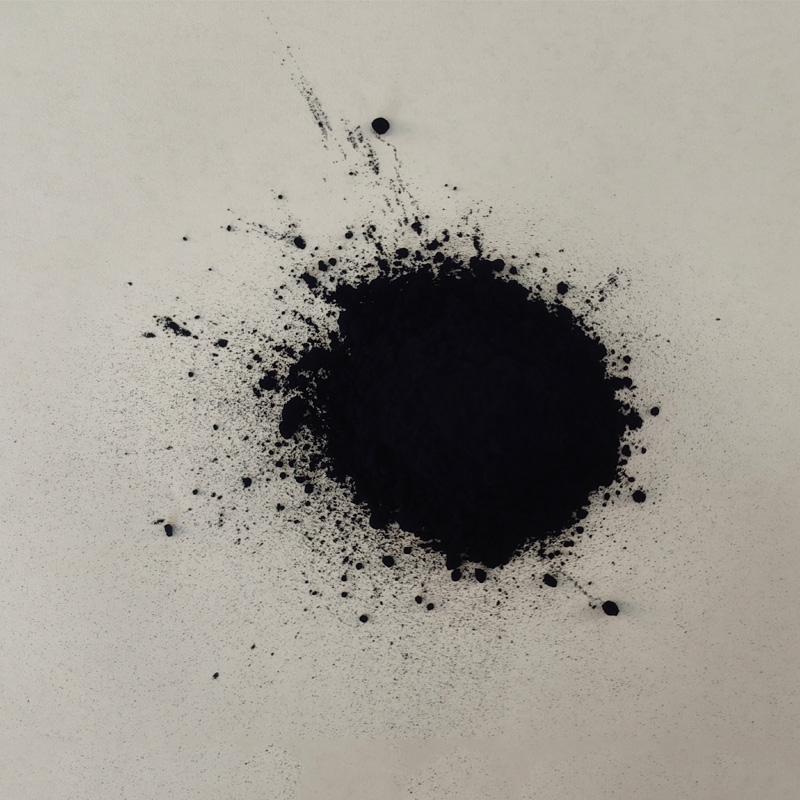
Despite the growth, the industry faces a gap in technical application. The adoption of bromo indigo powder has become essential for factories aiming to achieve precise shade control and higher fixation rates on various cotton blends prevalent in the local market.