
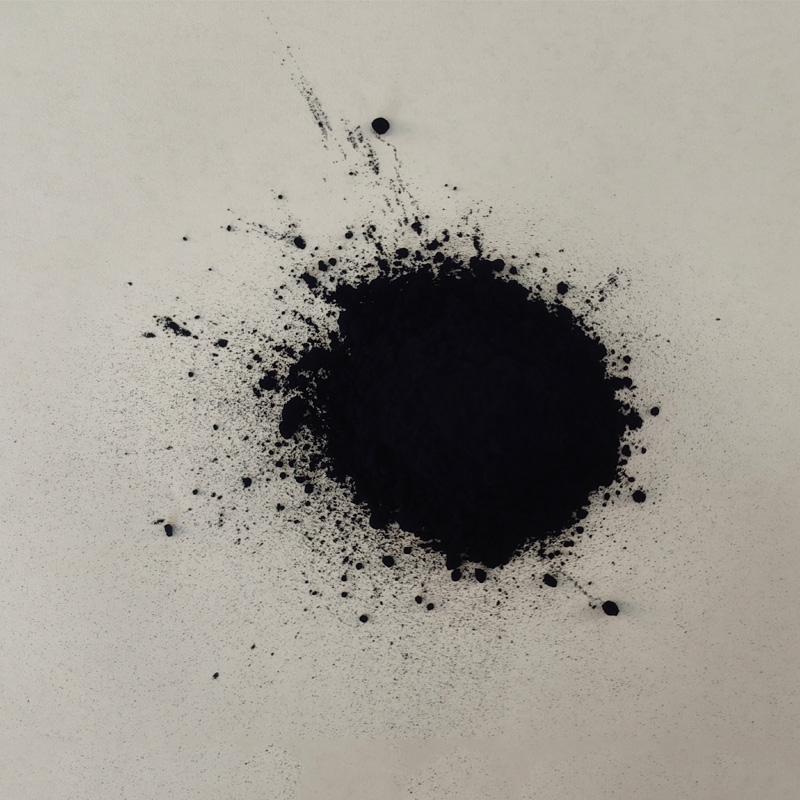
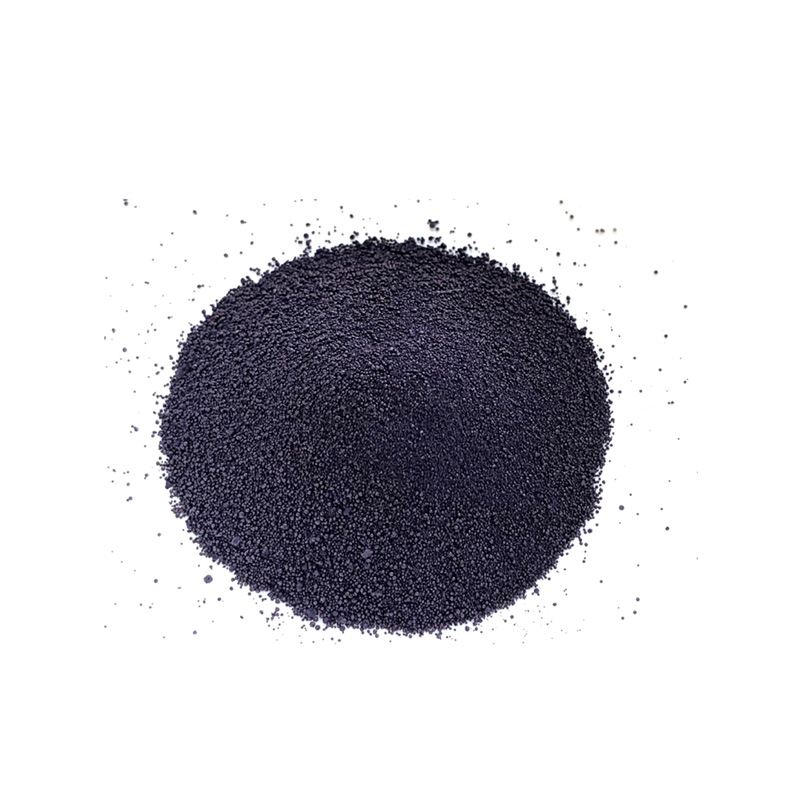
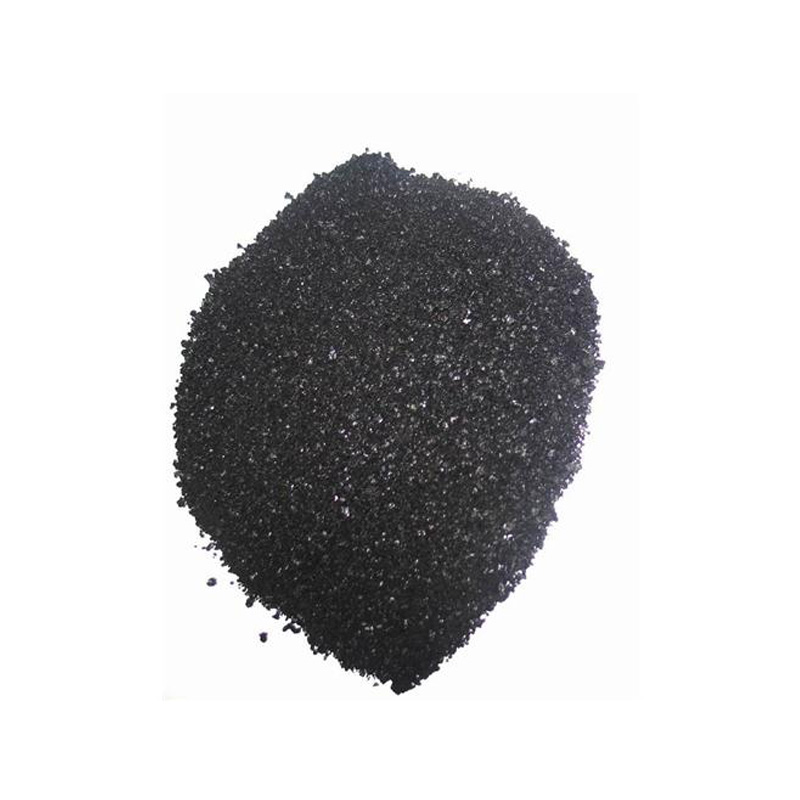
South Africa's textile industry currently faces a critical transition period, balancing traditional artisanal methods with industrial scale-up. The demand for pure indigo dye is rising as local denim producers seek to compete with global exports, requiring higher color consistency across varying humidity levels found in the Gauteng and Western Cape regions.
Water scarcity in several South African provinces has forced manufacturers to rethink their chemical usage. The adoption of sulphur black dyes has seen a shift toward low-liquor ratio applications to minimize environmental impact while maintaining the deep, saturated blacks required for industrial workwear.
Logistical challenges and import dependencies often lead to price volatility for raw materials. This has created a significant market gap for a reliable indigo source dye that can provide stable pH levels and reduced oxidation times, optimizing the production cycle for local factories.