
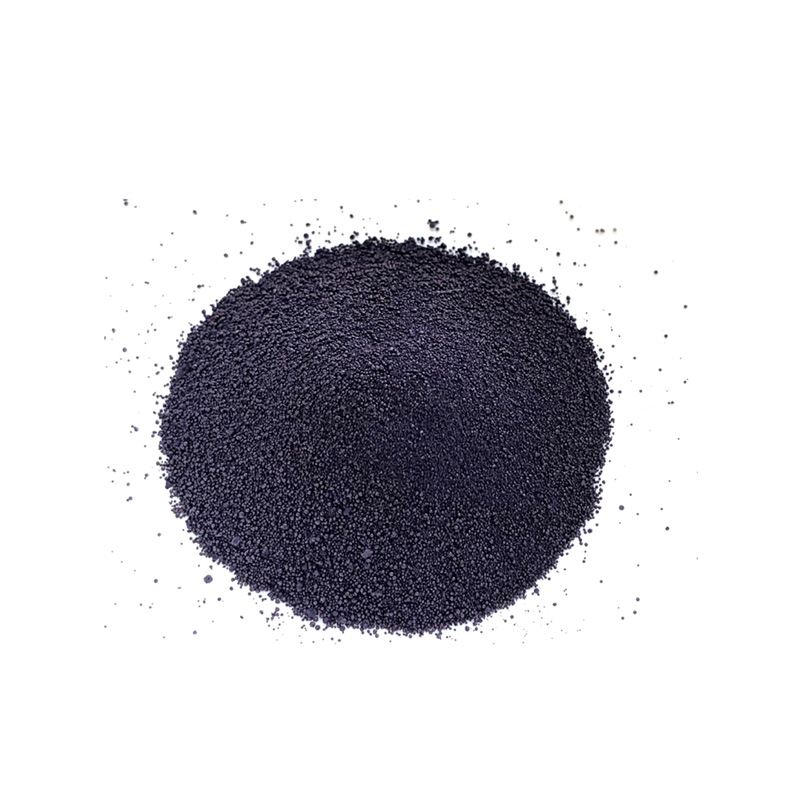
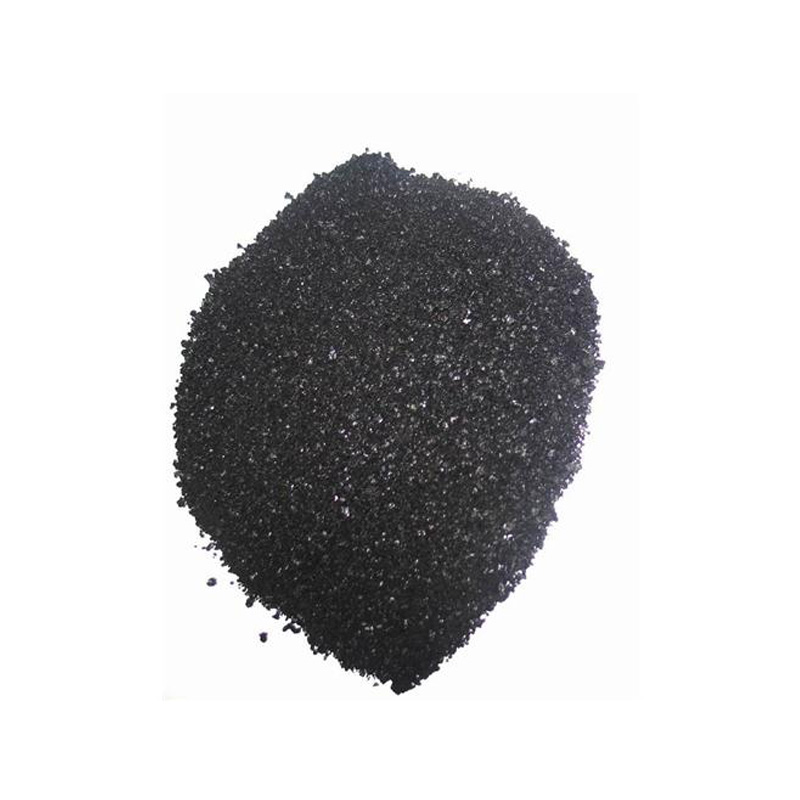
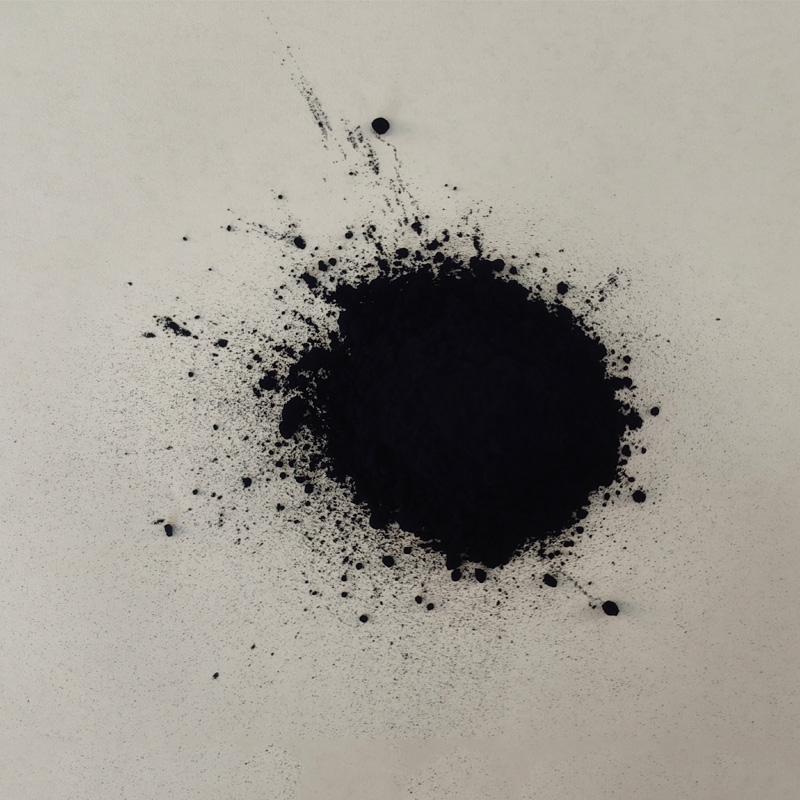
The textile industry in Zimbabwe currently faces a transition period, where traditional garment production is shifting towards more specialized denim and industrial wear. The demand for sulphur black dyes remains high due to the prevalence of heavy-duty workwear, yet there is a growing appetite for sophisticated indigo applications to compete in the regional SADC fashion market.
Environmental challenges and fluctuating energy costs in Zimbabwe have forced local manufacturers to seek more efficient indigo source dye options that require less water and energy for reduction. The local climate, characterized by high temperatures, necessitates dyes with superior thermal stability and light-fastness to prevent premature fading.
Despite these challenges, there is a resurgence in artisanal and small-scale textile hubs that are integrating natural indigo denim techniques with modern synthetic boosters to create unique, high-value exports. This hybrid approach is driving the need for high-purity chemical precursors and specialized powder forms.