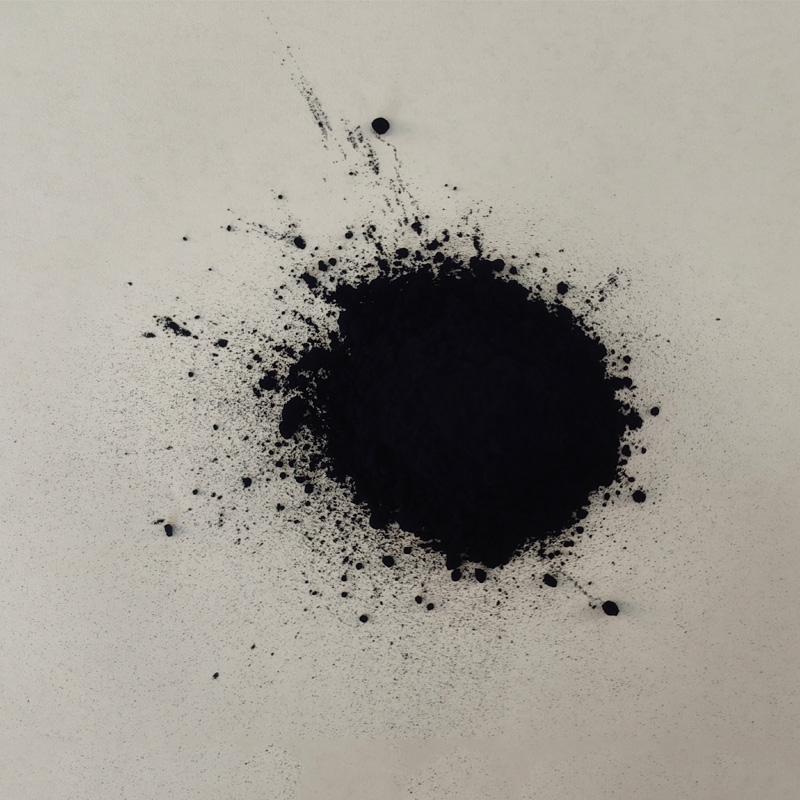
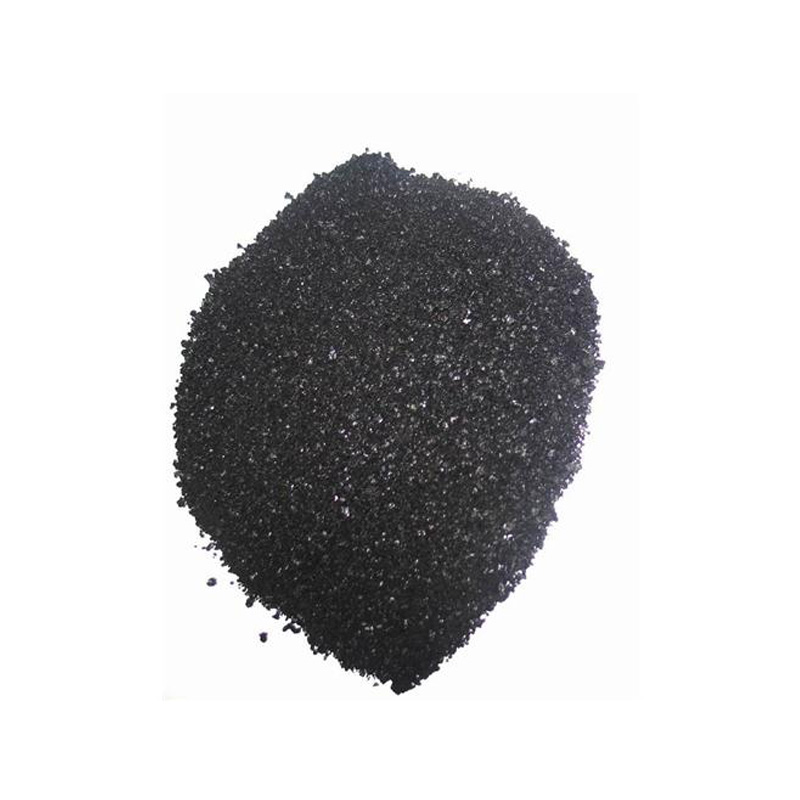
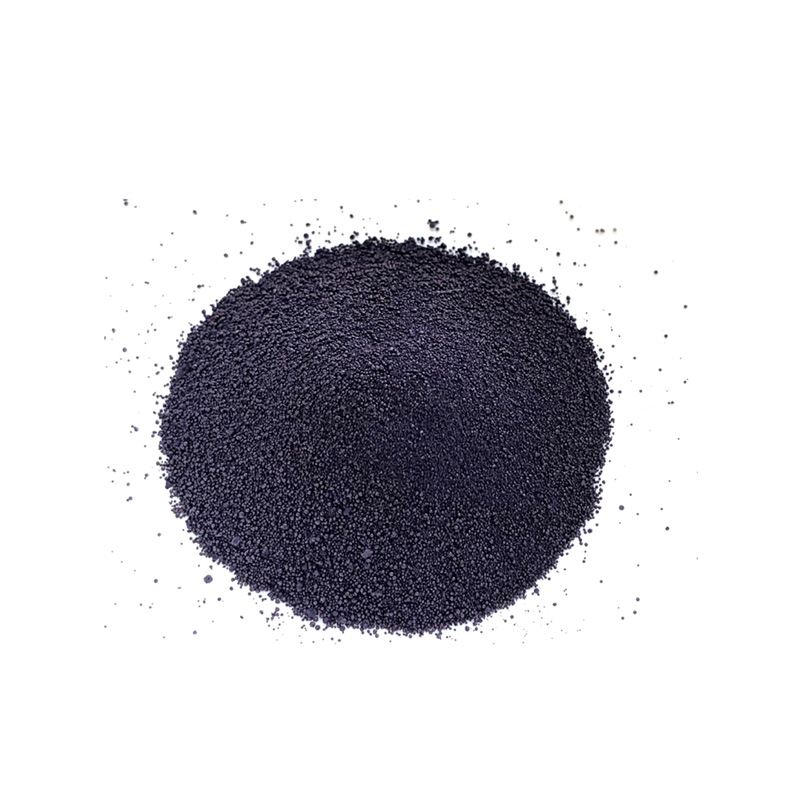
Advanced Textile Dyeing Solutions for sulphur black dyes in Tanzania

Empowering East African garment manufacturers with high-performance pigment technology and sustainable indigo coloring systems.

Advanced Textile Dyeing Solutions for sulphur black dyes in Tanzania

Our specialized chemical range provides Tanzanian textile mills with superior color fastness and efficient application for industrial-scale denim and cotton production.

Current Landscape of Dye Manufacturing in Tanzania

Analyzing the intersection of textile demand and chemical supply in East Africa.

The Tanzanian textile sector is currently experiencing a transition from small-scale artisanal dyeing to industrialization. With the growth of the local garment industry in cities like Dar es Salaam, there is an increasing demand for consistent pure indigo dye to meet international export standards for denim apparel.

However, the region faces challenges regarding chemical stability due to high humidity and temperature fluctuations. This makes the procurement of high-purity bromo indigo powder critical for manufacturers who require precise shade control and minimal waste in their dyeing vats.

Furthermore, the economic push toward "Made in Tanzania" has led to a surge in the use of sulphur black dyes for heavy-duty workwear and uniforms, necessitating a more robust supply chain of raw chemical precursors to ensure production continuity.

Evolution and Trajectory of Tanzania's Dyeing Industry

From traditional botanical extracts to precision synthetic chemistry.

Market Development History

Initially, the Tanzanian market relied heavily on organic pigments and imported semi-finished fabrics. Between 2000 and 2010, the shift toward synthetic dyes accelerated, introducing basic sulphur-based chemistry to the local cotton mills to lower production costs.

By 2015, the industrialization phase brought the adoption of indigo source dye technologies, allowing local factories to produce denim that could compete with Asian imports in terms of wash-fastness and color depth.

In recent years, the focus has shifted toward technical optimization. The integration of pre-reduced indigo and advanced brokerage of pure indigo dye has reduced water consumption in the dyeing process, aligning with regional environmental goals.

Future Development Trends

Transition to Eco-Friendly Indigo

We predict a shift toward natural indigo denim production as European buyers demand sustainable and biodegradable coloring agents for African-made garments.

Automation of Dye Kitchens

The adoption of computerized dosing systems for sulphur black dyes will minimize human error and reduce chemical runoff into local water systems.

Specialization in High-End Denim

Increased utilization of specialized bromo indigo powder will enable the creation of "vintage" and "distressed" looks, catering to the growing youth fashion market in East Africa.

Industry Trends and Future Outlook

Strategic forecasting for the chemical textile sector in Tanzania.

Sustainable Sourcing
Movement toward biodegradable natural indigo denim to meet global ESG standards.
Chemical Precision
Increased demand for bromo indigo powder for high-end color consistency.
Water Optimization
Implementing low-liquor ratio dyeing for sulphur black dyes to save water.
Supply Chain Stability
Establishing direct routes for indigo source dye to avoid logistical delays.

Industry Outlook

Based on Google search trends in East Africa, there is a significant rise in queries regarding "organic textile chemicals" and "denim production efficiency." This indicates that Tanzanian manufacturers are moving away from generic dyes toward specialized, high-purity chemical agents.

Over the next 3-5 years, the convergence of environmental regulations and the growth of the African Continental Free Trade Area (AfCFTA) will likely make Tanzania a hub for high-quality denim, driven by the adoption of advanced synthetic and natural indigo blends.

Localized Application Scenarios in Tanzania

Practical implementation of dye technologies in the Tanzanian textile ecosystem.

01. Industrial Workwear Production in Dar es Salaam

Utilizing high-concentration sulphur black dyes for manufacturing durable uniforms and protective clothing for the mining and construction sectors, ensuring maximum rub-fastness.

02. High-End Denim Manufacturing for Export

Applying bromo indigo powder to achieve a consistent, deep blue shade that meets the rigorous quality standards of European fashion retailers.

03. Sustainable Fashion Boutiques in Arusha

Integrating natural indigo denim dyes for artisanal, eco-friendly clothing lines targeting the luxury tourism market and environmentally conscious consumers.

04. Cotton Mill Scaling in Mwanza

Implementing streamlined indigo source dye processes to increase the throughput of denim fabric production while maintaining color uniformity across large batches.

05. Local Textile Laboratory Testing

Using pure indigo dye as a benchmark for quality control and shade matching in local textile research centers to optimize dye-bath recipes.

Brand Story

Global Development Journey of Anping Wuxin Chemical Dye Co., Ltd.

Foundation of Excellence

Established with a mission to solve the inconsistency of pigment quality in the global textile market, focusing on high-purity chemical synthesis.

Technological Breakthrough

Developed advanced stabilization techniques for indigo powders, reducing waste and improving solubility for industrial users worldwide.

Global Expansion

Expanded our footprint into the African market, specifically tailoring our sulphur and indigo ranges to suit the climatic conditions of East Africa.

Commitment to Sustainability

Invested in green chemistry to provide alternatives that reduce the environmental footprint of the dyeing process without compromising on color.

The Vision for Tomorrow

Aiming to be the primary technical partner for Tanzanian textile mills, driving the transition toward automated and eco-friendly dyeing.

Comprehensive Dye Portfolio for the Tanzania Market

A curated selection of high-performance chemicals for every stage of textile production.

Tanzania Textile Dyeing FAQ

Expert answers to common technical challenges in the local industry.

How to improve the solubility of bromo indigo powder in local water conditions?

We recommend adjusting the pH level of the dye bath and using a specialized reducing agent to ensure the bromo indigo powder dissolves completely, avoiding streaks on the fabric.

What is the difference between pure indigo dye and standard indigo sources?

Pure indigo dye contains higher pigment concentrations and fewer impurities, resulting in a deeper shade and better wash-fastness compared to generic indigo sources.

Are sulphur black dyes compatible with high-temperature dyeing processes?

Yes, our sulphur black dyes are designed for thermal stability, making them ideal for the industrial dyeing machines used in Tanzanian cotton mills.

How can we implement natural indigo denim in a commercial factory?

Transitioning to natural indigo denim requires a change in the reduction process; we provide technical guidance on using organic reducers to maintain color depth.

What is the shelf life of indigo source dye in humid climates?

When stored in airtight, cool containers, our indigo source dye remains stable for up to 24 months, even in the humid conditions of coastal Tanzania.

Which dye is best for heavy-duty workwear in East Africa?

For heavy-duty fabrics, sulphur black dyes are the most effective due to their superior penetration and resistance to abrasive wear.

Partner with the Indigo Experts

Ready to elevate your textile production in Tanzania? Our technical team is available to provide customized chemical formulations for your specific needs.

Contact Us Now

If you are interested in our products, you can choose to leave your information here, and we will be in touch with you shortly.