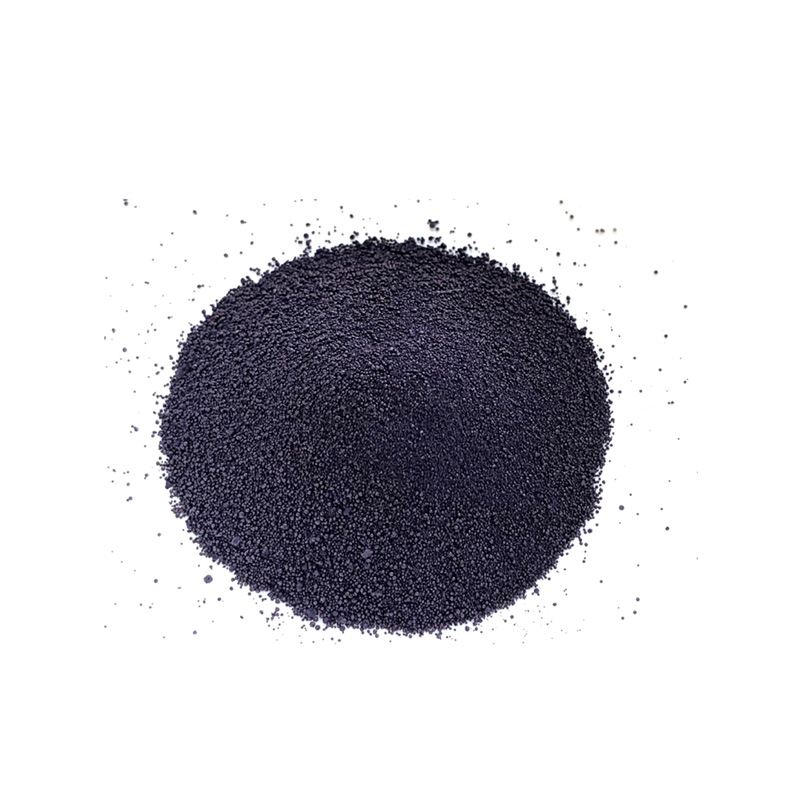
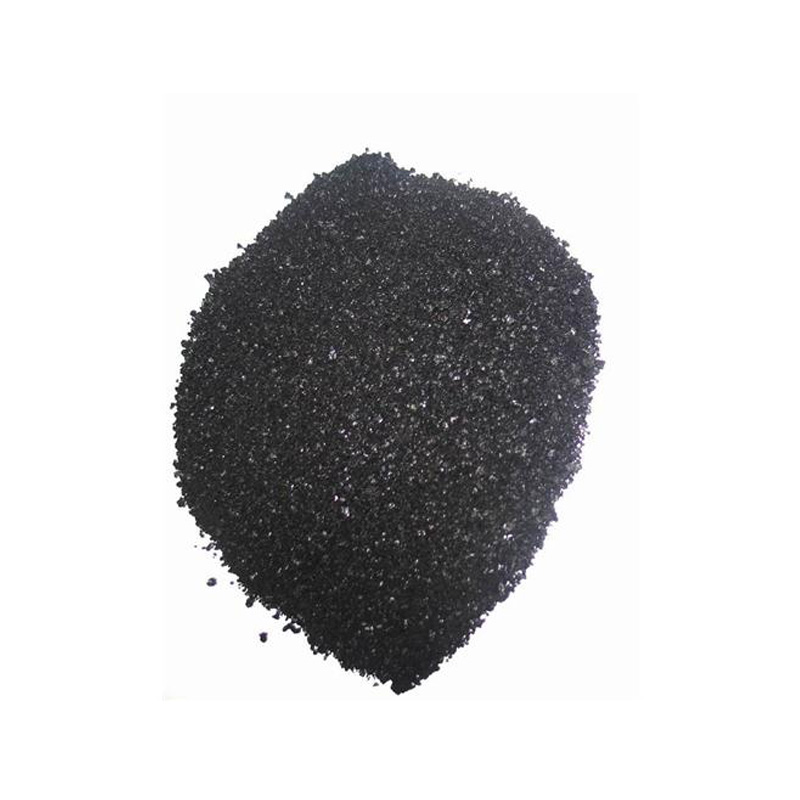
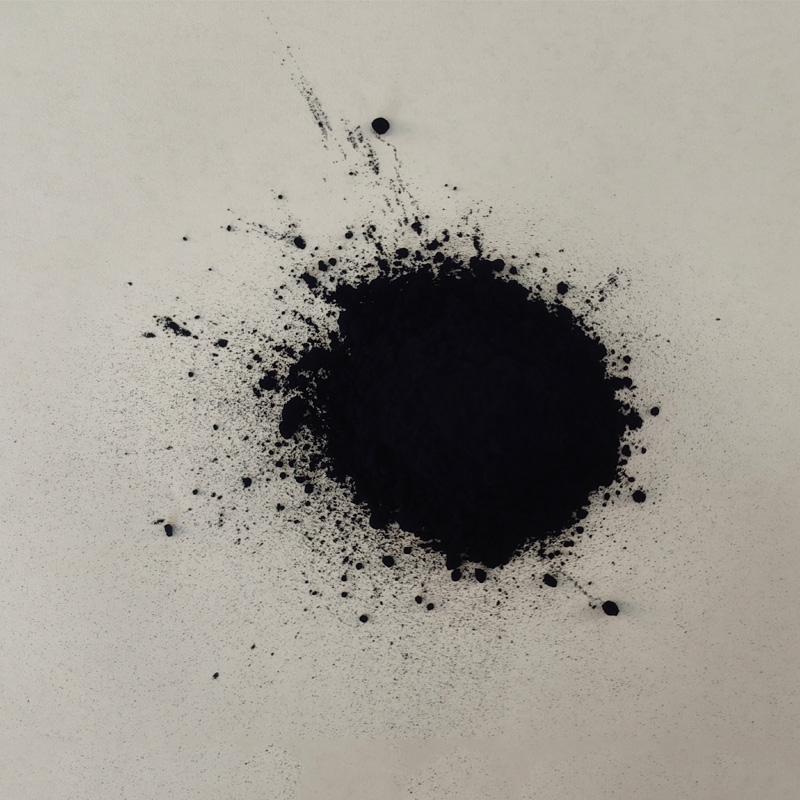
Advanced Textile Dyeing Solutions with pure indigo dye in Saudi Arabia

Empowering the Saudi Arabian textile industry with high-performance organic pigments and specialized dye chemicals for sustainable garment manufacturing.

Advanced Textile Dyeing Solutions with pure indigo dye in Saudi Arabia

Providing Saudi manufacturers with precision-engineered dye powders and liquid sources to achieve superior color fastness and consistency in harsh desert climates.

The Current Landscape of Dye Manufacturing in Saudi Arabia

Analyzing the intersection of petrochemical strength and textile demands in the GCC region.

Saudi Arabia's textile sector is currently undergoing a massive transformation driven by Vision 2030, shifting from raw material exportation to high-value manufacturing. The demand for sulphur black dyes has surged as the kingdom expands its industrial garment production for uniforms and workwear, requiring dyes that can withstand extreme UV exposure and high temperatures.

Geographically, the arid climate of the Arabian Peninsula poses a unique challenge for dye solubility and stability. Local manufacturers are increasingly seeking bromo indigo powder to ensure more efficient reduction processes in water-scarce environments, where chemical precision is paramount to reduce waste.

Furthermore, the luxury fashion segment in Riyadh and Jeddah is pivoting toward eco-conscious materials. This has led to a growing market for natural indigo denim, as brands seek to blend traditional Arabian aesthetic values with modern sustainable textile certifications.

Evolution of Indigo and Sulphur Dyeing Technologies

From traditional vats to automated precision chemical application.

Market Development History

In the early 2000s, the Saudi textile market relied heavily on imported pre-dyed fabrics. The primary focus was on basic durability, with limited local control over the chemical composition of the dyeing process.

Between 2010 and 2020, there was a technical shift toward integrated dyeing mills. The introduction of stabilized indigo source dye allowed for better shade consistency across large batches, catering to the growing demand for standardized denim wear in the Middle East.

Since 2021, the industry has entered the "Green Chemistry" era. The integration of digitized dosing systems has replaced manual mixing, ensuring that complex chemicals like bromo-derivatives are used with minimal environmental impact.

Future Development Trends

Waterless Dyeing Integration

Expect a transition toward supercritical CO2 dyeing to eliminate water usage, a critical move for the Saudi desert ecosystem.

Bio-Synthetic Hybridization

Merging synthetic efficiency with organic origins to create a new generation of sustainable hybrid indigoes.

AI-Driven Color Matching

Implementation of AI to predict dye uptake based on the humidity and temperature fluctuations typical of the Saudi region.

Industry Trends and Future Outlook

Strategic projections for the chemical dye industry in Saudi Arabia through 2030.

Circular Economy Adoption
Focus on recycling dye baths and recovering chemical waste to align with Saudi Green Initiative goals.
Precision Molecular Engineering
Development of high-purity powders that reduce the required chemical load per kg of fabric.
Smart Supply Logistics
Implementing climate-controlled shipping to maintain dye potency during transit across the GCC.
Eco-Certification Growth
Increasing alignment with OEKO-TEX and GOTS standards for exported Saudi garments.

Industry Outlook

The convergence of Saudi Arabia's massive energy infrastructure and a new focus on manufacturing will likely make the region a hub for specialty dye production. We predict a 15% annual increase in the adoption of low-impact dyeing chemicals.

As the kingdom diversifies its economy, the integration of digital twins in dyeing plants will allow for real-time optimization of pure indigo dye application, significantly reducing the carbon footprint of the textile industry.

Localized Application Scenarios in Saudi Arabia

Practical implementations of high-performance dyes across various Saudi industrial sectors.

1. Industrial Workwear Production in Jubail

Utilizing sulphur black dyes for heavy-duty uniforms in the petrochemical sector to ensure maximum opacity and resistance to chemical splashes.

2. Luxury Heritage Denim in Riyadh

Applying natural indigo denim techniques for boutique fashion houses that blend traditional Saudi embroidery with sustainable fabrics.

3. High-Efficiency Denim Mill Operations

Integrating bromo indigo powder in automated dyeing machines to speed up the reduction process and reduce water consumption in arid zones.

4. Standardized Textile Manufacturing for Export

Using high-purity indigo source dye to maintain strict color consistency for garments exported to European and Asian markets.

5. Specialized Apparel for Desert Logistics

Developing UV-resistant dark fabrics using optimized organic pigments to protect workers from extreme solar radiation in the Neom project areas.

Brand Story

Global Development History of Anping Wuxin Chemical Dye Co., Ltd.

Foundational Excellence

Established with a mission to solve the instability of organic pigment distribution in textile manufacturing.

Technological Breakthrough

Pioneered advanced stabilization techniques for indigo powders, reducing waste by 20% for our global partners.

Global Expansion

Extended our reach into the GCC market, tailoring chemical formulations to withstand extreme heat and salinity.

Sustainability Pivot

Invested in bio-dye research to provide the industry with eco-friendly alternatives without sacrificing color depth.

Vision 2030 Partnership

Committed to supporting Saudi Arabia's industrialization by providing a reliable source of high-purity dyeing agents.

Comprehensive Dye Portfolio for the Saudi Arabian Market

From pure powders to specialized liquid sources, our range covers every textile need in the region.

Saudi Arabia Textile Dyeing FAQs

Expert answers to common technical challenges in regional dye application.

How does bromo indigo powder improve efficiency in water-stressed regions?

It offers faster solubility and a more stable reduction process, allowing mills in Saudi Arabia to achieve deep shades with fewer rinse cycles, effectively saving water.

Are sulphur black dyes resistant to the high UV index in Saudi Arabia?

Yes, our specialized sulphur black formulations are engineered for high light-fastness, ensuring that industrial workwear does not fade under intense desert sunlight.

What is the difference between pure indigo dye and standard synthetic indigo?

Pure indigo dye contains fewer impurities and additives, resulting in a cleaner color profile and better predictability during the dyeing process.

How can I transition my mill to natural indigo denim production?

We provide a phased integration approach, starting with hybrid blends and moving toward 100% organic sources while optimizing your vat temperature control.

Does the indigo source dye we provide comply with international export standards?

Absolutely. Our products are manufactured to meet global safety and environmental standards, facilitating easy export of Saudi-made textiles to EU and US markets.

What is the best storage method for dyes in the Saudi Arabian climate?

We recommend climate-controlled warehousing below 25°C and low humidity to prevent clumping of powders and degradation of organic compounds.

Connect with Our Chemical Experts

Ready to optimize your textile production in Saudi Arabia? Our technical team is here to provide customized dye formulations for your specific needs.

Contact Us Now

If you are interested in our products, you can choose to leave your information here, and we will be in touch with you shortly.