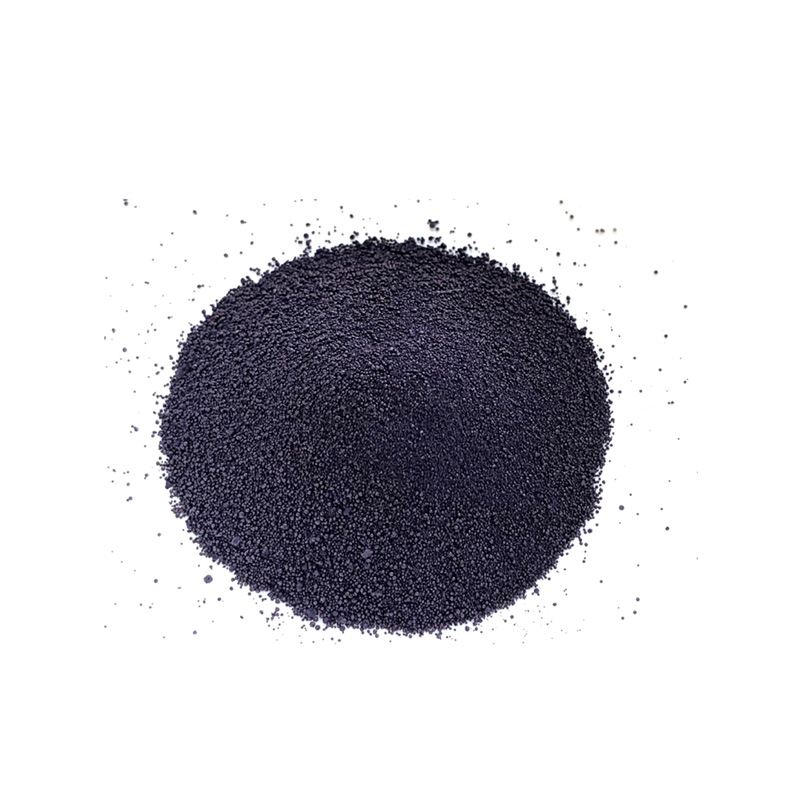
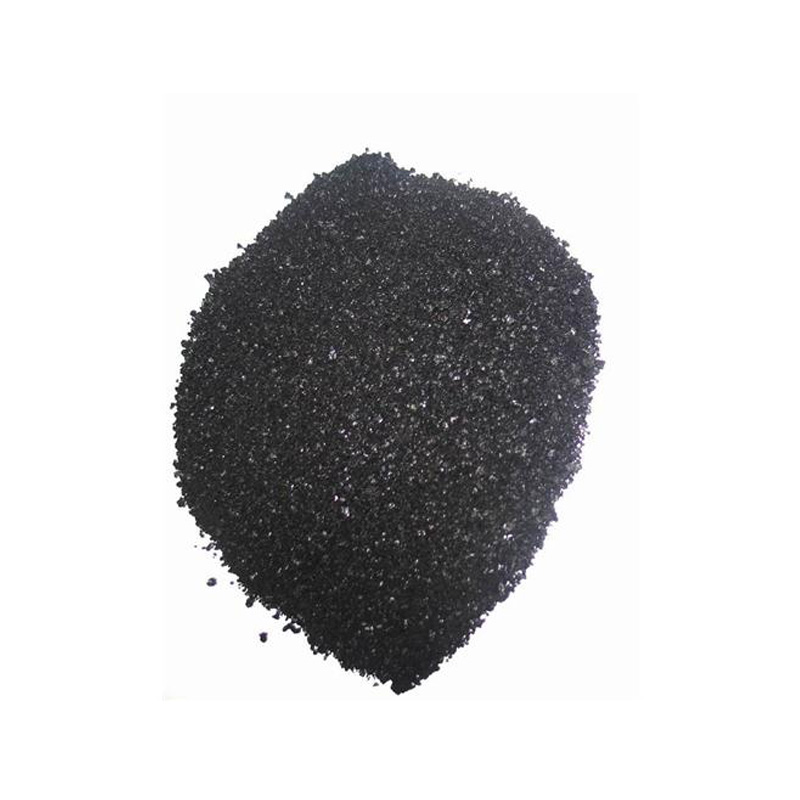
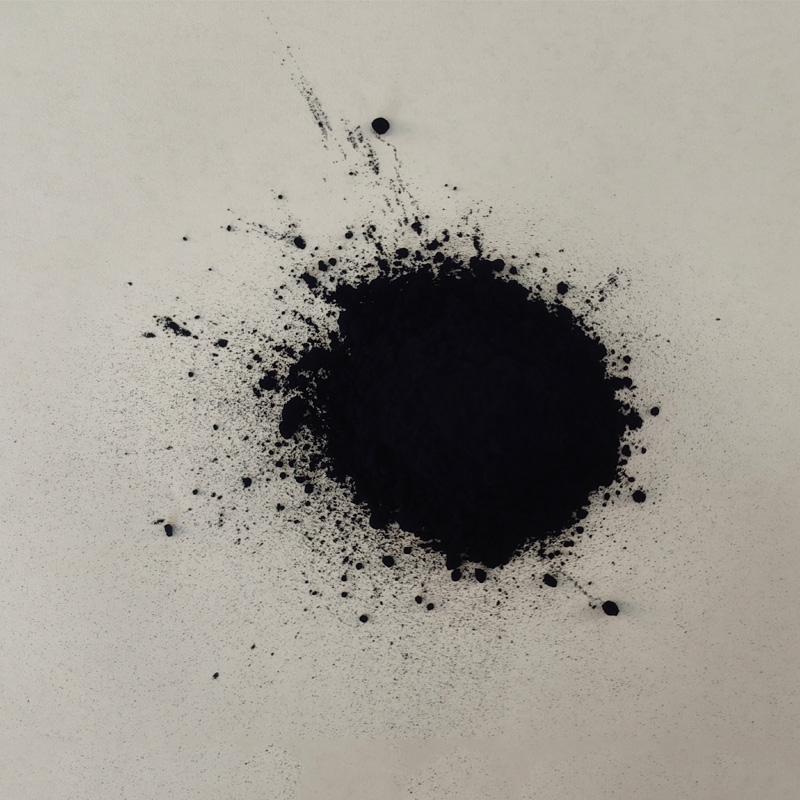
Advanced Textiles Solution with sulphur black dyes in Brazil

Optimizing the Brazilian denim and garment industry with high-performance organic pigments and sustainable indigo solutions for superior color fastness.

Advanced Textiles Solution with sulphur black dyes in Brazil

We provide Brazil's textile manufacturers with precision-engineered dyeing agents, from pure indigo dye to specialized sulphur compounds, ensuring global quality standards in every yard of fabric.

The Landscape of Dyeing Industry in Brazil

Analyzing the intersection of agricultural abundance and industrial textile demands in South America.

Brazil possesses a unique textile ecosystem where the demand for natural indigo denim is surging due to a strong domestic fashion market and a growing preference for sustainable materials. However, the humid subtropical climate presents challenges for dye drying and fixation processes.

The industrial hubs in São Paulo and Santa Catarina rely heavily on consistent chemical inputs. The integration of bromo indigo powder has become essential for factories seeking high-saturation depths that can withstand the rigorous washing cycles typical of Brazilian denim trends.

Economically, the shift towards reducing imported raw materials has led Brazilian manufacturers to seek more efficient indigo source dye options that offer a better cost-to-performance ratio without compromising the ecological standards of the Amazon basin region.

Evolution and Trajectory of Brazilian Dyeing

From traditional botanical extracts to high-tech chemical synthesis.

Market Development History

In the early 20th century, the Brazilian market relied almost exclusively on rudimentary organic extracts. The transition to synthetic chemistry began in the 1950s, introducing standardized sulphur dyes to support the growing garment export sector.

By the 1990s, the "Denim Boom" led to the mass adoption of pre-reduced indigo. This era marked the shift from simple batch dyeing to continuous dyeing ranges, requiring more stable and soluble powders to maintain color consistency across large batches.

From 2010 to the present, the focus has shifted toward "Clean Chemistry." The adoption of high-purity agents and the refinement of pure indigo dye applications have allowed Brazilian mills to compete on a global scale in the luxury denim segment.

Future Development Trends

Digital Dyeing Integration

The next 3 years will see a surge in automated dosing systems that integrate real-time color sensors to reduce waste of expensive pigments.

Bio-Synthetic Hybridization

We anticipate a merge between laboratory-grown indigo and traditional synthetic methods to meet the EU and US import sustainability criteria.

Low-Liquor Ratio Technology

Driven by water scarcity in certain Brazilian regions, technology will evolve toward anhydrous dyeing or ultra-low water consumption processes.

Industry Trends and Future Outlook

Strategizing for the next era of textile chemistry in South America.

Circular Economy Integration
Shifting toward dyes that facilitate fabric recycling and biodegradable waste treatment.
Smart Color Fastness
Developing pigments that react to UV light to maintain vibrancy in high-sunlight regions.
Zero-Discharge Processing
Implementing closed-loop water systems to eliminate chemical runoff into local waterways.
Precision Powderization
Using nano-milling to create dyes that dissolve instantly, reducing energy consumption.

Industry Outlook

Based on search trends, the demand for eco-friendly textiles in Brazil is growing at a CAGR of 6.2%. The market is shifting from "quantity-first" to "quality-first," where the purity of the indigo source dye determines the brand's market positioning.

We expect a consolidation of the supply chain where Brazilian mills will partner with specialized chemical engineers to create custom-blend pigments that optimize the specific fiber characteristics of local cotton varieties.

Localized Application Scenarios in Brazil

Practical implementations of our dyeing solutions across Brazilian textile sectors.

1. High-End Denim Production in São Paulo

Utilizing bromo indigo powder to achieve a deep, consistent navy blue for luxury jeans that target the urban fashion market, ensuring minimal bleeding during wear.

2. Eco-conscious Apparel in the South Region

Integrating natural indigo denim dyes for boutique labels that market "Amazon-friendly" clothing, focusing on organic certification and low-toxicity processes.

3. Industrial Workwear for Agriculture

Applying sulphur black dyes for heavy-duty overalls used in Brazil's agribusiness sector, providing maximum resistance to soil abrasion and chemical exposure.

4. Fast-Fashion Denim Scaling

Employing high-solubility pure indigo dye for rapid production cycles, allowing manufacturers to respond to trend shifts in minutes with consistent shading.

5. Artisan Textile Revitalization

Providing a stable indigo source dye for regional cooperatives in Northeast Brazil to modernize traditional dyeing crafts without losing the authentic aesthetic.

Brand Story

Global Development Journey of Anping Wuxin Chemical Dye Co., Ltd.

Founding Vision

Established with a mission to solve the instability of organic pigments, we started by perfecting the molecular purity of indigo compounds.

Technical Breakthrough

Developed proprietary milling technology that eliminated clumps in powder dyes, significantly reducing wastewater in the dyeing process.

Global Expansion

Expanded our footprint to South America, adapting our chemical formulas to meet the specific humidity and water hardness of Brazil.

Sustainability Pivot

Invested in green chemistry to replace harmful reducing agents, helping our clients achieve OEKO-TEX certification.

Future Leadership

Now leading the market in high-performance indigo solutions, bridging the gap between industrial efficiency and ecological responsibility.

Complete Dyeing Portfolio for the Brazilian Market

A curated selection of chemical agents designed for high-performance textile manufacturing.

Local Industry FAQ - Brazil

Expert answers to common technical challenges in Brazilian dye application.

How does bromo indigo powder perform in Brazil's humid climate?

Our bromo indigo powder is treated with anti-caking agents that prevent moisture absorption, ensuring consistent solubility even in high-humidity environments like the coast of Brazil.

What is the best sulphur black dyes option for industrial workwear?

For agricultural workwear, we recommend our high-concentration sulphur black dyes which provide superior rubbing fastness and resistance to the alkaline conditions of various soils.

Can natural indigo denim dyes be scaled for mass production in Brazil?

Yes, by using our standardized extracts, factories can maintain the "natural" look while utilizing industrial dyeing machines, ensuring batch-to-batch consistency.

Where can I find a reliable indigo source dye for sustainable denim?

Anping Wuxin provides a certified indigo source dye that meets international environmental standards, reducing the chemical footprint of your production line.

How to ensure pure indigo dye doesn't streak on heavy denim?

Streaking is often caused by poor dissolution. Our pure indigo dye is nano-milled for instant dispersion, which eliminates "dye spots" on heavy cotton fabrics.

What is the typical lead time for dye shipments to Brazil?

Depending on the volume and port (Santos or Paranaguá), we offer optimized logistics chains to ensure your production never stops due to raw material shortages.

Partner with the Dyeing Experts

Ready to elevate your textile quality? Contact our technical team today for customized solutions delivered across Brazil.

Contact Us Now

If you are interested in our products, you can choose to leave your information here, and we will be in touch with you shortly.