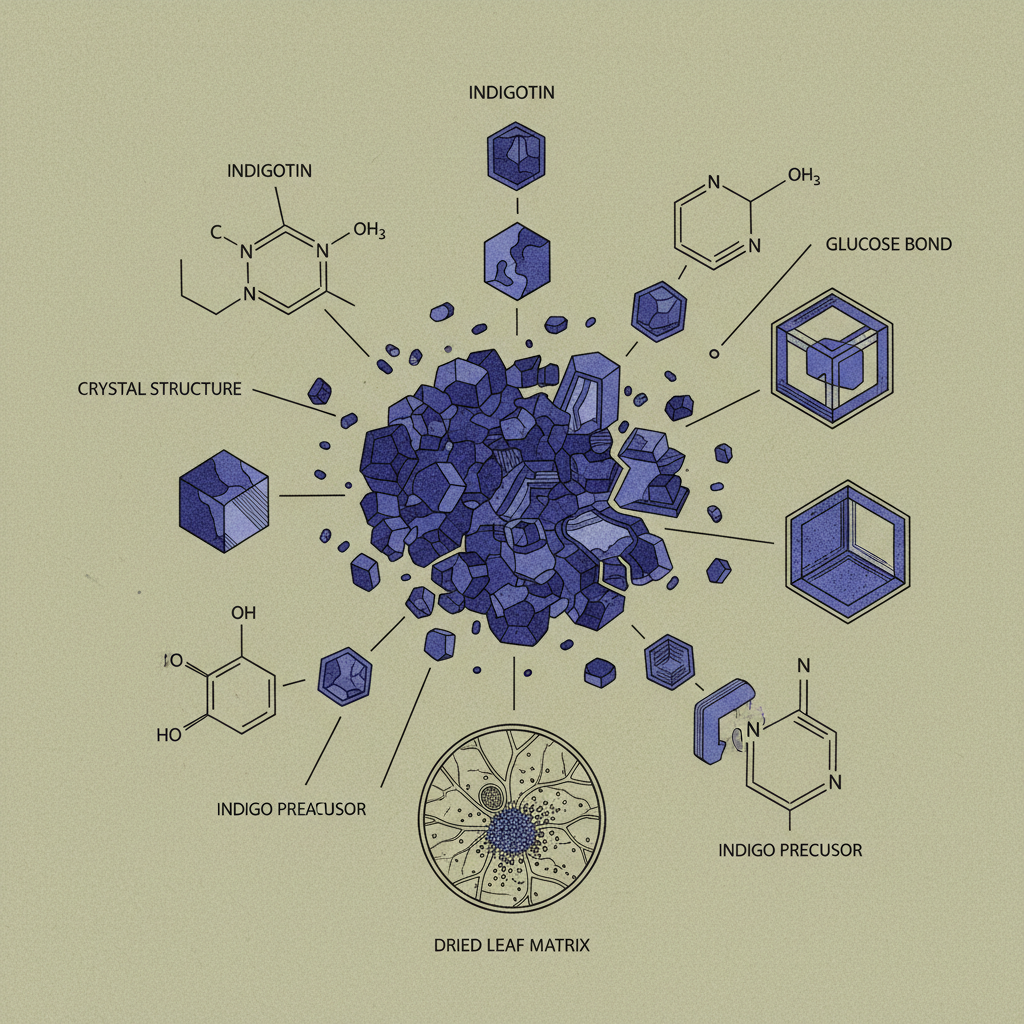
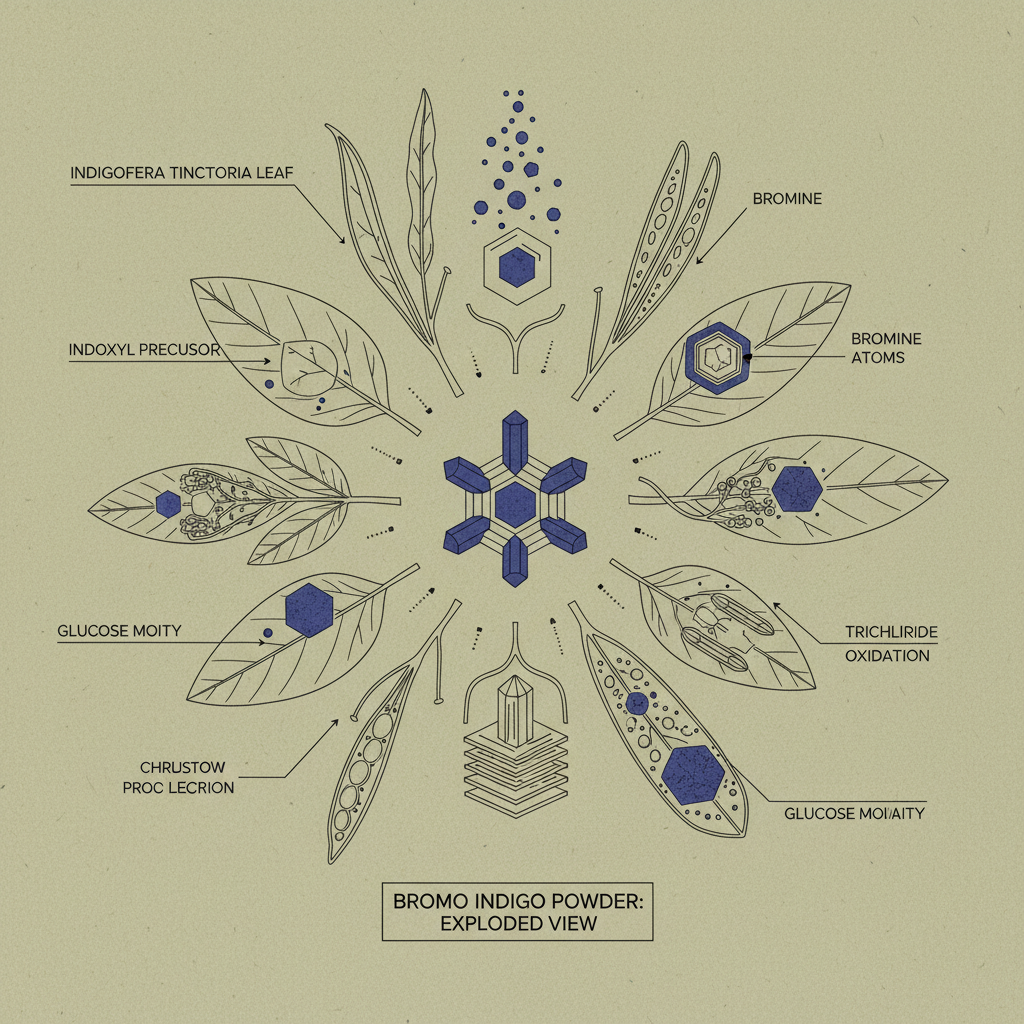
The enduring allure of indigo dye clothes transcends simple fashion trends, representing a sophisticated intersection of ancient chemistry and modern textile engineering. From the deep navy of traditional workwear to the weathered fades of premium denim, indigo remains the most iconic pigment in the global apparel industry, valued for its unique ability to age gracefully over time.
In today's industrial landscape, the production of indigo-dyed fabrics has evolved from artisanal vats to high-precision chemical synthesis. Understanding the nuances of this process is critical for manufacturers and designers who seek to balance vibrant color saturation with the stringent environmental standards now demanded by global regulatory bodies and eco-conscious consumers.
By exploring the technical properties of Indigo Blue, Bromo Indigo, and Sulphur Black, stakeholders can optimize their production lines to achieve superior wash-fastness and consistency. This guide provides a comprehensive analysis of the chemistry, application, and future of indigo dye clothes, ensuring that quality and sustainability go hand-in-hand.
The Chemical Composition of Indigo Dye Clothes
At its molecular core, the production of indigo dye clothes relies on the unique property of vat dyeing. Unlike reactive dyes that bond chemically with the fiber, indigo sits on the surface of the yarn. This creates the characteristic "ring dyeing" effect, where the core of the cotton thread remains white, allowing the garment to fade beautifully as the surface pigment wears away through friction and washing.
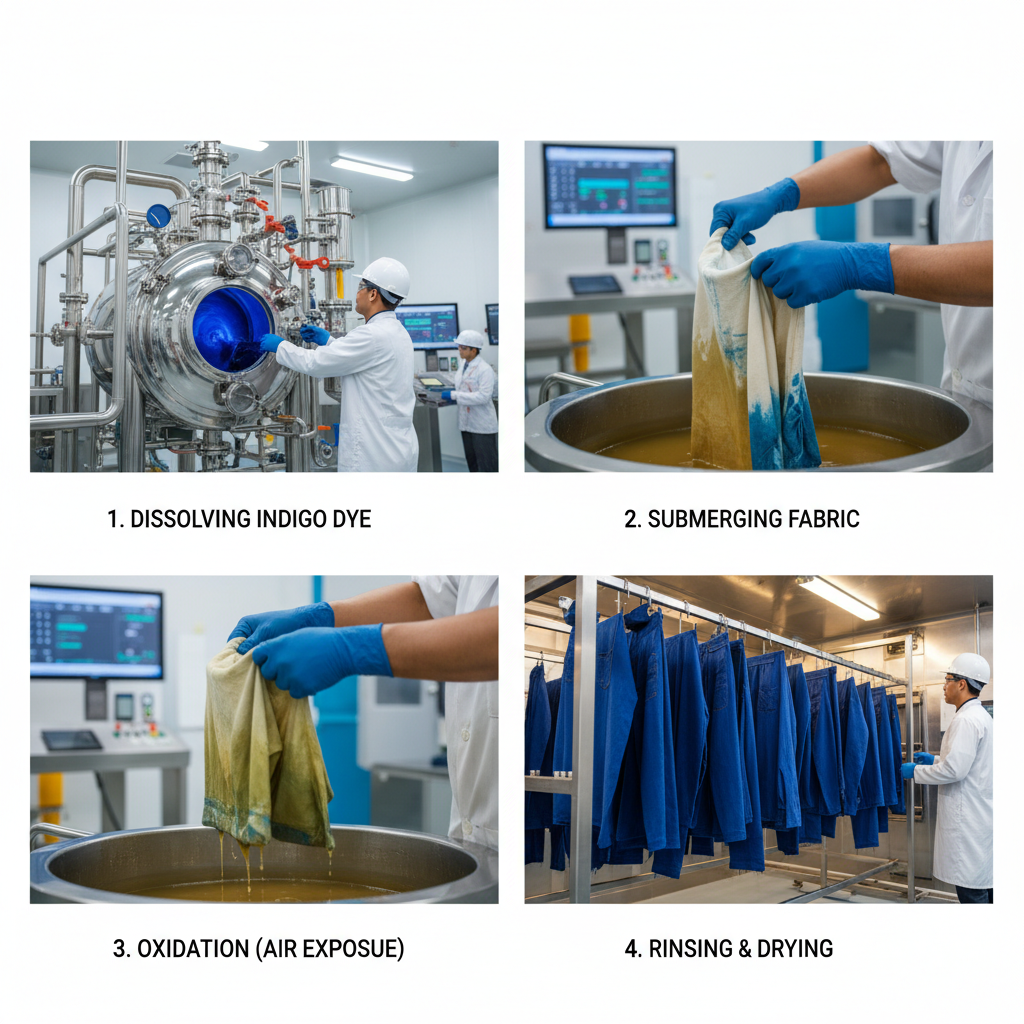
The chemistry involves reducing the water-insoluble indigo into a soluble "leuco" form using reducing agents. Once the fabric is dipped and exposed to oxygen, the dye reverts to its insoluble blue state, trapping the pigment within the fiber structure. This complex redox reaction is what gives indigo-dyed fabrics their timeless aesthetic and structural durability.
Global Market Demand for Indigo Textiles
The global appetite for indigo dye clothes remains robust, driven largely by the ubiquity of denim in Western and Asian fashion markets. According to industry trade data, the denim segment continues to represent a significant portion of the global textile market, with an increasing shift toward "premium" and "raw" indigo products that emphasize authenticity and longevity.
However, the industry faces a critical challenge: the tension between mass production and ecological responsibility. Traditional indigo dyeing often requires heavy use of sodium hydrosulfite, which can lead to significant water pollution if not treated correctly. This has spurred a global movement toward "green chemistry," forcing manufacturers to innovate their dyeing vats to reduce chemical runoff.
As emerging markets in Southeast Asia and Africa expand their garment manufacturing capabilities, the demand for standardized, high-purity Indigo Blue and Sulphur Black has surged. This globalization ensures that indigo remains not just a fashion choice, but a critical industrial commodity that supports millions of jobs in the textile supply chain.
Technical Application Methods in Modern Dyeing
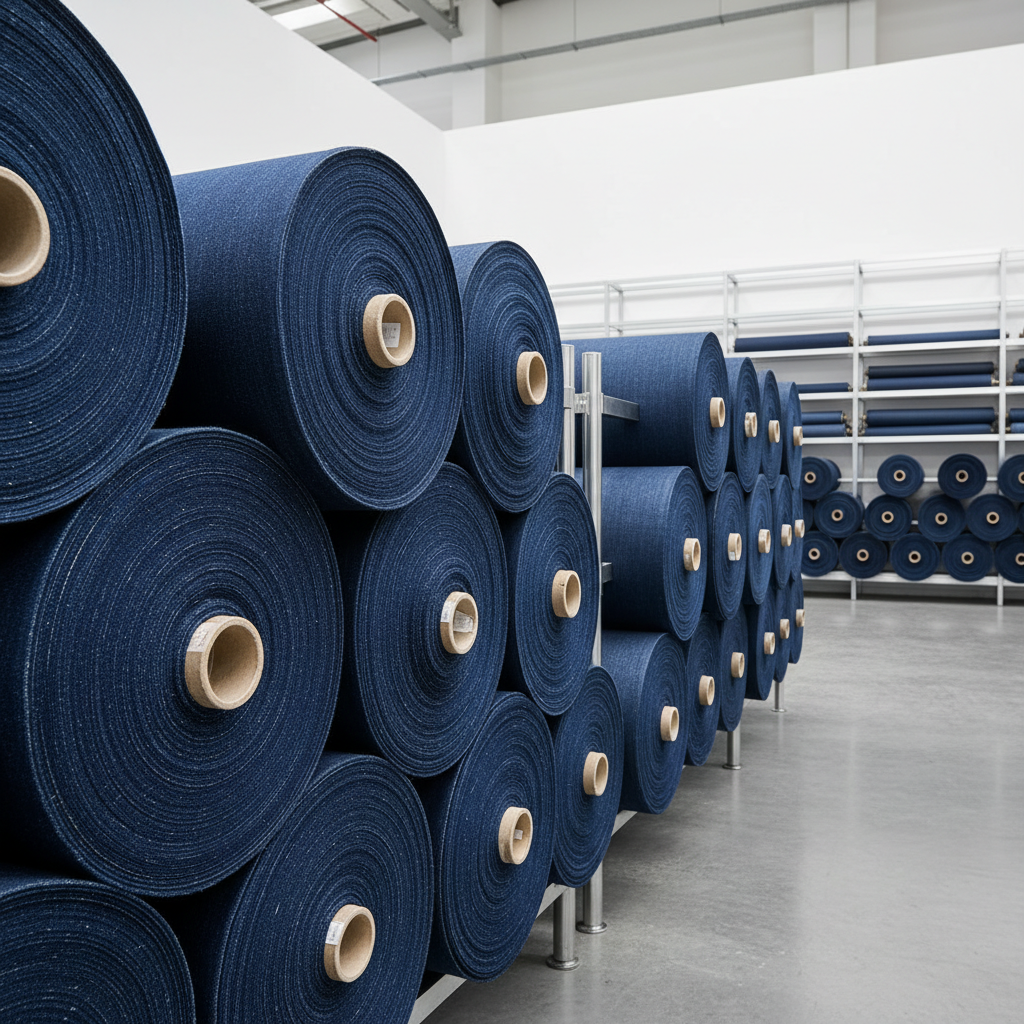
The application of pigments for indigo dye clothes varies significantly depending on the desired final effect. Rope dyeing is the gold standard for high-end denim, where yarns are bundled into ropes and passed through multiple dye baths to ensure deep penetration and consistency across the entire fabric roll.
In contrast, slasher dyeing is often used for more cost-effective production, applying the indigo dye directly to the fabric after weaving. While more efficient, this method requires precise control over the chemical concentration of the Indigo Blue to avoid streaking or uneven coloring in the final indigo dye clothes.
Modern facilities are now integrating automated dosing systems to maintain the pH and redox potential of the dye vats. By utilizing sensors to monitor the leuco-indigo levels in real-time, manufacturers can reduce waste and ensure that every batch of clothes meets the exact color specifications requested by the brand.
Performance Metrics of Indigo Dye Varieties
Evaluating the efficacy of different dyes used in indigo dye clothes involves measuring parameters such as crocking (color rub-off), wash-fastness, and shade depth. Different formulations, such as Bromo Indigo or Sulphur Black, offer varying levels of stability and visual intensity, depending on whether the garment is intended for rugged workwear or high-fashion apparel.
The balance between "ring dyeing" efficiency and color depth is a key performance indicator. A high-quality indigo dye should allow for a sharp contrast between the blue surface and white core, which is essential for achieving the sought-after "vintage" look after limited wear.
Indigo Dye Performance Comparison
Environmental Impact and Sustainable Innovations
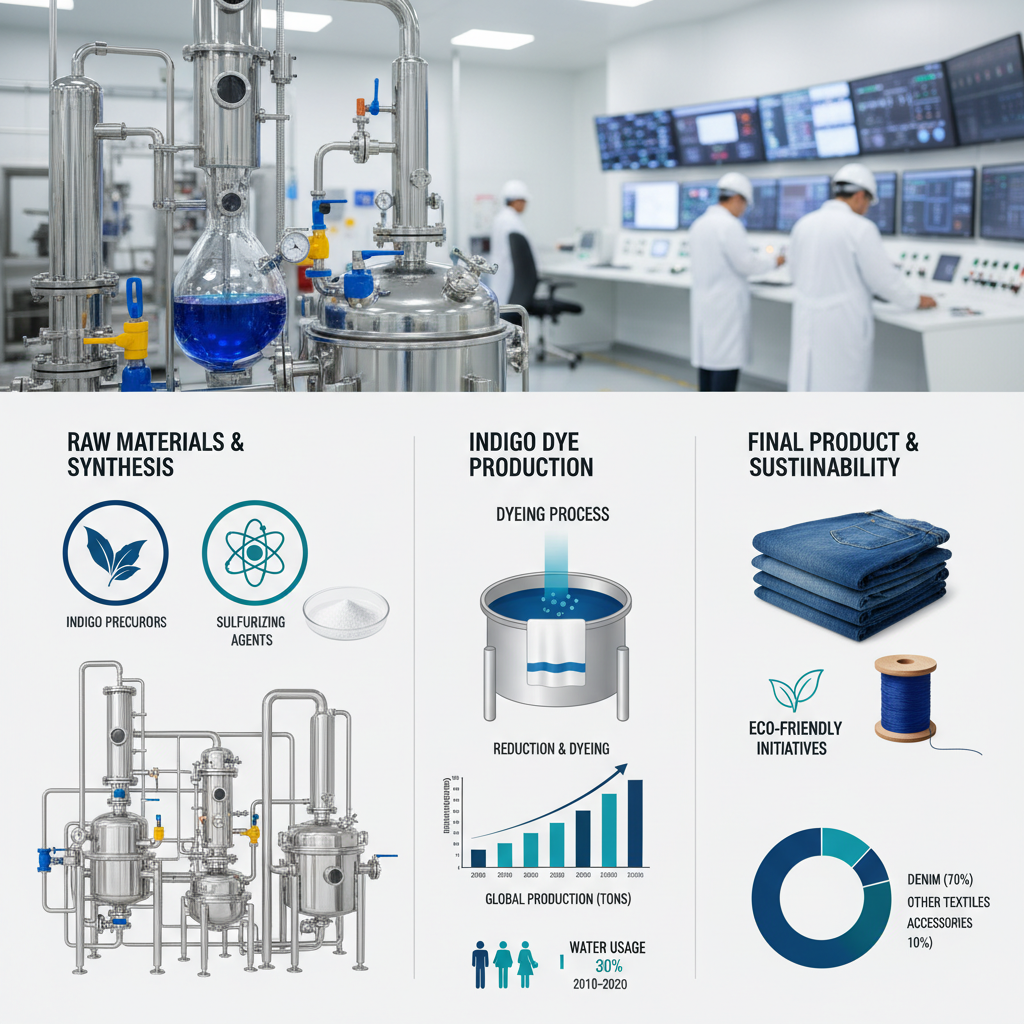
The environmental footprint of indigo dye clothes has come under intense scrutiny due to the toxicity of traditional reducing agents. Innovation in "pre-reduced" indigo has significantly lowered the chemical demand in the dye house, reducing the volume of salts and sulfides released into wastewater streams.
Furthermore, the rise of bio-synthetic indigo—produced through fermentation using engineered bacteria—promises a future where the vibrant blue of our clothes no longer relies on petrochemical precursors. This shift toward circularity is not just an ethical choice but a strategic necessity for brands aiming to maintain their social license to operate in a green economy.
Quality Control and Color Consistency Standards
Maintaining a consistent shade across thousands of meters of fabric is one of the most difficult tasks in producing indigo dye clothes. Factors such as water temperature, oxidation time, and the purity of the Indigo Blue can lead to "shading" issues, where different rolls of fabric vary slightly in hue.
To combat this, advanced spectrophotometry is used to analyze the color coordinates (Lab values) of the fabric. By comparing these values against a master standard, quality control teams can make precise adjustments to the dye bath concentration to ensure a uniform appearance across entire garment collections.
Beyond color, the physical integrity of the fabric must be monitored. Excessive exposure to strong reducing agents can degrade the cellulose fibers of the cotton, leading to reduced tensile strength. A balanced dyeing cycle ensures that the clothes are both visually stunning and structurally sound.
Comparative Analysis of Indigo Pigments
When selecting a dye for indigo dye clothes, manufacturers must choose between different chemical variations. Indigo Blue offers the classic denim look, while Sulphur Black is often used for deeper, more saturated dark-wash styles. Bromo Indigo provides a specialized bridge, offering unique light-fastness properties that are highly valued in specialized industrial workwear.
The choice of pigment affects not only the color but also the "feel" or hand-feel of the fabric. Sulphur dyes, for instance, can leave the fabric feeling slightly stiffer, whereas pure Indigo Blue preserves the natural softness of the cotton, making it preferable for luxury consumer apparel.
Ultimately, the integration of these different dyes allows for a wide spectrum of blue-to-black gradients. By blending different pigment types, designers can create custom washes that mimic natural aging or provide a modern, monochromatic aesthetic.
Comparison of Indigo Dyeing Agents and their Industrial Properties
|
Dye Variety
|
Wash-Fastness
|
Eco-Impact Score
|
Primary Application
|
| Indigo Blue |
Moderate (Fade-ready) |
7/10 |
Classic Denim Jeans |
| Bromo Indigo |
High |
6/10 |
Industrial Workwear |
| Sulphur Black |
Very High |
5/10 |
Dark-Wash Apparel |
| Pre-reduced Indigo |
Moderate |
9/10 |
Sustainable Fashion |
| Bio-Indigo |
Moderate |
10/10 |
Eco-Luxury Line |
| Hybrid Indigo Blend |
High |
8/10 |
Premium Streetwear |
FAQS
Indigo is a vat dye that resides primarily on the surface of the fiber rather than penetrating the core. As you wear the garment, friction and washing physically remove these surface particles, revealing the white core of the yarn. This unique "crocking" and fading process is highly prized in denim culture as it creates a personalized wear pattern.
It depends on the goal. Sulphur Black provides a much deeper, more permanent black-blue hue with higher wash-fastness. If you want a garment that stays dark and does not fade, Sulphur Black is superior. However, if you want the classic, evolving look of denim, Indigo Blue is the necessary choice.
Manufacturers can switch to pre-reduced indigo to minimize the use of harsh reducing agents like sodium hydrosulfite. Additionally, implementing closed-loop water filtration systems and exploring bio-synthetic indigo can drastically reduce the chemical load on the environment while maintaining color quality.
Rope dyeing occurs at the yarn stage, where bundles of yarn are dipped multiple times, ensuring a very consistent and deep blue color. Slasher dyeing occurs after the fabric is woven, applying the dye to the flat sheet of cloth. Rope dyeing is generally higher quality and more expensive, while slasher dyeing is faster and more economical.
Yes, though Bromo Indigo is often favored for its stability in industrial settings, its enhanced light-fastness makes it an excellent choice for high-end outdoor apparel or clothing exposed to heavy sunlight, ensuring the blue doesn't bleach out as quickly as standard indigo.
Since indigo is a surface pigment, "bleeding" is common. To minimize this, wash indigo dye clothes inside out in cold water with a pH-neutral detergent. Using a vinegar rinse can sometimes help set the dye, though the nature of indigo means some amount of transfer is inevitable in the first few washes.
Conclusion
The production and application of indigo dye clothes represent a masterful blend of historical tradition and cutting-edge chemical engineering. From the technical precision of rope dyeing to the innovative adoption of bio-synthetic pigments, the industry is successfully navigating the transition toward a more sustainable and efficient future without sacrificing the iconic aesthetic that makes indigo so globally beloved.
As we look forward, the integration of smart manufacturing and green chemistry will continue to redefine the boundaries of textile production. For brands and manufacturers, the key to success lies in balancing the raw, authentic appeal of indigo with a commitment to environmental stewardship. We invite you to explore our high-purity dyeing solutions to elevate your textile quality. Visit our website: www.wuxin-group.com