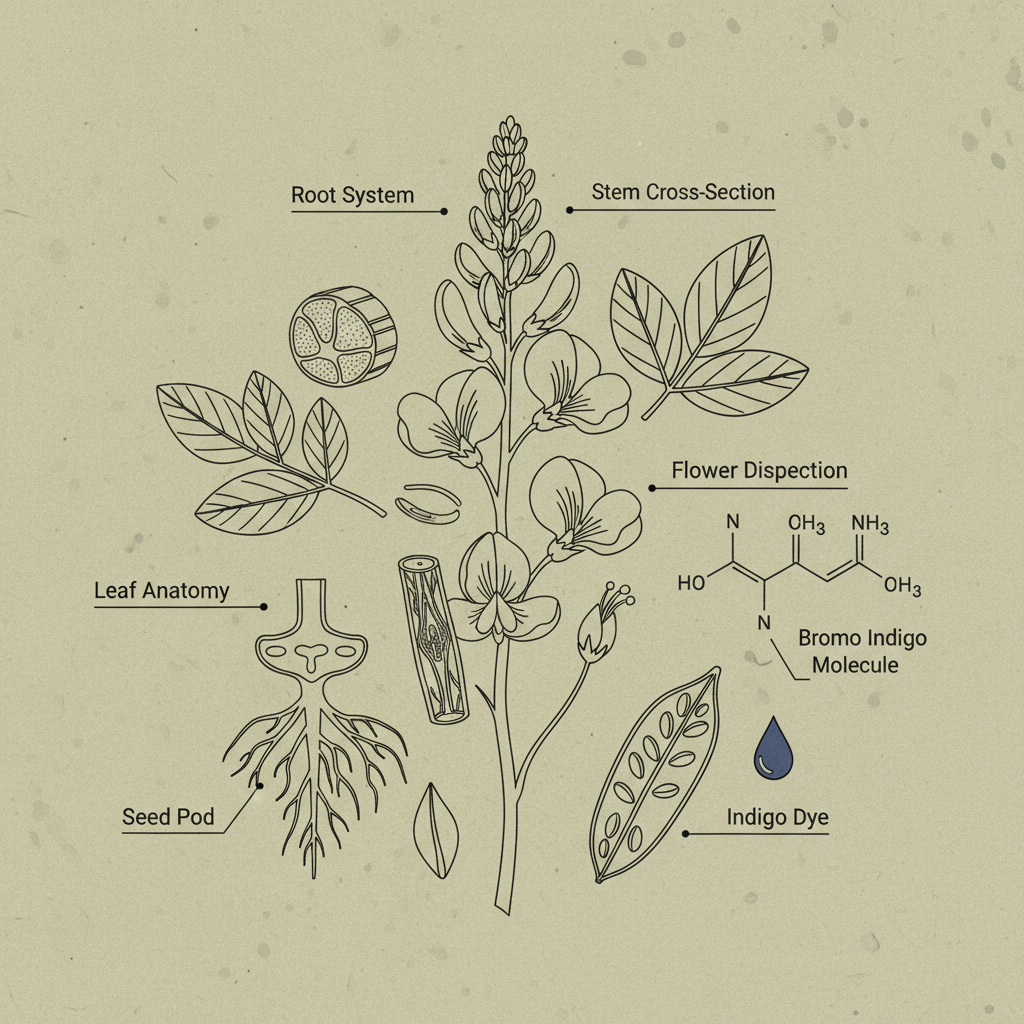
Natural indigo denim represents a fascinating intersection of historical textile practices and modern sustainable manufacturing. For centuries, indigo has been prized for its rich, deep hues, but the synthetic production of indigo has carried significant environmental consequences. The resurgence of natural indigo denim offers a compelling alternative, promising not just aesthetic appeal, but also a reduced ecological footprint and support for traditional artisan communities. This exploration delves into the nuances of natural indigo denim, its processes, applications, and future potential.
The global demand for denim remains incredibly high, with billions of meters produced annually. However, conventional indigo dyeing is a water-intensive and chemically-polluting process. The shift towards natural indigo addresses these issues, aligning with growing consumer awareness and demand for ethically produced goods. Organizations like the UN Environment Programme and the World Bank are increasingly emphasizing sustainable textile practices, creating a favorable environment for the adoption of natural indigo denim.
Understanding the intricacies of natural indigo denim is crucial for anyone involved in the textile industry, from designers and manufacturers to retailers and consumers. It represents a move towards circularity, reduced reliance on fossil fuels, and a revitalization of traditional skills. This comprehensive overview will uncover the key aspects of this evolving field, providing insights into its current state and future trajectory.
The Foundations of Natural Indigo Denim
The story of natural indigo denim begins long before the modern era. Indigo, derived primarily from plants of the Indigofera genus, has been used as a dye for thousands of years, with evidence found in ancient civilizations across Asia, Africa, and the Americas. Traditional methods of indigo extraction and dyeing were deeply ingrained in cultural practices, often involving complex fermentation processes and skilled craftsmanship.
The industrial revolution brought about the development of synthetic indigo, which offered a cheaper and more readily available alternative. However, this came at a cost. The synthetic production of indigo relies on petrochemicals and generates substantial amounts of hazardous waste. The rediscovery of natural indigo denim isn’t simply a nostalgic trend; it’s a critical response to the environmental and social challenges posed by the conventional denim industry.
Defining Natural Indigo Denim
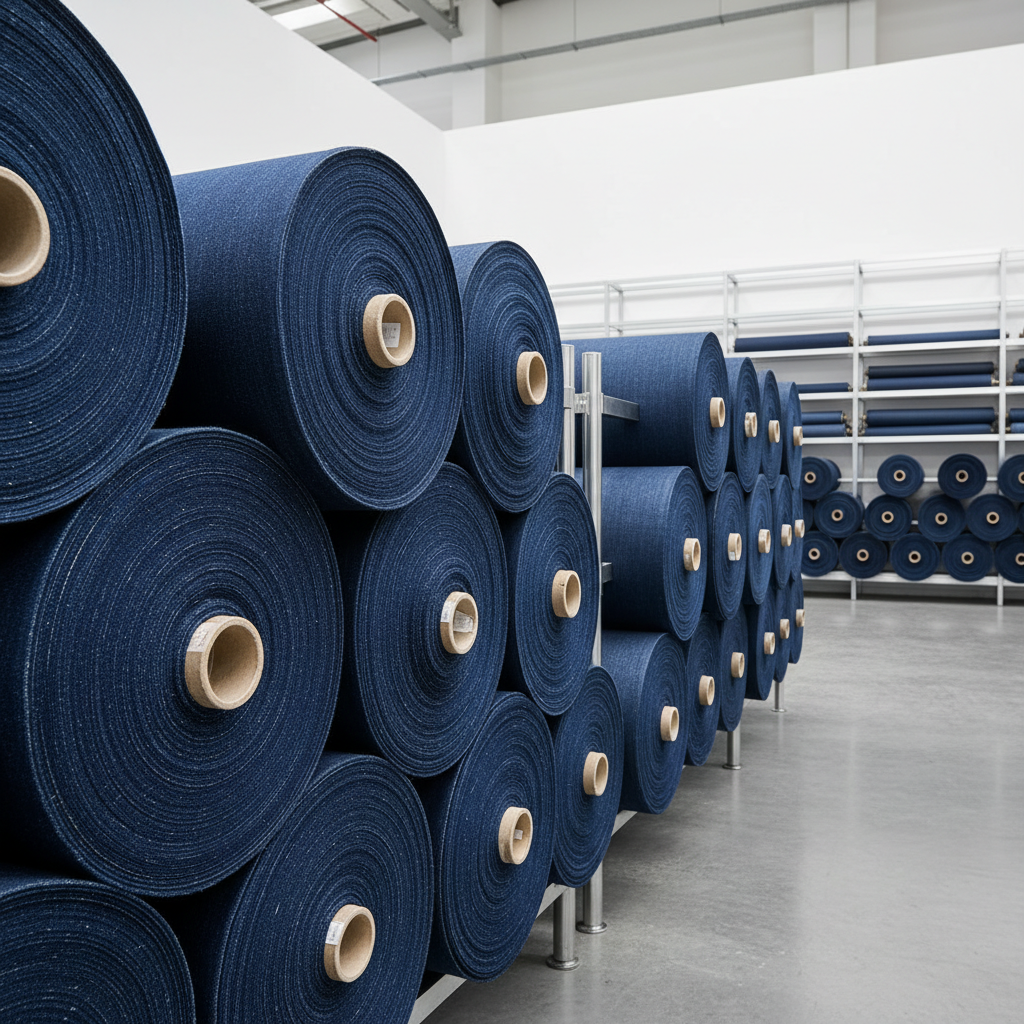
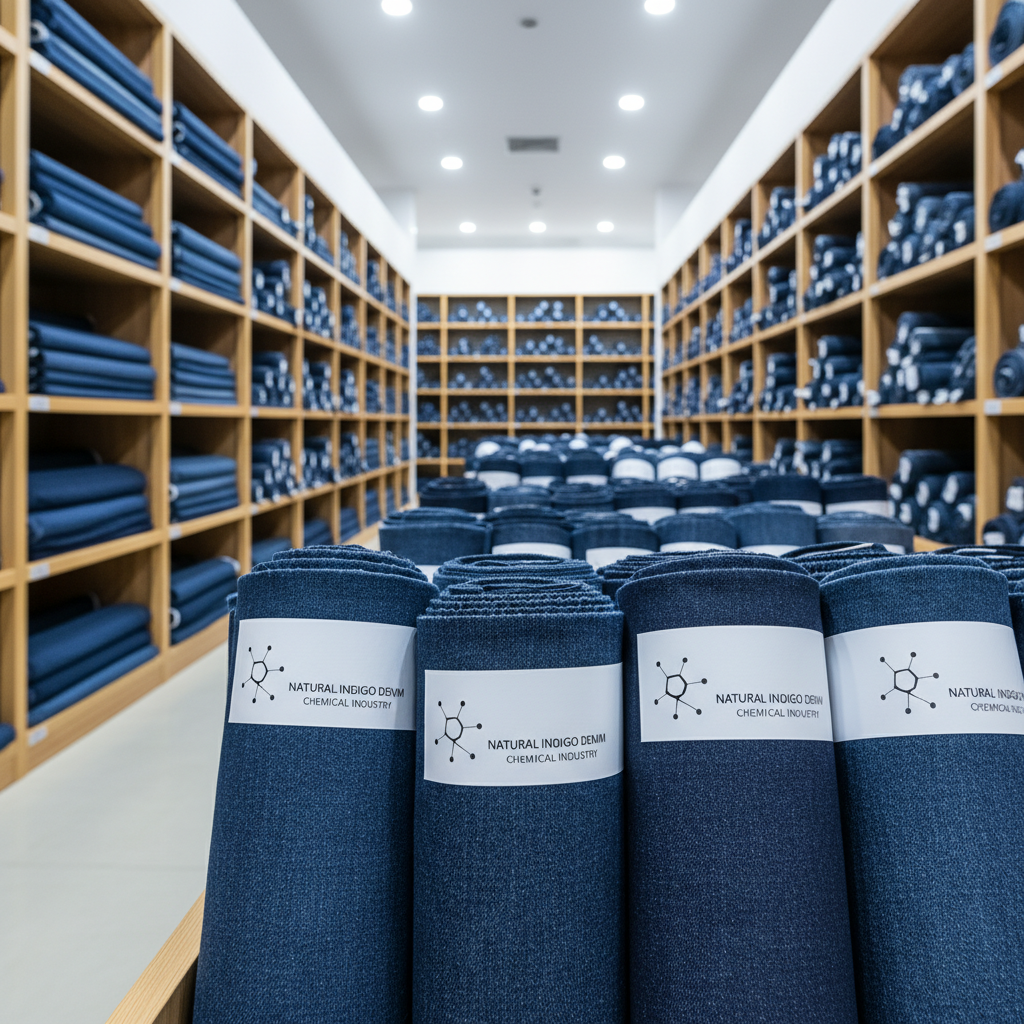
Natural indigo denim is defined as denim fabric dyed using indigo pigment derived from natural sources, predominantly the Indigofera plant. Unlike synthetic indigo, which is produced through chemical processes, natural indigo is extracted from the leaves of the plant through fermentation. This process yields a unique range of indigo shades, often characterized by subtle variations and a depth of color difficult to replicate with synthetic dyes.
The connection to modern industry lies in the growing demand for sustainable and ethically sourced materials. Consumers are increasingly seeking transparency in supply chains and products with a reduced environmental impact. Natural indigo denim caters to this demand, offering a viable alternative for brands committed to responsible manufacturing. It also aligns with humanitarian needs by supporting traditional farming practices and providing economic opportunities for artisan communities.
Crucially, ‘natural indigo denim’ should be distinguished from denim dyed with ‘bio-based indigo’ which, while marketed as sustainable, is often still produced using synthetic chemistry. True natural indigo denim utilizes a purely plant-derived source for its color.
Core Characteristics of Natural Indigo Denim
One of the defining characteristics of natural indigo denim is its unique color depth and shading. Due to the variations inherent in natural dye production, each garment exhibits subtle differences in hue, creating a more organic and personalized aesthetic. This also translates to a more nuanced fade pattern as the denim wears, compared to the uniform fading often seen with synthetic indigo.
Another key feature is the perceived ‘softness’ of the dye. Natural indigo molecules bind to the cotton fibers differently than synthetic indigo, resulting in a less harsh feel and potentially improved comfort. Furthermore, natural indigo denim is often produced using less water and fewer chemicals compared to conventional denim, making it a more environmentally friendly option.
Finally, natural indigo denim can support a more robust and localized supply chain. By sourcing indigo from farms and processing it locally, brands can reduce transportation costs and carbon emissions while simultaneously creating jobs and economic opportunities within communities.
Performance Metrics of Natural Indigo Dyeing
Assessing the performance of natural indigo dyeing requires considering several key metrics. Colorfastness, the resistance of the dye to fading or bleeding, is a crucial factor. While early natural indigo dyeing techniques sometimes resulted in lower colorfastness compared to synthetic indigo, advancements in processing and mordanting (using natural fixatives) are significantly improving this aspect.
Comparison of Natural Indigo Dyeing Methods
Global Applications of Natural Indigo Denim
Natural indigo denim is gaining traction across diverse markets, particularly in regions with a strong emphasis on sustainability and ethical fashion. Japan, for example, has a long tradition of indigo dyeing and is a leading innovator in natural indigo denim production, renowned for its high-quality craftsmanship and unique finishes.
In Europe and North America, brands are increasingly incorporating natural indigo denim into their collections, catering to a growing consumer base that prioritizes eco-friendly options. This trend is particularly evident in the premium denim segment, where the unique characteristics of natural indigo are highly valued.
Benefits and Value Proposition of Natural Indigo Denim
The benefits of natural indigo denim extend beyond environmental sustainability. From a cost perspective, while initial production costs can sometimes be higher due to the labor-intensive nature of natural indigo extraction, long-term savings can be realized through reduced water usage and waste disposal. The smaller scale, more localized production also reduces supply chain vulnerabilities.
Socially, natural indigo farming and dyeing provide economic opportunities for rural communities, preserving traditional skills and promoting fair labor practices. The unique aesthetic qualities of natural indigo denim contribute to a sense of individuality and authenticity, enhancing brand value and consumer loyalty. From an emotional perspective, customers feel good about supporting a more ethical and sustainable product.
In terms of reliability, improvements in dyeing techniques and mordanting processes are consistently enhancing the colorfastness and durability of natural indigo denim, ensuring it can compete with conventionally dyed denim in terms of performance.
Future Trends and Innovations in Natural Indigo Denim
Several exciting trends are shaping the future of natural indigo denim. Innovations in biotechnology are exploring ways to optimize indigo production from plants, increasing yield and reducing reliance on land and water. Digital printing techniques are being adapted to work with natural indigo, allowing for greater design flexibility and reduced waste.
The integration of blockchain technology into the supply chain is enhancing traceability and transparency, allowing consumers to verify the authenticity and sustainability of natural indigo denim products. Furthermore, advancements in textile recycling are facilitating the circularity of denim, enabling the reuse of natural indigo-dyed fibers.
Policy changes promoting sustainable textile practices and incentivizing the adoption of natural dyes are also expected to play a crucial role in accelerating the growth of the natural indigo denim industry.
Key Challenges and Potential Solutions in Natural Indigo Denim Production
| Challenge |
Impact on Production |
Potential Solution |
Implementation Timeline |
| Limited Indigo Supply |
Restricts production scale, increases costs. |
Invest in sustainable indigo farming practices, biotechnology for yield improvement. |
Short-Term (1-2 years), Medium-Term (3-5 years) |
| Colorfastness Concerns |
Reduced product lifespan, potential for dye bleeding. |
Optimize mordanting techniques with natural fixatives, explore innovative dyeing processes. |
Short-Term (1 year) |
| Water Usage in Processing |
Contradicts sustainability goals, increases environmental impact. |
Implement closed-loop water recycling systems, explore waterless dyeing technologies. |
Medium-Term (2-4 years) |
| Cost of Production |
May make natural indigo denim less competitive with conventional options. |
Scale production, optimize supply chain, leverage government incentives for sustainable practices. |
Medium-Term (3-5 years) |
| Maintaining Quality Control |
Variability in natural dyes can lead to inconsistencies in color and finish. |
Implement rigorous quality control measures, standardized dyeing protocols. |
Short-Term (6 months-1 year) |
| Limited Awareness |
Low consumer demand due to lack of understanding of benefits. |
Invest in marketing and education to raise awareness about the value of natural indigo denim. |
Ongoing |
FAQS
Natural indigo denim utilizes indigo dye extracted from plants, primarily Indigofera species, unlike conventional denim which relies on synthetic, chemically produced indigo. This results in a more nuanced color, a softer feel, and a reduced environmental impact due to the absence of harsh chemicals and lower water consumption. It also often supports more ethical production practices, benefiting artisan communities involved in traditional indigo cultivation and dyeing.
Historically, natural indigo denim sometimes had concerns about colorfastness. However, modern techniques involving improved mordanting processes (using natural fixatives) and optimized dyeing methods have significantly enhanced the durability and color retention of natural indigo denim. With proper care, it can be just as long-lasting and durable as conventionally dyed denim, and often develops a unique and desirable patina with wear.
Look for brands that are transparent about their sourcing and manufacturing processes. Certifications from organizations verifying sustainable textile practices can also be a good indicator. The color of natural indigo denim often has subtle variations and a depth that is difficult to replicate with synthetic dyes. The brand should be able to provide information about their indigo source and dyeing methods.
Typically, natural indigo denim tends to be priced higher than conventional denim due to the increased labor costs associated with natural indigo extraction and dyeing, as well as the often smaller-scale production runs. However, the long-term benefits—durability, sustainability, and ethical production—can justify the higher price point for consumers who prioritize these values. As production scales up and technologies improve, the price gap may narrow.
To preserve the color and quality of natural indigo denim, it’s recommended to wash it inside out in cold water with a mild detergent. Avoid harsh chemicals, bleach, and excessive washing. Line drying is preferred to machine drying. Spot cleaning is often sufficient for minor dirt or stains. Following these care instructions will help maintain the unique character and longevity of your garment.
When practiced sustainably, natural indigo farming can have a positive environmental impact. It often requires less water and fewer pesticides than conventional cotton farming. It also promotes biodiversity and supports soil health. However, it's important to ensure that indigo farms are adhering to responsible agricultural practices, including water conservation and fair labor standards.
Conclusion
Natural indigo denim represents a significant step towards a more sustainable and ethical fashion industry. By embracing traditional knowledge and innovative technologies, we can revitalize a time-honored craft while addressing the environmental challenges associated with conventional denim production. From its unique aesthetic qualities to its positive social and ecological impacts, natural indigo denim offers a compelling alternative for conscious consumers and responsible brands.
Looking ahead, continued investment in research and development, coupled with supportive policies and consumer education, will be crucial for accelerating the adoption of natural indigo denim. By choosing natural indigo, we are not just selecting a garment; we are investing in a future where fashion is a force for good, promoting environmental stewardship, social equity, and the preservation of cultural heritage. Visit our website to explore our commitment to natural indigo denim: www.wuxin-group.com.