

Comprehensive Guide to odm Indigo Blue Denim: Global Trends and Sustainability Insights
Understanding odm indigo blue denim: A Global Insight
When most of us think about denim, it's probably those classic jeans hanging in our closet. But odm indigo blue denim is not just any fabric; it's a versatile material with industrial and design implications stretching far beyond fashion. Globally, this textile matters because it represents a blend of tradition, innovation, and sustainability in manufacturing that impacts economies, cultures, and industries worldwide.
Why bother understanding it thoroughly? Well, from fashion hubs in Europe to manufacturing centers across Asia, grasping what odm indigo blue denim entails offers insights into trade dynamics, environmental footprints, and evolving consumer demands. Plus, for businesses eyeing trending yet durable materials, this topic opens doors.
Introducing the Global Context of odm indigo blue denim
Denim production and trade is a multi-billion-dollar industry with millions of workers worldwide. According to the United Nations Conference on Trade and Development (UNCTAD), textile exports contribute substantially to developing countries’ livelihoods, particularly cotton-based materials like denim.
However, the denim dyeing process traditionally involves heavy water use and chemical treatments, leading to environmental concerns. The ISO 14001 standards now push manufacturers, like odm production hubs, towards greener practices—quite the challenge yet opportunity.
This is critical because the global market increasingly demands sustainable, ethically produced materials. And there lies the friction: how can odm indigo blue denim be made responsibly while maintaining its classic deep-blue hue and durability?
What Is odm Indigo Blue Denim, Exactly?
In straightforward terms, odm indigo blue denim refers to original design manufacturing (ODM) of denim fabric dyed with the iconic indigo dye. ODM means a manufacturer produces goods that brands can re-label and sell, streamlining product development while retaining originality and craftsmanship.
Indigo dyeing itself has centuries-old roots, prized for its rich blue color and unique fading characteristics. Today, odm indigo blue denim stands at the crossroads of traditional textile art and modern mass production, serving not just fashion but technical applications in uniforms, upholstery, and performance wear.
Core Components and Key Factors of odm Indigo Blue Denim
1. Durability and Fabric Weight
One of the reasons denim, especially indigo dyed, remains a staple is its sturdy weave and resistance to wear. In odm manufacturing, fabric weights ranging from 10 to 14 oz are typical, offering a balance between comfort and toughness.
2. Colorfastness and Dyeing Technology
Maintaining the signature deep blue requires mastery over dyeing techniques. Today’s ODM producers often use eco-friendly indigo dyes coupled with updated rinse and washing processes to ensure consistent colorfastness without sacrificing sustainability.
3. Scalability of Production
ODM suppliers must scale from small-batch artisan runs for niche brands to high-volume orders for global labels. Flexibility here is key — and it affects lead times and costs significantly.
4. Cost Efficiency and Supply Chain Integration
Smart ODM manufacturers provide turnkey solutions, enabling brands to avoid extensive capital investments while maintaining quality. This integration helps reduce shipping times, optimize material sourcing, and control pricing.
5. Environmental Impact and Sustainability
Frankly, environmental scrutiny is unavoidable. Initiatives like waterless dyeing, recycled cotton blends, and compliance with international environmental management standards are now critical selling points.
Product Specifications Overview
| Specification | Details |
|---|---|
| Fabric Type | 100% Cotton / Cotton Blends |
| Weight | 10 to 14 oz per sq yd |
| Dyeing Method | Traditional Indigo / Eco-Friendly Indigo |
| Width | 58 to 62 inches |
| Finish | Raw, Washed, Stone-washed |
| Certifications | ISO 14001, Oeko-Tex Standard 100 |
Global Applications & Use Cases
Oddly enough, odm indigo blue denim isn’t just for your next pair of jeans. For instance, textile manufacturers in Indonesia and Turkey use it for rugged workwear that withstands harsh environments—think construction sites or agricultural labor. Meanwhile, fashion brands in Japan and Italy prize high-grade ODM denim for premium collections that blend classic style with innovative wash techniques.
Another interesting application is in hospitality and transport sectors—for upholstery and seat covers. Indigo blue denim’s durability plus its timeless look works well in these contexts, where aesthetics and toughness collide.
Vendor Comparison Table
| Vendor | Location | Sustainability | Lead Time | MOQ |
|---|---|---|---|---|
| BlueThread Textiles | Turkey | Waterless Dyeing Technology | 4 weeks | 500 meters |
| IndigoCraft Co. | Indonesia | Organic Cotton Use | 6 weeks | 300 meters |
| Wuxin Group | China | ISO 14001, Eco Dyeing | 3 weeks | 1000 meters |
Advantages & Long-Term Value of odm Indigo Blue Denim
- Cost Efficiency: ODM partnerships reduce upfront investments and enable rapid market entry.
- Sustainability: Eco-conscious dyeing reduces water use by up to 80%, easing environmental impact.
- Reliability: Consistent quality across large orders supports brand reputation.
- Social Impact: Supports fair labor practices and community livelihoods in manufacturing hubs.
- Innovation: Ongoing R&D leads to smarter fabrics—stretch blends, wrinkle resistance, and more.
Combining emotional resonance with rational appeal, odm indigo blue denim represents more than fabric; it’s a symbol of trust, legacy, and forward-thinking craftsmanship.
Future Trends & Innovations in odm Indigo Blue Denim
The future feels promising. From digital textile printing that could reduce waste to bio-based indigo dyes that heal environmental scars, ODM denim is evolving fast. Automation in weaving and dyeing promises more precise production, while circular economy models are gaining traction, aiming to recycle denim waste for new fabric feedstock.
Furthermore, green energy powered factories and blockchain traceability are starting to emerge, ensuring transparency and reducing carbon footprints—trends that savvy buyers will want to watch closely.
Challenges & Expert Solutions
No journey is without bumps. For odm indigo blue denim, challenges like supply chain disruptions, dye consistency across batches, and water pollution risks persist. Industry experts suggest leveraging cloud-based demand forecasting to smooth out supply chain wobbles, adopting closed-loop water systems, and partnering with certified ODMs committed to sustainability.
FAQ: Frequently Asked Questions About odm Indigo Blue Denim
Q1: What distinguishes odm indigo blue denim from traditional denim?
A1: ODM indigo blue denim refers specifically to fabrics produced under Original Design Manufacturing arrangements, meaning manufacturers develop the fabric designs and produce at scale for brands. This differs from traditional sourcing where brands might dictate every step. ODM often results in faster turnaround and innovation due to manufacturer expertise.
Q2: How sustainable is odm indigo blue denim compared to conventional denim?
A2: Sustainability depends on the manufacturer’s processes. Many ODM producers now use waterless or low-water dyeing methods and organic cotton blends, which substantially reduce environmental impact compared to conventional denim production.
Q3: Can ODM denim manufacturers customize fabric weight and finishes?
A3: Absolutely. ODM suppliers typically offer a range of fabric weights from lightweight (~10oz) to heavyweight (~14oz) and multiple finishes like stone-wash, raw, or vintage to meet brand specifications.
Q4: What is the typical lead time for ordering odm indigo blue denim?
A4: Lead times vary by vendor and order size but commonly range from 3 to 6 weeks, factoring in fabric sourcing, dyeing, and finishing processes.
Q5: How can international brands connect with ODM denim manufacturers?
A5: Brands can establish relationships via trade platforms, industry exhibitions, or direct contact. Compliance with import/export regulations and clear communication around specifications are essential for smooth collaboration.
Conclusion: Wrapping It All Up
In real terms, odm indigo blue denim occupies a vital niche at the intersection of heritage, innovation, and sustainability. Understanding its nuances opens doors for brands aiming to blend quality craftsmanship with responsible production.
If you’re looking to explore this further or source high-quality ODM indigo blue denim, I’d recommend checking out odm indigo blue denim producers like Wuxin Group — they have a solid track record with eco-focused manufacturing and rapid delivery.
Ultimately, whether you’re in fashion design, industrial textiles, or sustainability consulting, knowing the ropes of odm indigo blue denim is an investment that pays off in both market insight and material excellence.
A small takeaway: great denim isn’t just what you wear — it’s what you build on.
-
Mastering the Art of China Japanese Indigo Dyeing Traditions
NewsApr.16,2026
-
Exploring the Elegance of China Deep Indigo Color in Textiles
NewsApr.09,2026
-
Discover High Quality China Jeans Blue Indigo for Global Markets
NewsApr.07,2026
-
Exploring the Rich Tradition of China Natural Indigo Dyed Fabric
NewsApr.04,2026
-
Exploring China Indigo Color in Nature History and Modern Applications
NewsMar.31,2026
-
Discover High Quality China Pure Indigo Powder for Vibrant Natural Dyeing
NewsMar.28,2026
-
Exploring the Rich History of China True Blue Indigo Textiles
NewsMar.26,2026
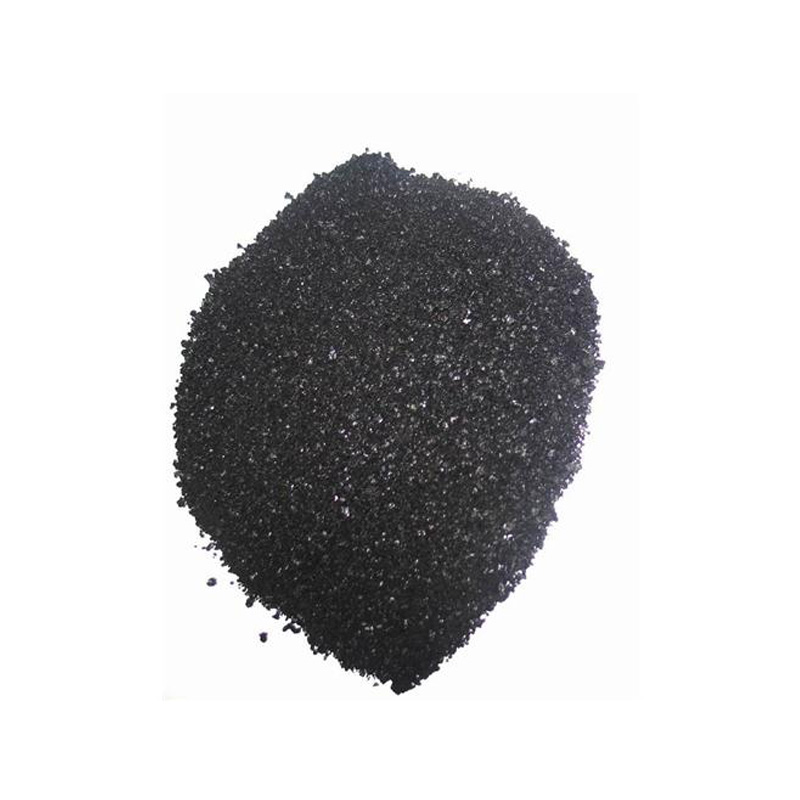
Sulphur Black
1.Name: sulphur black; Sulfur Black; Sulphur Black 1;
2.Structure formula:
3.Molecule formula: C6H4N2O5
4.CAS No.: 1326-82-5
5.HS code: 32041911
6.Product specification:Appearance:black phosphorus flakes; black liquid
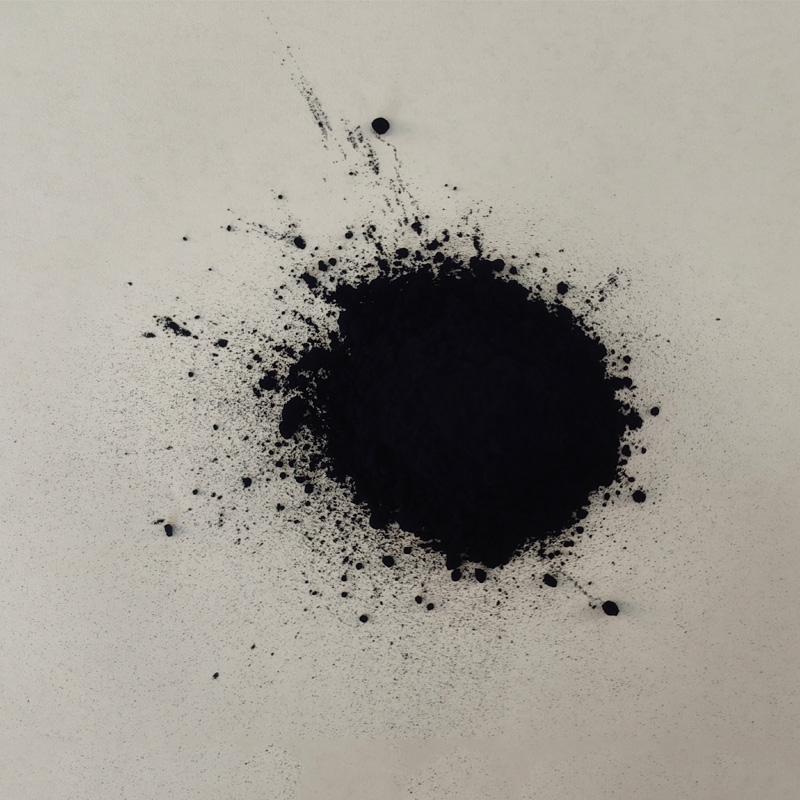
Bromo Indigo; Vat Bromo-Indigo; C.I.Vat Blue 5
1.Name: Bromo indigo; Vat bromo-indigo; C.I.Vat blue 5;
2.Structure formula:
3.Molecule formula: C16H6Br4N2O2
4.CAS No.: 2475-31-2
5.HS code: 3204151000 6.Major usage and instruction: Be mainly used to dye cotton fabrics.
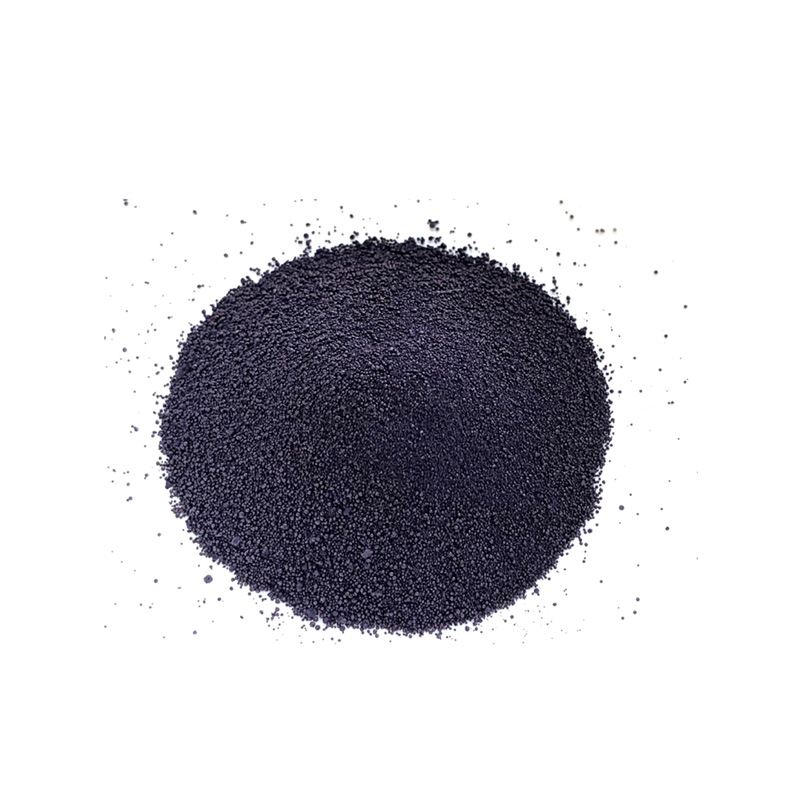
Indigo Blue Vat Blue
1.Name: indigo blue,vat blue 1,
2.Structure formula:
3.Molecule formula: C16H10N2O2
4.. CAS No.: 482-89-3
5.Molecule weight: 262.62
6.HS code: 3204151000
7.Major usage and instruction: Be mainly used to dye cotton fabrics.