

Comprehensive Guide to ODM Indigo Pigment Powder: Applications, Benefits & Trends
Understanding ODM Indigo Pigment Powder: A Global Industrial Staple
When you hear “odm indigo pigment powder,” what do you think? A mysterious chemical? A niche textile component? Well, it’s all that—and more. This pigment powder is a product crafted under Original Design Manufacturing, tailored for clients needing high-quality indigo dye in powder form. Globally, the indigo pigment market has grown steadily, largely because indigo is a timeless dye with roots stretching back millennia. Yet, in modern times, its sustainability and customizable nature give it newfound industrial clout. Frankly, understanding this product’s place in manufacturing—whether textiles, plastics, or even advanced coatings—opens doors to innovations in eco-friendly coloration and cost-efficient production.
Why ODM Indigo Pigment Powder Matters Globally
Indigo dye's history is ancient, but today it’s tied deeply to global sustainability goals and industrial scaling. According to ISO standards and environmental data tracked by the World Bank, manufacturers are pushed to reduce their chemical footprints. Indigo pigment powders designed through ODM routes not only meet these quality and environmental standards but also pave the way for regions where conventional liquid dyes pose challenges. For example, powder forms reduce transportation costs and risks of spillage, especially in developing countries or remote industrial zones.
But here’s the snag: many companies struggle with pigment consistency and supply chain reliability. ODM solutions solve that by providing customized powders meeting exacting specs—and that really helps ease production headaches globally.
What Exactly Is ODM Indigo Pigment Powder?
To keep it simple, ODM indigo pigment powder is a dry, finely milled substance used as a dyeing agent, primarily in textiles but also in plastics, inks, and coatings. “ODM” means the product is designed and manufactured according to a client’s specific needs, often under the client’s brand. This flexibility is crucial because industries need precise colorfastness, particle size distribution, and purity.
Interestingly, this dye powder also connects to humanitarian efforts: NGOs involved in sustainable textile production prefer powdered pigments for easier shipping and storage in challenging environments. So beyond factories, it’s part of a broader industrial ecosystem that includes humanitarian and environmental benefits.
Key Factors of ODM Indigo Pigment Powder
1. Durability
Durability refers to how well the pigment endures washing, sunlight, and chemical exposure. ODM producers ensure pigments have excellent colorfastness, which means dyed fabrics stay vibrant far longer than with basic dyes.
2. Scalability
The beauty of ODM manufacturing is the ability to scale production seamlessly. Whether you need small pilot batches for testing or massive industrial quantities for factories, ODM can handle it.
3. Cost Efficiency
Powdered indigo reduces shipping weight and volume. Compared with liquid indigo dyes, it lessens storage costs and is safer to handle, which translates to long-term savings.
4. Eco-Friendliness
ODM indigo pigment powders often have formula adjustments to minimize harsh chemicals, helping manufacturers adhere to environmental standards like REACH and Oeko-Tex.
5. Customization
Client specifications might call for different particle sizes, solubility profiles, or combined pigments—ODM providers flexibly meet these demands.
Typical ODM Indigo Pigment Powder Specifications
| Parameter | Typical Value |
|---|---|
| Particle Size | 10 - 20 µm |
| Purity | ≥ 98% |
| Moisture Content | ≤ 2% |
| Color Strength | High (industrial grade) |
| Colorfastness | Grade 4-5 (ISO standard) |
Comparing Leading ODM Providers of Indigo Pigment Powder
| Feature | Vendor A | Vendor B | Vendor C |
|---|---|---|---|
| Customization Level | High | Medium | High |
| Compliance Certifications | ISO 9001, REACH | ISO 14001 | REACH, Oeko-Tex |
| Delivery Speed | 2-3 weeks | 3-4 weeks | 1-2 weeks |
| Sustainability Focus | Strong | Medium | Strong |
| Typical Order Size | 100 kg - 5 tons | 50 kg - 2 tons | 10 kg - 10 tons |
Global Applications & Use Cases
ODM indigo pigment powders find their way into a surprising range of industries:
- Textile Production: Denim dyeing in South Asia and East Asia remains one of the biggest consumers, where powder pigments improve batch consistency.
- Plastic Manufacturing: Colored plastics for automotive components or household items rely on durable pigments that do not fade or degrade.
- Inks and Coatings: In Europe and North America, pigment powders enable eco-certified inks for printing and packaging, aligning with tightening environmental regulations.
- Post-Disaster Relief Efforts: NGOs shipping materials to remote areas benefit from powdered pigments for easier transport and storage without spill risks.
In short, the pigment’s mild chemical profile alongside ODM customization makes it versatile even in emerging markets with limited infrastructure.
Advantages & Long-Term Value
Why do manufacturers consistently choose ODM indigo pigment powders? The benefits are layered:
- Cost Savings: Reduced transportation and storage expenses add up. Less chemical waste means lower cleanup and disposal costs.
- Sustainability: Meets modern green manufacturing requirements by reducing harmful by-products, promoting circular economy principles.
- Reliability: OEM clients trust tailored pigment powders for consistent end-product quality.
- Social Impact: Using safer dyes supports factory worker health and enhances brand reputation.
Emotionally, it feels good to know these pigments support innovation that’s safe and sustainable—values increasingly important in purchasing decisions.
Future Trends & Innovations
Interestingly, the next wave involves nano-engineered pigments and bio-based indigo alternatives. Researchers in green chemistry are synthesizing indigo from renewable biomass, cutting down reliance on petrochemical precursors. Additionally, digital transformation in pigment supply chains promises transparency and real-time quality control—quite a game changer for ODM projects.
Automation in pigment mixing and packaging means clients can expect faster turnaround times—with less human error. And as legislation tightens globally on chemical usage, expect more ODM providers to adopt eco-labels and circular production models.
Challenges & Solutions
That said, it’s not all smooth sailing. A key challenge remains variability in raw material quality, which can cause batch inconsistency. Also, the costs of adapting formulations for specific clients sometimes slow production.
Solutions are emerging, from AI-driven ingredient testing to modular manufacturing lines enabling quicker formula tweaking. Collaboration between clients and ODMs is increasingly critical to align expectations and delivery.
FAQ: Frequently Asked Questions About ODM Indigo Pigment Powder
- Q: How does ODM indigo pigment powder differ from traditional indigo dye?
- A: Unlike traditional liquid dyes, ODM indigo pigment powders are dry, customizable to client needs, and easier to transport safely. They typically offer improved shelf life and color consistency.
- Q: Can ODM indigo pigment powders be used in eco-friendly textile production?
- A: Absolutely. Many ODM providers meet REACH and Oeko-Tex standards, ensuring pigments have reduced environmental impact and improved worker safety.
- Q: What is the typical lead time for an ODM indigo pigment powder order?
- A: Depending on quantity and customization, lead times vary from 1 to 4 weeks. Smaller test batches usually ship faster.
- Q: How can international companies work with ODM pigment powder suppliers to ensure compliance?
- A: Reputable ODMs provide full certification documentation and often work closely with clients during formulation to meet regional or industry-specific standards.
Conclusion
To sum up, odm indigo pigment powder is more than just a dye component—it’s a technological enabler aligning tradition with tomorrow’s sustainability demands. Whether for textiles, plastics, or innovative coatings, these powders offer efficiency, environmental benefits, and customization few other pigment forms can match.
Feeling inspired to explore the possibilities? Visit our website: odm indigo pigment powder to learn how we can tailor solutions for your needs.
Mini Takeaway: ODM indigo pigment powder stands at the crossroads of history, sustainability, and industrial innovation—a small but mighty player in the global pigment market.
References
-
Mastering the Art of China Japanese Indigo Dyeing Traditions
NewsApr.16,2026
-
Exploring the Elegance of China Deep Indigo Color in Textiles
NewsApr.09,2026
-
Discover High Quality China Jeans Blue Indigo for Global Markets
NewsApr.07,2026
-
Exploring the Rich Tradition of China Natural Indigo Dyed Fabric
NewsApr.04,2026
-
Exploring China Indigo Color in Nature History and Modern Applications
NewsMar.31,2026
-
Discover High Quality China Pure Indigo Powder for Vibrant Natural Dyeing
NewsMar.28,2026
-
Exploring the Rich History of China True Blue Indigo Textiles
NewsMar.26,2026
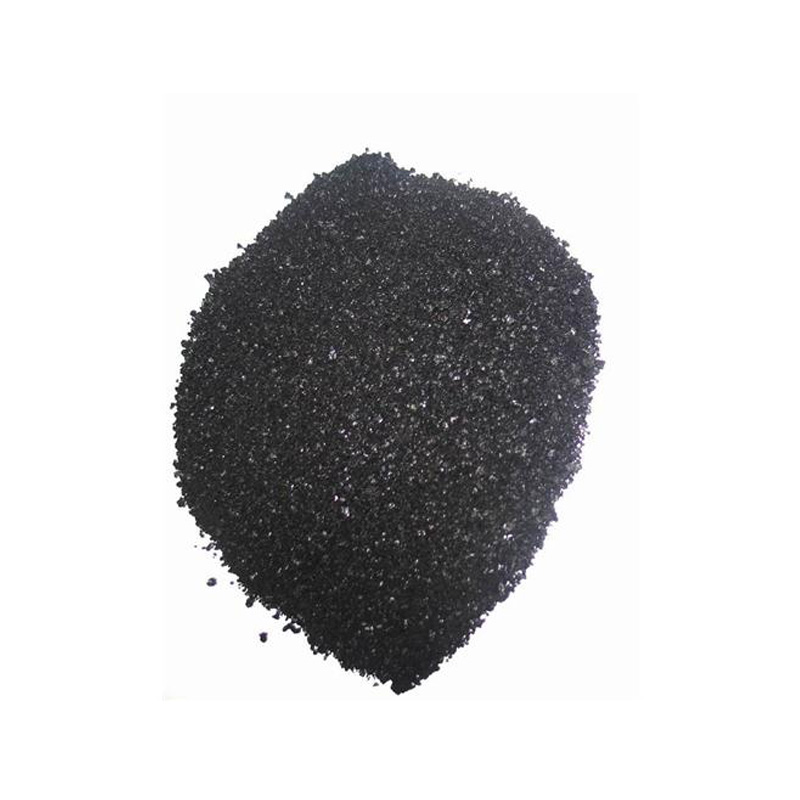
Sulphur Black
1.Name: sulphur black; Sulfur Black; Sulphur Black 1;
2.Structure formula:
3.Molecule formula: C6H4N2O5
4.CAS No.: 1326-82-5
5.HS code: 32041911
6.Product specification:Appearance:black phosphorus flakes; black liquid
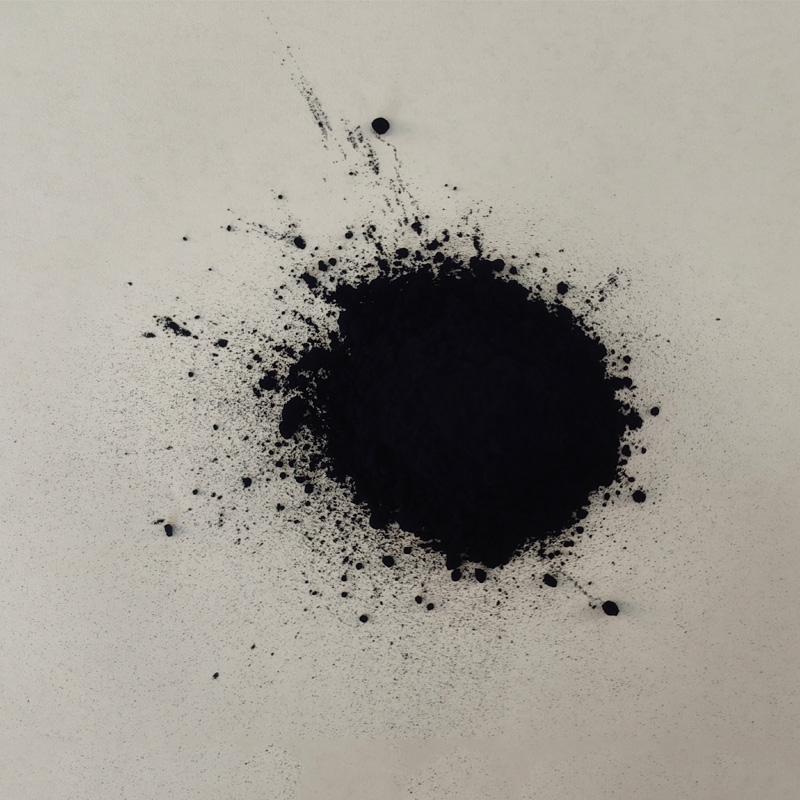
Bromo Indigo; Vat Bromo-Indigo; C.I.Vat Blue 5
1.Name: Bromo indigo; Vat bromo-indigo; C.I.Vat blue 5;
2.Structure formula:
3.Molecule formula: C16H6Br4N2O2
4.CAS No.: 2475-31-2
5.HS code: 3204151000 6.Major usage and instruction: Be mainly used to dye cotton fabrics.
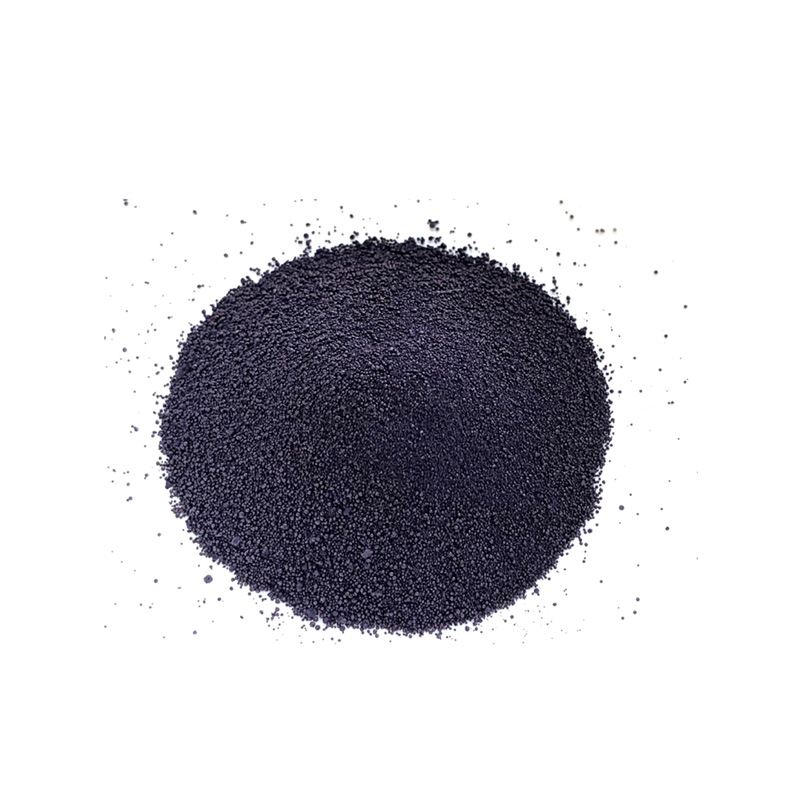
Indigo Blue Vat Blue
1.Name: indigo blue,vat blue 1,
2.Structure formula:
3.Molecule formula: C16H10N2O2
4.. CAS No.: 482-89-3
5.Molecule weight: 262.62
6.HS code: 3204151000
7.Major usage and instruction: Be mainly used to dye cotton fabrics.