

Exploring China Blue Dye Fabric Production Applications and Sustainable Sourcing
China Blue Dye Fabric: A Comprehensive Guide
China blue dye fabric represents a significant portion of the global textile market, renowned for its vibrant color, versatility, and cost-effectiveness. This article will explore the nuances of this fabric, from its production processes and applications to sourcing options and quality considerations. We will also delve into the evolving trends in sustainable dyeing practices. Whether you’re a fashion designer, manufacturer, or sourcing agent, understanding China blue dye fabric is crucial for success in today’s competitive market. You can find high-quality options at Wuxin Group.
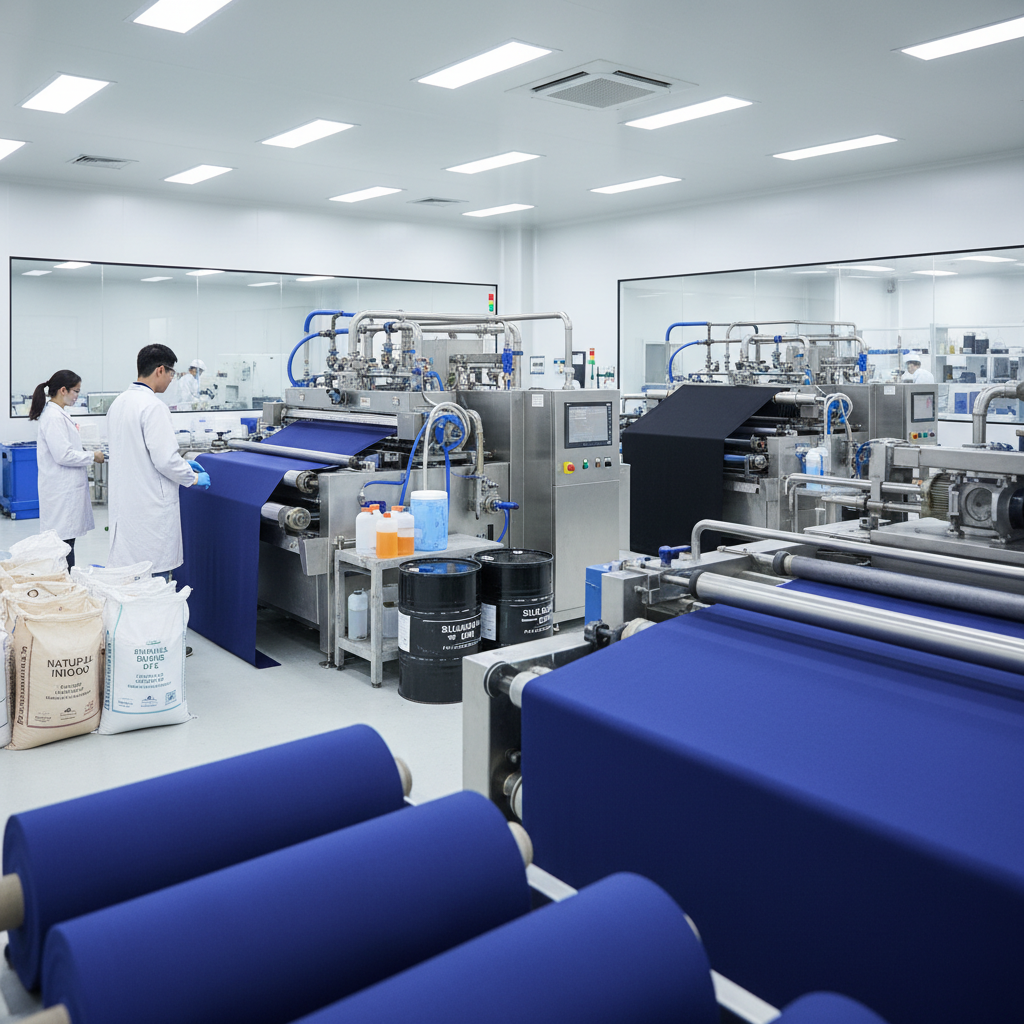
Understanding the Production of China Blue Dye Fabric
The production of China blue dye fabric primarily involves the dyeing of various textile substrates, such as cotton, polyester, rayon, and blends, using indigo-based dyes. Indigo dyeing has a rich history, and while traditional methods existed, modern processes utilize synthetic indigo for greater consistency and efficiency. The process typically includes pre-treatment of the fabric to ensure optimal dye absorption, followed by dyeing in large vats or continuous dyeing machines. Post-treatment processes like washing and finishing are then applied to enhance color fastness and improve the fabric’s texture and performance. Wuxin Group utilizes advanced dyeing technologies to ensure the highest quality standards.
Key Highlights: Modern processes utilize synthetic indigo for greater consistency and efficiency. Post-treatment processes like washing and finishing enhance color fastness.
Types of China Blue Dye & Fabric Weight
The shade of blue achieved with indigo dye can vary considerably, resulting in a spectrum of blues ranging from light sky blue to deep navy. Fabric weight, measured in grams per square meter (GSM), also plays a critical role in the fabric's drape, feel, and intended application. Lighter-weight fabrics (under 150 GSM) are ideal for shirts and summer dresses, while heavier-weight fabrics (200 GSM and above) are better suited for jeans, jackets, and upholstery.
Fabric Weight & Application
• Lightweight (under 150 GSM): Shirts, dresses
• Medium Weight (150-200 GSM): Blouses, skirts
• Heavyweight (200+ GSM): Jeans, jackets, upholstery
China Blue Dye Fabric vs. Other Blue Dye Fabrics
While numerous blue dyes are available, indigo dyeing stands out due to its unique characteristics. Compared to reactive dyes, indigo offers a distinctive visual depth and often a softer hand feel. Unlike vat dyes, indigo typically requires a different dyeing process and often results in a more nuanced color variation. The 'indigo' look is highly sought after in denim and casual wear, making it a preferred choice for many designers and manufacturers.
Sourcing China Blue Dye Fabric: Key Considerations
When sourcing China blue dye fabric, several factors are crucial. These include verifying the supplier's certifications (like OEKO-TEX Standard 100 for chemical safety), assessing their production capacity, and ensuring consistent quality control. It’s also essential to inquire about their sustainability practices, as consumers are increasingly demanding eco-friendly products. Wuxin Group provides comprehensive sourcing solutions and prioritizes ethical and sustainable production methods.
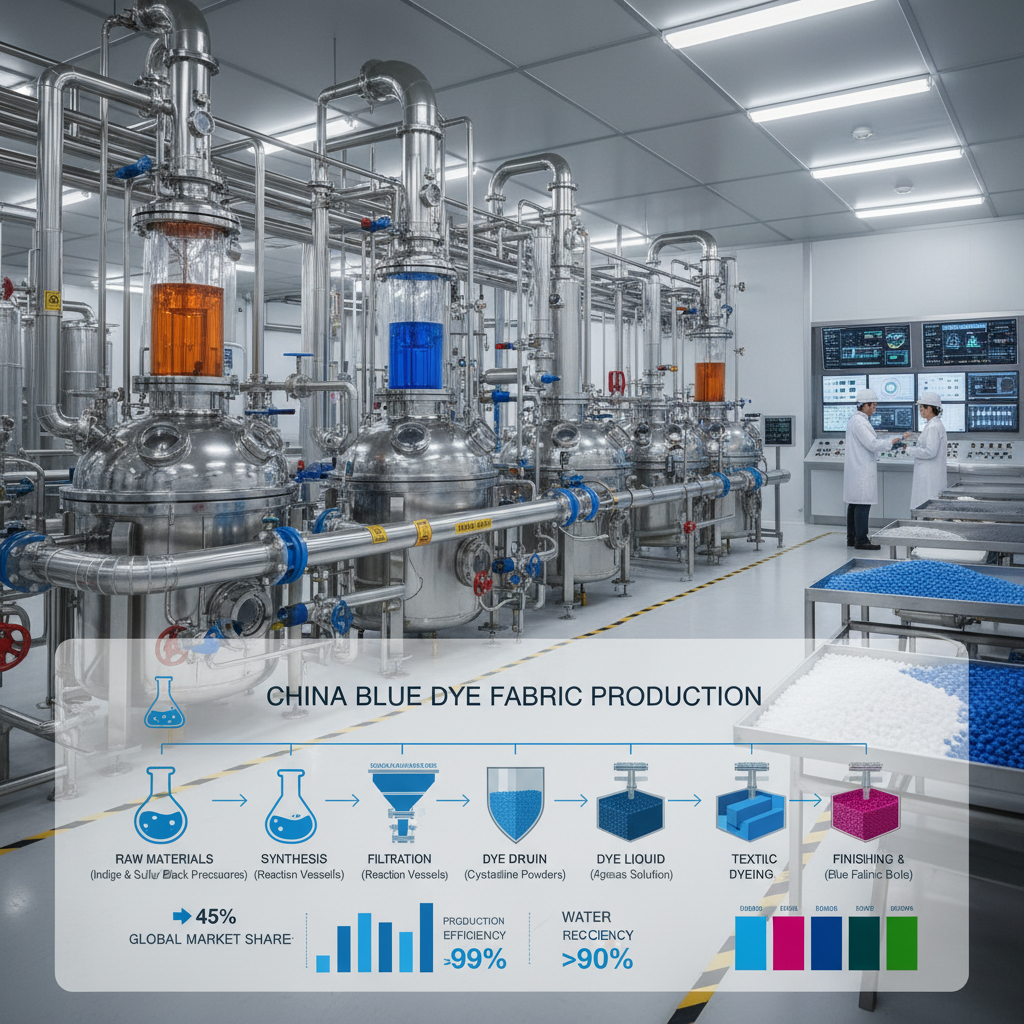
Sustainable Dyeing Practices & The Future of China Blue Dye Fabric
The textile industry is facing increasing pressure to adopt more sustainable practices. In the context of indigo dyeing, this includes reducing water consumption, minimizing chemical waste, and utilizing eco-friendly dyes and auxiliaries. Innovative techniques like foam dyeing and laser finishing are gaining traction, offering significant environmental benefits. As demand for sustainable textiles grows, manufacturers in China are increasingly investing in these technologies to remain competitive and meet the evolving needs of the market.
Conclusion: Embracing Quality and Sustainability in China Blue Dye Fabric
Choosing the right China blue dye fabric requires careful consideration of quality, sourcing, and sustainability. By partnering with reputable suppliers like Wuxin Group, you can ensure access to high-quality fabrics produced with ethical and environmentally responsible practices. Prioritizing sustainability is not just a trend but a necessity for the future of the textile industry.
Frequently Asked Questions (FAQs)
What is the colorfastness of China blue dye fabric?
Colorfastness refers to the fabric’s resistance to fading or bleeding when exposed to light, washing, or rubbing. The colorfastness of China blue dye fabric varies depending on the dyeing process and the quality of the dyes used. Generally, fabrics dyed with high-quality indigo and subjected to proper finishing treatments exhibit excellent colorfastness. Look for fabrics that have passed standardized tests like ISO 105 to ensure reliable performance. Reputable suppliers like Wuxin Group prioritize colorfastness in their production process.
Is China blue dye fabric suitable for all types of clothing?
China blue dye fabric can be used for a wide range of clothing applications, from casual wear like jeans and shirts to more formal garments. However, the suitability depends on the fabric weight, weave, and finish. Lighter-weight fabrics are ideal for summer clothing, while heavier-weight fabrics are better suited for outerwear. Consider the fabric's drape, texture, and breathability when choosing it for specific clothing types.
What certifications should I look for when sourcing China blue dye fabric?
When sourcing China blue dye fabric, look for certifications like OEKO-TEX Standard 100, which ensures the fabric is free from harmful chemicals. GOTS (Global Organic Textile Standard) certification verifies that the fabric is made from organic fibers and processed according to strict environmental and social criteria. Other relevant certifications include ISO 9001 (quality management) and ISO 14001 (environmental management).
How can I ensure I’m getting a good price for China blue dye fabric?
Negotiating price effectively requires understanding market rates, fabric quality, and order volume. Sourcing directly from manufacturers like Wuxin Group can often yield better prices than going through intermediaries. Comparing quotes from multiple suppliers, considering shipping costs, and building a long-term relationship can also contribute to favorable pricing.
-
Mastering the Art of China Japanese Indigo Dyeing Traditions
NewsApr.16,2026
-
Exploring the Elegance of China Deep Indigo Color in Textiles
NewsApr.09,2026
-
Discover High Quality China Jeans Blue Indigo for Global Markets
NewsApr.07,2026
-
Exploring the Rich Tradition of China Natural Indigo Dyed Fabric
NewsApr.04,2026
-
Exploring China Indigo Color in Nature History and Modern Applications
NewsMar.31,2026
-
Discover High Quality China Pure Indigo Powder for Vibrant Natural Dyeing
NewsMar.28,2026
-
Exploring the Rich History of China True Blue Indigo Textiles
NewsMar.26,2026
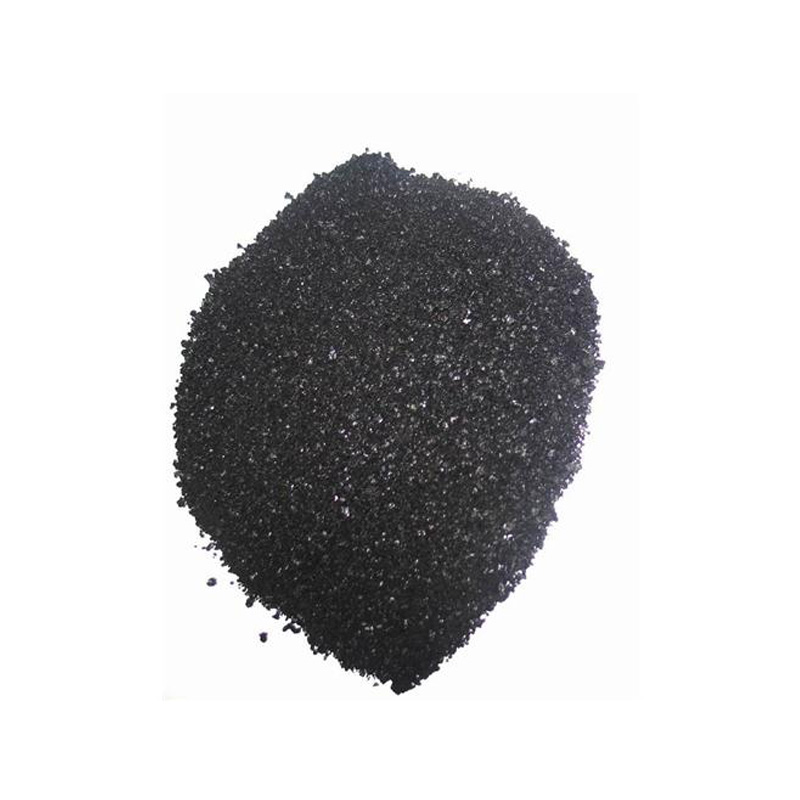
Sulphur Black
1.Name: sulphur black; Sulfur Black; Sulphur Black 1;
2.Structure formula:
3.Molecule formula: C6H4N2O5
4.CAS No.: 1326-82-5
5.HS code: 32041911
6.Product specification:Appearance:black phosphorus flakes; black liquid
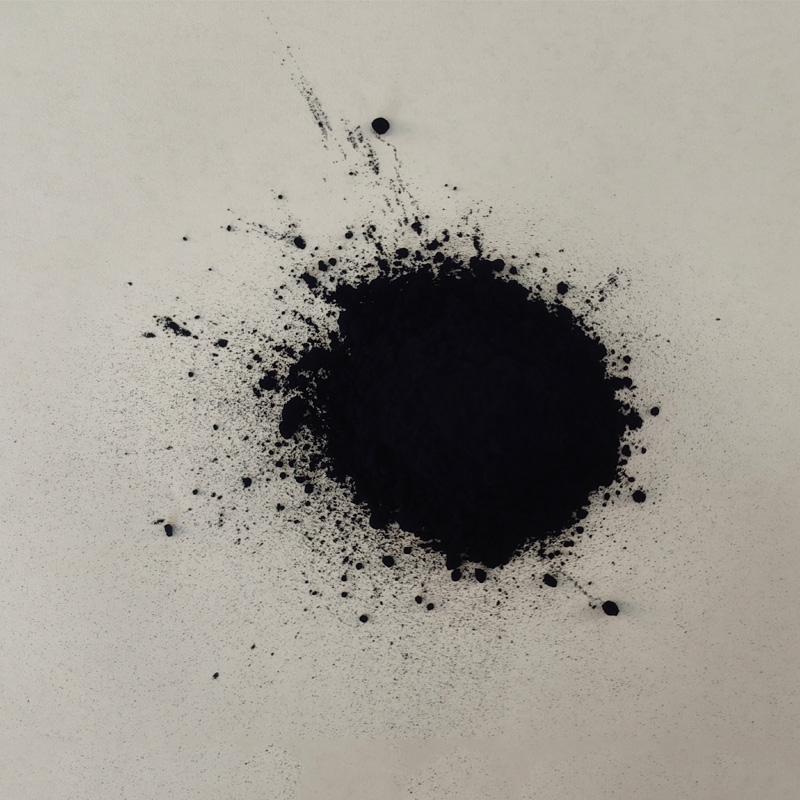
Bromo Indigo; Vat Bromo-Indigo; C.I.Vat Blue 5
1.Name: Bromo indigo; Vat bromo-indigo; C.I.Vat blue 5;
2.Structure formula:
3.Molecule formula: C16H6Br4N2O2
4.CAS No.: 2475-31-2
5.HS code: 3204151000 6.Major usage and instruction: Be mainly used to dye cotton fabrics.
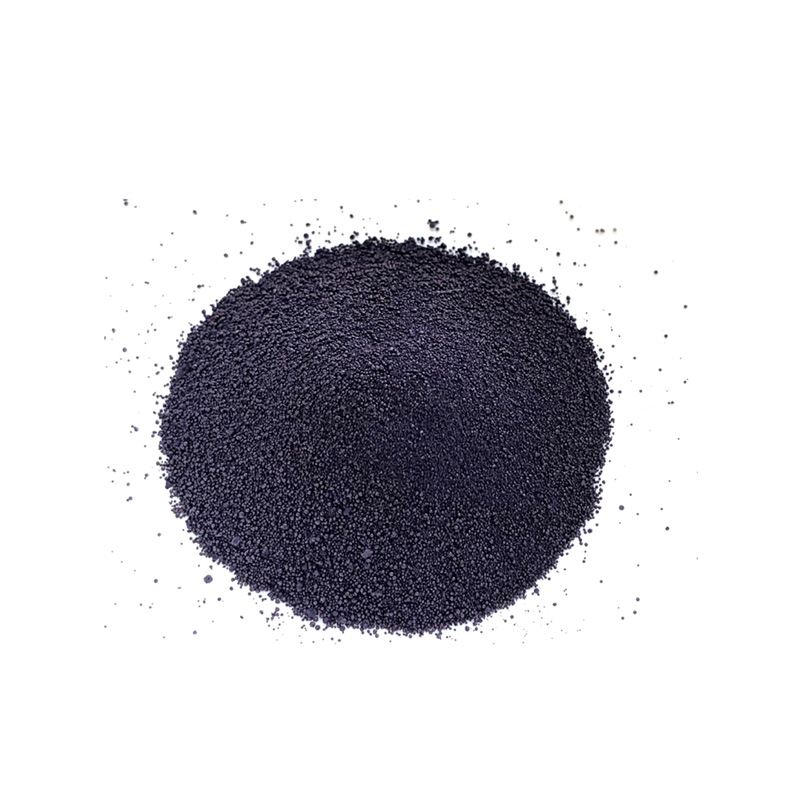
Indigo Blue Vat Blue
1.Name: indigo blue,vat blue 1,
2.Structure formula:
3.Molecule formula: C16H10N2O2
4.. CAS No.: 482-89-3
5.Molecule weight: 262.62
6.HS code: 3204151000
7.Major usage and instruction: Be mainly used to dye cotton fabrics.