

Exploring China Indigo in Nature Origins Uses and Sustainable Practices
China Indigo in Nature: A Deep Dive into its Origins, Uses, and Significance
For centuries, china indigo has been revered as a natural dye, transforming textiles into vibrant shades of blue. This isn't just a color; it's a story woven into the cultural fabric of numerous societies. This article explores the fascinating world of china indigo, tracing its natural origins, delving into its traditional and modern applications, and highlighting its growing importance in sustainable practices. We will examine its source plant, the indigofera tinctoria, and how this remarkable plant yields the dye that has captivated artisans for generations. Discover the enduring legacy of china indigo in nature.
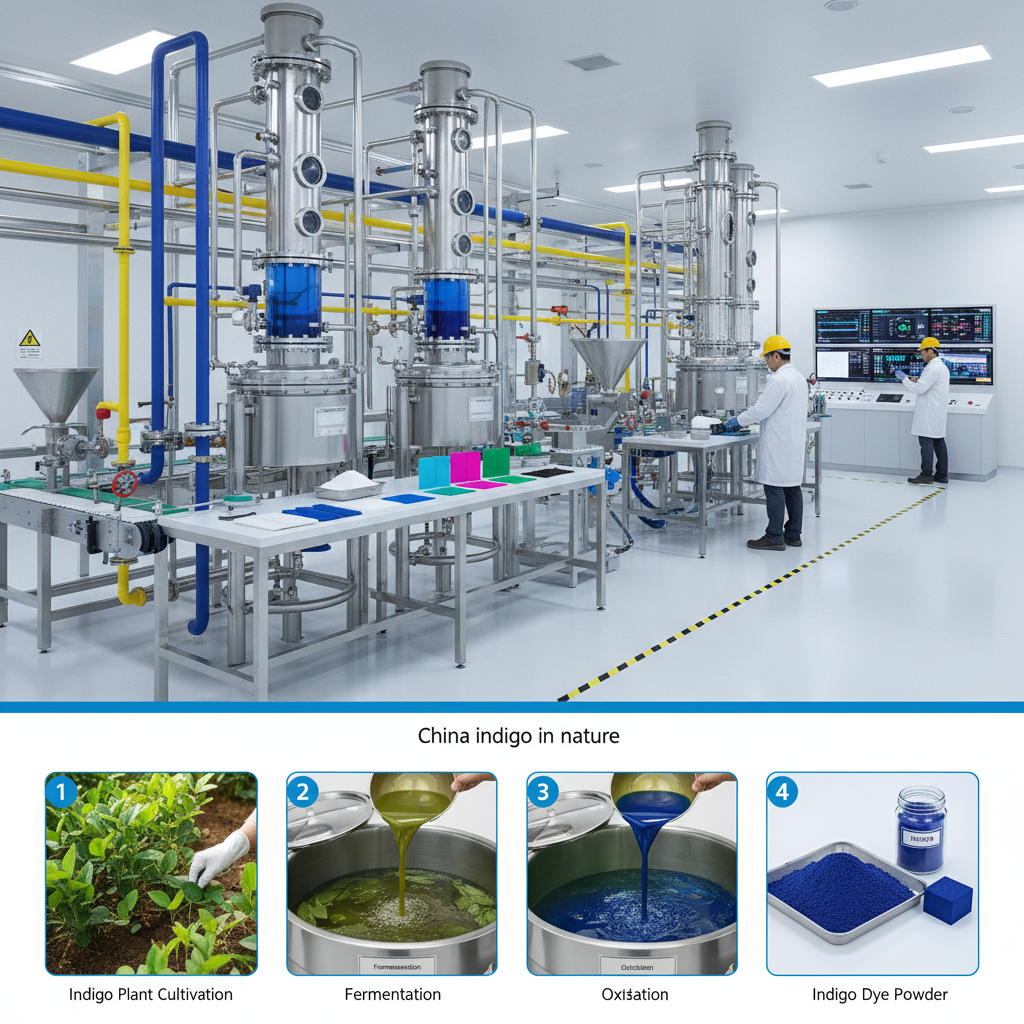
The Origins of China Indigo: Indigofera Tinctoria
The heart of china indigo lies in the Indigofera tinctoria plant, a leguminous shrub native to India and widely cultivated across Asia, including China. This plant has been a cornerstone of textile dyeing for over 6,000 years. The indigo molecule resides within the plant’s leaves, and its extraction is a careful process. Traditionally, the leaves are soaked in water and fermented, creating a process that breaks down the glycosides and releases the indigo. The resulting solution is then beaten or stirred to oxidize the indigo, causing it to precipitate out as a powder, which is then further processed and refined into the dye we recognize. Wuxin Group specializes in sourcing and processing high-quality indigofera tinctoria for diverse applications.
Key Highlights: The Indigofera tinctoria plant requires warm climates and well-drained soil for optimal growth. Its cultivation provides economic opportunities for rural communities.
Traditional Uses of China Indigo
Historically, china indigo wasn’t just used for dyeing textiles. It also held medicinal properties in traditional Chinese medicine, believed to alleviate various ailments, from skin conditions to snake bites. The dye was integral to creating the iconic blue-and-white porcelain that became synonymous with Chinese art. The vibrant blue shades found on traditional robes, tapestries, and everyday clothing all stemmed from this remarkable natural dye. Different regions developed unique techniques for indigo dyeing, creating distinct styles and patterns. The use of china indigo remains an important aspect of cultural heritage.
Traditional Applications:
• Textile Dyeing (Cotton, Silk, Wool)
• Medicinal Uses (Traditional Chinese Medicine)
• Art & Crafts (Blue and White Porcelain)
• Cultural Symbolism (Royal and Religious Garments)
China Indigo vs. Synthetic Indigo: A Comparative Analysis
While synthetic indigo dominates the modern textile industry, natural china indigo in nature offers distinct advantages, particularly in the context of sustainability and eco-friendliness. Synthetic indigo relies on petrochemicals, contributing to pollution and resource depletion. Natural indigo, on the other hand, is renewable and biodegradable. Although the color yield from natural indigo may vary slightly, the depth and richness of the shade, along with its unique nuances, are highly valued by artisans and eco-conscious consumers. The demand for natural dyes is growing as consumers become more aware of the environmental impact of their choices.
Modern Applications and Sustainable Practices
Today, china indigo is experiencing a resurgence in popularity, driven by the demand for sustainable and natural products. Eco-conscious fashion brands are increasingly incorporating indigo-dyed textiles into their collections. Beyond fashion, it finds applications in art, crafts, and even home décor. Sustainable practices in indigo cultivation and processing are crucial, focusing on water conservation, minimizing chemical inputs, and supporting fair labor conditions. Wuxin Group is committed to environmentally responsible sourcing and production methods.
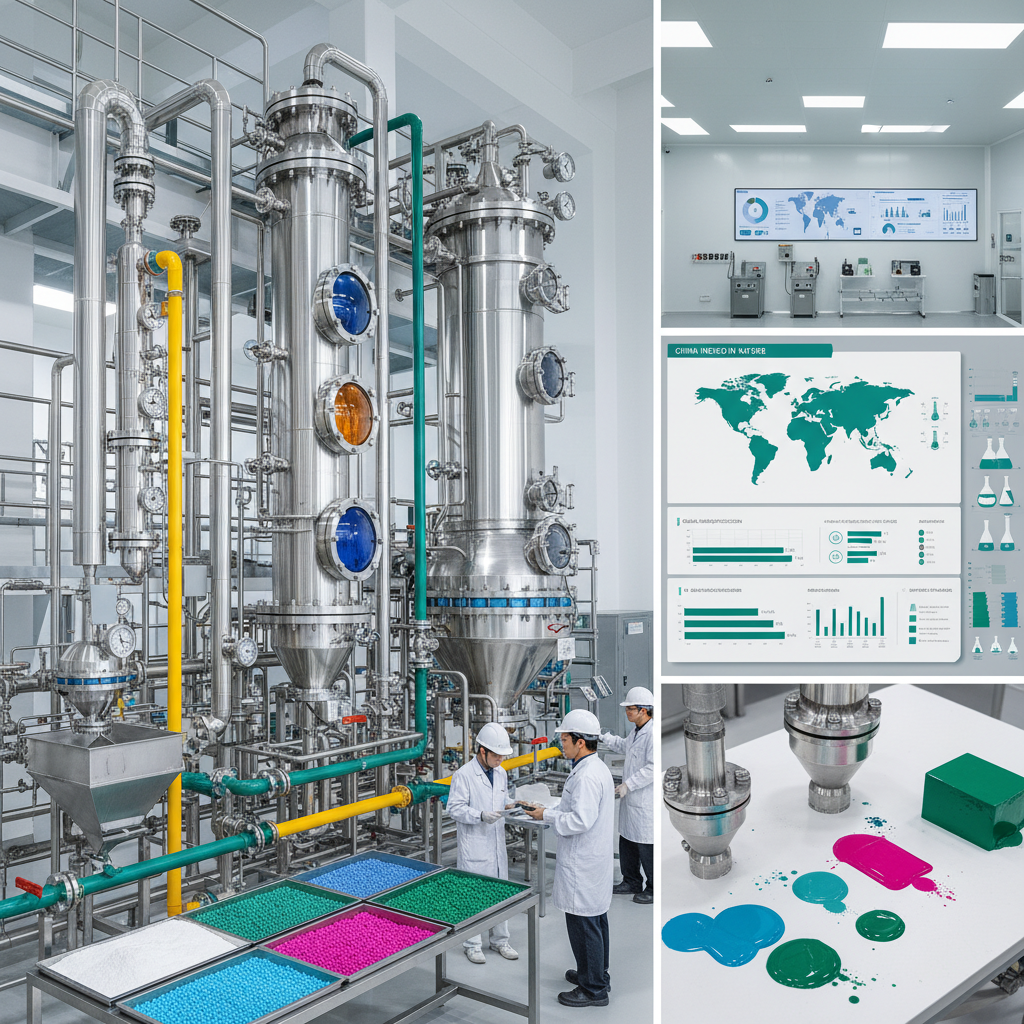
The Future of China Indigo
The future of china indigo looks bright, fueled by a growing awareness of sustainability and a renewed appreciation for natural dyes. Ongoing research is exploring innovative methods to enhance indigo extraction efficiency and minimize environmental impact. The preservation of traditional dyeing techniques, coupled with modern advancements, will ensure the enduring legacy of this remarkable natural resource. As consumers continue to prioritize ethical and sustainable choices, china indigo in nature will undoubtedly play an increasingly important role in the world of textiles and beyond.
Conclusion: Embracing the Legacy of China Indigo
From its ancient origins to its modern resurgence, china indigo represents a remarkable intersection of culture, tradition, and sustainability. By choosing natural indigo, we not only embrace a beautiful and versatile dye but also support environmentally responsible practices and preserve a valuable cultural heritage.
Frequently Asked Questions (FAQs)
What makes china indigo different from other indigo varieties?
China indigo, derived from Indigofera tinctoria, is known for its particularly rich and complex blue hue. The specific growing conditions and traditional processing methods employed in China contribute to a unique indigo quality. Other indigo sources, like Japanese indigo (persicaria tinctoria), yield slightly different shades and possess distinct properties. China indigo is often prized for its depth of color and its historical significance within Chinese textile traditions. The concentration of indican, the precursor to the indigo dye, can also vary between different indigofera tinctoria strains and growing locations, impacting the final color intensity.
Is indigo dyeing a sustainable process?
Indigo dyeing can be sustainable, but it depends on the practices employed. Traditionally, the fermentation process and the use of natural mordants were relatively low-impact. However, some modern indigo dyeing techniques utilize harsh chemicals. Sustainable indigo dyeing focuses on using natural mordants (like alum or tannins), minimizing water usage, and treating wastewater effectively. Sourcing indigo from organically grown Indigofera tinctoria plants is also crucial. Wuxin Group prioritizes sustainable sourcing and processing.
How long does indigo dye last on fabric?
The longevity of indigo dye on fabric depends on several factors, including the fiber type, the dyeing process, and the level of care. Indigo-dyed fabrics, when properly cared for, can retain their color for many years. However, indigo is known for its propensity to "fade" gradually over time, creating a unique and desirable "worn" look. Washing indigo-dyed garments in cold water with a gentle detergent and avoiding direct sunlight can help preserve the color. Using a color fixative during the dyeing process can also improve colorfastness.
Where can I purchase high-quality china indigo?
Wuxin Group is a leading supplier of high-quality china indigo, sourced from sustainably cultivated Indigofera tinctoria plants. We offer a range of indigo products for various applications, from textile dyeing to artistic endeavors. We cater to both individual artisans and large-scale manufacturers. Contact us through our website to explore our product offerings and discuss your specific needs.
-
Mastering the Art of China Japanese Indigo Dyeing Traditions
NewsApr.16,2026
-
Exploring the Elegance of China Deep Indigo Color in Textiles
NewsApr.09,2026
-
Discover High Quality China Jeans Blue Indigo for Global Markets
NewsApr.07,2026
-
Exploring the Rich Tradition of China Natural Indigo Dyed Fabric
NewsApr.04,2026
-
Exploring China Indigo Color in Nature History and Modern Applications
NewsMar.31,2026
-
Discover High Quality China Pure Indigo Powder for Vibrant Natural Dyeing
NewsMar.28,2026
-
Exploring the Rich History of China True Blue Indigo Textiles
NewsMar.26,2026
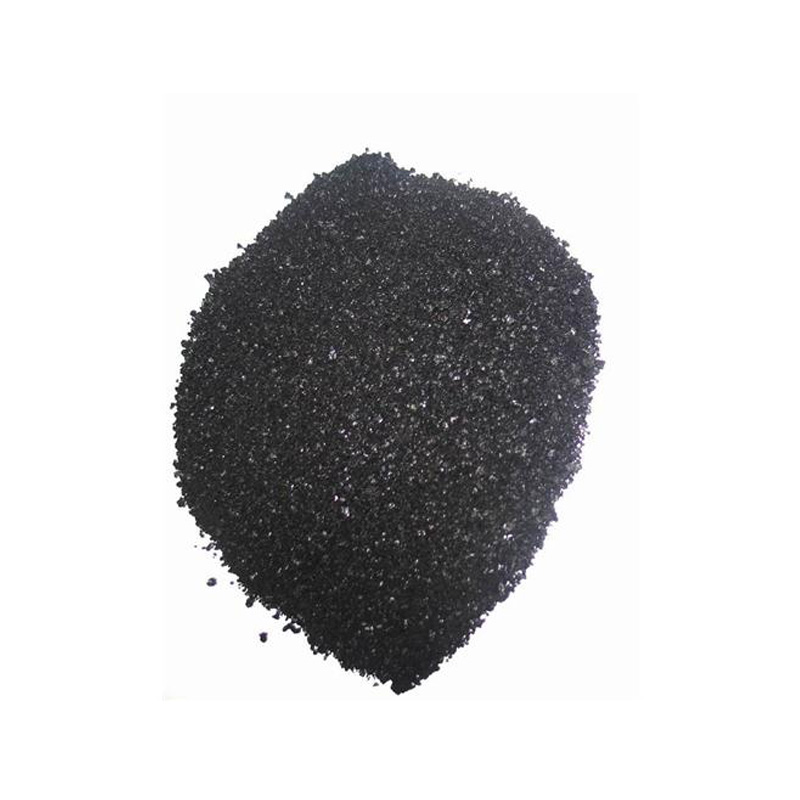
Sulphur Black
1.Name: sulphur black; Sulfur Black; Sulphur Black 1;
2.Structure formula:
3.Molecule formula: C6H4N2O5
4.CAS No.: 1326-82-5
5.HS code: 32041911
6.Product specification:Appearance:black phosphorus flakes; black liquid
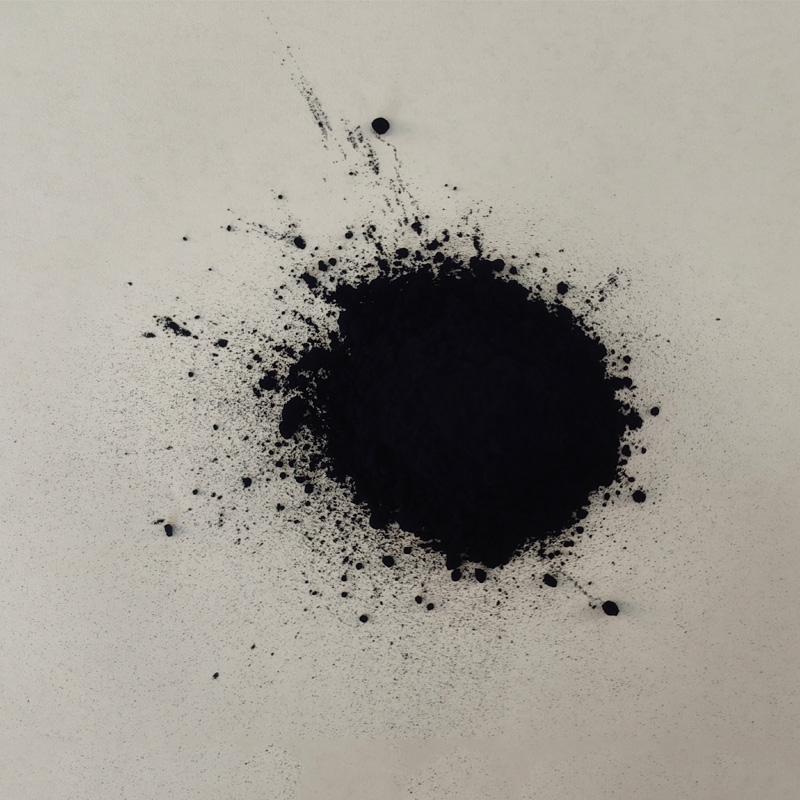
Bromo Indigo; Vat Bromo-Indigo; C.I.Vat Blue 5
1.Name: Bromo indigo; Vat bromo-indigo; C.I.Vat blue 5;
2.Structure formula:
3.Molecule formula: C16H6Br4N2O2
4.CAS No.: 2475-31-2
5.HS code: 3204151000 6.Major usage and instruction: Be mainly used to dye cotton fabrics.
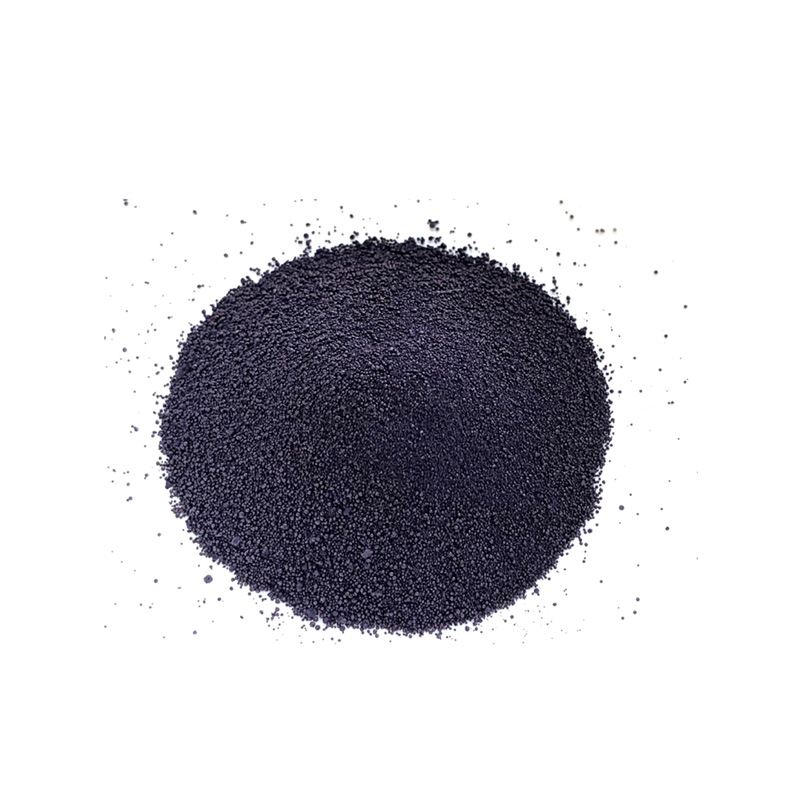
Indigo Blue Vat Blue
1.Name: indigo blue,vat blue 1,
2.Structure formula:
3.Molecule formula: C16H10N2O2
4.. CAS No.: 482-89-3
5.Molecule weight: 262.62
6.HS code: 3204151000
7.Major usage and instruction: Be mainly used to dye cotton fabrics.