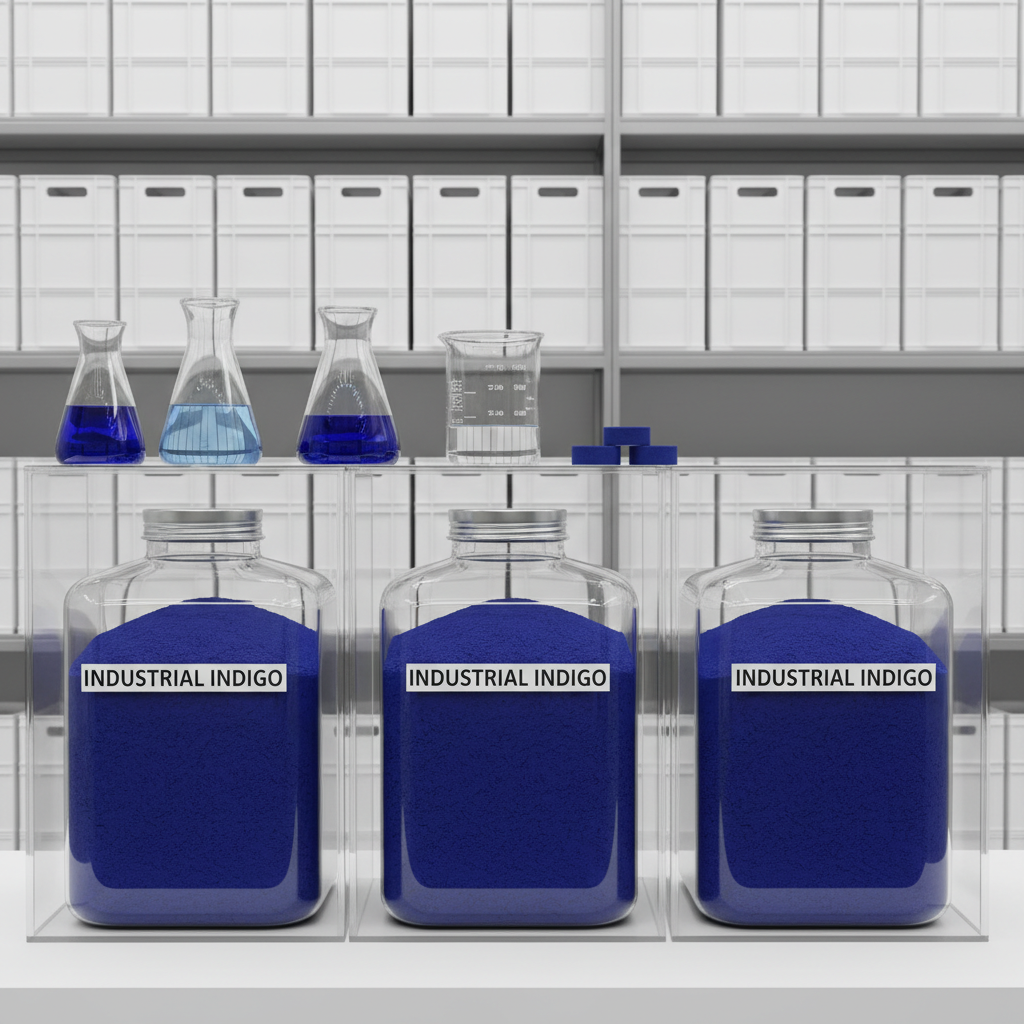
Indigo dye natural, it's more than just a color – it's a story woven through centuries, from ancient textile traditions to modern sustainable practices. Understanding its nuances isn't just for dyers and designers; it impacts everything from agricultural communities to the fashion industry’s push for transparency. It's a complex process, rooted in plant biology and refined by generations of skilled artisans, and its resurgence now is driven by a growing demand for eco-friendly alternatives to synthetic dyes.
Globally, the demand for natural dyes is experiencing significant growth, estimated at a compound annual growth rate (CAGR) of around 8-10% through 2028 (source: various market research reports). This isn’t just a trend; it’s a reaction to the environmental and social concerns surrounding conventional synthetic dyes, which often rely on petrochemicals and contribute to water pollution. The UN Sustainable Development Goals, particularly those related to clean water and responsible consumption and production (SDGs 6, 12), are fueling this shift.
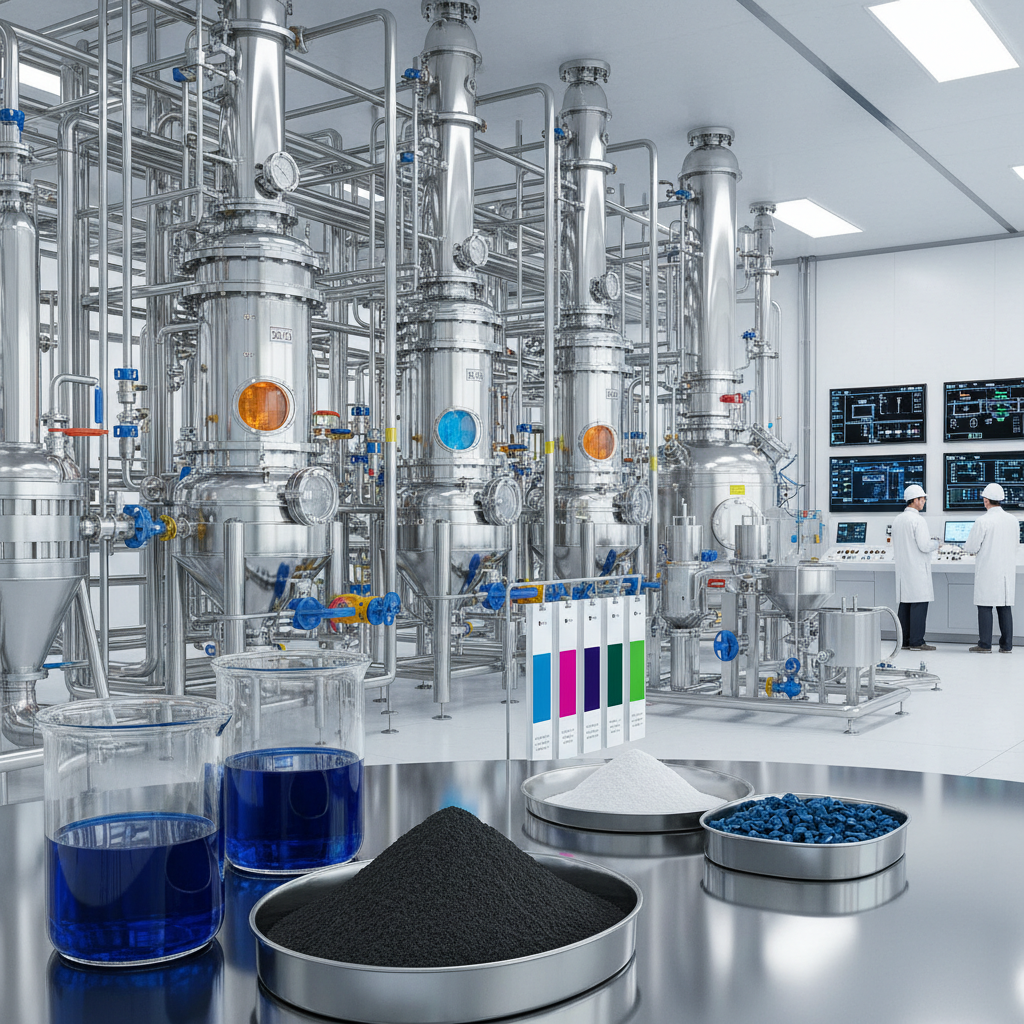
The challenge, though, is scaling up production while maintaining the integrity of the natural process and supporting the livelihoods of those involved. That's where innovation and a deep understanding of indigo dye natural come into play. We’re seeing a move towards more efficient extraction methods, closed-loop systems to minimize water waste, and traceable supply chains to ensure ethical sourcing. It's a crucial step towards a more sustainable textile future.
The Significance of Indigo Dye Natural
Indigo dye natural isn't just about achieving a beautiful blue hue; it's about reconnecting with a tradition that prioritizes sustainability and artistry. For centuries, indigo has been prized for its rich color and relative colorfastness. But the modern, synthetic indigo industry has brought with it a host of environmental issues. Returning to natural indigo offers a way to mitigate these problems, support biodiversity through indigo plant cultivation, and empower local communities involved in the dye-making process.
As someone who’s spent years working with textiles and observing supply chains firsthand, I’ve seen the true cost of cheap dyes. It's not just the environmental impact; it's the exploitation of labor, the health risks to workers, and the loss of traditional skills. Indigo dye natural, when sourced responsibly, provides a viable alternative that addresses these concerns, offering a more ethical and sustainable path forward.
Defining Indigo Dye Natural
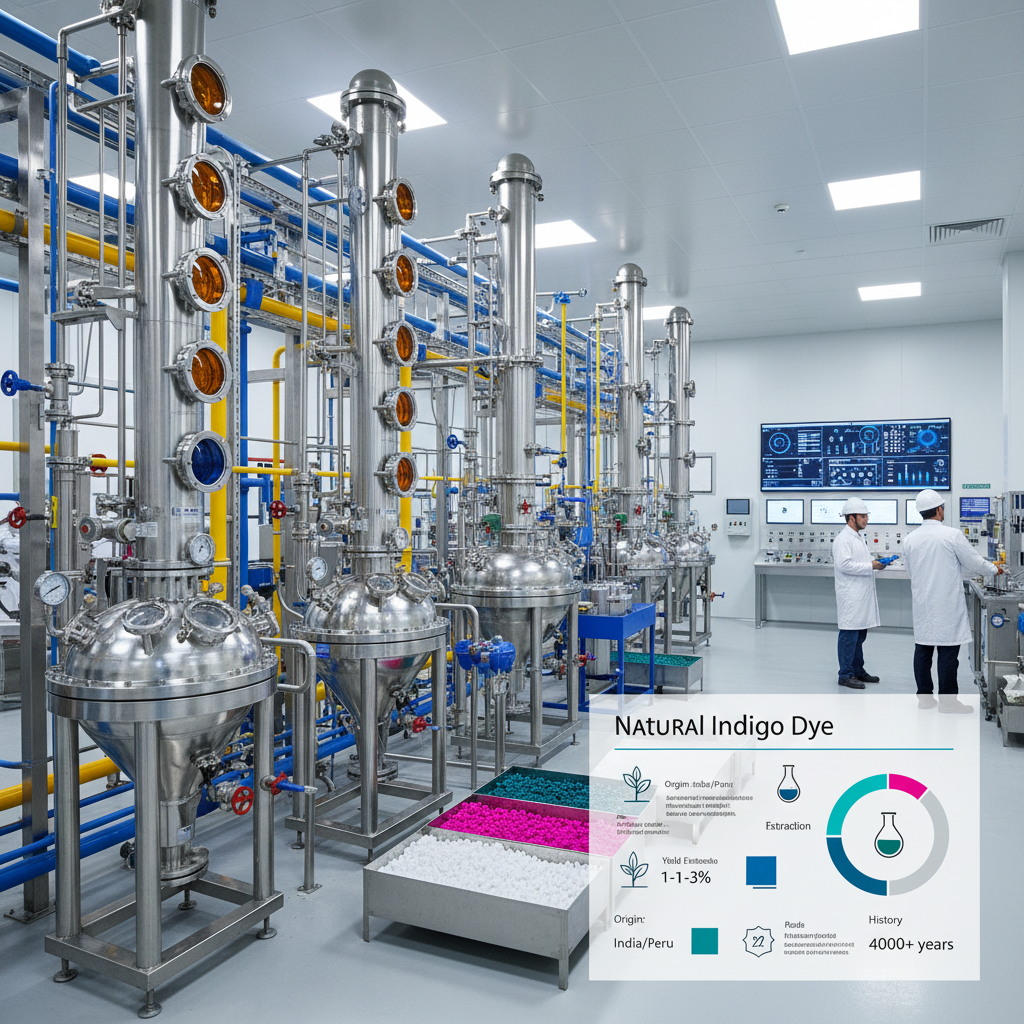
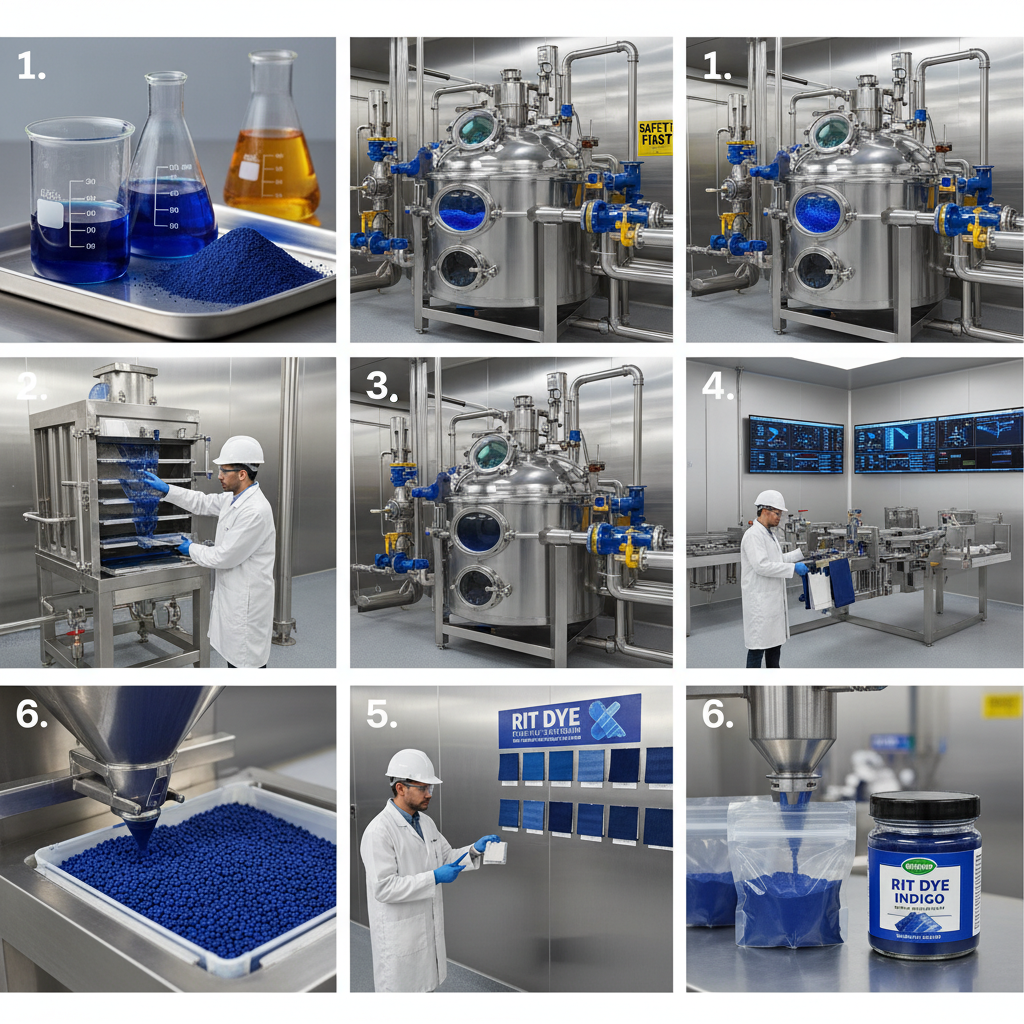
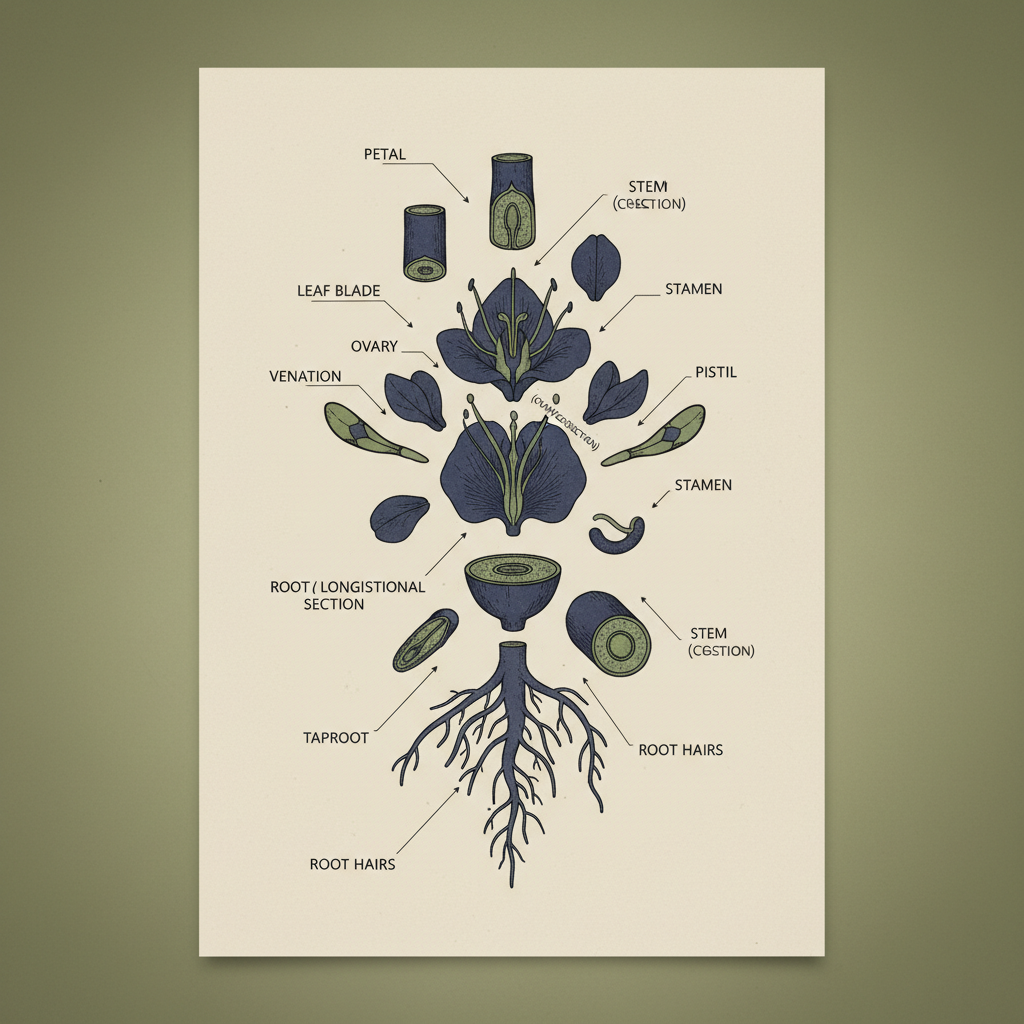
Indigo dye natural is a vibrant blue dye extracted from plants of the Indigofera genus, most commonly Indigofera tinctoria. Unlike synthetic indigo, which is produced from petrochemicals, natural indigo is derived directly from plant leaves through a fermentation process. This process involves soaking the leaves in water, allowing them to ferment, and then oxidizing the resulting liquid to precipitate the indigo pigment. The precise methods and resulting shades vary significantly based on geographic location, plant variety, and the expertise of the dyer.
Its connection to modern industry is substantial. While historically used for clothing, particularly denim, natural indigo is increasingly sought after for high-end fashion, artisanal crafts, and even art installations. There's a growing demand for transparency in the supply chain, and natural indigo provides a traceable origin that synthetic dyes simply can't match. Consumers are actively seeking products with a story, and natural indigo offers a compelling narrative of heritage, sustainability, and craftsmanship.
The rise in demand isn't limited to textiles either. We're seeing natural indigo explored in areas like cosmetics, food coloring (though less common), and even biomedical applications due to its antioxidant properties. It’s a versatile pigment with potential beyond the traditional realm of dyeing.
Core Components of Indigo Dye Production
Several key factors determine the quality and sustainability of indigo dye natural. First, is the plant source and cultivation. The Indigofera plant requires specific growing conditions and responsible agricultural practices to ensure a consistent yield and minimize environmental impact. Secondly, the fermentation process is critical. Proper fermentation unlocks the indigo pigment, and the skill of the dyer plays a huge role in achieving the desired shade and depth of color.
Thirdly, the oxidation stage - transforming the indigo solution into a solid form - is crucial. Different oxidation methods impact the final pigment's characteristics, influencing its solubility and colorfastness. Fourth, water management is paramount. Traditional indigo dyeing is water-intensive; implementing closed-loop systems and wastewater treatment are essential for environmental responsibility. These are the building blocks, and each one needs careful attention.
Finally, post-dyeing treatments—such as washing and finishing—can affect the final product’s quality and longevity. Using eco-friendly detergents and minimizing water usage in these stages contribute to the overall sustainability of the process. It all ties together.
Applications Across Industries
The most prominent application of indigo dye natural remains in the denim industry. While most commercial denim uses synthetic indigo, there’s a rising demand for naturally dyed denim, particularly from brands focused on sustainability. Beyond denim, indigo dye natural finds use in traditional textile crafts in countries like India, Japan, and West Africa, where indigo dyeing is deeply ingrained in cultural heritage.
We're also seeing innovative applications in the fashion industry, with designers experimenting with natural indigo for silk, cotton, and other fabrics. In remote industrial zones, like certain artisan communities in Southeast Asia, natural indigo provides a livelihood and preserves traditional skills. Furthermore, the growing interest in eco-tourism is driving demand for locally produced, naturally dyed textiles as souvenirs and gifts.
Comparative Dyeing Costs (Per Kilogram of Fabric)
Advantages and Long-Term Value
The benefits of indigo dye natural extend beyond aesthetics. Environmentally, it significantly reduces water pollution and reliance on petrochemicals. Socially, it supports local farming communities and preserves traditional craftsmanship. Economically, while initially potentially more expensive, the long-term value proposition is strong due to increased consumer demand for sustainable products and potential for premium pricing.
From a product reliability standpoint, naturally dyed fabrics often exhibit unique character and durability. The subtle variations in color and texture add to their appeal and perceived value. Ultimately, choosing indigo dye natural is an investment in a more responsible and sustainable future for the textile industry. It’s about building trust with consumers and creating a product that aligns with their values.
Future Trends and Innovations
We’re seeing exciting advancements in bio-technology aimed at improving indigo production efficiency. This includes research into genetically optimizing Indigofera plants for higher pigment yields and developing innovative fermentation techniques. Digital traceability systems, leveraging blockchain technology, are also gaining traction, allowing consumers to track the entire indigo supply chain from farm to finished product.
The integration of artificial intelligence (AI) for quality control and color matching is another promising development. AI-powered systems can analyze dye batches and predict color outcomes, minimizing waste and ensuring consistency. These innovations, coupled with a growing awareness of sustainability, are paving the way for a more vibrant and responsible indigo industry.
Challenges and Solutions in Indigo Production
Scaling up natural indigo production remains a significant challenge. The fermentation process can be unpredictable, and achieving consistent color depth and fastness requires expertise and careful control. Water usage is another major concern, particularly in water-scarce regions.
Solutions involve investing in research and development to optimize fermentation techniques, implementing closed-loop water systems to minimize waste, and promoting responsible agricultural practices among indigo farmers. Collaboration between researchers, dyers, and farmers is crucial for overcoming these hurdles. Furthermore, educating consumers about the value of natural indigo and the reasons for potential price differences is essential for driving demand and supporting the industry.
Another challenge is ensuring fair labor practices throughout the supply chain. Transparent sourcing and certification programs, like Fair Trade, can help address this issue and empower indigo farmers and workers. It's a complex puzzle, but one worth solving.
Summary of Indigo Production Challenges and Solutions
| Challenge |
Impact |
Potential Solution |
Implementation Cost (Scale 1-10) |
| Inconsistent Dye Yield |
Variable Color & Quality |
Optimized Fermentation Control |
6 |
| High Water Consumption |
Environmental Stress |
Closed-Loop Water Systems |
8 |
| Limited Scalability |
Difficulty Meeting Demand |
Investment in Plant Cultivation |
7 |
| Fair Labor Concerns |
Ethical Sourcing Risks |
Fair Trade Certification |
5 |
| Lack of Standardisation |
Inconsistent Product Quality |
Industry-Wide Quality Control Protocols |
9 |
| Consumer Awareness |
Lower Demand |
Educational Marketing Campaigns |
4 |
FAQS
The key difference lies in their origin. Synthetic indigo is derived from petrochemicals, a non-renewable resource, while natural indigo comes from the Indigofera plant. This fundamental difference impacts the environmental footprint – natural indigo is biodegradable and requires less energy to produce, though it can be more challenging to scale. Furthermore, natural indigo offers subtle color variations that are difficult to replicate synthetically, giving it a unique aesthetic quality.
Historically, natural indigo has been perceived as less colorfast than its synthetic counterpart. However, advancements in dyeing techniques, including the use of natural mordants (fixatives) like alum or iron, can significantly improve colorfastness. Proper washing and care are still essential, but modern natural indigo dyeing can achieve excellent results comparable to synthetic indigo, especially with quality materials and skilled application.
Identifying truly naturally dyed indigo can be tricky. Look for certifications (like GOTS for organic textiles with natural dyes) or transparent sourcing information from the brand. Natural indigo often has subtle variations in color and texture, while synthetic indigo tends to be more uniform. A simple wash test – a slight fading after the first wash is more common with natural indigo – can provide an indication, although it's not definitive.
While natural indigo is generally more sustainable than synthetic, its cultivation isn't without impact. Water usage for irrigation can be a concern, as can land use changes if forests are cleared for indigo farms. Responsible farming practices, such as rainwater harvesting, crop rotation, and organic cultivation methods, are crucial for minimizing these impacts. Supporting farmers committed to sustainable agriculture is key.
Yes, generally natural indigo is more expensive than synthetic indigo due to the labor-intensive nature of its production, lower yields, and the need for skilled artisans. However, the price difference is often justified by the environmental and social benefits. Consumers are increasingly willing to pay a premium for sustainable and ethically sourced products, driving demand for natural indigo despite the higher cost.
Finding reliable suppliers requires research. Several companies specialize in natural dyes, including those offering indigo. Online marketplaces connecting artisans and producers directly can also be a good source. Look for suppliers with certifications that verify the authenticity and sustainability of their indigo, and ask for detailed information about their sourcing practices and production methods.
Conclusion
Indigo dye natural represents a powerful shift toward a more sustainable and ethical textile industry. It’s not simply a replacement for synthetic dyes; it’s a re-evaluation of how we value craftsmanship, environmental responsibility, and social impact. From its ancient roots to its modern resurgence, indigo embodies a commitment to quality, tradition, and a connection to the natural world.
Looking ahead, continued investment in research and development, alongside collaborative efforts across the supply chain, will be crucial for unlocking the full potential of indigo dye natural. Supporting farmers, empowering artisans, and educating consumers are essential steps in fostering a vibrant and sustainable indigo industry for generations to come.