Indigo denim yarn represents a cornerstone of the modern textile industry, globally recognized for its durability, aesthetic qualities, and versatile applications. From workwear staples to high-fashion garments, its impact on clothing and design is undeniable. Understanding the nuances of indigo denim yarn—its production, properties, and emerging innovations—is crucial for manufacturers, designers, and consumers alike, enabling informed choices and sustainable practices within the textile supply chain. The global market for denim, and specifically the indigo-dyed varieties, continues to expand, driven by increasing demand and evolving consumer preferences.
The significance of indigo denim yarn extends beyond mere aesthetics. It’s a material steeped in history, evolving from its origins as a durable fabric for laborers to its current status as a fashion icon. The ongoing challenges of sustainable production, particularly regarding water usage and chemical treatments in the dyeing process, are driving innovation in indigo yarn technology. These innovations are not only addressing environmental concerns but are also enhancing the quality, performance, and cost-effectiveness of the yarn itself, influencing economic growth and responsible manufacturing across the globe.
Ultimately, indigo denim yarn is more than just a fiber; it’s a complex interplay of history, technology, and socio-economic factors impacting a significant global industry.
The Global Significance of Indigo Denim Yarn
Indigo denim yarn holds immense global significance, fueling a multi-billion dollar industry that impacts economies worldwide. According to the UN Comtrade database, denim fabric and garments account for a substantial portion of international textile trade, with Asia being the primary manufacturing hub. The demand for indigo denim yarn is consistently high, driven by its aesthetic appeal, durability, and versatility. This demand not only supports millions of jobs in textile manufacturing but also stimulates related industries like dye production, machinery manufacturing, and logistics.
However, the production of indigo denim yarn presents significant challenges, particularly concerning environmental sustainability. Traditional indigo dyeing processes are notoriously water-intensive and can generate hazardous wastewater. The World Bank estimates that the textile industry is one of the largest contributors to water pollution globally. Addressing these challenges requires innovative dyeing technologies, responsible chemical management, and a commitment to circular economy principles within the indigo denim yarn supply chain.
Defining Indigo Denim Yarn
Indigo denim yarn is a textile yarn constructed from cotton fibers, dyed with indigo, creating the characteristic blue hue associated with denim. The "denim" refers to the twill weave construction – a diagonal rib pattern – typically 3-left, 1-right. It’s the indigo dye, historically derived from the Indigofera plant, that gives denim its distinctive color and ability to fade with wear, creating unique and personalized aesthetics. Modern indigo dyeing processes often utilize synthetic indigo due to scalability and cost considerations.
Its connection to modern industry is deeply rooted in its durability and versatility. Initially adopted as workwear for laborers during the 19th-century Gold Rush, denim quickly gained popularity for its resilience and resistance to wear and tear. This practicality has translated into a continuing demand across numerous sectors, from fashion to industrial applications. The evolution of indigo denim yarn continues, with innovations in fiber blends, yarn spinning techniques, and dyeing methods constantly pushing boundaries.
Furthermore, understanding indigo denim yarn is also crucial within the context of fair labor practices. The textile industry, unfortunately, has a history of exploitation; promoting ethical sourcing and production of indigo denim yarn is vital for ensuring responsible consumerism.
Core Properties of Indigo Denim Yarn
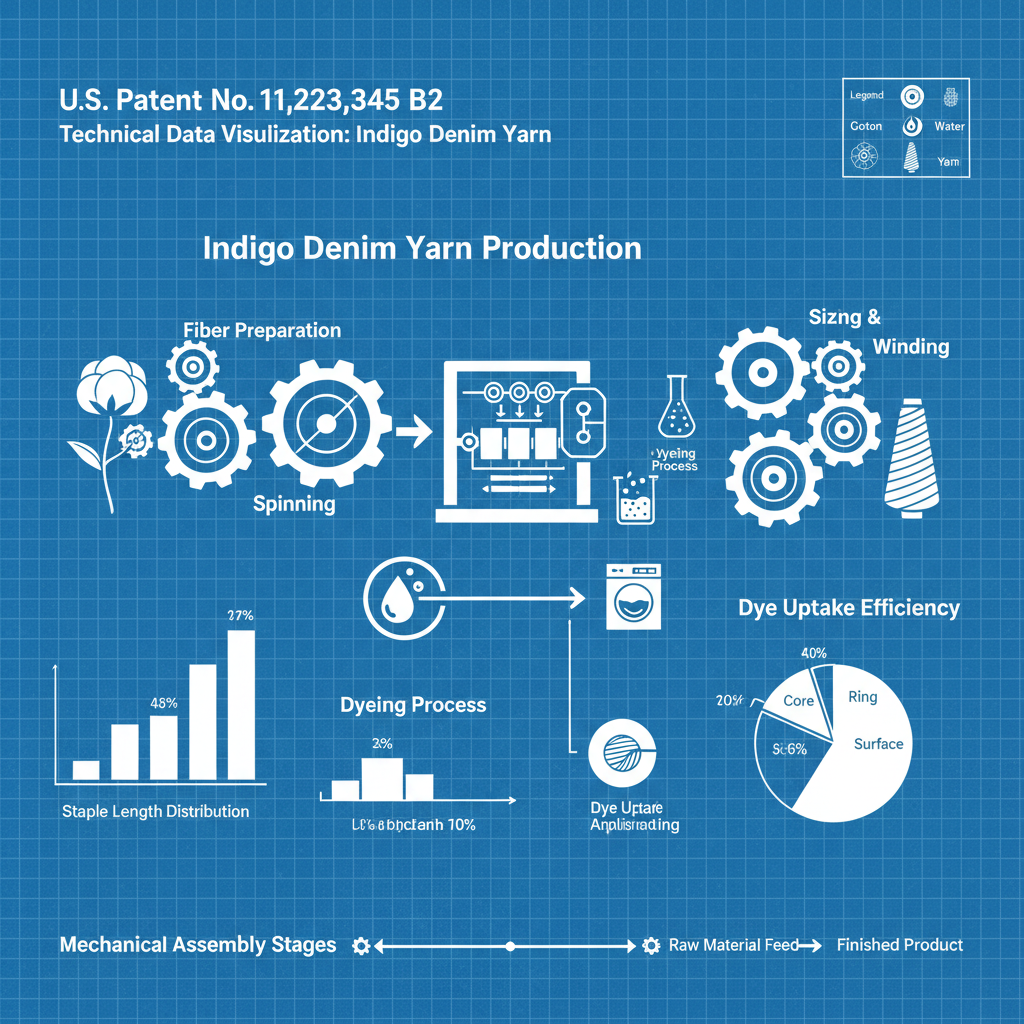
Several key properties define the quality and performance of indigo denim yarn. Firstly, fiber strength is paramount, directly impacting the yarn's durability and resistance to abrasion. Longer staple cotton fibers generally produce stronger and smoother yarns. Secondly, dye uptake and retention determine the depth of color and its resistance to fading. This is influenced by factors such as fiber preparation, dye concentration, and dyeing temperature.
Thirdly, yarn twist plays a critical role in determining the yarn’s texture, strength, and drape. Higher twist yarns are stronger and more resistant to pilling, while lower twist yarns are softer and more flexible. Fourthly, dimensional stability – the yarn’s ability to maintain its shape and size after washing and wearing – is essential for garment longevity. Finally, the colorfastness of the indigo dye, its resistance to bleeding or fading during washing or exposure to light, is a crucial quality indicator.
These properties aren't isolated; they interact to define the overall quality of the indigo denim yarn. A comprehensive understanding of these properties is necessary for selecting the appropriate yarn for specific applications and ensuring consistent product performance.
Key Factors Influencing Indigo Denim Yarn Quality
The quality of indigo denim yarn isn’t solely dependent on the raw materials; numerous factors throughout the production process contribute to the final product's characteristics. One critical factor is cotton sourcing. The type of cotton – such as Egyptian, Pima, or Upland – significantly impacts fiber length, strength, and color. Sustainable cotton farming practices, like organic cultivation and reduced pesticide use, are increasingly important for environmental responsibility.
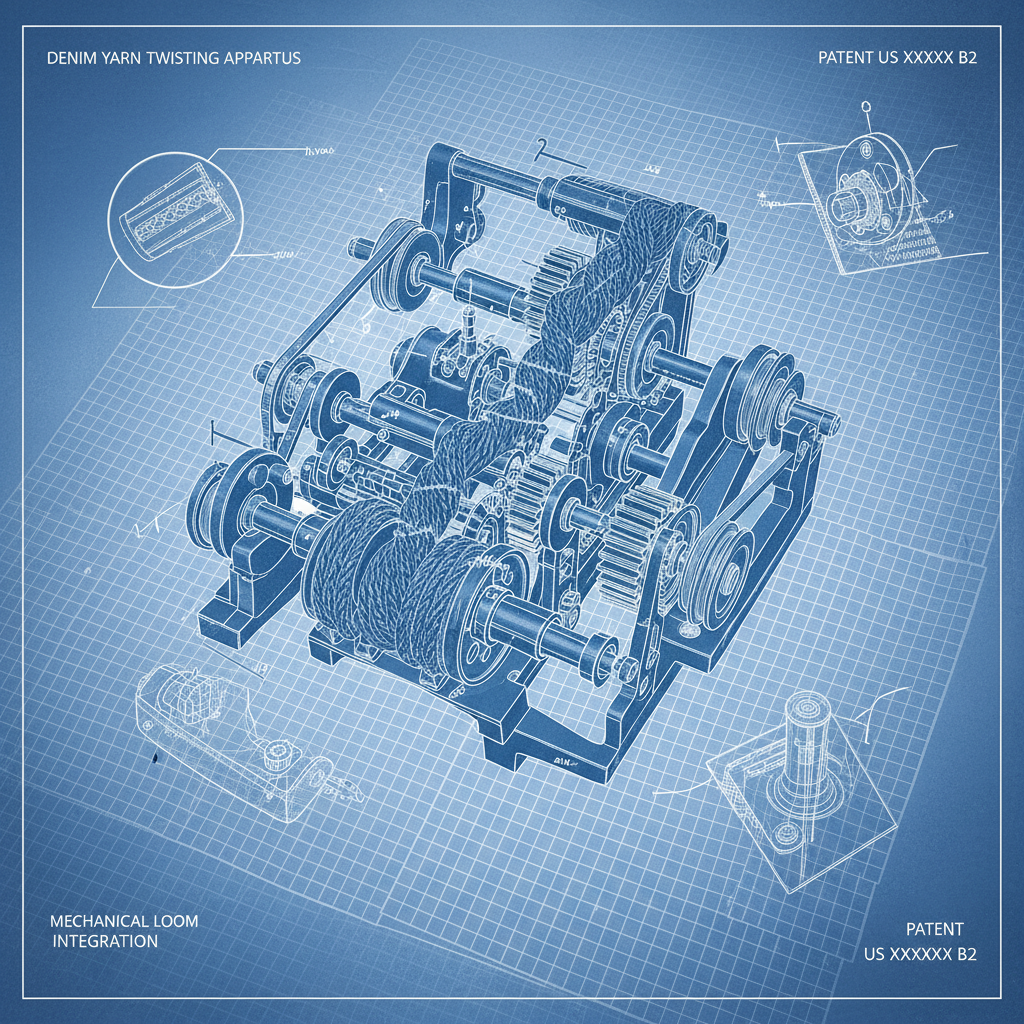
Another key element is the yarn spinning process. Ring spinning, open-end spinning, and air-jet spinning each produce yarns with different properties. Ring spinning generally yields stronger, more uniform yarns, while open-end spinning is more cost-effective. Finally, meticulous quality control throughout the entire process, from fiber selection to yarn finishing, is crucial for identifying and addressing any defects.
Indigo Denim Yarn Quality Assessment
Global Applications and Industry Impact
Indigo denim yarn finds extensive application across diverse industries. Fashion remains the dominant sector, encompassing everything from jeans and jackets to skirts and dresses. However, its usage extends beyond apparel. Industrial workwear, utilizing the yarn’s durability, continues to be a significant market. Moreover, the upholstery and home furnishing sectors are increasingly incorporating denim fabrics for their robust character and aesthetic appeal.
Geographically, Asia, particularly China, India, and Bangladesh, are major centers for indigo denim yarn production and textile manufacturing. These regions cater to both domestic and international demand. North America and Europe represent key consumer markets, driving trends and influencing design innovations. Emerging markets in South America and Africa are also witnessing growing demand for indigo denim garments, fueled by rising disposable incomes and changing fashion preferences.
Advantages & Long-Term Value Proposition
The advantages of utilizing high-quality indigo denim yarn are multifaceted. Cost-effectiveness, stemming from efficient production processes and readily available raw materials, is a significant draw. The inherent durability of denim translates to longer product lifecycles, reducing the need for frequent replacements. Furthermore, the material's adaptability, allowing for various washes, treatments, and finishes, enhances its versatility and appeal.
Beyond tangible benefits, indigo denim yarn provides a sense of style and timelessness, embodying a rugged yet refined aesthetic. The increasing focus on sustainability adds another layer of value, as manufacturers adopt eco-friendly dyeing techniques and prioritize responsible sourcing. Ultimately, investing in high-quality indigo denim yarn builds trust with consumers who value durability, ethical production, and enduring style.
Future Trends and Innovation in Indigo Denim Yarn
The future of indigo denim yarn is poised for significant innovation. A primary focus is on developing sustainable dyeing methods that minimize water usage and eliminate harmful chemicals. Technologies like foam dyeing, laser finishing, and electrochemical dyeing are gaining traction. Additionally, advancements in fiber blending – incorporating recycled cotton, hemp, or other sustainable materials – are enhancing the yarn’s performance and environmental profile.
Digital transformation is also impacting the industry, with AI-powered design tools and automated production processes streamlining workflows and reducing waste. The rise of circular economy models, emphasizing recycling and reuse of denim garments, is creating new opportunities for closed-loop systems. Furthermore, traceability technologies, like blockchain, are improving transparency and accountability throughout the supply chain, addressing consumer concerns about ethical sourcing.
These trends collectively point toward a more sustainable, efficient, and transparent future for indigo denim yarn, driving innovation and shaping the next generation of denim products.
Challenges & Solutions
Despite advancements, challenges persist in the indigo denim yarn industry. The high water consumption associated with traditional indigo dyeing remains a critical concern. Additionally, the reliance on synthetic indigo, while offering scalability, raises questions about its long-term environmental impact. Maintaining fair labor practices and ensuring worker safety throughout the supply chain also pose ongoing challenges.
However, innovative solutions are emerging. Zero-discharge dyeing technologies, which eliminate wastewater discharge, are gaining adoption. Utilizing bio-based indigo, derived from renewable sources, offers a sustainable alternative to synthetic dyes. Investing in worker training and implementing robust monitoring systems can improve labor standards and workplace safety.
A collaborative approach – involving manufacturers, researchers, policymakers, and consumers – is essential for overcoming these challenges and fostering a more responsible and sustainable indigo denim yarn industry.
Comparative Analysis of Indigo Denim Yarn Production Methods
| Method |
Water Usage (L/kg) |
Environmental Impact (1-10) |
Cost Efficiency (1-10) |
| Traditional Indigo Dyeing |
150-200 |
8 |
6 |
| Foam Dyeing |
50-80 |
5 |
7 |
| Laser Finishing |
10-30 |
3 |
8 |
| Electrochemical Dyeing |
20-50 |
4 |
7 |
| Bio-Based Indigo Dyeing |
80-120 |
2 |
5 |
| Zero Discharge Dyeing |
30-60 |
1 |
9 |
FAQS
Indigo denim yarn is distinguished by its unique dyeing process using indigo dye, resulting in the classic blue hue and the characteristic fading effect. Unlike other denim variations, indigo denim develops a personalized look over time through wear and washing, and often boasts a richer color depth. It’s a defining element in both fashion and workwear, prized for its aesthetics and durability.
Look for indicators like fiber length (longer staple cotton is better), yarn twist (moderate twist offers a good balance of strength and softness), and dye consistency. A high-quality indigo denim yarn will have a deep, even color and feel substantial. Checking for certifications such as OEKO-TEX Standard 100 can also guarantee that the yarn is free from harmful substances.
Traditionally, indigo denim production has faced sustainability challenges due to high water usage and chemical waste. However, advancements like foam dyeing, laser finishing, and bio-based indigo dyes are making it increasingly sustainable. Choosing denim made from recycled cotton or opting for brands committed to responsible production practices can further minimize your environmental impact.
The weight of indigo denim yarn, measured in ounces per square yard, directly impacts the fabric's drape, durability, and overall feel. Lighter-weight denim (under 12oz) is softer and more comfortable for warmer weather, while heavier-weight denim (over 14oz) is more durable and suitable for colder climates and workwear applications. Choosing the appropriate weight depends on the intended use of the fabric.
Current trends include the development of waterless dyeing techniques, the use of innovative fiber blends (like hemp and recycled materials), and the integration of digital technologies for design and production. Researchers are also exploring new indigo dye sources and methods to reduce environmental impact and improve yarn performance.
Reputable textile suppliers and manufacturers specializing in denim fabrics are excellent starting points. Look for suppliers with certifications demonstrating their commitment to quality and sustainability. Consider researching and contacting companies with established track records and transparent supply chains.
Conclusion
Indigo denim yarn stands as a testament to the enduring power of textile innovation, combining historical significance with modern advancements. From its humble beginnings as durable workwear to its current status as a fashion icon, the yarn's versatility, aesthetic appeal, and ongoing evolution continue to shape the textile industry globally. By embracing sustainable practices, innovative technologies, and a commitment to ethical sourcing, we can ensure a brighter future for indigo denim yarn and its far-reaching impact.
The future of indigo denim yarn lies in a collaborative effort between manufacturers, designers, and consumers. Prioritizing sustainability, investing in research and development, and supporting ethical production practices will not only enhance the quality and performance of the yarn but also contribute to a more responsible and circular textile industry. Visit our website at www.wuxin-group.com to learn more about our commitment to innovative and sustainable indigo denim yarn solutions.