Indigo cotton yarn, prized for its rich, deep hues, has a long and storied history, interwoven with cultures across the globe. From ancient civilizations utilizing natural indigo sources to modern innovations in dye production and fiber technology, this material remains a cornerstone of the textile industry. Understanding its nuances—from cultivation to coloration—is crucial for designers, manufacturers, and consumers alike seeking sustainable and vibrant textiles.
The global demand for indigo cotton yarn is significant, driven by the enduring popularity of denim and other indigo-dyed garments. According to the UN Comtrade database, international trade in cotton yarn (including indigo-dyed varieties) reached billions of dollars annually. However, traditional indigo production methods often present environmental challenges. Innovations in synthetic indigo dyes and sustainable farming practices are increasingly vital to address these concerns and ensure a responsible supply chain.
This exploration delves into the intricacies of indigo cotton yarn, examining its key characteristics, diverse applications, emerging trends, and the ongoing quest for a more environmentally and socially responsible production process. It's a material that bridges tradition and innovation, offering unique aesthetic qualities alongside opportunities for positive impact within the textile ecosystem.
The Essence of Indigo Cotton Yarn
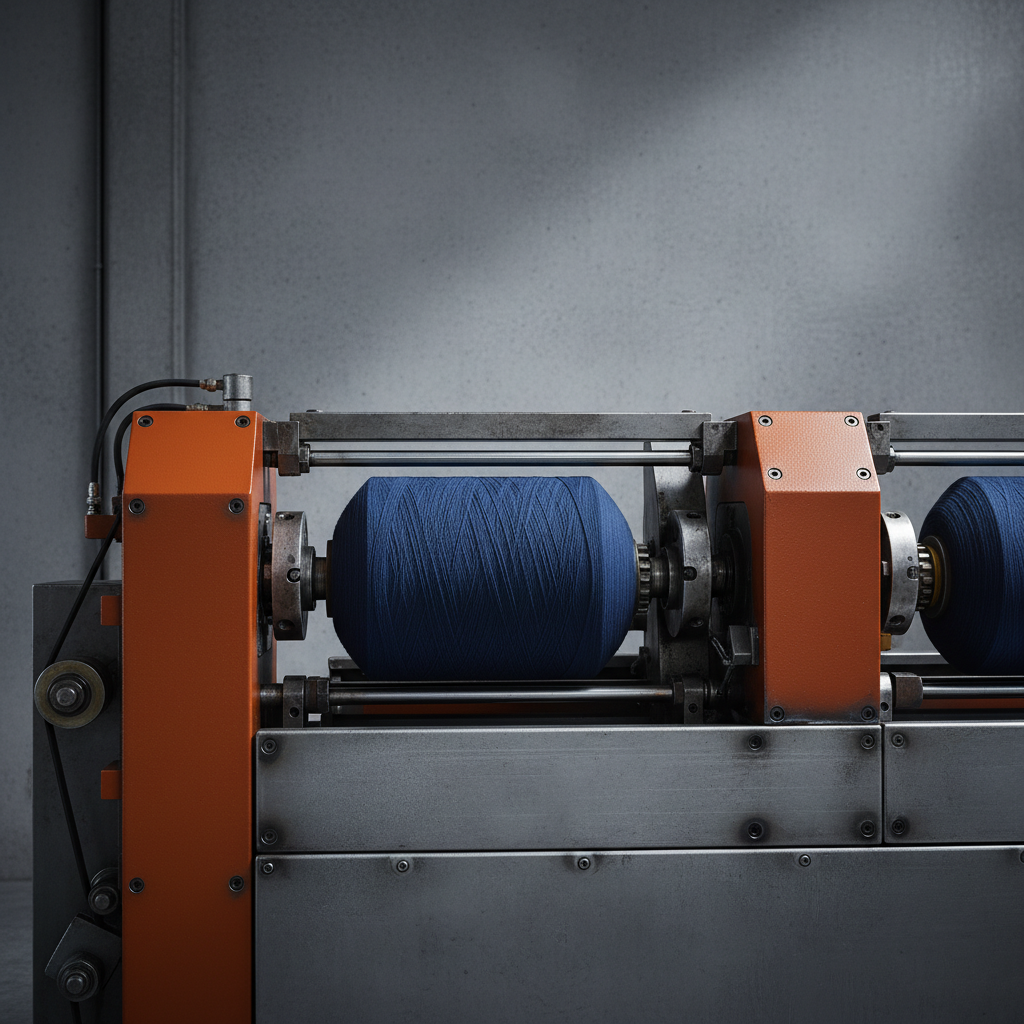
Indigo cotton yarn represents more than just a textile component; it embodies a fusion of natural artistry and modern manufacturing. The deep, captivating blue derived from indigo dye imparts a distinctive character to fabrics, making it a sought-after material in fashion, home décor, and various industrial applications. The enduring appeal of indigo stems from its inherent vibrancy and the rich cultural history associated with it.
The quality of indigo cotton yarn is heavily influenced by the source of both the cotton fibers and the indigo dye itself. Premium long-staple cotton varieties, combined with responsibly sourced indigo – whether natural or synthetic – result in a yarn that boasts exceptional strength, softness, and colorfastness. indigo cotton yarn producers are increasingly focused on these quality aspects to meet the demands of a discerning market.
Historical and Global Significance
Indigo's history stretches back millennia, with evidence of its use in dyeing fabrics dating back to ancient civilizations in India, Egypt, and Peru. For centuries, natural indigo was extracted from plants like Indigofera tinctoria, a process often labor-intensive and geographically restricted. This led to indigo being a valuable trade commodity, influencing cultural exchange and economic interactions across continents.
The advent of synthetic indigo in the late 19th century revolutionized the industry, making the dye more accessible and affordable. This spurred the growth of denim production, particularly in the United States, and cemented indigo's place in global fashion. Today, countries like India, China, and Bangladesh are major producers and exporters of indigo cotton yarn, serving the global demand for denim and other indigo-dyed textiles.
The socio-economic impact of indigo production is considerable, providing livelihoods for millions of people involved in cotton farming, dyeing, and garment manufacturing. However, it's critical to address the historical and ongoing challenges related to sustainable farming practices and fair labor conditions within the indigo supply chain.
Defining Indigo Cotton Yarn
Indigo cotton yarn is simply cotton yarn that has been dyed with indigo dye. However, the process and resulting quality can vary significantly. The key lies in how the dye interacts with the cotton fibers. Indigo is a vat dye, meaning it's insoluble in water until it's reduced to a soluble form – typically using a reducing agent like sodium hydrosulfite – allowing it to penetrate the fibers. Once exposed to air, the dye oxidizes and becomes permanently fixed within the cotton.
This dyeing process often results in a characteristic "indigo wash" effect, where the color is darker on the surface of the yarn and gradually fades towards the core. The intensity and depth of the indigo hue depend on factors like the dye concentration, dyeing time, and the quality of the cotton yarn. This unique characteristic is often highly sought after, particularly in denim production.
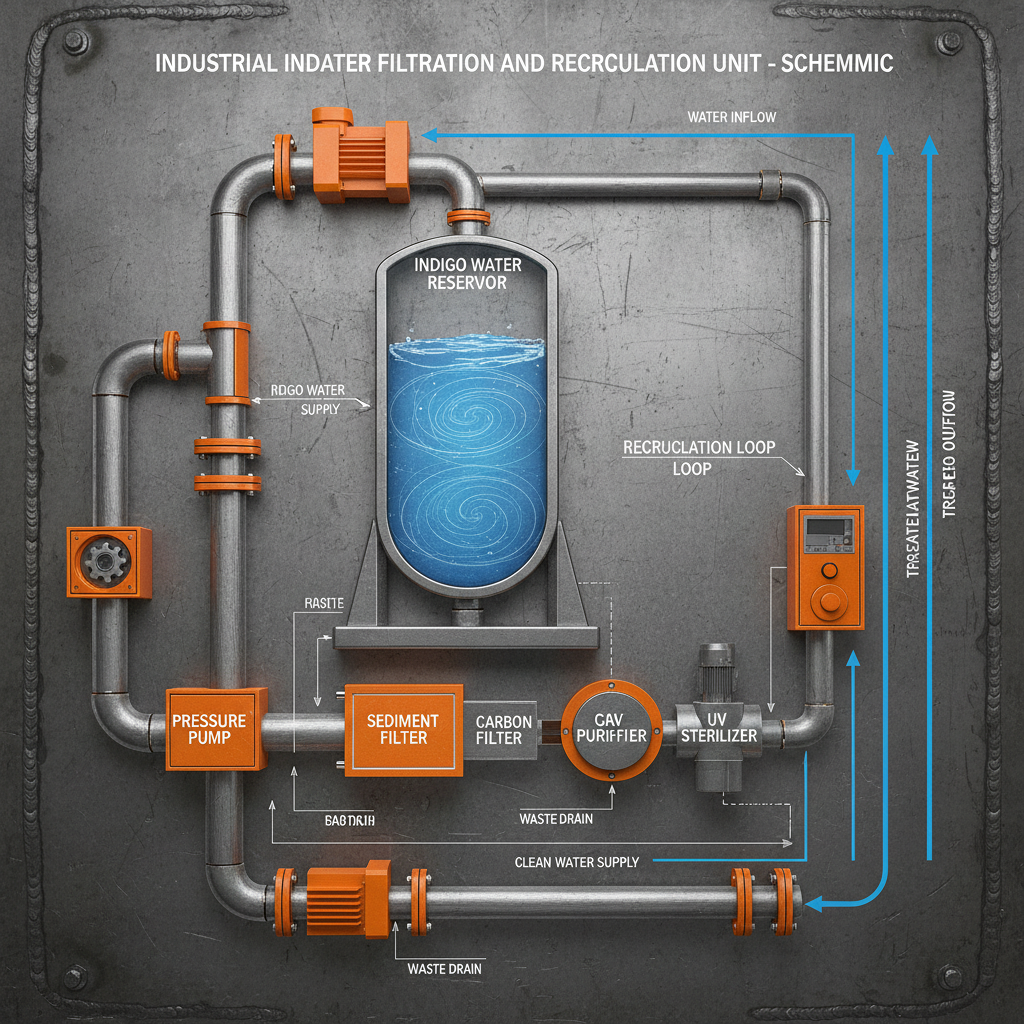
Modern indigo cotton yarn production encompasses a range of techniques, from traditional batch dyeing to continuous dyeing processes. The choice of method depends on factors like production scale, desired yarn characteristics, and environmental considerations. Responsible manufacturers are increasingly adopting eco-friendly dyeing practices to minimize water consumption and chemical waste.
Core Characteristics and Qualities
The appeal of indigo cotton yarn stems from a unique combination of aesthetic and functional qualities. Its defining characteristic, of course, is its vibrant, deep blue color, ranging from light washes to dark, saturated hues. Beyond color, several factors contribute to the yarn’s overall performance and value.
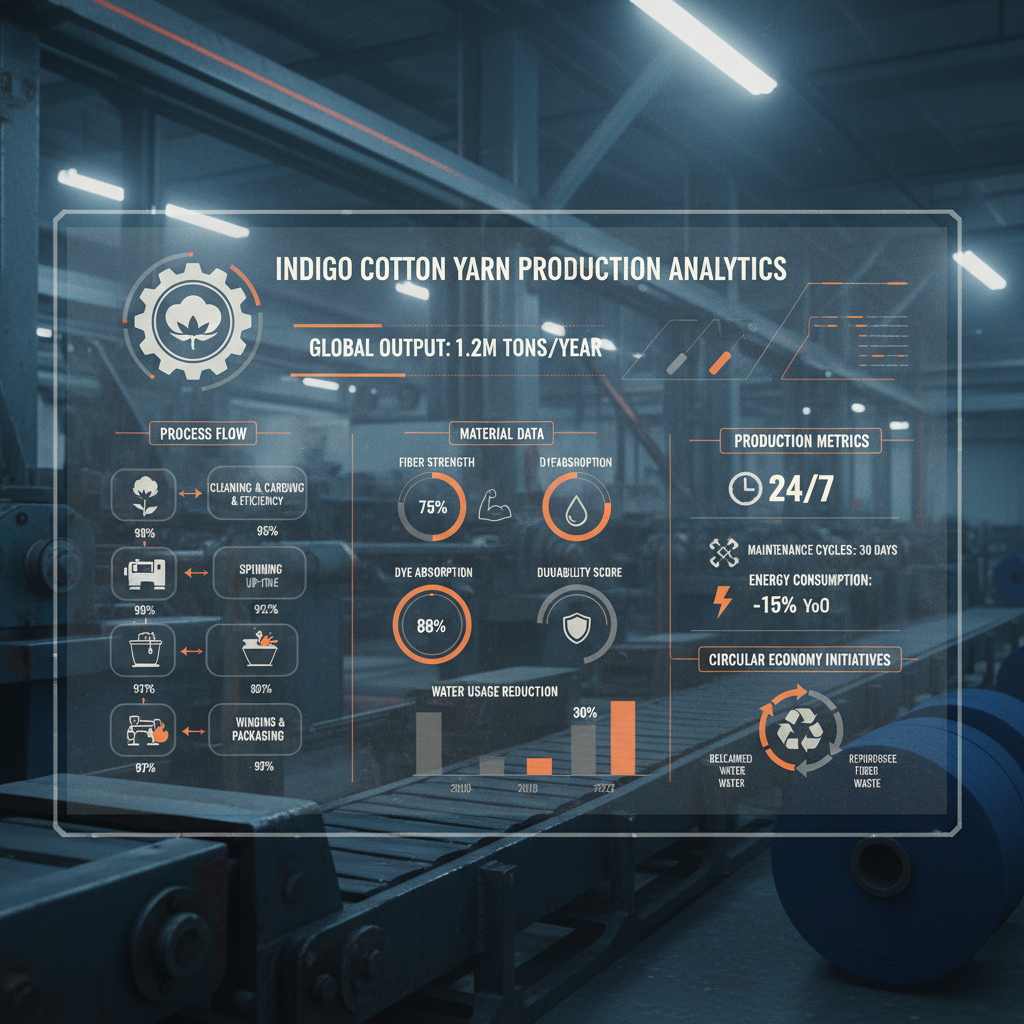
Strength and durability are paramount, particularly for applications like denim where the fabric undergoes significant wear and tear. High-quality cotton fibers, combined with proper dyeing techniques, ensure that indigo cotton yarn maintains its integrity over time. The ability to withstand repeated washing and exposure to sunlight without significant fading is also crucial.
Indigo Cotton Yarn Performance Metrics
Diverse Applications Across Industries
While most commonly associated with denim jeans, the applications of indigo cotton yarn extend far beyond casual wear. The textile's distinctive aesthetic and durability make it suitable for a wide array of products, spanning fashion, home textiles, and industrial uses.
In the fashion industry, indigo cotton yarn is utilized in jackets, shirts, dresses, and accessories, offering a versatile and timeless look. Within home textiles, it appears in bedding, curtains, upholstery, and decorative items, adding a touch of sophistication to interior spaces. Moreover, indigo-dyed cotton finds applications in workwear, offering a robust and comfortable fabric for demanding environments.
The Advantages of Indigo Cotton Yarn
The enduring popularity of indigo cotton yarn stems from a compelling combination of tangible and intangible benefits. From a practical standpoint, its inherent strength and durability make it a long-lasting material, reducing the need for frequent replacements. This translates into cost savings for consumers and contributes to a more sustainable consumption model. indigo cotton yarn provides a compelling long-term value.
Furthermore, the aesthetic versatility of indigo allows for a wide range of design possibilities, catering to diverse tastes and trends. The timeless appeal of indigo ensures that garments and textiles made from this yarn remain stylish and relevant for years to come. Beyond the functional and aesthetic benefits, indigo also carries a cultural weight, evoking a sense of heritage and craftsmanship.
Future Trends and Innovations
The future of indigo cotton yarn is poised for significant advancements, driven by a growing focus on sustainability, technological innovation, and evolving consumer demands. Researchers are exploring alternative indigo sources, including bio-based dyes derived from microorganisms, to reduce reliance on synthetic dyes and minimize environmental impact.
Digital printing technologies are also gaining traction, enabling more precise and efficient indigo dyeing processes with reduced water and chemical consumption. Furthermore, advancements in cotton breeding are focused on developing varieties with improved fiber properties and reduced water requirements. These innovations, combined with a growing emphasis on circular economy principles, are paving the way for a more sustainable and responsible indigo cotton yarn industry.
FAQS
Traditional indigo dyeing processes can generate significant wastewater containing harmful chemicals and pollutants. The use of reducing agents like sodium hydrosulfite and the discharge of dye residues can negatively impact aquatic ecosystems. However, innovations in dyeing technologies and wastewater treatment are addressing these concerns, promoting cleaner production practices. Responsible manufacturers are investing in closed-loop systems and alternative dye sources.
The quality of the cotton fiber significantly affects indigo dye absorption. Long-staple cotton varieties generally exhibit better dye uptake and a more even color distribution compared to short-staple cotton. Fiber maturity and cleanliness also play a crucial role, as impurities can hinder dye penetration. Proper preparation of the cotton yarn, including scouring and bleaching, is essential to optimize dye absorption.
Natural indigo is extracted from the leaves of Indigofera tinctoria and related plants. It’s considered more sustainable, but production is limited and quality can vary. Synthetic indigo, created chemically, offers consistent color and is more readily available. However, its production can involve environmentally harmful processes. Bio-based indigo, a newer alternative, aims to combine the benefits of both.
Look for yarn with a deep, even indigo color, a smooth texture, and minimal shedding. Check for certifications like OEKO-TEX Standard 100, which ensures the yarn is free from harmful substances. Consider the yarn’s strength and durability – a higher quality yarn will withstand more wear and tear. Reputable suppliers will provide detailed specifications and test results.
Generally, indigo cotton yarn is well-tolerated by most people. However, some individuals may experience skin sensitivity due to residual chemicals used in the dyeing process. Choosing yarn certified by OEKO-TEX Standard 100 can minimize this risk, as it guarantees the absence of harmful substances. Washing the fabric before wearing can also help remove any remaining residues.
Wash indigo-dyed fabrics inside out in cold water with a mild detergent. Avoid using bleach or harsh chemicals. Line drying is preferable to machine drying, as heat can cause fading. Washing with similar colors can help prevent color transfer. A small amount of vinegar in the wash can help set the dye and preserve the color vibrancy.
Conclusion
Indigo cotton yarn stands as a testament to the enduring power of tradition and innovation within the textile industry. From its ancient origins to its modern applications, this material continues to captivate designers, manufacturers, and consumers alike with its rich color, exceptional durability, and versatile aesthetic. By embracing sustainable practices, exploring new dye sources, and leveraging advancements in technology, we can ensure that indigo cotton yarn remains a vibrant and responsible component of the global textile landscape.
Looking ahead, the future of indigo cotton yarn hinges on a collective commitment to environmental stewardship and ethical production. Investing in research and development, promoting transparency within the supply chain, and empowering local communities are essential steps towards a more sustainable and equitable indigo industry. Visit our website at www.wuxin-group.com to learn more about our commitment to quality and sustainability in indigo cotton yarn production.