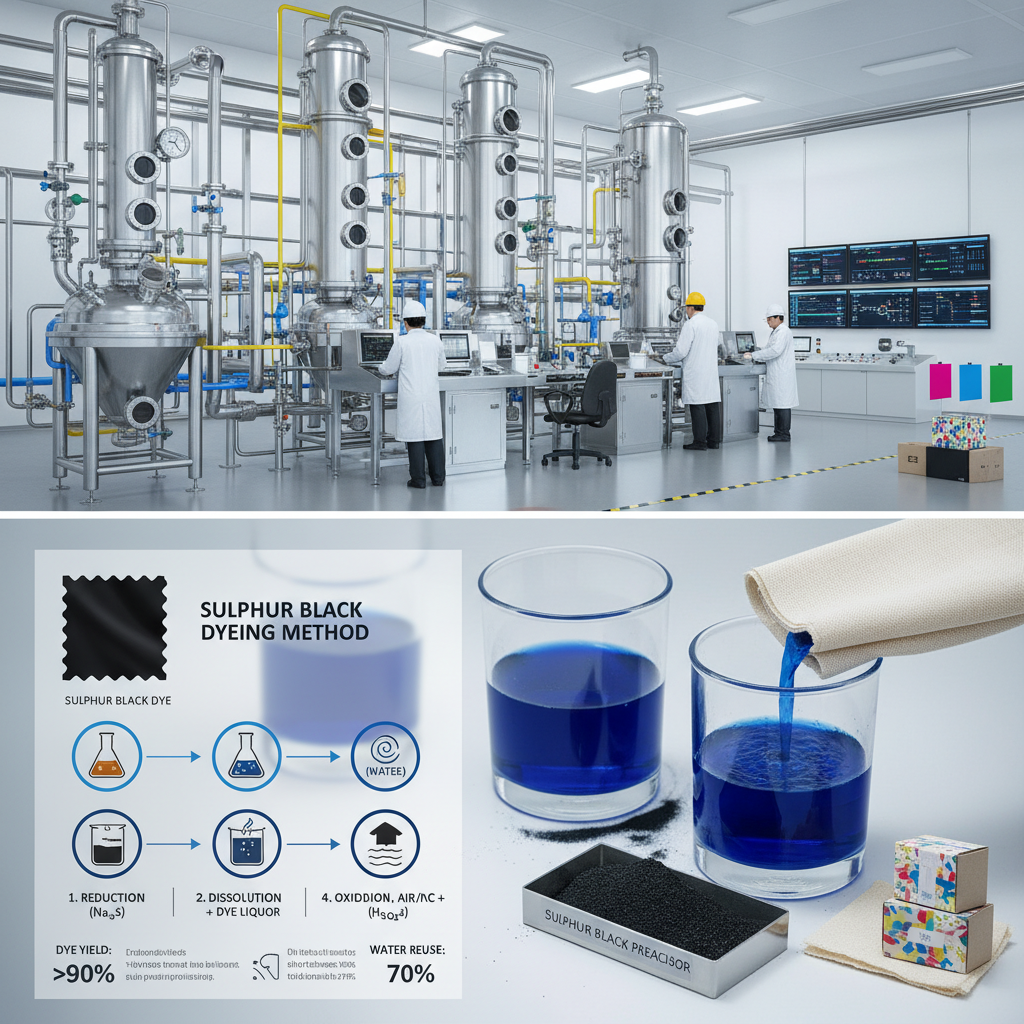
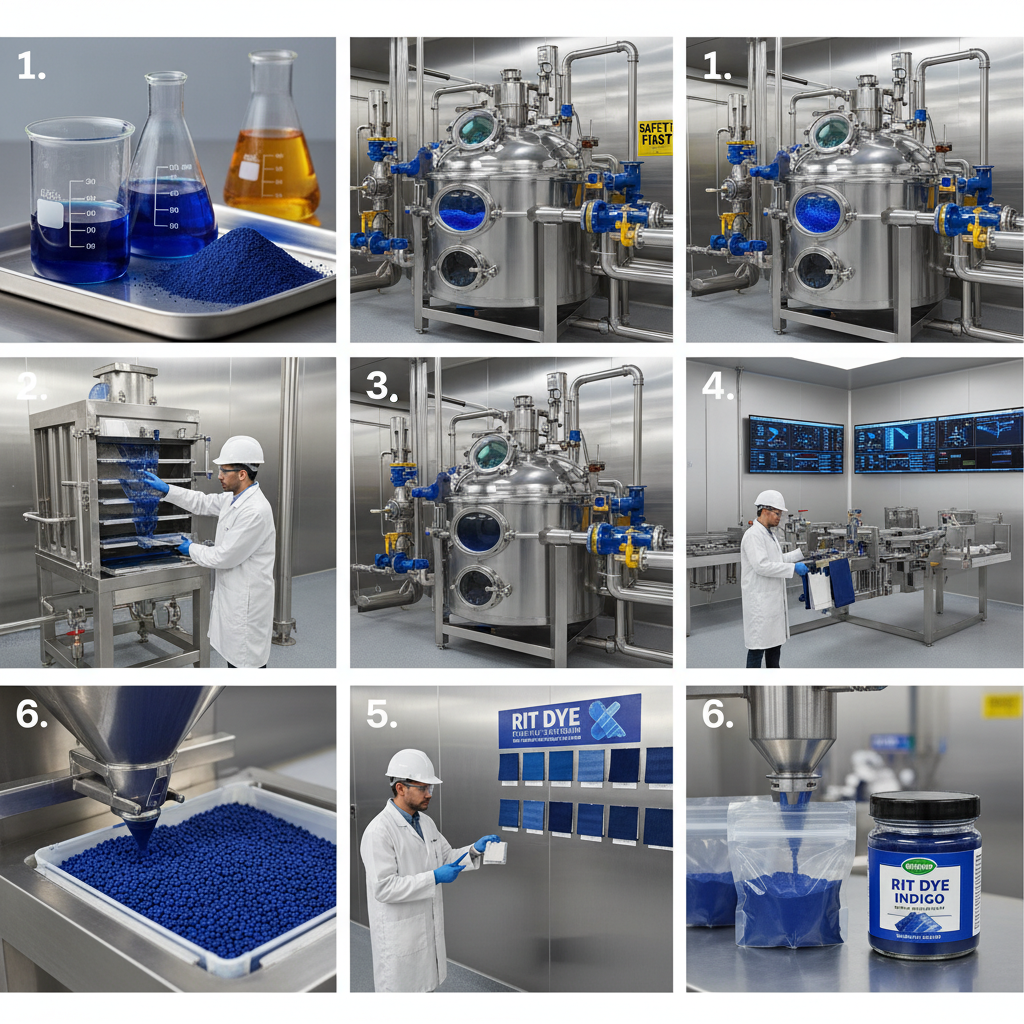
Sulphur black dyeing method is a critical process within the textile industry, renowned for its ability to produce deep, consistent black shades on cellulose fibers like cotton. Its global importance stems from the widespread demand for black fabrics in apparel, home textiles, and industrial applications. Understanding this method is vital for ensuring product quality, minimizing environmental impact, and optimizing production efficiency in a constantly evolving market. sulphur black dyeing method remains a cornerstone of textile coloration.
The textile industry significantly contributes to global economies, with dyeing and finishing processes representing a substantial portion of its environmental footprint. Sulphur black dyeing, while effective, presents unique challenges related to wastewater treatment due to the presence of sulfides and reducing agents. Therefore, ongoing research and development focus on sustainable alternatives and improved effluent management techniques, making knowledge of the process itself and its impacts crucial for industry professionals and policymakers alike.
The benefits of mastering the sulphur black dyeing method are multi-faceted. From achieving precise color control and cost-effectiveness to adhering to stringent environmental regulations, a thorough understanding of the process empowers textile manufacturers to produce high-quality, sustainable products that meet the demands of a global market increasingly focused on responsible sourcing and production practices.
The Fundamentals of Sulphur Black Dyeing Method
Sulphur black dyeing relies on the reaction of sulphur, sodium sulphide, and organic compounds to create a water-insoluble dye directly within the fiber. This in-situ formation is a unique characteristic of this method. The process demands precise control of temperature, pH, and reducing agent concentration to ensure uniform dye distribution and optimal color yield. sulphur black dyeing method requires meticulous execution.
The resulting color is remarkably stable, offering excellent wash and light fastness properties, which contribute to the longevity and durability of dyed textiles. However, the process generates significant amounts of sulfide-containing wastewater, necessitating effective treatment solutions to mitigate environmental pollution. This trade-off between performance and sustainability is a central consideration for modern textile manufacturers.
The Global Relevance and Industry Context
The global demand for black textiles remains consistently high, driven by fashion trends, workwear requirements, and the versatility of the color in various applications. Asia, particularly China, India, and Bangladesh, dominates the textile dyeing industry, accounting for a significant portion of global sulphur black dye production and consumption. This concentration presents both opportunities and challenges in terms of environmental regulation and sustainable practices.
According to the World Bank, the textile industry is a major contributor to water pollution globally, with dyeing and finishing processes being particularly impactful. The United Nations Sustainable Development Goals (SDGs) emphasize the need for responsible consumption and production (SDG 12) and clean water and sanitation (SDG 6), placing increasing pressure on the textile industry to adopt eco-friendly dyeing methods. The sulphur black dyeing method, therefore, faces scrutiny and drives innovation towards cleaner alternatives.
The International Organization for Standardization (ISO) provides standards for textile testing and environmental management, influencing the quality control and sustainability efforts within the industry. Compliance with these standards is becoming increasingly important for companies seeking to access global markets and maintain a positive brand reputation. Effective wastewater treatment, optimized dye utilization, and reduced chemical consumption are crucial aspects of achieving ISO compliance within the context of sulphur black dyeing.
Defining Sulphur Black Dyeing Method
Sulphur black dyeing method is a reduction dyeing process utilizing sulphur-containing dyes to impart a black coloration to cellulosic fibers such as cotton, linen, and viscose rayon. It's characterized by the formation of the dye directly within the fiber through a series of chemical reactions involving sodium sulphide, sulphur, and a complex organic precursor. This distinguishes it from other dyeing methods where pre-formed dyes are applied to the fabric.
This process connects to modern industry needs by providing a cost-effective solution for producing durable and wash-fast black textiles, essential in industries like apparel, home furnishings, and industrial fabrics. While environmental concerns are significant, ongoing research focuses on improving effluent treatment and reducing the process's ecological footprint to align with sustainability demands.
The method addresses humanitarian needs indirectly by enabling the production of affordable and durable clothing, particularly in developing countries. Its relative simplicity and low cost make it accessible to smaller-scale textile producers, contributing to local economies and employment opportunities. However, responsible implementation and waste management are paramount to minimize potential health and environmental risks.
Key Factors Influencing Dyeing Outcomes
Several key factors significantly impact the success of the sulphur black dyeing method. First is Temperature Control: Maintaining precise temperature throughout the dyeing process is critical for optimal dye formation and penetration. Variations can lead to uneven coloration and reduced fastness properties. Secondly, pH Regulation: The pH level dramatically influences the reduction process and dye solubility. Maintaining the correct pH range ensures efficient dye uptake and a consistent black shade.
Thirdly, Reducing Agent Concentration: The amount of sodium sulphide (the primary reducing agent) directly impacts the dye’s reduction and fixation. Insufficient reducing agent results in incomplete dyeing, while excess can lead to sulfide release and environmental concerns. Fourthly, Liquor Ratio: The ratio of dye bath volume to fabric weight influences dye distribution and penetration. Optimizing the liquor ratio ensures uniform dyeing and minimizes water consumption.
Sulphur Black Dyeing Method – Factor Impact Assessment
Applications Across Industries and Regions
Sulphur black dyeing method finds extensive applications in the apparel industry, particularly for producing denim jeans, t-shirts, and workwear due to its cost-effectiveness and durability. It is also prevalent in the home textile sector for dyeing curtains, upholstery fabrics, and bed linens, where deep black shades are popular. In industrial applications, it's used for dyeing technical textiles like filter cloths and conveyor belts.
Geographically, the method is most widely used in Asia, specifically in China, India, Bangladesh, and Pakistan, where large-scale textile production facilities are concentrated. These regions cater to both domestic and international markets. However, applications are also found in South America (Brazil, Argentina) and parts of Europe (Turkey, Italy) where textile manufacturing remains significant.
In post-disaster relief operations, the durable and affordable nature of sulphur black dyed textiles makes them suitable for producing essential clothing items for affected populations. In remote industrial zones, where cost is a primary concern, the method’s efficiency provides a viable option for dyeing workwear and protective gear.
Advantages and Long-Term Value Proposition
The advantages of sulphur black dyeing method are considerable. Cost-Effectiveness is a major benefit, making it a preferred choice for large-scale production. Durability and Wash Fastness provide consumers with long-lasting products, reducing the need for frequent replacements. Color Consistency ensures uniform shades across batches, crucial for brand reputation and quality control.
The long-term value extends beyond immediate cost savings. Sustainable practices, while requiring initial investment, build trust with consumers and enhance brand image. Reduced water consumption through optimized processes minimizes environmental impact, aligning with global sustainability goals. Safe working conditions, achieved through proper handling of chemicals and wastewater treatment, contribute to employee well-being and ethical production.
Future Trends and Innovations in Sulphur Black Dyeing
Future trends point towards integrating green chemistry principles into the sulphur black dyeing process, exploring bio-based reducing agents and alternative sulphur sources to minimize environmental impact. Digitalization and automation are also gaining traction, with advancements in process control and monitoring leading to improved efficiency and reduced waste.
The development of advanced wastewater treatment technologies, such as membrane filtration and electrochemical oxidation, is crucial for addressing the environmental challenges associated with sulphide-containing effluent. Furthermore, research into novel dye formulations and application techniques aims to enhance dye fixation rates and reduce chemical usage, contributing to a more sustainable and circular textile industry.
Challenges & Solutions
The primary challenge associated with sulphur black dyeing method is the generation of significant amounts of sulphide-containing wastewater, posing a substantial environmental risk. Inefficient dye fixation leads to dye loss and increased chemical oxygen demand (COD) in the effluent. Another challenge is the potential for hydrogen sulphide (H2S) gas evolution during the dyeing process, creating health and safety hazards.
Solutions involve implementing advanced wastewater treatment systems like sulfide oxidation and biological treatment to remove pollutants. Optimizing dyeing parameters – temperature, pH, and reducing agent concentration – to maximize dye fixation and minimize dye loss is critical. Investing in enclosed dyeing systems and ventilation technologies can mitigate H2S gas emissions and ensure worker safety.
Summary of Sulphur Black Dyeing Method Challenges and Solutions
| Challenge |
Environmental Impact |
Economic Cost |
Proposed Solution |
| Sulphide-Rich Wastewater |
Water Pollution, Ecosystem Damage |
High Treatment Costs |
Sulphide Oxidation, Biological Treatment |
| Inefficient Dye Fixation |
Increased COD, Dye Loss |
Higher Dye Consumption |
Parameter Optimization, Additives |
| Hydrogen Sulphide (H2S) Emission |
Air Pollution, Health Hazards |
Ventilation Costs, Safety Equipment |
Enclosed Systems, Ventilation |
| High Water Consumption |
Water Scarcity, Resource Depletion |
Water Costs, Effluent Charges |
Water Recycling, Optimized Liquor Ratios |
| Complex Process Control |
Inconsistent Quality, Waste Generation |
Operator Training, Monitoring |
Automated Systems, Real-Time Monitoring |
| Regulatory Compliance |
Penalties, Reputational Damage |
Compliance Costs, Audits |
Environmental Management Systems, Auditing |
FAQS
The main environmental concerns revolve around the discharge of sulphide-containing wastewater. These sulfides can deplete oxygen levels in receiving water bodies, harming aquatic life. Additionally, the process can generate hydrogen sulfide gas, a toxic and odorous byproduct. Proper wastewater treatment, including sulfide oxidation and biological treatment, is crucial for mitigating these impacts. Furthermore, efforts to reduce overall water consumption and optimize dye fixation rates can significantly lessen the environmental footprint of the process.
Several strategies can reduce water consumption. Optimizing the liquor ratio – the ratio of dye bath volume to fabric weight – is a key step. Implementing water recycling systems allows for the reuse of treated wastewater, minimizing fresh water intake. Furthermore, employing advanced dyeing techniques like low-liquor ratio dyeing or foam dyeing can significantly reduce water usage. Regular monitoring and analysis of water consumption patterns can identify areas for improvement and ensure efficient water management.
Working with sulphur black dyes requires strict safety protocols. Proper ventilation is essential to prevent the inhalation of hydrogen sulfide gas, which can be toxic. Personal protective equipment (PPE), including gloves, masks, and eye protection, should be worn at all times. Chemical handling procedures must be followed meticulously to avoid skin contact and ingestion. Regular safety training for personnel is crucial to ensure awareness of potential hazards and proper emergency response procedures.
Sulphur black dyeing is primarily suitable for cellulosic fibers such as cotton, linen, and viscose rayon. It doesn’t generally perform well on synthetic fibers like polyester or nylon without prior modification or blending with cellulosic materials. The dye’s chemical properties and its dependence on fiber reactivity limit its applicability to certain fiber types. Attempting to dye unsuitable fabrics may result in poor color uptake, wash fastness, or overall quality.
The pH level is critical in sulphur black dyeing. An alkaline pH is essential for the reduction of the dye and its subsequent fixation onto the fiber. Typically, a pH range of 9-11 is maintained throughout the dyeing process. If the pH is too low, the dye won’t reduce properly, leading to incomplete coloration. If it’s too high, it can damage the fabric or cause uneven dyeing. Precise pH control, achieved through the addition of alkali such as sodium carbonate or sodium hydroxide, is vital for optimal results.
Research is actively exploring sustainable alternatives. These include utilizing bio-based reducing agents as replacements for sodium sulphide, exploring natural dyes with comparable black shades, and developing innovative dyeing technologies that minimize water and chemical usage. Furthermore, enzymatic treatment of wastewater is emerging as a promising method for removing sulfides and reducing the environmental impact of the process. Advancements in dye fixation techniques also contribute to reduced dye loss and overall sustainability.
Conclusion
The sulphur black dyeing method remains a vital technique within the textile industry, offering a cost-effective solution for achieving durable and consistent black coloration. However, its environmental implications necessitate a commitment to responsible implementation and continuous innovation. By adopting advanced wastewater treatment technologies, optimizing dyeing parameters, and exploring sustainable alternatives, the industry can minimize the negative impacts associated with this process. sulphur black dyeing method improvements are vital.
Looking ahead, a holistic approach that integrates green chemistry principles, digital automation, and circular economy models is crucial for ensuring the long-term sustainability of sulphur black dyeing. Investing in research and development, promoting collaboration between industry stakeholders, and fostering a culture of environmental responsibility will pave the way for a cleaner, more efficient, and more sustainable textile future. Visit our website: www.wuxin-group.com