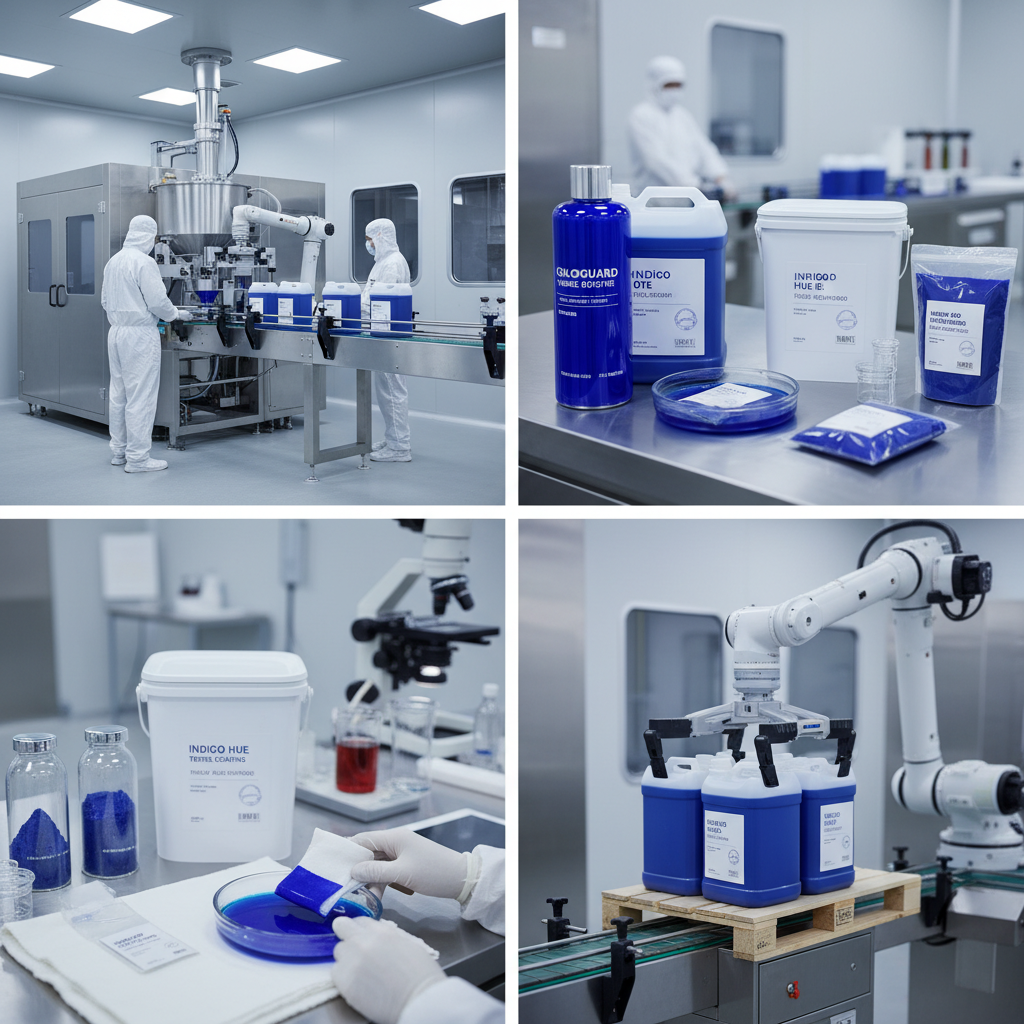
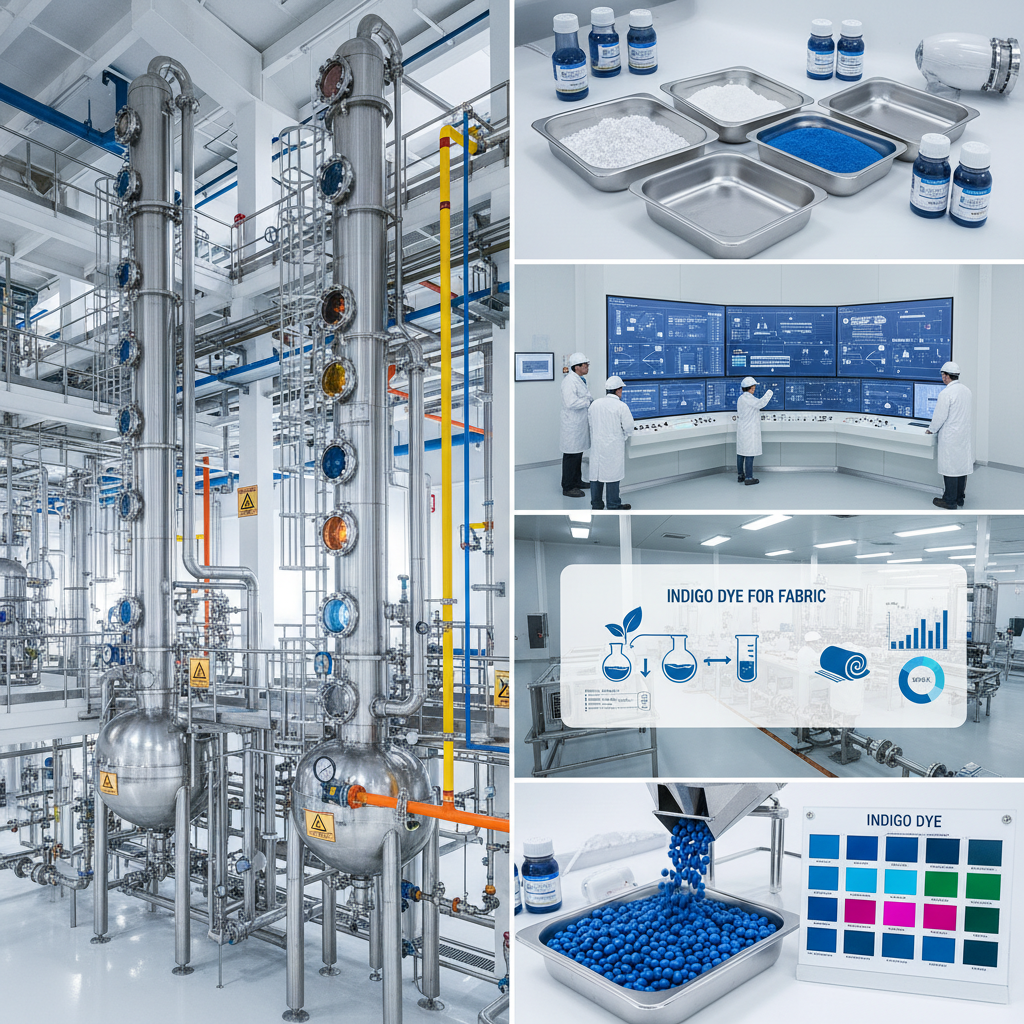
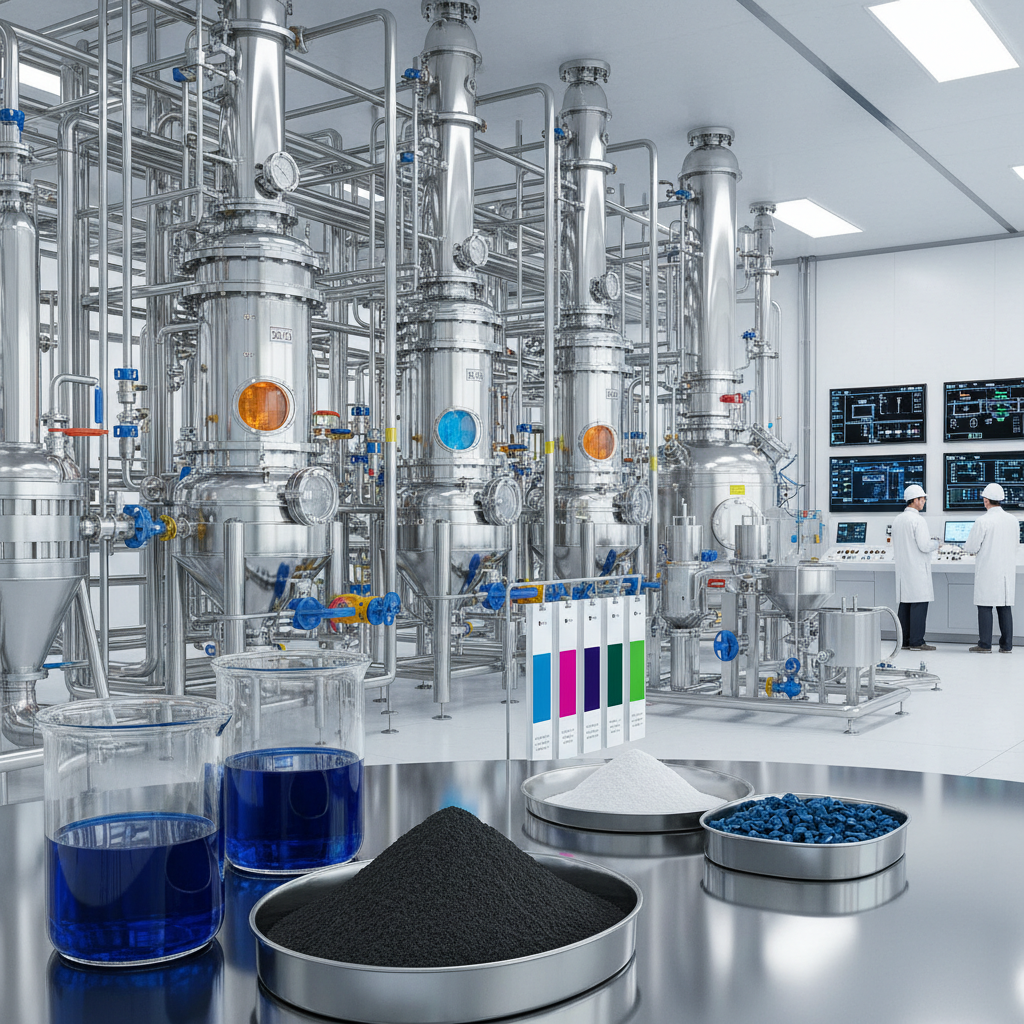
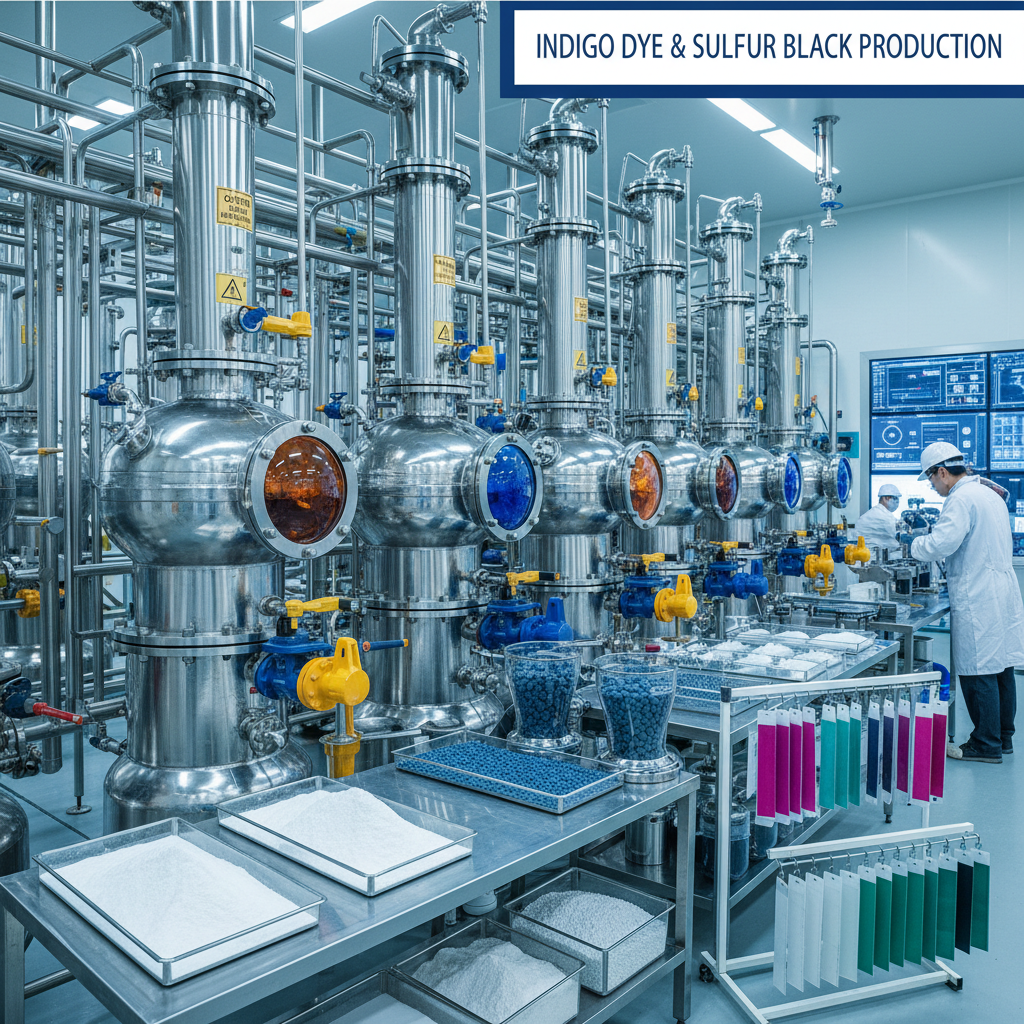
Indigo dye for fabric represents one of the most enduring intersections of chemistry and fashion, serving as the primary pigment for the global denim industry. Beyond its striking visual appeal, this unique vat dye is prized for its ability to sit on the surface of fibers, allowing for the characteristic "fade" that consumers associate with high-quality, lived-in apparel. Understanding the nuances of its application is essential for manufacturers striving to balance aesthetic tradition with modern performance standards.
In a global market increasingly focused on sustainability, the role of indigo dye for fabric has evolved from a simple coloring agent to a focal point of chemical innovation. From the transition toward synthetic indigo to the exploration of bio-based alternatives, the industry is grappling with how to maintain the deep, rich blues of the past while minimizing the environmental footprint of the reduction process.
For textile engineers and designers, mastering the chemistry of indigo is not just about color—it is about durability, lightfastness, and the emotional connection a wearer develops with their garment. By exploring the technical components and global applications of this pigment, stakeholders can better optimize their production chains, ensuring a product that is both commercially viable and ecologically responsible.
The Chemistry and Nature of Indigo Dye for Fabric
Unlike most soluble dyes, indigo dye for fabric is a vat dye, meaning it is insoluble in water. To make it adhere to fabric, it must undergo a chemical reduction process—typically using sodium hydrosulfite—to convert it into its soluble "leuco" form. This colorless state allows the dye to penetrate the cotton fibers before it is exposed to air, where oxidation returns it to its familiar blue pigment, locking the color onto the yarn.
This unique mechanism is what creates the "ring dyeing" effect, where the core of the yarn remains white while the exterior is blue. This characteristic is the fundamental reason why denim can be distressed and stonewashed, as the friction removes the surface indigo to reveal the white center, providing the authentic aesthetic that defines modern casual wear.
Global Market Relevance and Industrial Demand
The demand for indigo dye for fabric is intrinsically linked to the global apparel market, specifically the denim sector which generates billions of dollars in annual revenue. According to textile industry reports, the shift toward "fast fashion" has increased the volume of indigo consumption, while simultaneously putting pressure on manufacturers to reduce the cycle time of the dyeing process.
However, this high demand has historically led to significant environmental challenges. The traditional reduction process involves heavy chemical loads that can contaminate water sources if not treated properly. Consequently, international standards such as ISO 14001 and ZDHC (Zero Discharge of Hazardous Chemicals) are now driving the industry toward "cleaner" indigo solutions that maintain color depth without the ecological cost.
In regions like Southeast Asia and China, where the bulk of garment production occurs, the transition to pre-reduced indigo liquids has become a critical trend. This innovation reduces the amount of chemicals handled on-site and ensures a more consistent shade of blue, addressing the common industrial problem of batch-to-batch color variance.
Core Components of Effective Dyeing Processes
Achieving a professional finish with indigo dye for fabric requires a precise balance of temperature, pH levels, and reducing agents. If the pH is too low, the leuco-indigo will not remain stable, leading to uneven patches of color; if it is too high, the fabric may suffer from degradation and loss of tensile strength.
The choice of reducing agent is the most critical component. While sodium hydrosulfite is the industry standard, its byproduct—sulfate—contributes to water salinity. Modern facilities are experimenting with electrochemical reduction, which eliminates the need for chemical reducers entirely, representing a paradigm shift in how indigo dye for fabric is applied.
Furthermore, the number of "dips" in the dye vat determines the final shade. Because indigo is a surface-loading dye, achieving a deep midnight blue requires multiple cycles of dipping and oxidation. This iterative process is what allows manufacturers to create a spectrum of shades from light wash to raw indigo.
Performance Metrics and Quality Comparison
When evaluating the quality of indigo dye for fabric, engineers look at several key performance indicators (KPIs). The most important are rub-fastness (the resistance to color transfer) and light-fastness. Since indigo is designed to fade, the goal is not absolute permanence, but rather a "controlled" degradation that looks natural over time.
Different application methods yield different results. For instance, rope dyeing offers superior consistency compared to slasher dyeing, though it requires a higher initial capital investment. The following chart illustrates how different application methods for indigo perform across key industrial metrics.
Performance Comparison of Indigo Dyeing Methods
Real-World Applications Across the Textile Sector
The most prominent application of indigo dye for fabric is in the production of denim jeans, but its utility extends to a variety of workwear and fashion accessories. In industrial zones, heavy-duty indigo-dyed cotton is used for uniforms due to its durability and ability to mask stains, combining aesthetic appeal with practical longevity.
Beyond mass production, there is a growing artisanal movement where natural indigo is used for high-end, sustainable fashion. In regions such as Japan and West Africa, traditional indigo dyeing techniques are being integrated into luxury supply chains, proving that indigo dye for fabric can cater to both the economy of scale and the exclusivity of craft.
Long-Term Value and Sustainability Advantages
The long-term value of investing in high-quality indigo dye for fabric lies in its psychological impact on the consumer. The "indigo experience"—the way a pair of jeans evolves with the wearer—creates a level of brand loyalty and product longevity that synthetic, flat dyes cannot replicate. This emotional durability encourages consumers to keep garments longer, reducing overall textile waste.
From a logical perspective, moving toward sustainable indigo solutions reduces the risk of regulatory fines and improves corporate social responsibility (CSR) scores. Companies that adopt low-water indigo dyeing techniques see a reduction in operational costs over time, as water treatment and chemical disposal expenses are significantly lowered.
Furthermore, the shift toward "circular fashion" is heavily reliant on the use of biodegradable dyes. By refining the chemistry of indigo, the industry is moving toward a future where fabrics can be dyed deeply and vibrantly, yet still be safely returned to the earth at the end of their lifecycle.
Future Innovations in Indigo Dyeing Technology
The future of indigo dye for fabric is being shaped by biotechnology and digitalization. One of the most exciting developments is the creation of "bio-indigo" produced by engineered microbes. This process bypasses the need for petroleum-based precursors and harsh reducing agents, offering a path toward a carbon-neutral dyeing process.
Digital transformation is also playing a role through the implementation of "digital indigo" printing. Instead of immersing fabric in vats, precision inkjet heads apply indigo particles to the fabric surface, which are then fixed using laser or ozone technology. This drastically reduces water consumption by up to 90% and eliminates the need for massive wastewater treatment plants.
As automation increases, AI-driven color matching is allowing factories to achieve the perfect shade of indigo with minimal trial and error. This precision not only saves time but also prevents the waste of fabric and chemicals, ensuring that the legacy of indigo remains viable in a resource-constrained world.
Comparison of Modern Indigo Dyeing Technologies and Environmental Impact
| Technology Type |
Water Usage |
Chemical Load |
Color Consistency |
| Traditional Vat Dyeing |
Very High |
High |
Moderate |
| Pre-reduced Indigo |
High |
Moderate |
High |
| Electrochemical Reduction |
Moderate |
Low |
Very High |
| Bio-synthetic Indigo |
Low |
Very Low |
High |
| Digital Indigo Printing |
Minimal |
Minimal |
Absolute |
| Foam Dyeing |
Low |
Moderate |
Moderate |
FAQS
Indigo is a vat dye that adheres to the surface of the fiber rather than penetrating the core. This "ring dyeing" effect means that as the fabric is worn or washed, the outer layers of pigment are physically rubbed off, revealing the white yarn beneath. This creates a personalized fade pattern based on the wearer's movements, which is highly prized in denim culture.
Chemically, the final indigo molecule (Indigotin) is identical in both synthetic and natural forms. However, the production process differs vastly. Natural indigo is extracted from plants like Indigofera tinctoria, while synthetic indigo is produced through chemical synthesis. Synthetic indigo is preferred for mass production due to its purity, cost-effectiveness, and consistency in shade.
Because indigo sits on the surface, some bleeding is inevitable. To minimize it, wash garments inside out in cold water with a pH-neutral detergent. Avoiding harsh chemicals and high temperatures helps maintain the bond between the dye and the fiber. For industrial applications, adding a fixing agent can improve rub-fastness, though it may reduce the garment's ability to fade naturally.
Leuco-indigo is the reduced, water-soluble form of indigo. Since indigo is naturally insoluble, it must be chemically reduced to this colorless "leuco" state to allow it to enter the fabric fibers. Once the fabric is removed from the dye bath and exposed to oxygen, the leuco-indigo oxidizes and reverts back to its insoluble blue form, trapping it within the fiber structure.
Yes, the industry is moving away from sodium hydrosulfite toward electrochemical reduction and glucose-based reducing agents. Electrochemical systems use electricity to reduce the indigo, eliminating chemical waste entirely. These methods significantly reduce the salinity of wastewater, making the production of indigo-dyed fabrics much more sustainable.
While most commonly used on cotton and linen (cellulose fibers), indigo can be applied to other materials, including silk and wool. However, the pH and temperature requirements for protein fibers differ from those of cellulose. For synthetic fibers like polyester, indigo typically requires a special carrier or a modified coating process, as it does not naturally bond to plastic-based fibers.
Conclusion
The application of indigo dye for fabric is a sophisticated balance of ancient tradition and cutting-edge chemical engineering. From the precise control of the oxidation-reduction cycle to the pursuit of sustainable bio-alternatives, the industry continues to evolve to meet the dual demands of aesthetic perfection and ecological responsibility. By optimizing these processes, manufacturers can provide products that offer both the timeless appeal of denim and a modern commitment to the environment.
Looking ahead, the integration of digital printing and biotechnology will likely redefine the indigo landscape, reducing waste and increasing precision. For businesses and designers, the key to success lies in adopting these innovations without losing the unique character of the dye. We encourage you to explore the latest in high-performance pigments to elevate your textile production. Visit our website for more professional solutions: www.wuxin-group.com