Black sulphur, while often associated with volcanic activity and industrial processes, represents a crucial element in diverse applications ranging from soil enrichment in agriculture to advanced material science. Its unique chemical properties and relatively low cost make it an increasingly valuable resource globally, particularly as sustainable practices gain prominence. Understanding black sulphur isn’t merely a scientific pursuit; it’s about unlocking potential solutions for challenges in industries and communities worldwide.
The global demand for sulphur, including black sulphur, is intrinsically linked to fertilizer production, a cornerstone of modern agriculture. According to the World Bank, fertilizer consumption is a key indicator of agricultural productivity and food security. However, the extraction and processing of sulphur often involve environmental concerns. Consequently, research into efficient recovery methods and innovative applications, such as using black sulphur in construction materials and energy storage, is gaining traction, fuelled by ISO standards for environmental management.
Black sulphur, at its core, is elemental sulphur reduced to a fine, dark powder. It’s not a single compound, but rather a physical state of sulphur exhibiting enhanced reactivity due to its increased surface area. This heightened reactivity makes it a key ingredient in a spectrum of modern industrial needs, extending beyond traditional applications to encompass emerging technologies focused on resource optimization and a circular economy.
The Fundamentals of Black Sulphur
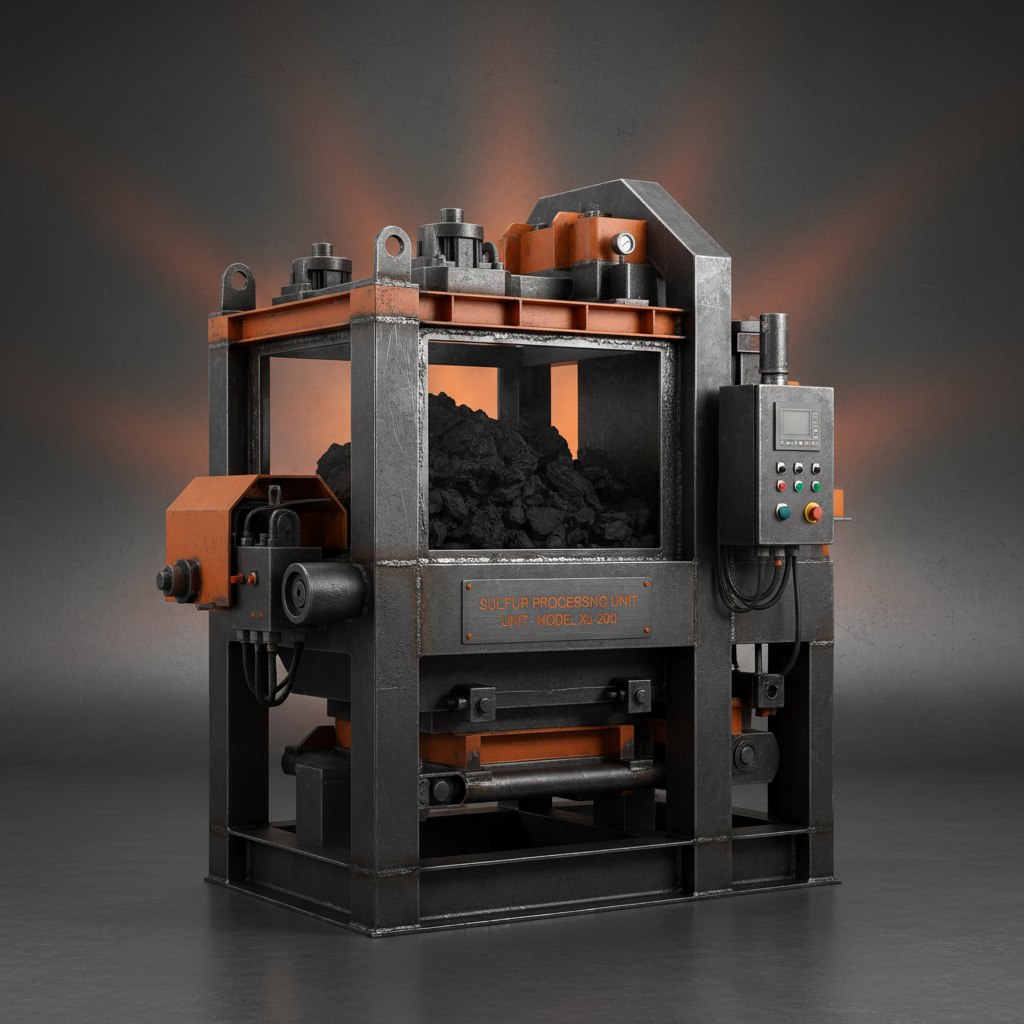
Black sulphur distinguishes itself from other sulphur forms primarily through its particle size and surface area. This granular structure dramatically increases its reactivity, making it ideal for processes where quick dissolution or chemical interaction is crucial. Its production often involves the refining of sour natural gas and crude oil, recovering sulphur as a byproduct rather than through direct mining.
The importance of understanding black sulphur stems from its potential to revolutionize several sectors. From enhancing agricultural yields through targeted nutrient delivery to improving the performance of lithium-sulphur batteries – a promising alternative to lithium-ion – the opportunities are considerable. This versatile material represents a critical bridge between industrial needs and sustainable practices, particularly through the development of closed-loop systems for sulphur recovery and reuse.
Global Production and Supply Chains of Black Sulphur
The primary sources of black sulphur are linked to the oil and gas industry. Countries with significant sour gas reserves, such as Canada, Iran, and Saudi Arabia, are major producers. The Claus process, a widely adopted industrial process, converts hydrogen sulfide (H2S) – a toxic gas found in sour gas and crude oil – into elemental sulphur. This process is critical not only for black sulphur production but also for preventing environmental pollution.
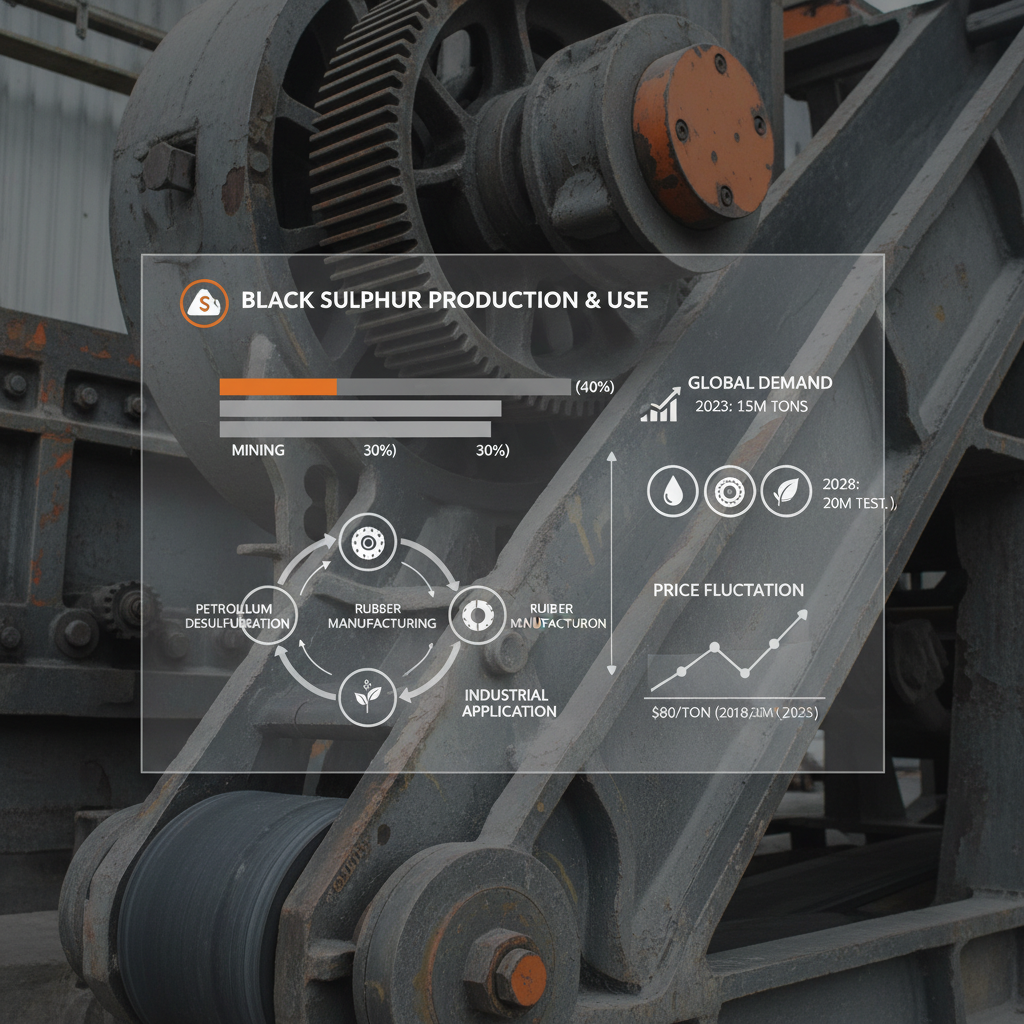
Global supply chains for black sulphur are complex, involving transportation via rail, ship, and truck. The majority of the produced black sulphur is destined for fertilizer manufacturing, but increasingly, it's being directed towards industrial applications like rubber vulcanization, chemical production, and the emerging battery technology sector. Disruptions to these supply chains, caused by geopolitical events or transportation bottlenecks, can significantly impact industries reliant on sulphur.
Monitoring these supply chains is vital for price stability and ensuring adequate availability. The rise of environmental regulations and a focus on carbon capture and storage (CCS) may also influence production levels, as sulphur recovery is often integrated with CCS technologies. Wuxin Group specializes in efficient and sustainable sulphur recovery solutions, contributing to a more reliable supply chain. black sulphur
Chemical and Physical Properties of Black Sulphur
Black sulphur's key chemical property is its high reactivity due to its large surface area. This stems from its amorphous or microcrystalline structure. Unlike crystalline sulphur, which is more stable, black sulphur readily undergoes chemical reactions, making it a powerful reducing agent and a valuable component in various industrial processes. It is also insoluble in water, but soluble in carbon disulfide.
Physically, black sulphur is a dark, powdery substance with a mild odor. Its density is typically around 2.0 g/cm³. The particle size distribution is crucial; finer particles exhibit even greater reactivity. Its melting point is lower than that of crystalline sulphur, making it easier to process in certain applications. However, it is also flammable and requires careful handling and storage procedures to prevent fire hazards.
The unique properties of black sulphur are exploited in numerous industrial applications. For example, its reactivity makes it an effective agent in rubber vulcanization, enhancing the elasticity and durability of rubber products. It also serves as a crucial intermediate in the production of various chemicals, including sulfuric acid, a vital component in fertilizer manufacturing and numerous other industries.
Applications of Black Sulphur in Diverse Industries
Black sulphur plays a pivotal role in agriculture, functioning as a key ingredient in fertilizers and soil amendments. It provides essential nutrients for plant growth and helps regulate soil pH. Beyond agriculture, it is heavily utilized in the rubber industry, where it acts as a vulcanizing agent, strengthening and stabilizing rubber compounds for tire production and various other rubber products.
The chemical industry leverages black sulphur’s reactive nature to produce sulfuric acid, a cornerstone chemical used in countless manufacturing processes. Moreover, emerging applications are exploring its use in lithium-sulphur batteries, offering potentially higher energy density and lower cost compared to conventional lithium-ion batteries. black sulphur is essential to Wuxin's process
Black Sulphur Application Efficacy
Economic Impact and Market Trends of Black Sulphur
The global black sulphur market is significantly influenced by fertilizer demand, which in turn is tied to population growth and agricultural productivity. Price fluctuations are common, largely driven by changes in crude oil and natural gas prices, as these are the primary sources of sulphur. Recent years have seen increased volatility due to geopolitical events and supply chain disruptions.
The increasing adoption of lithium-sulphur battery technology is poised to drive new demand for black sulphur, potentially leading to significant market growth. Moreover, stricter environmental regulations regarding sulphur emissions are incentivizing the development of more efficient sulphur recovery technologies, boosting demand for high-quality black sulphur.
Sustainability and Environmental Considerations of Black Sulphur
While black sulphur itself is a naturally occurring element, its production is often linked to industries with substantial environmental footprints, such as oil and gas refining. Recovering sulphur from sour gas and crude oil is essential to prevent the release of harmful hydrogen sulfide into the atmosphere, but the Claus process still generates emissions, albeit reduced.
Sustainable practices involve optimizing sulphur recovery rates, minimizing energy consumption during processing, and exploring alternative sulphur sources, such as volcanic deposits. The development of closed-loop systems where sulphur is recovered, processed, and reused – minimizing waste – represents a key pathway towards a more sustainable sulphur economy.
Wuxin Group is dedicated to providing environmentally responsible sulphur recovery solutions. Our technologies prioritize efficiency, reducing emissions and maximizing resource utilization.
Future Innovations and Research Directions for Black Sulphur
Research into advanced battery technologies, particularly lithium-sulphur batteries, holds immense promise for expanding the applications of black sulphur. Enhancing battery performance, lifespan, and safety are key areas of focus. Nanomaterials and novel electrode designs are being explored to overcome current limitations.
Another exciting area is the development of sulphur-based polymers and composites for construction materials. These materials could offer enhanced durability, fire resistance, and potentially reduce the carbon footprint of the construction industry. Furthermore, ongoing research aims to improve the efficiency of the Claus process and explore alternative methods for sulphur recovery.
The integration of artificial intelligence (AI) and machine learning (ML) in sulphur processing optimization is also gaining traction. AI-driven systems can analyze complex data to predict process variations and optimize operating parameters, leading to improved efficiency and reduced environmental impact.
Summary of Black Sulphur Research Areas
| Research Area |
Potential Impact |
Current Challenges |
Projected Timeline |
| Lithium-Sulphur Batteries |
Higher energy density, lower cost |
Polysulphide shuttle effect, cycle life |
5-10 years |
| Sulphur Polymers |
Durable, fire-resistant construction materials |
Mechanical properties, cost-effectiveness |
7-12 years |
| Claus Process Optimization |
Reduced emissions, increased sulphur recovery |
Catalyst performance, energy efficiency |
2-5 years |
| AI-Driven Sulphur Processing |
Improved efficiency, predictive maintenance |
Data availability, model accuracy |
3-7 years |
| Volcanic Sulphur Extraction |
Alternative sulphur source, reduced reliance on fossil fuels |
Environmental impact, logistical challenges |
10+ years |
| Sulphur-Based Soil Amendments |
Enhanced nutrient delivery, improved soil health |
Optimal dosage, soil compatibility |
2-5 years |
FAQS
Black sulphur finds widespread use in fertilizer production, contributing to global food security. It’s also crucial in the rubber industry as a vulcanizing agent, enhancing rubber’s durability. Emerging applications include lithium-sulphur batteries, offering potential advantages over traditional lithium-ion technology, and as a component in specialized chemical processes. These diverse uses highlight its importance across multiple sectors.
The production of black sulphur is often linked to the processing of sour natural gas and crude oil. While recovering sulphur prevents the release of toxic hydrogen sulfide, the process itself can generate emissions. Sustainable practices focus on maximizing sulphur recovery rates, minimizing energy consumption, and developing closed-loop systems for reuse, lessening the environmental footprint.
Black sulphur is a key component in lithium-sulphur (Li-S) batteries, a promising alternative to traditional lithium-ion technology. Li-S batteries theoretically offer higher energy density, lower cost, and improved safety. However, challenges remain in terms of cycle life and polysulphide shuttle effect, which are areas of active research.
The price of black sulphur is influenced by several factors, including the price of crude oil and natural gas – its primary sources. Global supply and demand dynamics, geopolitical events, and transportation costs also play significant roles. Market volatility is common, making price forecasting challenging.
Beyond fertilizers and rubber, emerging applications include sulphur polymers for construction materials, offering enhanced durability and fire resistance. Research is also exploring its use in advanced soil amendments for improved agricultural yields and novel chemical processes leveraging its unique reactivity. The development of sustainable sulphur-based materials is a growing area of interest.
Ensuring a sustainable supply of black sulphur involves prioritizing efficient sulphur recovery technologies, diversifying sourcing options, and investing in closed-loop systems for reuse. Collaboration with suppliers committed to environmental responsibility and adherence to industry best practices are also crucial steps. Wuxin Group offers solutions to support sustainable sulphur management.
Conclusion
In conclusion, black sulphur represents a multifaceted and increasingly vital element in a range of industries. From its foundational role in agriculture and rubber production to its potential in emerging technologies like lithium-sulphur batteries and sustainable construction materials, its versatility is undeniable. Understanding its properties, production processes, and environmental impact is paramount for harnessing its full potential while minimizing risks.
Looking ahead, continued innovation in sulphur recovery, coupled with research into novel applications, will be essential for unlocking further benefits. Embracing sustainable practices and prioritizing resource efficiency will not only mitigate environmental concerns but also ensure a reliable and cost-effective supply of this crucial material for future generations. To learn more about how Wuxin Group is leading the way in sustainable sulphur solutions, visit our website: www.wuxin-group.com