The global denim industry relies on a very specific aesthetic: the deep, evocative blue that defines a pair of classic jeans. At the heart of this visual identity is indigo dye for jeans, a unique pigment that doesn't just color the fabric but interacts with it over time, creating the coveted "fade" that denim enthusiasts prize. Understanding the chemistry and application of this dye is essential for manufacturers aiming to balance traditional style with modern industrial efficiency.
From a commercial perspective, the choice of indigo pigment affects everything from production costs to the environmental footprint of the garment. As consumer demand shifts toward sustainable fashion, the industry is witnessing a transition from traditional synthetic processes to more eco-friendly alternatives. This evolution ensures that the timeless look of denim remains viable in a world increasingly concerned with chemical runoff and water pollution.
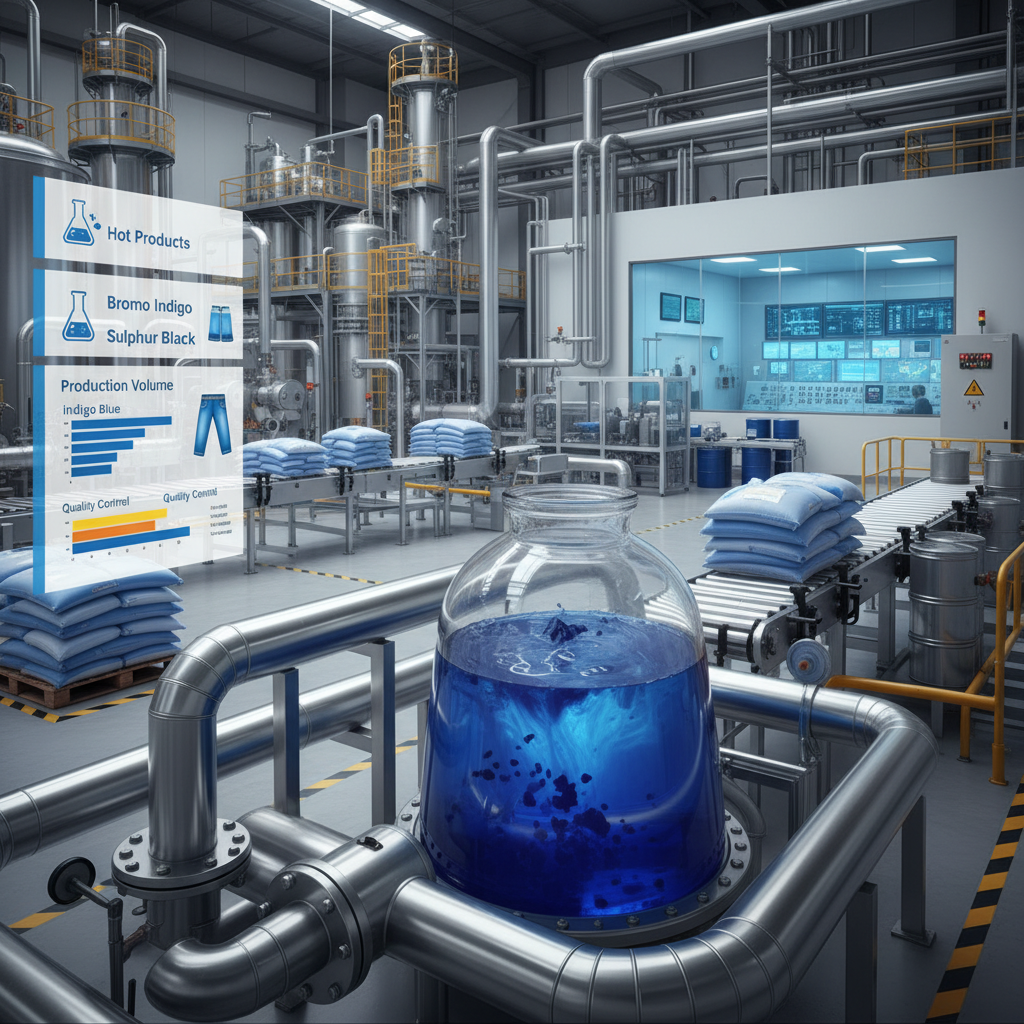
Whether you are sourcing high-purity Bromo Indigo or looking for stable Sulphur Black complements, the technical specifications of your indigo dye for jeans determine the final product's durability and color consistency. By optimizing the dyeing process, brands can achieve a professional, high-end finish that withstands the rigors of daily wear while meeting strict international textile standards.
The Global Significance of Indigo Dye for Jeans
The utilization of indigo dye for jeans is a cornerstone of the global apparel industry. According to textile trade data, the denim market continues to grow at a steady CAGR, driven by the universal appeal of blue jeans across every continent. This demand puts immense pressure on chemical manufacturers to provide pigments that are not only vibrant but also scalable for mass production in hubs like China, India, and Vietnam.
However, the industry faces a critical challenge: the traditional reduction process of indigo often requires harsh chemicals like sodium hydrosulfite. This has led to a global push for "green chemistry," where the goal is to maintain the iconic depth of the blue while reducing the toxicity of the effluent. Solving this puzzle is key to the longevity of the denim sector in an era of strict ISO environmental certifications.
Understanding the Chemistry of Denim Coloration
Unlike most dyes that penetrate the fiber completely, indigo dye for jeans is unique because it sits primarily on the surface of the cotton yarn. This "ring dyeing" effect is what allows the fabric to fade over time as the surface pigment wears away, creating the high-contrast highlights seen in aged denim. This chemical property makes indigo irreplaceable for the authentic "worn-in" look.
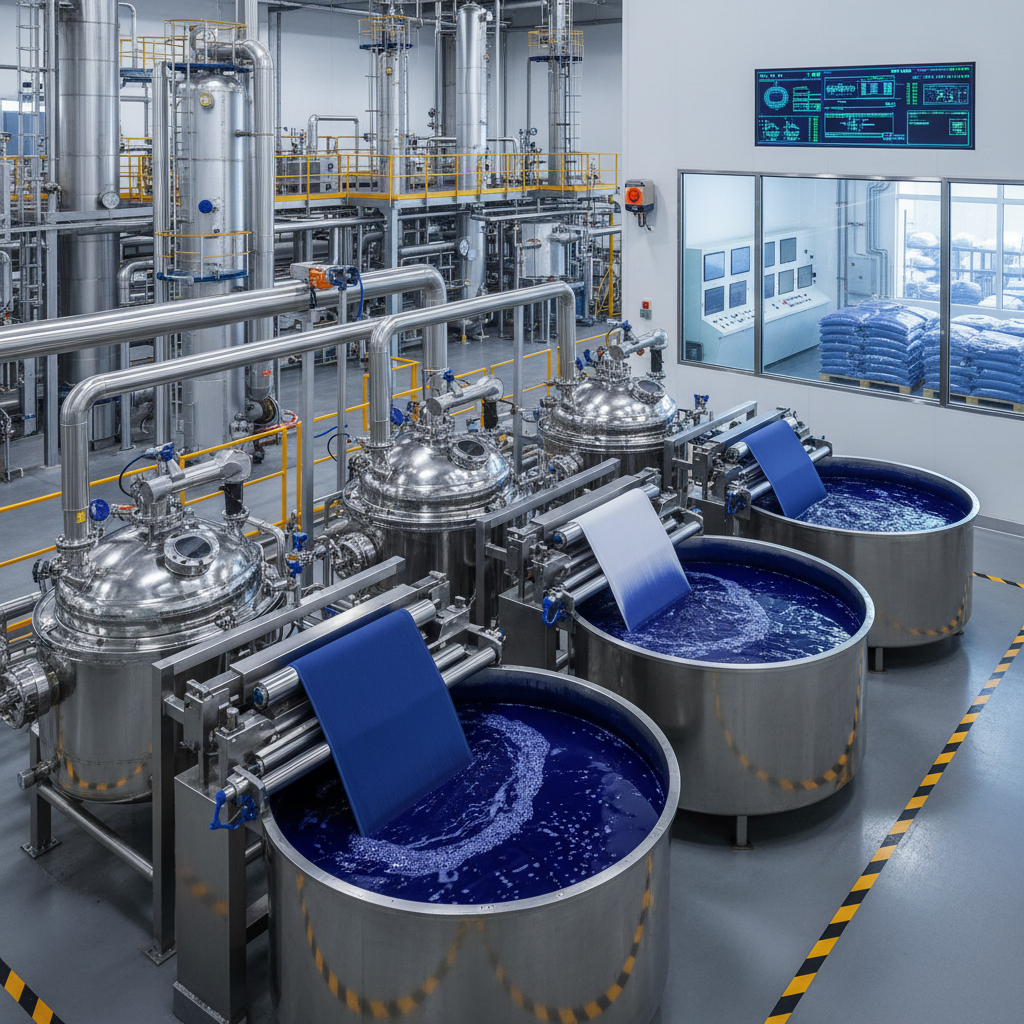
The process involves a complex reduction-oxidation cycle. Indigo is naturally insoluble in water; therefore, it must be reduced to its "leuco" form to bond with the fabric. Once the yarn is dipped and exposed to air, the oxygen triggers a re-oxidation process, locking the blue pigment onto the fiber. Precision in this timing is what separates premium denim from low-grade apparel.
Modern manufacturers now employ various specialized forms, such as Bromo Indigo, to enhance the solubility and penetration of the dye. By tweaking the molecular structure, chemists can produce a wider range of shades—from the pale "bleached" blue to the deep "midnight" indigo—ensuring that fashion brands can meet diverse seasonal trends without compromising on fabric integrity.
Core Components of High-Quality Indigo Pigments
When evaluating indigo dye for jeans, durability is the primary metric. The pigment must maintain its structural integrity through repeated washing and mechanical abrasion. High-quality synthetic indigo is engineered to ensure that the color remains consistent across thousands of meters of fabric, preventing the dreaded "streaking" effect in large batches.
Scalability and cost-efficiency are equally vital. In high-volume manufacturing, the concentration of the pigment and its ease of dissolution directly impact the bottom line. A superior indigo product allows for shorter dipping cycles and lower chemical consumption, effectively reducing the cost per garment while maintaining a luxury finish.
Finally, purity is paramount. Impurities in the dye can lead to unpredictable reactions during the oxidation phase, resulting in uneven coloring. By utilizing refined chemicals and strict quality control, manufacturers ensure that the indigo interacts predictably with the cotton, providing a stable foundation for subsequent treatments like stone-washing or enzyme-bleaching.
Performance Metrics in Industrial Dyeing
To optimize the application of indigo dye for jeans, technical teams monitor several key performance indicators (KPIs). These include the "depth of shade" (measured by spectrophotometers), the rate of oxidation, and the waste-water COD (Chemical Oxygen Demand) levels. Balancing these metrics allows a factory to maximize throughput without sacrificing the aesthetic quality of the denim.
Furthermore, the interaction between indigo and complementary dyes, such as Sulphur Black, is critical for achieving "dark indigo" or "grey-blue" variants. The stability of the chemical bath determines how evenly these pigments distribute, which is why industrial-grade indigo is formulated for maximum compatibility with other textile auxiliaries.
Comparative Efficiency of Indigo Dyeing Methods
Global Applications and Denim Market Trends
The application of indigo dye for jeans varies significantly by region. In high-fashion centers like Italy and Japan, there is a resurgence of "raw denim," where the dye is applied heavily and left untouched, allowing the wearer to create their own unique wear patterns. This requires an indigo pigment with exceptional purity and a deep, saturated hue.
Conversely, in mass-market production zones across Southeast Asia, the focus is on "pre-washed" and "distressed" styles. This necessitates a dye that reacts predictably to chemical stripping and laser etching. The ability of the indigo to be selectively removed while maintaining a consistent base color is what allows manufacturers to create complex vintage looks at a commercial scale.
Long-Term Value of Sustainable Dyeing Solutions
Investing in high-performance indigo dye for jeans provides long-term value by reducing the risk of batch failure and product recalls. When a dye is chemically stable, the resulting denim has a more consistent life cycle, reducing the likelihood of premature fading or color bleeding, which enhances brand trust and customer loyalty.
Moreover, the shift toward "bio-indigo" and closed-loop dyeing systems is not just an ethical choice but a strategic business move. As governments implement stricter penalties for water pollution, factories that adopt cleaner indigo technologies avoid costly fines and secure their supply chains against sudden regulatory shifts.
Ultimately, the value of a premium indigo pigment lies in its ability to bridge the gap between tradition and innovation. By delivering the classic blue aesthetic through a modern, efficient chemical process, brands can maintain their heritage while embracing the future of sustainable manufacturing.
Future Innovations in Synthetic Indigo Technology
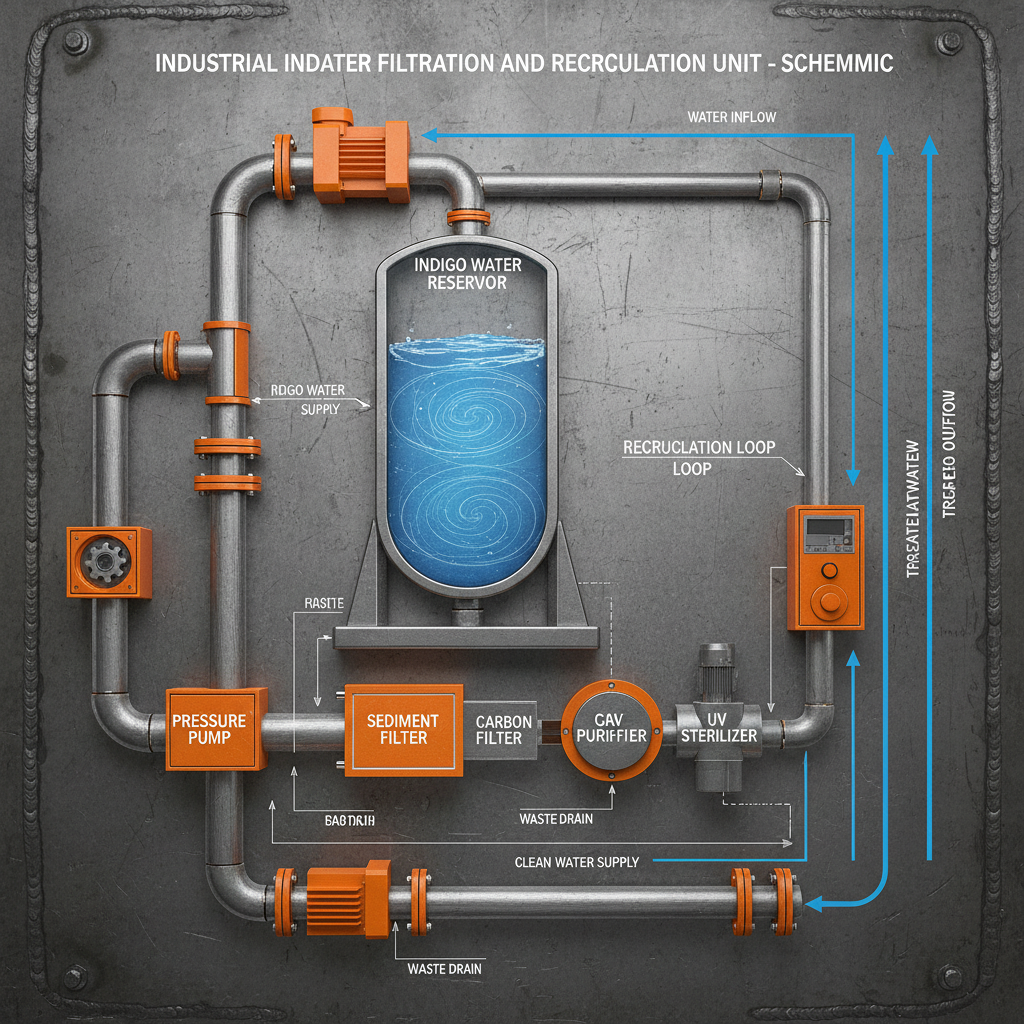
The future of indigo dye for jeans is being shaped by digital transformation and biotechnology. We are seeing the rise of "electro-chemical" reduction, which eliminates the need for hydrosulfite by using electricity to convert indigo into its soluble form. This innovation drastically reduces the salt and chemical load in wastewater.
Automation is also playing a role, with AI-driven dosing systems that adjust the indigo concentration in real-time based on fabric absorption rates. This ensures that every yard of denim is dyed with mathematical precision, virtually eliminating human error and reducing pigment waste.
As we look toward 2030, the integration of recycled indigo—reclaiming pigment from textile waste—will likely become a standard practice. This circular economy approach will redefine the denim industry, making the production of blue jeans a regenerative process rather than a purely extractive one.
Analysis of Indigo Dyeing Technology Trends and Efficacy
| Technology Type |
Environmental Impact |
Color Consistency |
Cost per Unit |
| Traditional Vat Dyeing |
High (Chemical Runoff) |
Moderate |
Low |
| Pre-reduced Indigo |
Moderate |
High |
Medium |
| Electro-chemical Dyeing |
Low (Green) |
Very High |
High (Initial Capex) |
| Bio-Synthetic Indigo |
Very Low |
Moderate |
High |
| Foam Dyeing Technology |
Low (Water Saving) |
High |
Medium |
| Hybrid Bromo-Indigo |
Moderate |
Very High |
Medium |
FAQS
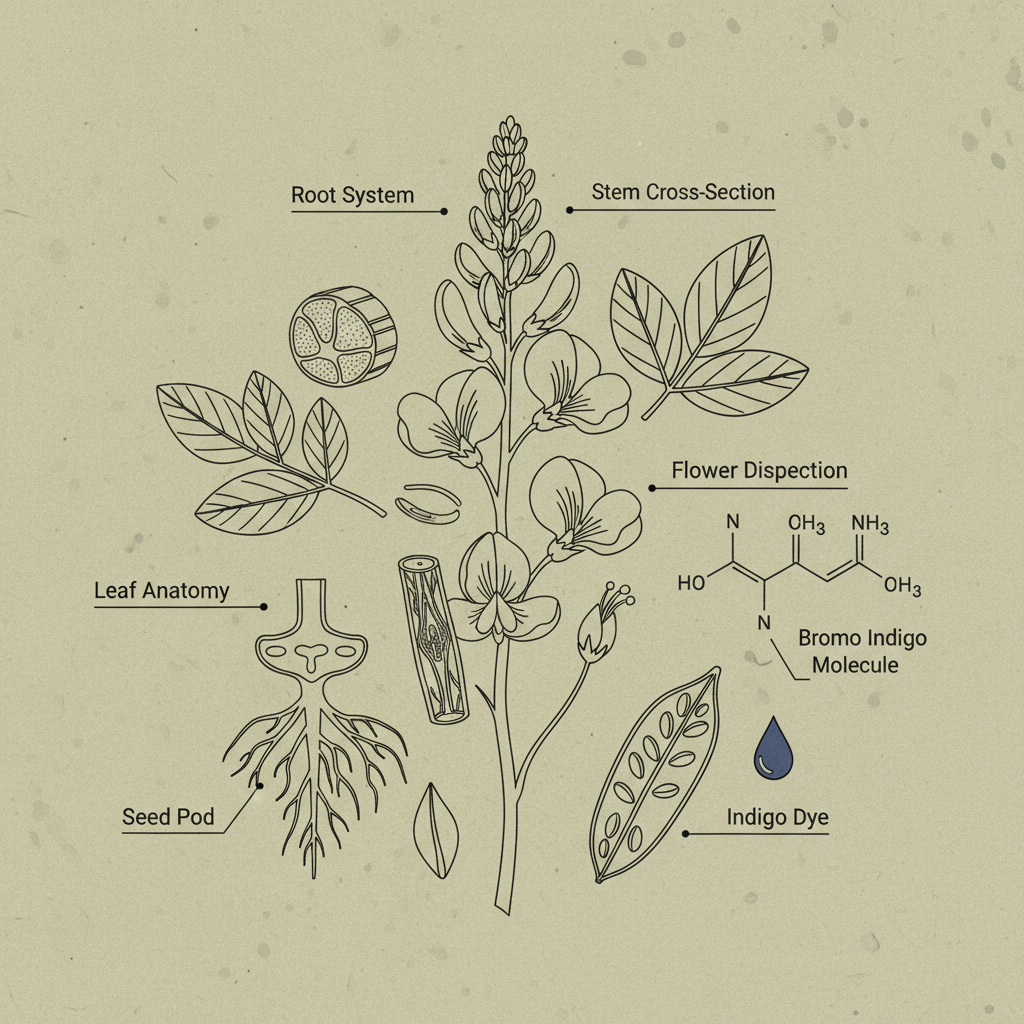
Natural indigo is derived from plants (like Indigofera tinctoria), offering a unique, organic hue but is difficult to scale and lacks consistency. Synthetic indigo is chemically engineered to provide uniform color, higher purity, and significantly lower costs, making it the industry standard for mass-produced denim globally.
Indigo is a vat dye that does not chemically bond with the cotton fiber in the same way as reactive dyes. Instead, it adheres to the surface. Through wear and washing, these surface particles are physically rubbed off, exposing the white core of the yarn and creating the characteristic "fade."
Consistency is achieved by using high-purity pigments and maintaining strict control over the reduction-oxidation bath. Utilizing pre-reduced indigo and automated dosing systems helps eliminate human error, ensuring that the pH and temperature remain constant throughout the dyeing process.
Yes, several innovations exist, including foam dyeing (which uses 90% less water), electro-chemical reduction (which eliminates hydrosulfite), and bio-synthetic indigo produced by engineered bacteria. These methods significantly reduce the environmental footprint of denim production.
Bromo Indigo is a modified version of the pigment designed to improve solubility and penetration. This allows for a more efficient dyeing process, reducing the number of dips required to achieve a deep shade, which saves time, water, and energy in the factory.
While indigo is traditionally used on cotton, it can be applied to other cellulosic fibers like linen or hemp. However, its application on synthetic fibers like polyester requires specialized auxiliaries because the pigment does not naturally adhere to non-polar synthetic surfaces.
Conclusion
The mastery of indigo dye for jeans is more than just a chemical process; it is the intersection of art, fashion, and industrial engineering. From the precise ring-dyeing effect that allows for personalized fading to the transition toward sustainable, low-impact chemistry, indigo remains the heartbeat of the denim world. By focusing on purity, scalability, and environmental responsibility, manufacturers can produce garments that are both timeless in style and forward-thinking in production.
As the industry moves toward a circular economy, the adoption of bio-synthetic pigments and waterless dyeing technologies will be the key differentiator for successful brands. We encourage producers to invest in high-quality, stable pigments that meet international standards to ensure longevity and brand integrity. For premium sourcing and technical support in denim coloration, visit our website: www.wuxin-group.com.