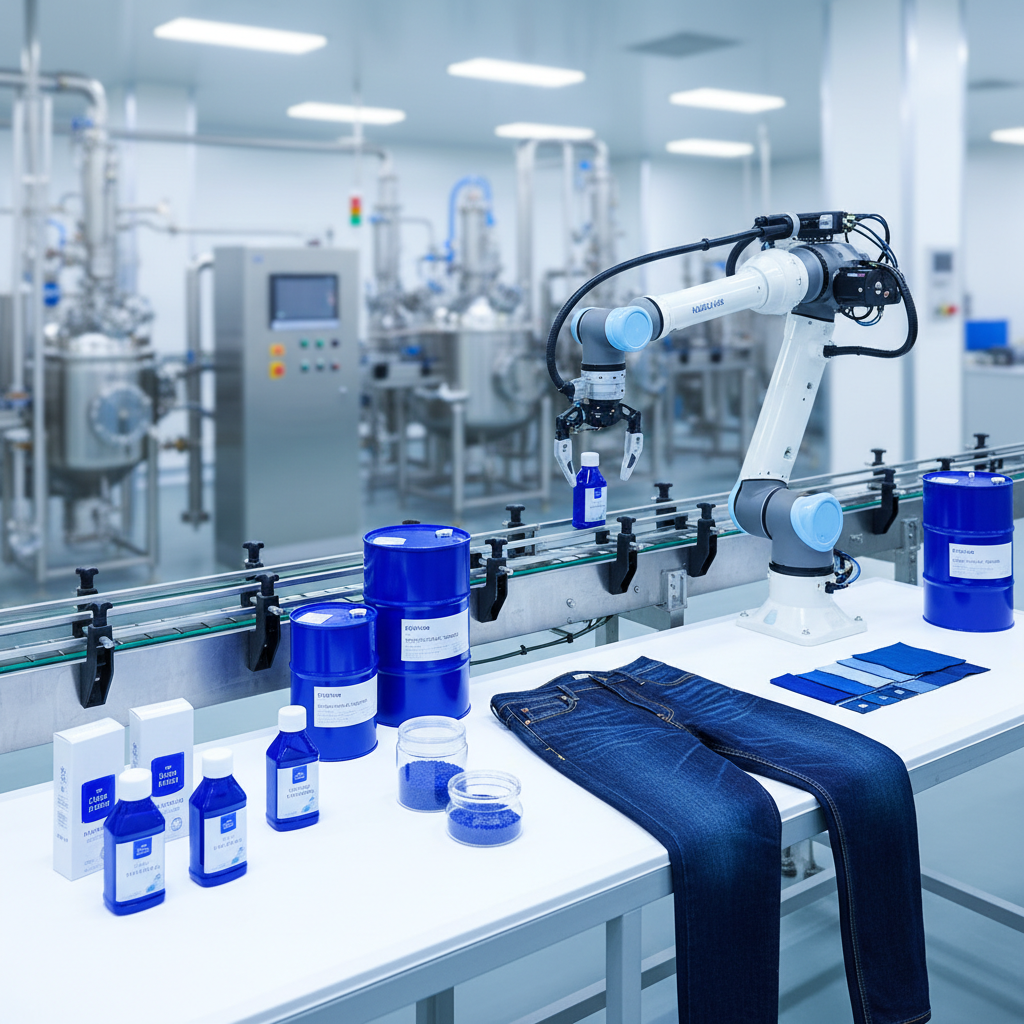
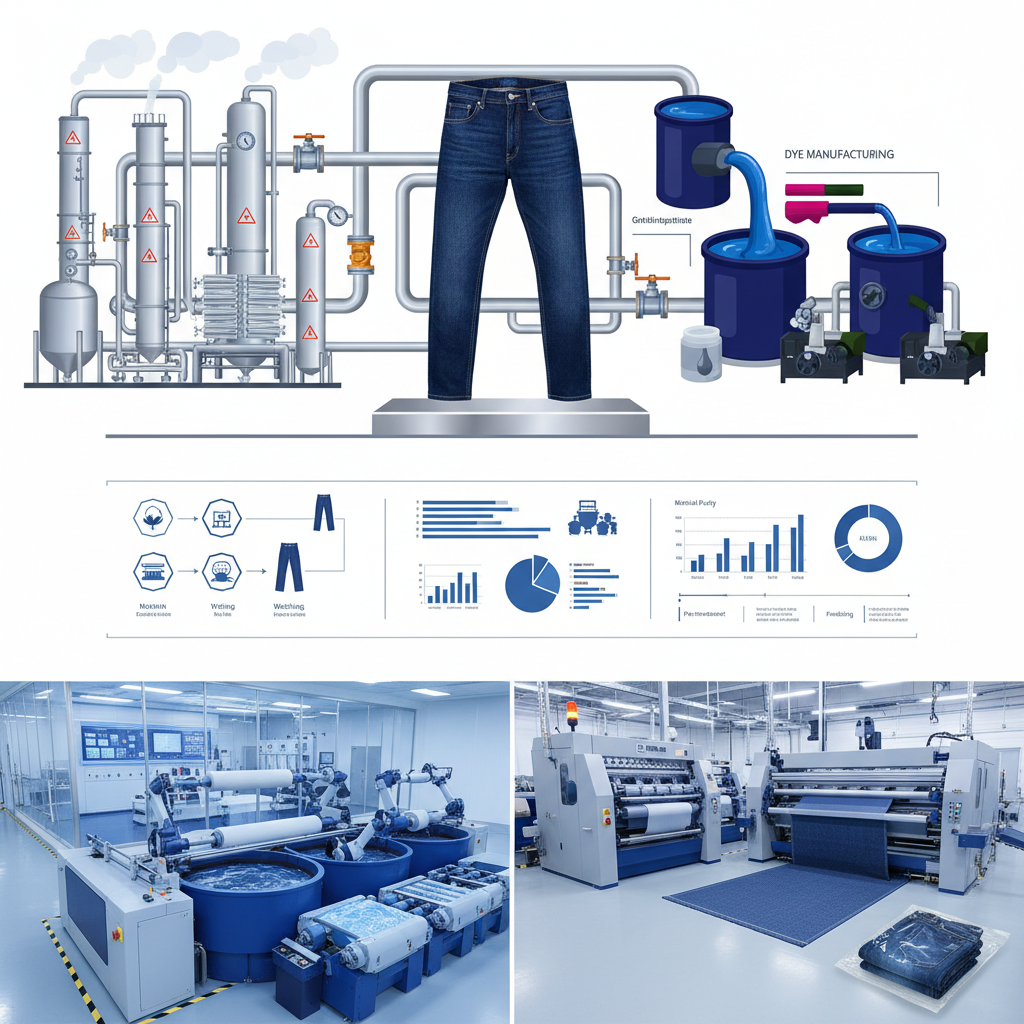
The global apparel industry has long been defined by the iconic allure of indigo dye jeans, a garment that transcends fashion to become a cultural symbol of durability and timeless style. From the rugged workwear of the 19th century to the high-fashion runways of today, the chemistry of indigo has remained the cornerstone of denim production. Understanding the nuances of this dyeing process is essential for manufacturers aiming to balance aesthetic appeal with industrial efficiency.
In the modern era, the production of indigo dye jeans faces a critical intersection of tradition and innovation. While the deep blue hue remains non-negotiable for consumers, the industry is under immense pressure to reduce the environmental footprint of traditional vat dyeing. This shift has led to the development of advanced synthetic indigo and sustainable reduction agents, ensuring that the denim industry evolves without losing its soul.
By exploring the technical parameters of Indigo Blue, Bromo Indigo, and Sulphur Black, textile professionals can optimize the fading characteristics and color fastness that define high-quality denim. This guide delves into the systemic application of these dyes, offering a comprehensive look at how chemical precision transforms raw cotton into the world's most popular fabric, ultimately driving value for brands and consumers alike.
The Chemical Foundation of Indigo Dye Jeans
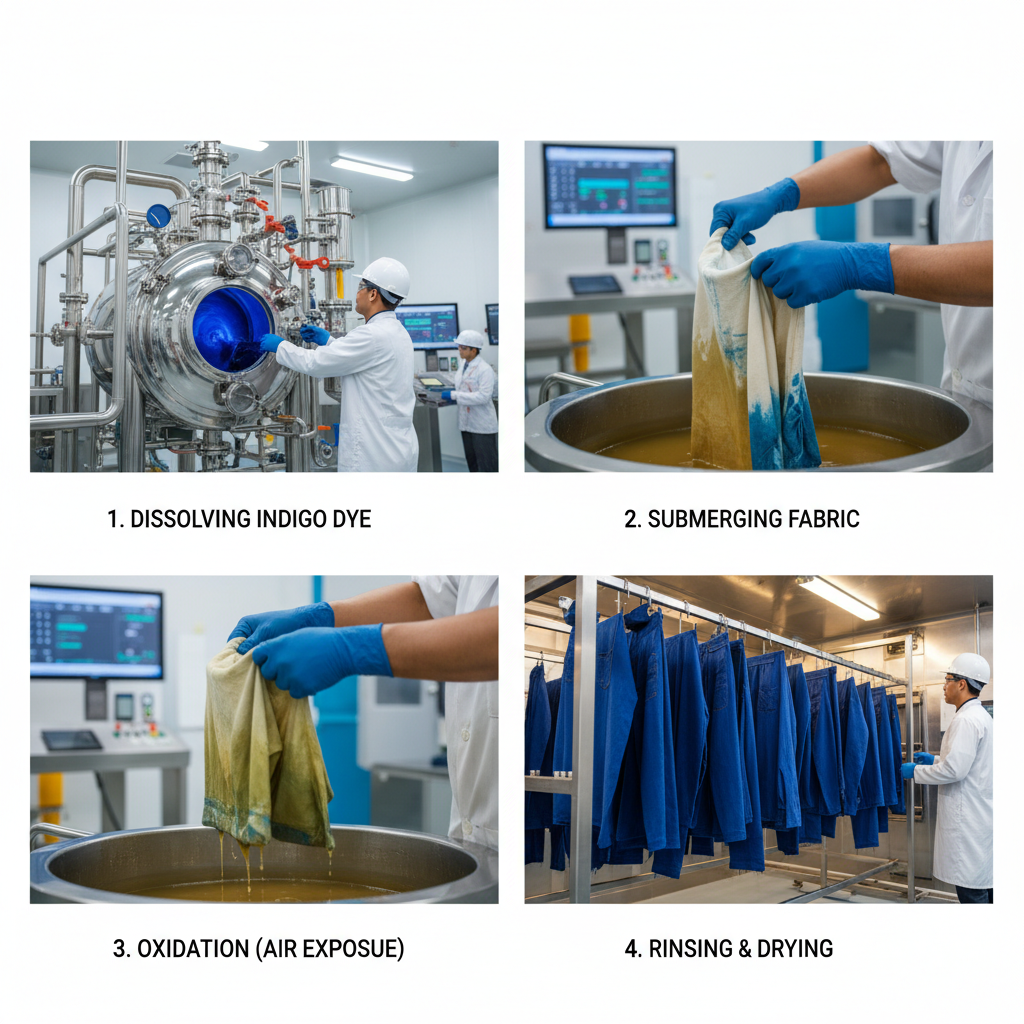
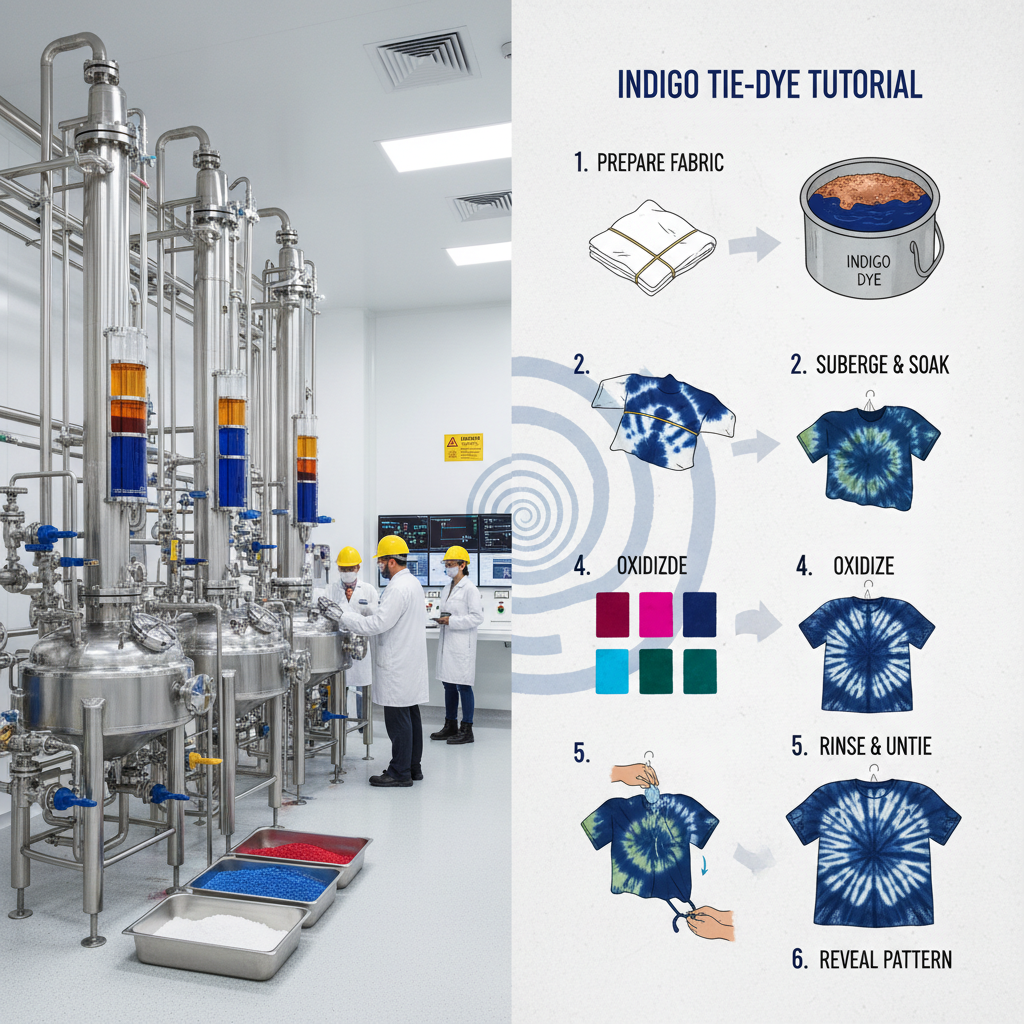
The unique characteristic of indigo dye jeans lies in the "ring dyeing" process. Unlike other dyes that penetrate the core of the yarn, indigo resides primarily on the surface. This chemical property is what allows denim to fade over time, creating the personalized wear patterns that consumers crave. The process requires a reduction stage—converting the insoluble indigo into a soluble leuco-indigo—before the fabric is dipped and oxidized in the air to return to its blue state.
Technically, the choice between standard Indigo Blue and specialized variants like Bromo Indigo affects the depth of shade and the rate of oxidation. For manufacturers, mastering the redox potential of the dye vat is the difference between a vibrant, consistent blue and a muddy, uneven finish. This fundamental chemistry ensures that the structural integrity of the cotton fibers remains intact while achieving a high-saturation visual effect.
Industrial Scaling and Production Efficiency
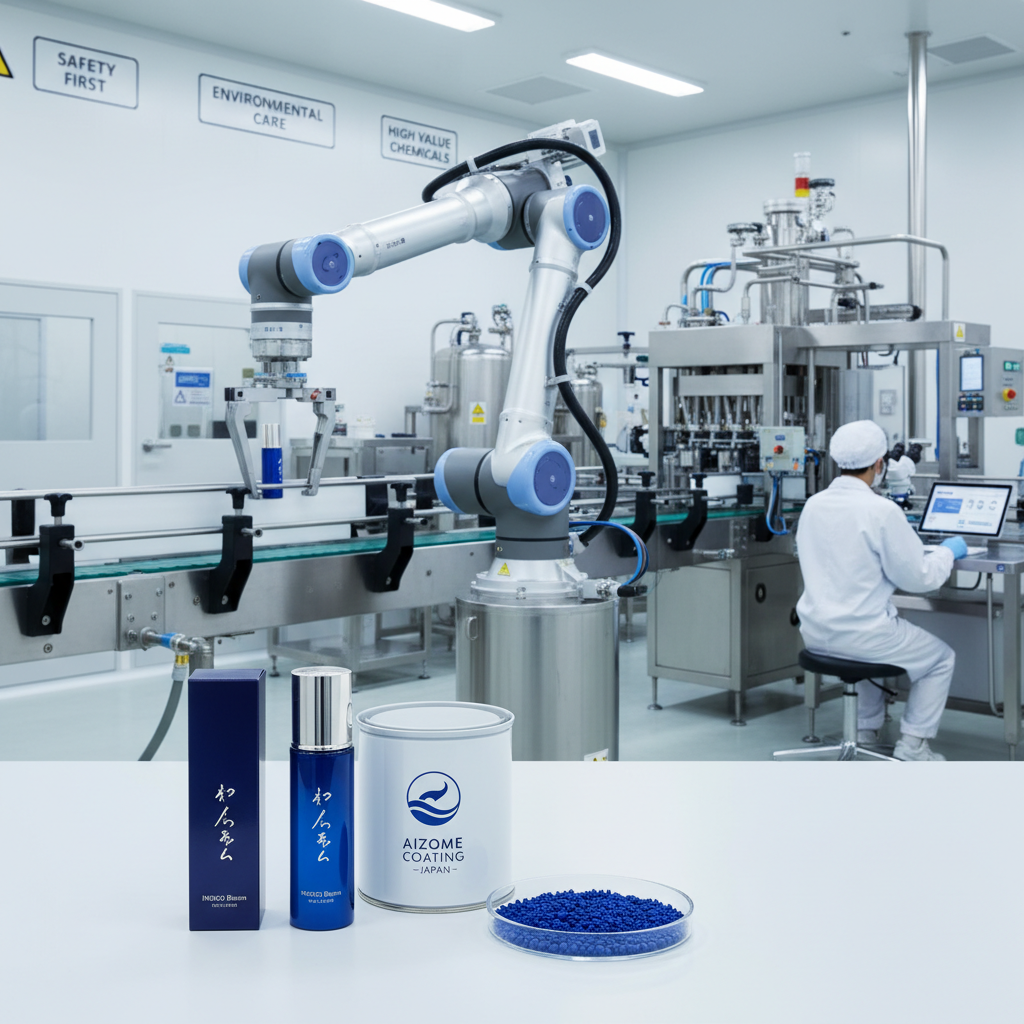
Scaling the production of indigo dye jeans requires a sophisticated balance of automation and chemical monitoring. In large-scale textile mills, continuous dyeing ranges are used to process thousands of meters of yarn per hour. The challenge lies in maintaining the "dip" consistency; any fluctuation in the concentration of the dye liquor can lead to streaks or "barring" in the final fabric, which is unacceptable in premium denim markets.
Efficiency is further enhanced through the integration of Sulphur Black for contrast shading or deep-tone denim. By optimizing the cycle time of the dyeing ropes and implementing automated dosing systems for reducing agents, factories can significantly lower their waste. This industrial rigor ensures that the high demand for denim globally is met without sacrificing the specific aesthetic requirements of different brand tiers.
Moreover, the transition toward digital monitoring of vat pH and temperature has revolutionized the throughput of indigo operations. Real-time data allows engineers to make micro-adjustments to the dye bath, reducing the need for re-dyeing and minimizing the overall chemical consumption per kilogram of fabric, thereby increasing the net profit margin of the production line.
Color Consistency and Quality Control
Achieving a uniform shade across millions of yards of indigo dye jeans is a monumental task. Quality control begins with the purity of the raw dye powder, where any impurity can shift the hue from a classic royal blue to a grayish tint. Standardized colorimetric analysis using spectrophotometers is now the industry norm to ensure batch-to-batch repeatability.
The interaction between the dye and the fabric substrate is critical. For indigo dye jeans, the "crocking" or rubbing fastness must be carefully managed. While some rub-off is expected and desired for the vintage look, excessive dye loss during the initial wear phase can lead to consumer complaints and fail ISO quality standards.
Finally, the integration of Bromo Indigo provides a way to achieve deeper, more saturated tones that are more resistant to premature fading. By controlling the molecular bonding between the indigo and the cellulose, manufacturers can offer a spectrum of products ranging from "light wash" to "raw indigo," all while maintaining a strict quality baseline.
Performance Metrics of Modern Dyeing Methods
To evaluate the efficacy of various processes used for indigo dye jeans, industry experts look at several key performance indicators (KPIs). These include dye uptake percentage, water consumption per meter, and the longevity of the dye vat. Different methods, from traditional rope dyeing to modern slasher dyeing, offer varying levels of performance depending on the desired end-product.
The shift toward pre-reduced indigo has significantly improved these metrics by eliminating the need for hazardous sodium hydrosulfite in the dye house, resulting in a more stable and predictable dyeing curve. This technological leap allows for a more precise "rating" of the denim's performance in terms of both aesthetic value and industrial cost.
Comparative Performance of Indigo Dye Jeans Methods
Global Applications across Denim Markets
The application of indigo dye jeans varies significantly by region. In the North American market, there is a strong preference for "heritage" denim, which requires deep indigo saturation and specific fading properties that only traditional rope dyeing can provide. This drives the demand for high-purity Indigo Blue that can withstand multiple dip cycles.
Conversely, in the fast-fashion hubs of Asia and Europe, the focus is on agility and cost-efficiency. Slasher dyeing and the use of blended dyes, including Sulphur Black for darker "indigo-black" hybrids, allow manufacturers to react quickly to seasonal trends. Regardless of the region, the core need remains a dye that balances visual depth with the flexibility of post-dyeing finishes like stone washing or laser distressing.
Sustainability and Eco-friendly Innovations
The environmental impact of indigo dye jeans has historically been a point of contention, primarily due to the water-intensive nature of the process and the chemical runoff. However, a new wave of "green chemistry" is transforming the landscape. Bio-indigo, derived from fermented bacteria rather than petroleum-based precursors, is emerging as a viable alternative for eco-conscious brands.
Innovations in waterless dyeing, such as using supercritical CO2 or foam-based application, are drastically reducing the volume of effluent generated. By applying the indigo in a concentrated foam, the amount of water required for rinsing is cut by up to 70%, significantly lowering the burden on local wastewater treatment plants in industrial zones.
Furthermore, the shift toward biodegradable reducing agents is eliminating the toxicity associated with traditional indigo vats. These advancements not only protect the ecosystem but also align with global ESG (Environmental, Social, and Governance) goals, making the production of denim a more ethical and sustainable endeavor for the future.
Comparative Analysis of Indigo Dye Variants
Selecting the right variant of dye is crucial for the final character of indigo dye jeans. Standard Indigo Blue offers the classic aesthetic, while Bromo Indigo is often preferred for its ability to produce a "darker-than-dark" shade with improved stability. Sulphur Black is typically used as a top-dye or a blend to create the deep midnight hues seen in modern urban wear.
Each of these chemicals interacts differently with the cotton fiber. Indigo creates a surface layer, while Sulphur dyes penetrate more deeply, resulting in different fading patterns. A strategic blend of these dyes allows designers to customize the "ageing" process of the jeans, deciding exactly where the fabric will lighten over years of wear.
Below is a detailed breakdown of how these primary dye components compare across essential industrial dimensions, providing a roadmap for manufacturers to choose the optimal chemical composition for their specific product line.
Comparative Technical Analysis of Indigo and Sulphur Dye Variants
| Dye Variant |
Saturation Level |
Fading Rate |
Env. Impact Score (1-10) |
| Indigo Blue |
Medium-High |
High (Fast) |
6 |
| Bromo Indigo |
Very High |
Medium |
5 |
| Sulphur Black |
Extreme |
Low (Slow) |
4 |
| Pre-reduced Indigo |
High |
High |
8 |
| Bio-Indigo |
Medium |
High |
10 |
| Hybrid Indigo-Sulphur |
High |
Medium |
5 |
FAQS
Indigo dye is unique because it doesn't fully penetrate the cotton fiber; it adheres to the surface in a process called ring dyeing. As the fabric is worn, the surface indigo molecules are physically rubbed off, exposing the white core of the yarn. This creates the characteristic high-contrast fading that is highly prized in denim fashion.
Bromo Indigo is often preferred for high-end dark denim because it provides a deeper, more saturated hue and generally exhibits better stability during the initial stages of production. While standard Indigo Blue is classic, Bromo variants allow for a more intense color palette that resists premature "washing out" before the garment reaches the consumer.
The industry is adopting several solutions: pre-reduced indigo reduces the need for multiple chemical baths; foam dyeing applies the color using air-infused bubbles, cutting water use by over 60%; and closed-loop water recycling systems allow factories to treat and reuse the dye liquor multiple times.
Sulphur Black is used to create "grey-blue" or "black-indigo" shades. Because sulphur dyes penetrate the fiber more deeply than indigo, they provide a base of dark stability. When blended with indigo, they create a sophisticated, deep tone that fades into a charcoal grey rather than a light blue.
Modern bio-indigos and pre-reduced synthetic dyes are designed to match the performance of traditional dyes. While early organic versions struggled with consistency, current fermentation-based indigoes offer comparable color fastness and the same iconic fading properties, making them an excellent substitute.
Since indigo is a surface dye, a single dip doesn't provide full saturation. The more times the yarn is dipped and oxidized, the more layers of indigo are built up. High-end raw denim may undergo 6-10 dips to achieve a deep, dark blue that will fade beautifully over time.
Conclusion
The production of indigo dye jeans is a sophisticated blend of ancient artistry and modern chemical engineering. From the precise application of Indigo Blue and Bromo Indigo to the strategic use of Sulphur Black, every step in the dyeing process determines the garment's final value, durability, and aesthetic appeal. By prioritizing color consistency and industrial efficiency, manufacturers can continue to deliver the timeless look of denim while meeting the rigorous quality standards of the global market.
Looking forward, the industry must continue its pivot toward sustainability. The adoption of bio-indigo and waterless dyeing technologies is not just an environmental necessity but a commercial opportunity to lead the "slow fashion" movement. As consumers increasingly value transparency and eco-responsibility, those who master the balance of high-performance chemistry and sustainable practice will define the next century of denim. For professional-grade dye solutions, visit our website: www.wuxin-group.com