

High Quality odm dried indigo powder for Textile and Cosmetic Industries
ODM Dried Indigo Powder: A Comprehensive Guide
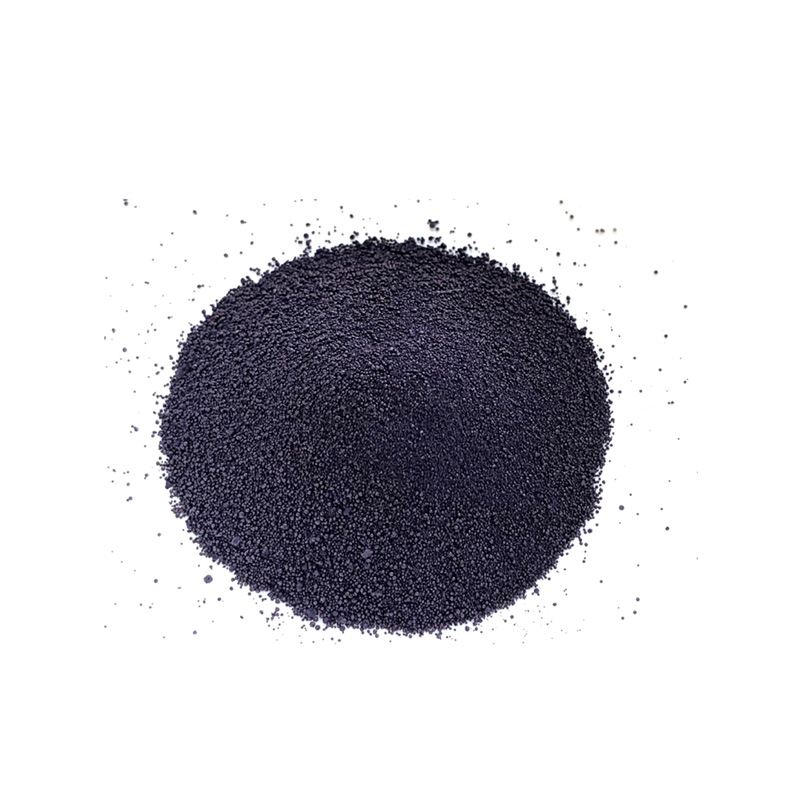
Dried indigo powder is a versatile natural dye with a rich history, utilized for centuries in textile industries worldwide. Sourcing high-quality powder, especially through ODM (Original Design Manufacturing), is crucial for consistent color and performance. This article delves into the characteristics, applications, sourcing, and quality considerations of dried indigo powder, specifically focusing on ODM options from Wuxin Group. Understanding these aspects is key for businesses seeking reliable and superior indigo dye solutions.
What is Dried Indigo Powder?
Dried indigo powder is a concentrated form of the natural dye extracted from the leaves of the Indigofera plant. The leaves undergo a fermentation process, followed by oxidation and drying, resulting in a fine, soluble powder. This powder is prized for its ability to create deep, rich blue hues on various fabrics, including cotton, wool, silk, and linen. Its natural origin makes it a popular choice for eco-conscious brands and consumers. The quality of the indigo leaves and the processing techniques significantly impact the powder's color intensity, purity, and dye yield. Wuxin Group specializes in providing consistently high-quality dried indigo powder through its ODM services.
Key Highlights: Derived from the Indigofera plant; soluble in water; creates deep blue hues; suitable for various fabrics; environmentally friendly.
Benefits of Choosing an ODM for Dried Indigo Powder
Partnering with an ODM like Wuxin Group offers several advantages. It ensures consistent quality control throughout the production process, from sourcing raw materials to final packaging. ODM providers can customize the powder's specifications, such as particle size and color intensity, to meet specific client requirements. They also offer economies of scale, leading to cost savings. Furthermore, an ODM handles the complexities of production and logistics, allowing businesses to focus on their core competencies. Wuxin Group's expertise in indigo processing and supply chain management makes them a reliable partner for brands seeking a consistent and high-quality supply of dried indigo powder.
ODM Advantages:
• Consistent Quality Control
• Customizable Specifications
• Cost Savings
• Streamlined Logistics
Understanding Indigo Powder Grades and Specifications
Dried indigo powder comes in various grades, determined by factors such as indigo content, purity, and particle size. Higher grades typically contain a greater percentage of indigotin (the coloring component) and fewer impurities, resulting in more vibrant and consistent dyeing results. Particle size influences the powder's solubility and dispersion in water. Wuxin Group offers a range of grades to suit diverse application needs, ensuring clients receive the optimal powder for their specific requirements. Here's a comparison of common indigo powder grades:
Applications of Dried Indigo Powder
The applications of dried indigo powder are vast and diverse. It's primarily used in the textile industry for dyeing denim, cotton fabrics, and other natural fibers. Beyond textiles, it finds use in arts and crafts, such as tie-dye, batik, and traditional Japanese shibori techniques. Increasingly, indigo powder is gaining popularity in natural cosmetic formulations, providing a blue hue for hair dyes and other beauty products. Wuxin Group caters to these diverse industries by offering tailored indigo powder solutions.
Quality Control & Sustainability at Wuxin Group
Wuxin Group prioritizes quality control and sustainability throughout its indigo powder production process. Rigorous testing is conducted at each stage, from raw material sourcing to final product analysis, ensuring consistent quality and purity. The company is committed to ethical sourcing practices, supporting local farmers and promoting environmentally responsible cultivation methods. Furthermore, Wuxin Group adheres to strict environmental regulations, minimizing waste and reducing its carbon footprint. This dedication to quality and sustainability ensures that clients receive not only superior indigo powder but also a product they can feel good about.
Conclusion: Partnering with Wuxin Group for Reliable Indigo Supply
For businesses seeking a consistent, high-quality supply of dried indigo powder, Wuxin Group stands as a trusted ODM partner. Their commitment to quality control, customizable solutions, and sustainable practices ensures a reliable and responsible sourcing experience. Contact Wuxin Group today to discuss your specific indigo powder needs.
Frequently Asked Questions (FAQs)
What factors affect the color intensity of dried indigo powder?
Several factors can influence the color intensity of dried indigo powder, including the indigotin content, particle size, water quality, and dyeing process parameters. Higher indigotin content generally results in a deeper, more vibrant blue. Finer particle sizes enhance solubility and improve dye penetration. Using soft water and maintaining optimal pH levels during dyeing also contribute to better color uptake. The specific dyeing method (e.g., immersion, vat dyeing) and the duration of dyeing also play crucial roles. Wuxin Group can provide guidance on optimizing these factors to achieve desired color results.
What is the shelf life of dried indigo powder?
When stored properly in a cool, dry, and dark place, dried indigo powder can maintain its quality for up to 2-3 years. Exposure to light, moisture, and air can degrade the powder over time, reducing its color intensity and dyeing effectiveness. It’s crucial to store the powder in an airtight container to prevent oxidation. Regularly check for signs of degradation, such as discoloration or clumping, before use.
Does Wuxin Group offer custom indigo powder formulations?
Yes, Wuxin Group offers custom indigo powder formulations to meet specific client requirements. This includes adjusting the indigotin content, particle size, and blend of indigo varieties. We work closely with clients to understand their unique needs and develop tailored solutions that deliver optimal dyeing performance.
What sustainability practices does Wuxin Group employ?
Wuxin Group is committed to sustainable practices throughout its supply chain. This includes sourcing indigo leaves from farmers who utilize responsible cultivation methods, minimizing water consumption during processing, implementing waste reduction strategies, and adhering to strict environmental regulations. We prioritize ethical sourcing and strive to reduce our carbon footprint.
-
Mastering the Art of China Japanese Indigo Dyeing Traditions
NewsApr.16,2026
-
Exploring the Elegance of China Deep Indigo Color in Textiles
NewsApr.09,2026
-
Discover High Quality China Jeans Blue Indigo for Global Markets
NewsApr.07,2026
-
Exploring the Rich Tradition of China Natural Indigo Dyed Fabric
NewsApr.04,2026
-
Exploring China Indigo Color in Nature History and Modern Applications
NewsMar.31,2026
-
Discover High Quality China Pure Indigo Powder for Vibrant Natural Dyeing
NewsMar.28,2026
-
Exploring the Rich History of China True Blue Indigo Textiles
NewsMar.26,2026
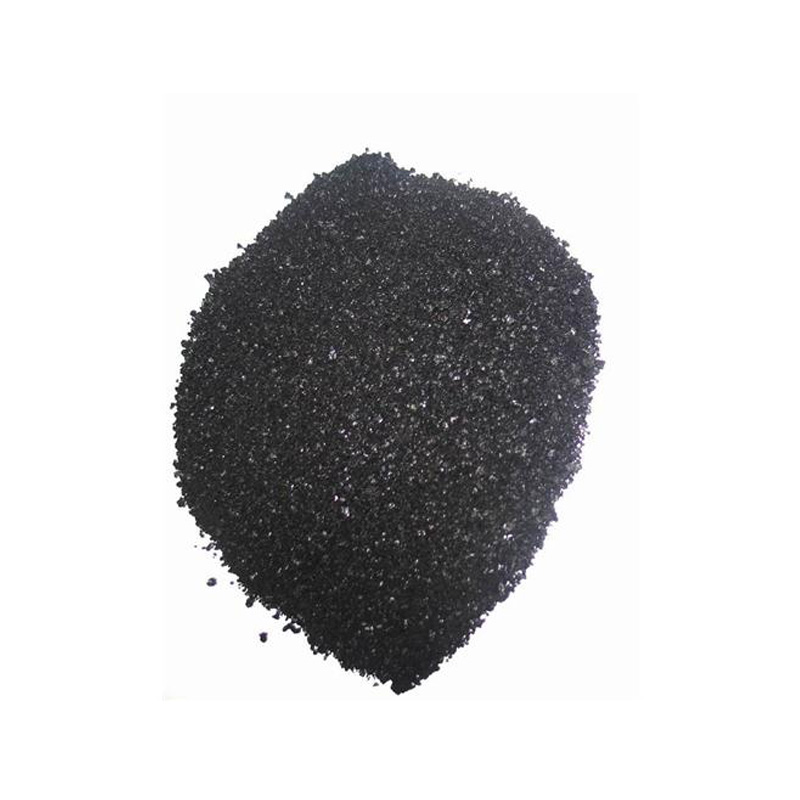
Sulphur Black
1.Name: sulphur black; Sulfur Black; Sulphur Black 1;
2.Structure formula:
3.Molecule formula: C6H4N2O5
4.CAS No.: 1326-82-5
5.HS code: 32041911
6.Product specification:Appearance:black phosphorus flakes; black liquid
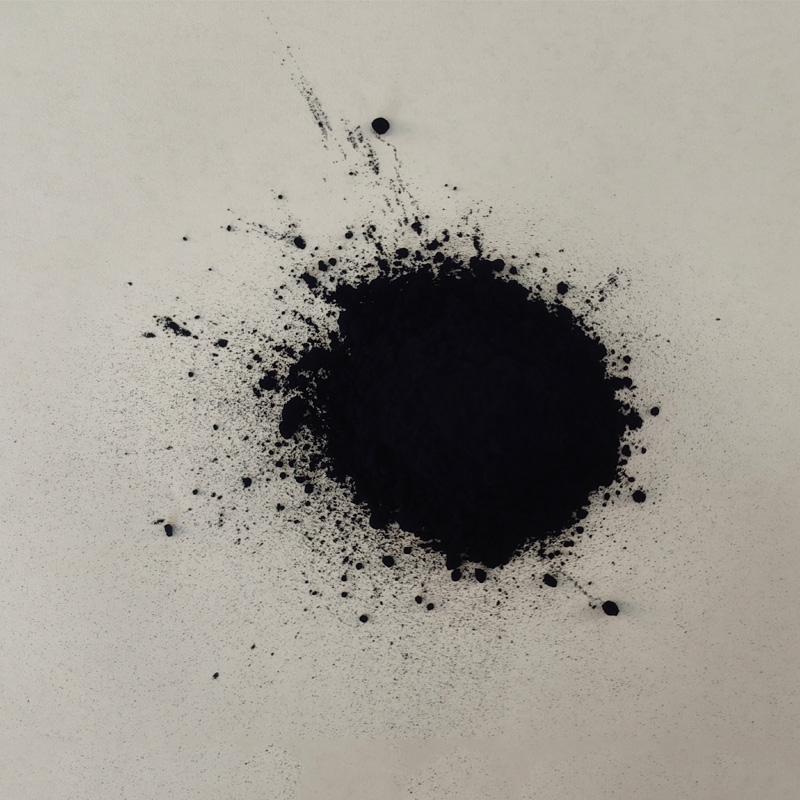
Bromo Indigo; Vat Bromo-Indigo; C.I.Vat Blue 5
1.Name: Bromo indigo; Vat bromo-indigo; C.I.Vat blue 5;
2.Structure formula:
3.Molecule formula: C16H6Br4N2O2
4.CAS No.: 2475-31-2
5.HS code: 3204151000 6.Major usage and instruction: Be mainly used to dye cotton fabrics.
Indigo Blue Vat Blue
1.Name: indigo blue,vat blue 1,
2.Structure formula:
3.Molecule formula: C16H10N2O2
4.. CAS No.: 482-89-3
5.Molecule weight: 262.62
6.HS code: 3204151000
7.Major usage and instruction: Be mainly used to dye cotton fabrics.