

High Quality Organic Dye Powder: Sustainable Solutions for Modern Industry
High Quality Organic Dye Powder: A Vital Ingredient for Modern Industry
In today’s world, where sustainability meets performance, high quality organic dye powder emerges as a game-changer. But what exactly does it mean, and why should industries everywhere care? Simply put, this dye is a natural, eco-friendly pigment with excellent coloring properties used in textiles, packaging, food, cosmetics, and more. Its significance stems not only from its vibrant hues but also from the growing demand for greener solutions that reduce environmental impact globally.
Understanding these powders unlocks opportunities for businesses aiming to innovate responsibly, and frankly, it’s exciting to see how this ancient art of coloring has been revolutionized by science today.
Global Relevance of High Quality Organic Dye Powder
According to ISO standards and recent UN environmental reports, the textile industry alone consumes over 1 million tons of dyes annually, many synthetic and pollutive. Organic alternatives typically break down faster and emit fewer toxins during production.
This shift matters worldwide because textile production is one of the largest water polluters. NGOs and governments alike are pushing for cleaner dyeing processes, highlighting a challenge: how to meet global demand for color without draining natural resources or harming ecosystems.
Markets in Asia-Pacific, Europe, and North America are investing heavily in sustainable dye technologies as consumers become more conscious of the products they buy.
What Is High Quality Organic Dye Powder?
At its core, high quality organic dye powder is a finely ground pigment derived from natural or bio-sourced materials. Unlike synthetic dyes, which rely on petrochemicals, these powders often come from plant extracts, mineral blends, or engineered organic compounds that ensure both vibrant color and longevity.
They play a crucial role in industries prioritizing biodegradability, skin safety, and regulatory compliance, including humanitarian goods like baby clothing and food packaging, where chemical residues must be minimal.
Key Factors of High Quality Organic Dye Powder
1. Durability
The colorfastness of organic dye powder is remarkable, especially with advancements in binding agents. It resists fading under sunlight and washing, which keeps products looking fresh longer.
2. Scalability
Modern extraction and synthesis allow production to scale reliably with consistent quality. Whether for large textile mills or artisan dyers, the batches are reproducible, reducing waste and variability.
3. Cost Efficiency
Initially, organic dyes were more expensive, but improved extraction methods and economies of scale have closed the gap, making them competitive with synthetic counterparts in many applications.
4. Sustainability
Using materials that are renewable or biodegradable significantly lowers the carbon footprint and water pollutant load in manufacturing cycles.
5. Safety
Free from heavy metals and carcinogens common in some synthetic dyes, organic powders contribute to safer end products for consumers.
Product Specification Table
| Specification | Value | Unit |
|---|---|---|
| Particle Size | < 50 | Microns |
| Color Range | Wide spectrum | N/A |
| Solubility | Water-soluble | N/A |
| Lightfastness | Excellent | ISO 105 B02 |
| Heavy Metals | None detected | ppm |
Mini takeaway: The technical qualities of high quality organic dye powder demonstrate it’s no compromise between effort and effect; it’s viable and verifiable.
Global Applications & Use Cases
- Textile Industry: Apparel brands in Europe and Asia pivot to organic dyes to meet consumer demand for sustainable fashion.
- Food & Beverage Packaging: Safe, non-toxic pigments provide vibrant packaging colors compliant with food safety laws.
- Cosmetics: Colorants in lipsticks and powders rely on organic dyes to prevent allergic reactions.
- Disaster Relief Supplies: NGOs sourcing colored fabrics for tents and clothing favor environmentally friendly options to minimize ecological footprints.
For example, a recent relief operation in Southeast Asia used organic dye powder to color tarps without risk of chemical contamination — an odd but important detail for sensitive environments.
Vendor Comparison Table
| Supplier | Certification | Price per kg | Eco-Friendliness | Availability |
|---|---|---|---|---|
| Wuxin Group | ISO 14001, GOTS | $25 | High | Global (fast shipping) |
| EcoDyes Ltd. | OEKO-TEX | $22 | Medium | Asia, Europe |
| Natural Hue Co. | USDA Organic | $28 | Very High | North America |
Mini takeaway: When selecting a supplier, balance certifications, price, and delivery logistics — that’s key to smooth operations.
Advantages & Long-Term Value
The benefits of investing in high quality organic dye powder go beyond the obvious vibrancy. Companies gain:
- Reduced Environmental Impact: Less water pollution and biodegradable residues.
- Consumer Trust: Growing awareness around eco-friendly products boosts brand loyalty.
- Compliance Capability: Meeting stricter environmental and safety standards without costly redesigns.
- Innovation Edge: Pioneering new markets with safer, colorful product lines.
On a more human note, it feels good knowing the colors in your products come from a source that respects people and the planet.
Future Trends & Innovations in Organic Dye Powder
Innovation never rests, and the world of organic dyes is no exception. Some emerging trends include:
- Bioengineered Pigments: Genetically modified microbes producing brighter, more stable dyes at scale.
- Zero-Waste Dyeing Processes: Circular manufacturing minimizing water use and reclaiming pigments.
- Digital Color Matching: AI-powered systems for faster development and exact reproducibility.
- Regulatory Push: Governments pushing for labeling transparency and banning hazardous chemicals.
Challenges & Practical Solutions
It’s not all sunshine. Some problems linger, like batch variability or slightly higher upfront costs. Yet savvy manufacturers address them by:
- Instituting stringent quality controls to ensure consistency.
- Working closely with suppliers to standardize raw materials.
- Educating designers and production teams about the nuances of organic dyes.
- Leveraging partnerships to scale production and reduce costs.
FAQ: Frequently Asked Questions About High Quality Organic Dye Powder
- Q: How does organic dye powder compare in durability to synthetic dyes?
A: With modern advancements, organic dye powders now match or exceed the fading resistance of many synthetic dyes, especially when paired with proper binder systems and finishing techniques. - Q: Are organic dye powders safe for use in children’s products?
A: Yes, because they contain no heavy metals or harmful chemicals, they are widely approved for baby clothing, toys, and food packaging applications. - Q: Can I use organic dye powder for large-scale textile production?
A: Absolutely. Thanks to improved scalability, these dyes are suited from small batches to industrial volumes without sacrificing quality. - Q: What certifications should I look for when sourcing organic dye powders?
A: Look for ISO 14001, GOTS, OEKO-TEX, or USDA Organic — these demonstrate stringent environmental and safety compliance. - Q: How can I ensure consistent color when switching from synthetic to organic dyes?
A: Work closely with your supplier on pilot runs and use digital color matching technology to minimize surprises.
Conclusion & Call to Action
Embracing high quality organic dye powder isn’t just about a splash of color; it’s a commitment to sustainability, safety, and future-proofing your business. It’s gratifying to see industries making smarter choices that honor both innovation and environmental stewardship. So if you’re on the lookout for premium standards in dye powders, why not explore trusted suppliers like high quality organic dye powder producers who blend science with nature?
Visit our website for more insights, specs, and sourcing options: https://www.wuxin-group.com
Sometimes, the simplest ingredients hold the most colorful stories. Here’s to dyeing responsibly and vibrantly.
-
Mastering the Art of China Japanese Indigo Dyeing Traditions
NewsApr.16,2026
-
Exploring the Elegance of China Deep Indigo Color in Textiles
NewsApr.09,2026
-
Discover High Quality China Jeans Blue Indigo for Global Markets
NewsApr.07,2026
-
Exploring the Rich Tradition of China Natural Indigo Dyed Fabric
NewsApr.04,2026
-
Exploring China Indigo Color in Nature History and Modern Applications
NewsMar.31,2026
-
Discover High Quality China Pure Indigo Powder for Vibrant Natural Dyeing
NewsMar.28,2026
-
Exploring the Rich History of China True Blue Indigo Textiles
NewsMar.26,2026
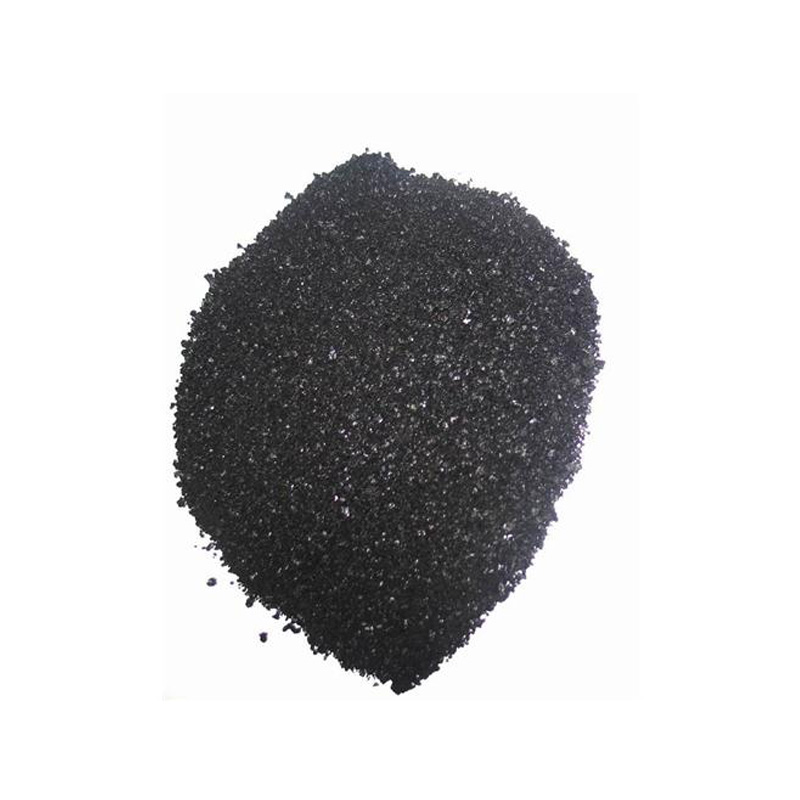
Sulphur Black
1.Name: sulphur black; Sulfur Black; Sulphur Black 1;
2.Structure formula:
3.Molecule formula: C6H4N2O5
4.CAS No.: 1326-82-5
5.HS code: 32041911
6.Product specification:Appearance:black phosphorus flakes; black liquid
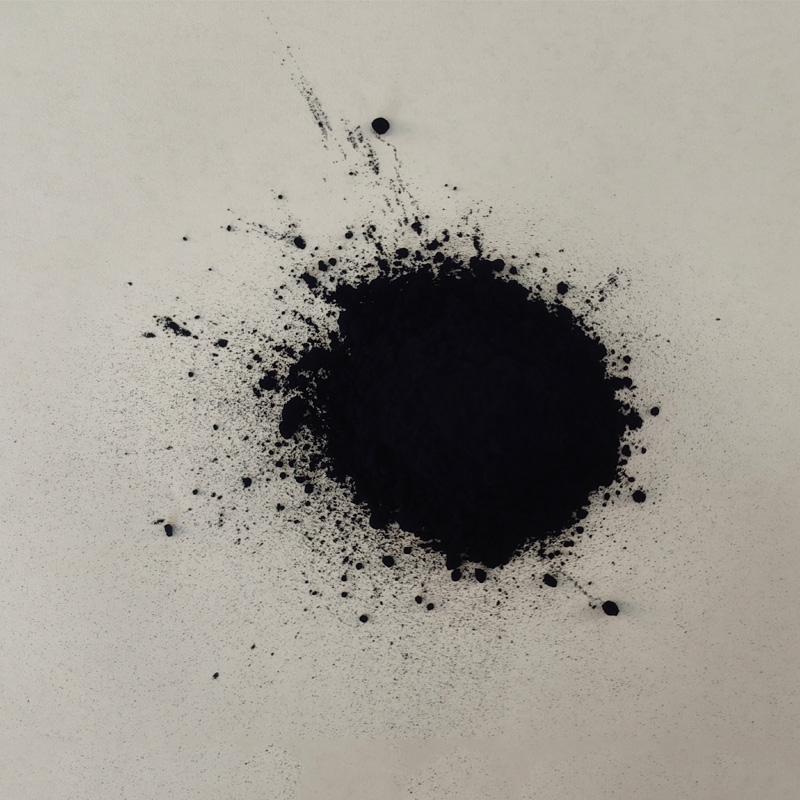
Bromo Indigo; Vat Bromo-Indigo; C.I.Vat Blue 5
1.Name: Bromo indigo; Vat bromo-indigo; C.I.Vat blue 5;
2.Structure formula:
3.Molecule formula: C16H6Br4N2O2
4.CAS No.: 2475-31-2
5.HS code: 3204151000 6.Major usage and instruction: Be mainly used to dye cotton fabrics.
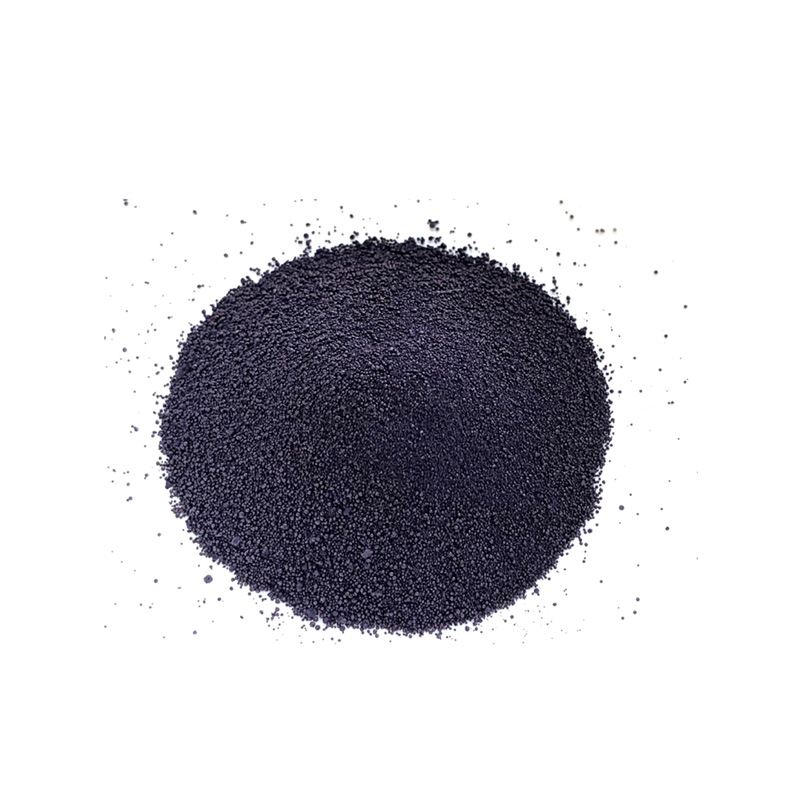
Indigo Blue Vat Blue
1.Name: indigo blue,vat blue 1,
2.Structure formula:
3.Molecule formula: C16H10N2O2
4.. CAS No.: 482-89-3
5.Molecule weight: 262.62
6.HS code: 3204151000
7.Major usage and instruction: Be mainly used to dye cotton fabrics.