High-Performance natural indigo denim Solutions for Peru's Textile Industry

Advancing Peru's textile heritage with premium vat dyes and sustainable chemical solutions tailored for South American manufacturing standards.

High-Performance natural indigo denim Solutions for Peru's Textile Industry

Integrating advanced chemical synthesis with Peru's premium cotton production to create world-class dyed fabrics using pure indigo dye.

The Current Landscape of Dyeing Manufacturing in Peru

Analyzing the intersection of Pima cotton excellence and synthetic dye demand in South America.

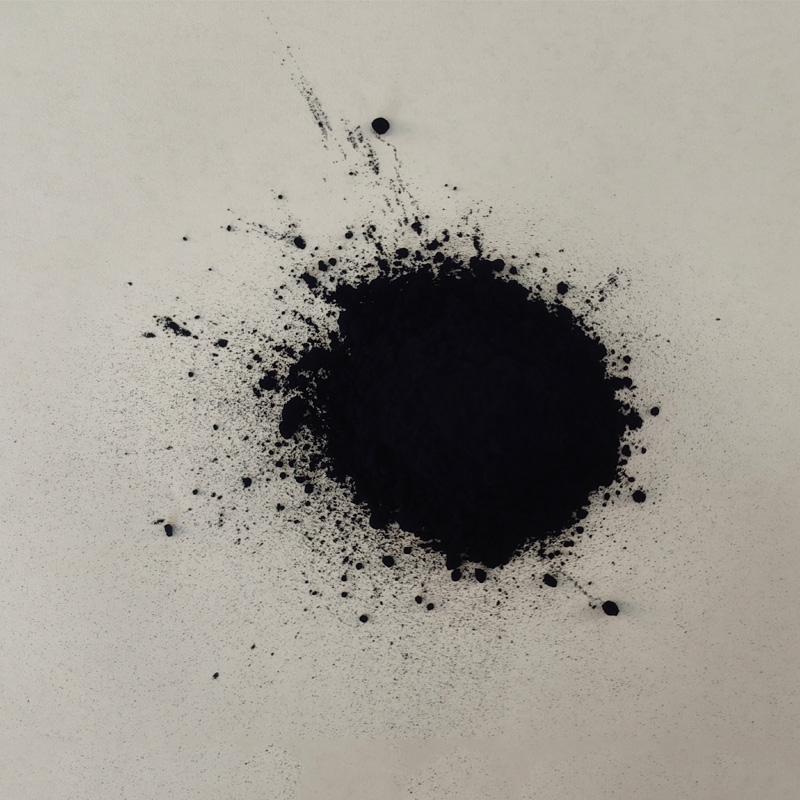
Peru's textile sector, centered around the high-quality Pima cotton industry, is currently undergoing a transition. Manufacturers are increasingly seeking high-purity indigo source dye to meet the global demand for luxury denim that maintains structural integrity while achieving deep, consistent hues.

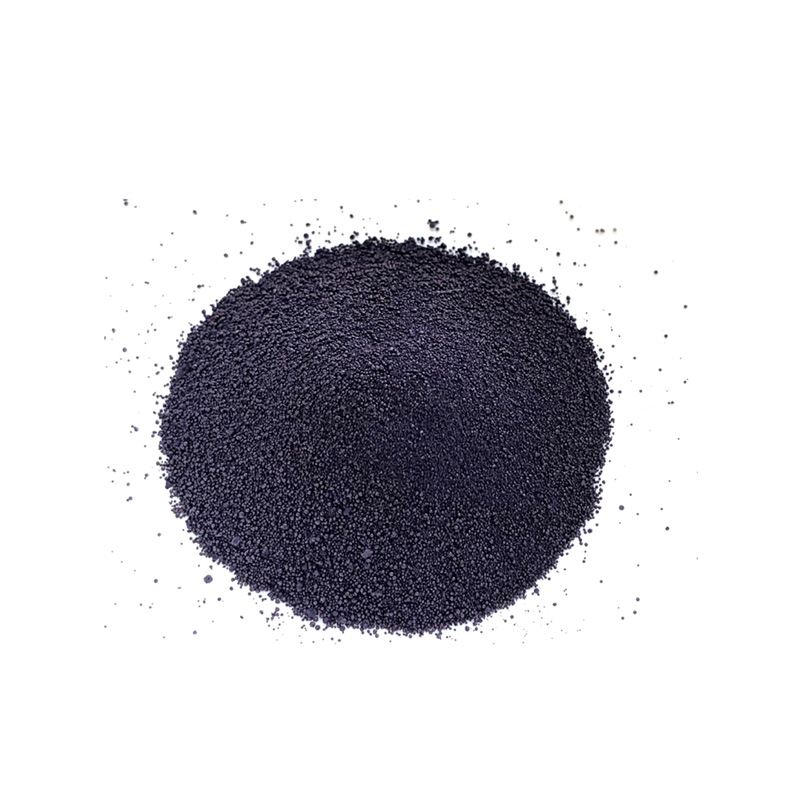
Due to the diverse climatic conditions across the Peruvian coast and highlands, the stability of dyes is critical. The industry is shifting from traditional methods to more stable chemical variants like bromo indigo powder, which offers superior solubility and consistency in industrial-scale vats.

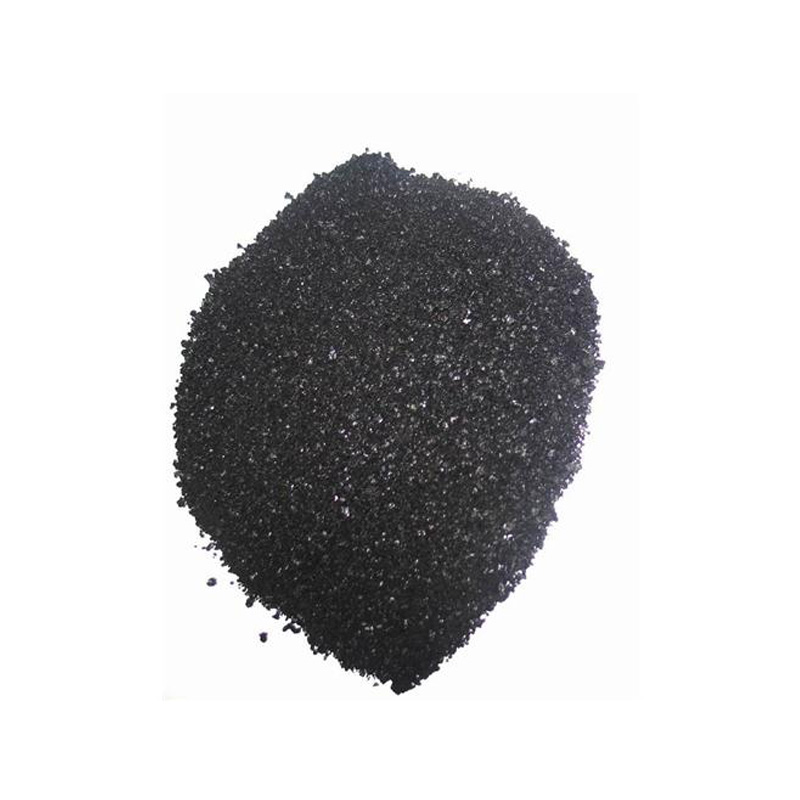
Furthermore, the demand for versatile dark tones has led to a surge in the use of sulphur black dyes. These are essential for creating the deep black and charcoal shades required for contemporary urban fashion exports from Lima to the global market.

Evolution and Trajectory of Peruvian Dyeing Technology

From artisanal pigment application to precision chemical engineering.

Market Development History

Prior to the 1990s, the Peruvian market relied heavily on indigenous pigments and basic imported salts. The initial phase of industrialization focused on basic consistency, but lacked the precision required for high-end denim export.

Between 2000 and 2015, the adoption of synthetic vat dyes accelerated. The introduction of specialized pure indigo dye allowed Peruvian mills to compete with Asian manufacturers in terms of color fastness and shade reproducibility.

From 2016 to the present, the focus has shifted toward "Green Chemistry." The integration of low-reduction potentials and eco-friendly auxiliaries has become the standard for mills exporting to the European and North American markets.

Future Development Trends

Bio-Synthetic Integration

We predict a hybrid approach where synthetic efficiency meets biological sustainability, reducing the chemical footprint of the indigo reduction process.

Water-less Dyeing Systems

Driven by water scarcity in certain Peruvian regions, the move toward foam dyeing and supercritical CO2 dyeing will accelerate over the next 3-5 years.

Digital Color Matching

The adoption of AI-driven spectrophotometry will allow Peruvian factories to match international standards with 99.9% accuracy in the first dip.

Industry Trends and Future Outlook for Peru

Navigating the shift toward sustainable chemistry and high-efficiency pigment application.

Eco-Efficiency Transition
Reducing the use of hydrosulphites in the reduction of indigo dyes to comply with stricter Peruvian environmental regulations.
High-Purity Standardization
Increasing demand for bromo indigo powder to ensure zero-defect color consistency across massive batches.
Fast-Fashion Adaptation
Optimizing the application of sulphur black dyes for rapid turnaround cycles in urban apparel.
Premium Export Focus
Leveraging indigo source dye to create high-value "Made in Peru" denim for the global luxury market.

Industry Outlook

Based on Google search trends for "Sustainable Textiles South America," there is a clear trajectory toward circular economy principles. Peruvian manufacturers are expected to invest heavily in closed-loop dyeing systems that recover indigo and sulphur components.

The long-term outlook suggests that the integration of biotechnology with traditional chemical dyeing will define the next era of Peruvian manufacturing, ensuring that the region remains a leader in high-quality fiber and color.

Localized Application Scenarios in Peru

Practical implementation of our dye solutions across different Peruvian textile sectors.

01. Pima Cotton Luxury Denim Production

Using pure indigo dye on high-count Pima cotton fabrics to create deep, lustrous finishes for luxury jeans exported to the US market.

02. Industrial Workwear for Mining Sector

Applying heavy-duty sulphur black dyes to thick twill fabrics, ensuring high rub-fastness and durability for Peru's extensive mining workforce uniforms.

03. Artisan-Industrial Hybrid Apparel

Implementing natural indigo denim techniques in semi-industrial setups to preserve the traditional Peruvian aesthetic while ensuring commercial scalability.

04. Fast-Fashion Urban Wear in Lima

Utilizing bromo indigo powder for rapid dyeing cycles, allowing Lima-based brands to react quickly to global color trends with consistent results.

05. High-End Home Textiles and Upholstery

Leveraging a precise indigo source dye for heavy canvas fabrics used in luxury coastal hotel interiors across the Peruvian coastline.

Brand Story

Global Development History of Anping Wuxin Chemical Dye Co., Ltd.

Foundation and Specialization

Established with a focus on pure chemical synthesis, we began by solving the inconsistency issues in traditional vat dyeing processes.

Technological Breakthroughs

Developed advanced bromine-based indigo derivatives to improve solubility, significantly reducing the waste produced by textile mills.

Global Market Expansion

Extended our footprint to South America, specifically Peru, by tailoring our product formulations to suit local Pima cotton characteristics.

Sustainability Commitment

Invested in "Zero-Impact" dye research, ensuring our sulphur and indigo ranges meet the most stringent international eco-certifications.

Vision for the Future

Continuing to empower global textile hubs with chemistry that balances industrial performance with environmental stewardship.

Complete Dyeing Portfolio for the Peruvian Market

A comprehensive range of professional dyes designed for South American textile excellence.

Common Questions for Peruvian Textile Manufacturers

Technical guidance on the application of professional indigo and sulphur dyes.

How does bromo indigo powder perform on high-count Pima cotton?

Our bromo indigo powder provides superior penetration and uniformity on fine Pima cotton, reducing the need for multiple dip cycles and ensuring a smooth, high-end finish.

What is the best way to ensure color fastness with sulphur black dyes?

For maximum fastness in Peruvian climates, we recommend a precise oxidation process and the use of high-quality neutralizing agents to ensure the sulphur black bonds permanently to the fiber.

Can natural indigo denim be produced at an industrial scale in Peru?

Yes, by using our standardized indigo source dye, manufacturers can replicate the natural indigo look with the stability and scalability of industrial synthetic processes.

What are the purity standards of your pure indigo dye?

Our pure indigo dye is manufactured to 99%+ purity, ensuring that there are no unwanted impurities that could cause spotting or shade variation in luxury denim batches.

How to reduce water consumption when using indigo source dye?

We recommend implementing a closed-loop reduction system and utilizing our high-solubility dyes which require fewer rinsing stages to achieve the desired depth.

Are your sulphur black dyes compatible with eco-friendly finishing agents?

Absolutely. Our sulphur black range is designed to be chemically compatible with most GOTS and OEKO-TEX certified finishing auxiliaries used in Peru.

Optimize Your Textile Production Today

Our technical team is ready to provide customized dyeing solutions for your factory in Peru.

Contact Us Now

If you are interested in our products, you can choose to leave your information here, and we will be in touch with you shortly.