
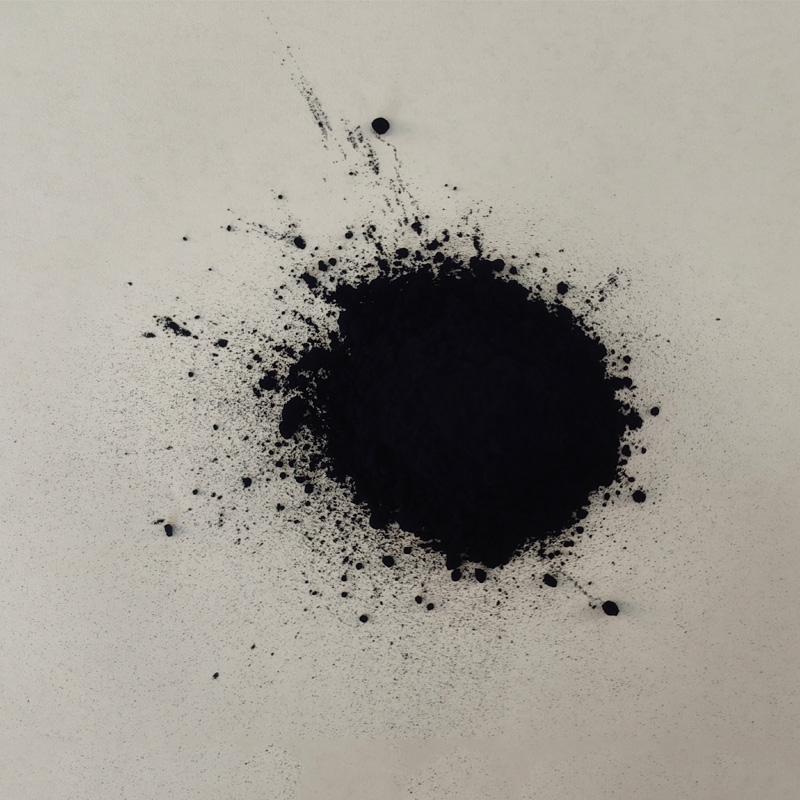
Sweden's textile industry is currently characterized by a rigorous shift toward "Circular Fashion." With the Swedish government's commitment to a non-toxic environment, the demand for pure indigo dye has surged as brands move away from traditional synthetic contaminants to meet EU REACH regulations.
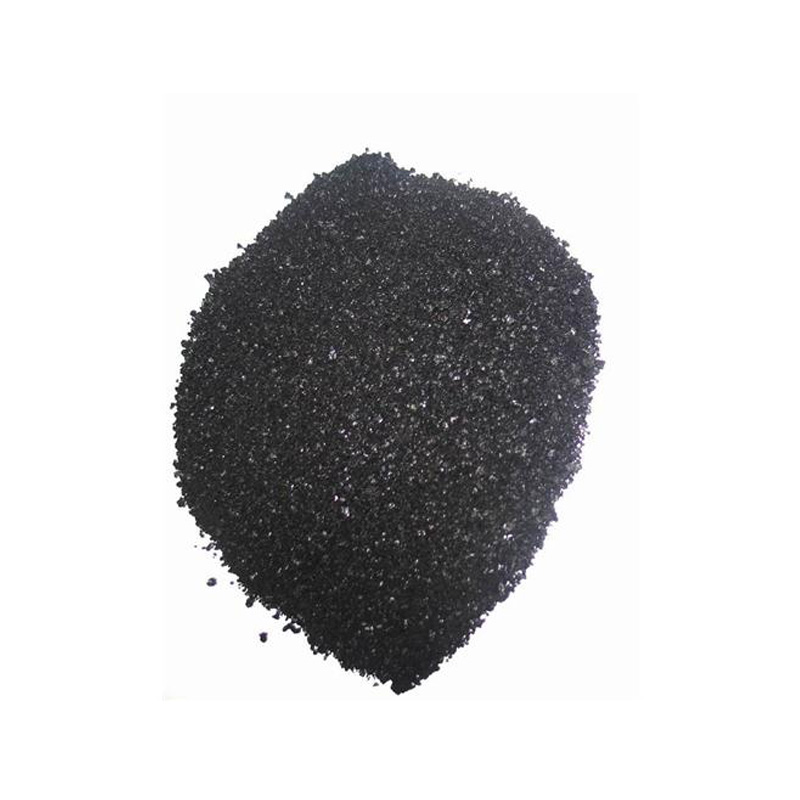
The local market faces unique challenges due to Sweden's cold climate and water sensitivity, requiring dyes that can maintain consistency in low-temperature processing. Consequently, the adoption of sulphur black dyes has evolved, focusing on low-salt, low-pollution variants that align with the Nordic ecological footprint.
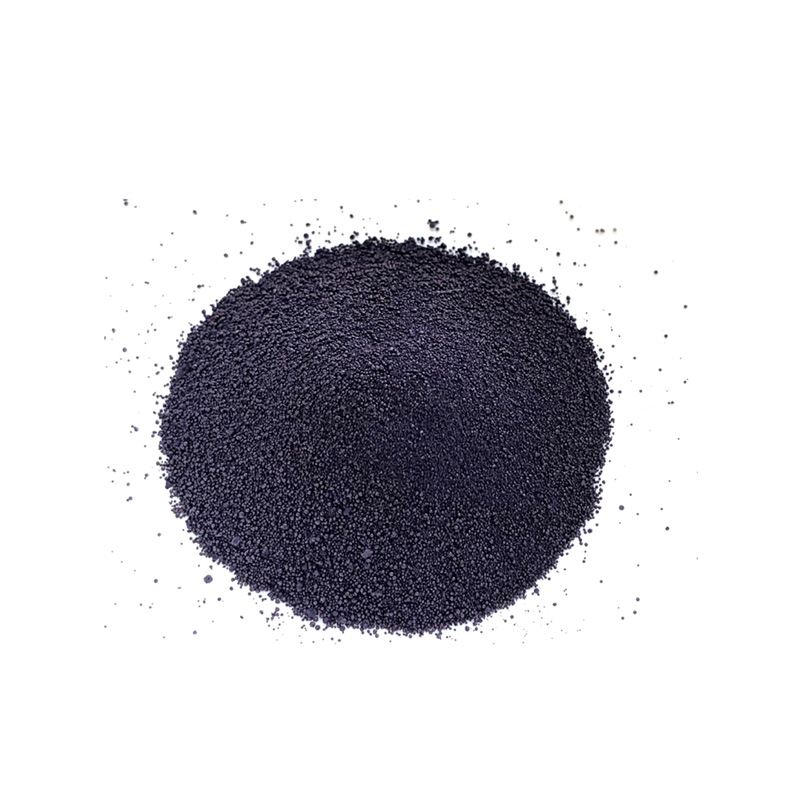
Furthermore, there is a growing niche for artisanal yet scalable production. Swedish manufacturers are increasingly seeking a reliable indigo source dye that bridges the gap between organic heritage and industrial efficiency, ensuring that high-fashion denim maintains its luxury appeal while remaining biodegradable.