High-Performance pure indigo dye Solutions for Belgium Textile Industry

Premium chemical dyestuffs engineered for the Belgian market, ensuring sustainable brilliance and superior color fastness for high-end denim and organic fabrics.

High-Performance pure indigo dye Solutions for Belgium Textile Industry

Providing Belgium's textile manufacturers with advanced dyeing agents that balance industrial efficiency with the strict EU environmental regulations for sustainable fashion.

The State of Dyeing Industry in Belgium

Analyzing the intersection of Belgian textile heritage and modern chemical compliance.

Belgium, particularly the Flanders region, maintains a sophisticated textile ecosystem that blends traditional craftsmanship with high-tech chemical engineering. The current market is heavily influenced by the REACH regulations, forcing a transition toward natural indigo denim production to meet the demands of eco-conscious European consumers.

Logistically, the proximity to the Port of Antwerp allows Belgian manufacturers to efficiently source specialized chemicals like bromo indigo powder. However, the industry faces pressure to reduce water toxicity, leading to a surge in demand for low-salt and high-exhaustion dye processes.

Economically, the shift toward "Slow Fashion" in Brussels and Antwerp has revitalized the niche for sulphur black dyes that offer deep, matte finishes without compromising the structural integrity of the fabric, catering to the luxury streetwear segment.

Evolution of Dyeing Technology in Belgium

From artisanal vats to precision-controlled automated dyeing systems.

Market Development History

In the early 20th century, Belgian textile hubs relied on traditional fermentation vats and basic mineral salts. The mid-century era saw the introduction of synthetic precursors, where the indigo source dye began transitioning from plant-based extracts to standardized chemical synthesis for consistency.

By the 1990s, the focus shifted toward efficiency. The adoption of continuous dyeing ranges allowed for the mass production of denim, integrating complex chemical auxiliaries to ensure the "ring-dyeing" effect required for authentic denim fades.

Entering the 2020s, the Belgian industry has pivoted toward "Green Chemistry." The integration of digital printing and laser finishing has reduced the reliance on heavy chemical washes, while the demand for high-purity dyes has peaked to eliminate impurities that cause skin irritation.

Future Development Trends

Biotech-Derived Indigo

We predict a move toward biosynthetic indigo produced via microbial fermentation, reducing the carbon footprint of denim production by up to 40%.

Waterless Dyeing Systems

The adoption of supercritical CO2 dyeing will likely replace aqueous baths, drastically reducing the need for traditional reducing agents in the indigo process.

Circular Color Economy

Development of dyes that can be easily "stripped" and recycled from old garments, enabling a truly closed-loop textile economy in Western Europe.

Industry Trends & Future Outlook

Strategic forecasting for the chemical dyestuff sector in the EU market.

Zero-Discharge Compliance
Implementing closed-loop filtration to ensure zero chemical runoff into Belgian waterways.
Smart Color Matching
AI-driven spectroscopy to optimize dye concentration and reduce material waste.
Organic Certification
Increasing alignment with GOTS and OEKO-TEX standards for the luxury EU market.
Nanotech Fixatives
Developing nano-scale binders that enhance color durability and reduce washing fades.

Industry Outlook

Based on Google search trends within the EU, there is a significant increase in queries related to "sustainable textile chemistry" and "non-toxic black dyes." This indicates a market shift where performance is no longer the only metric; ecological footprint is now a primary procurement criterion for Belgian firms.

The future outlook suggests a hybrid approach: maintaining the deep, saturated tones of synthetic dyes while adopting the biological safety of natural alternatives, creating a new category of "eco-synthetic" dyes.

Localized Application Scenarios in Belgium

Tailored dyeing solutions for Belgium's unique textile applications.

01. Antwerp Luxury Denim Boutiques

Utilizing pure indigo dye to create bespoke, limited-edition raw denim that satisfies the high standards of Antwerp's avant-garde fashion scene.

02. Flemish Industrial Workwear

Applying heavy-duty sulphur black dyes for durable uniforms used in the Port of Antwerp, ensuring resistance to industrial abrasion and UV exposure.

03. Organic Cotton Linen Blends

Implementing natural indigo denim techniques for the growing organic home textile market in Wallonia, focusing on hypoallergenic certifications.

04. Precision Textile Research Labs

Using high-purity bromo indigo powder in laboratory settings for developing new pigment-binding polymers and smart textiles.

05. Sustainable Fashion Startups

Integrating a diversified indigo source dye strategy to create garments with gradual color gradients, appealing to the Gen-Z demographic in Brussels.

Brand Story

Global Development Journey of Anping Wuxin Chemical Dye Co., Ltd.

Foundational Excellence

Established with a mission to standardize the purity of chemical dyestuffs, we began by solving the inconsistency problems in organic pigment synthesis.

Technological Breakthrough

Invested heavily in R&D to eliminate harmful impurities, creating a streamlined production process for high-performance indigo derivatives.

European Expansion

Strategically entered the EU market by aligning our quality control with REACH and OEKO-TEX standards to serve Belgium and beyond.

Sustainable Innovation

Launched our green-chemistry line, focusing on reducing water consumption and chemical oxygen demand (COD) in textile effluents.

Global Leadership

Today, we stand as a trusted partner for global denim brands, providing the chemical backbone for sustainable fashion worldwide.

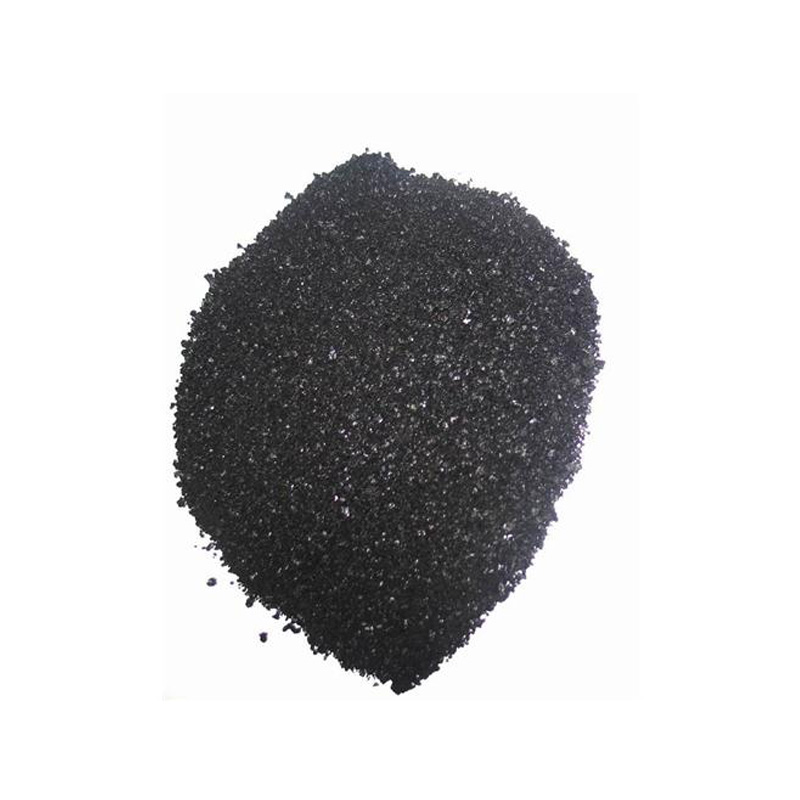
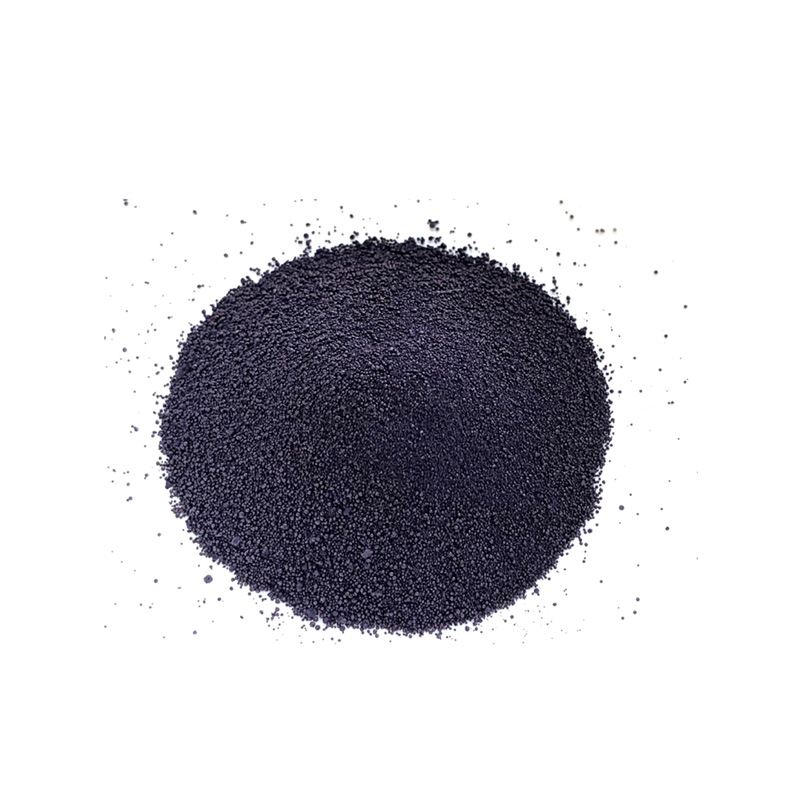
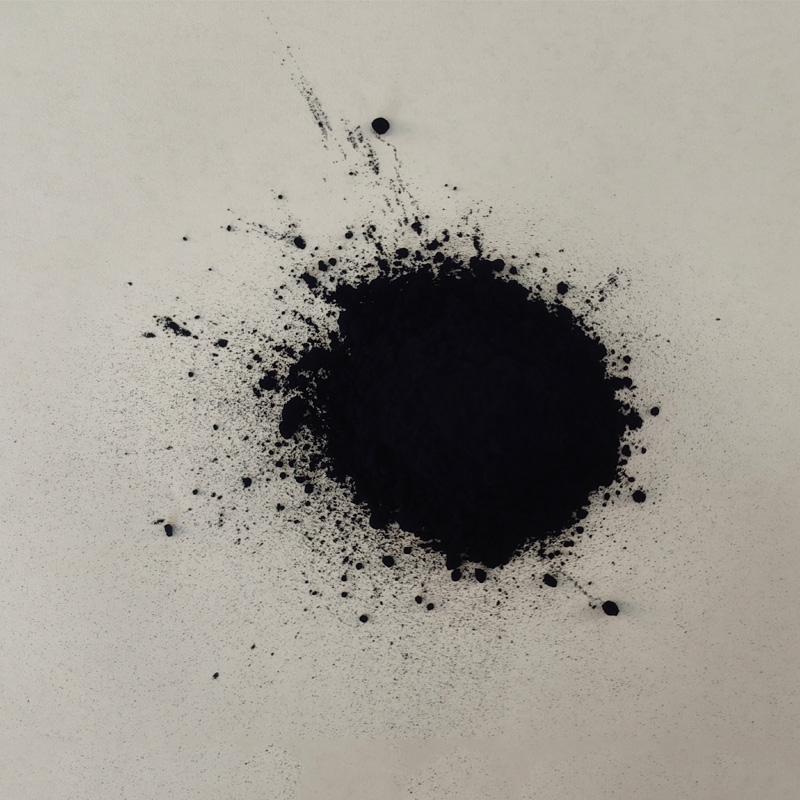
Comprehensive Dyestuff Portfolio for the Belgian Market

A curated selection of high-purity chemicals designed for industrial efficiency and environmental safety.

Frequently Asked Questions in Belgium

Expert answers to technical queries regarding indigo and sulphur dye applications.

How does bromo indigo powder affect the color fastness of premium denim?

Bromo indigo powder enhances the molecular bonding between the dye and the cellulose fiber, significantly increasing wash fastness and ensuring a more consistent fade pattern over time.

Are sulphur black dyes compatible with EU environmental regulations?

Our sulphur black dyes are formulated to minimize sulfide emissions and meet strict REACH guidelines, ensuring safety for both the factory worker and the end consumer.

What is the best way to apply natural indigo denim dyes for organic fabrics?

For organic fabrics, we recommend a low-temperature reduction process using eco-friendly reducing agents to preserve the natural integrity of the organic cotton fibers.

Where can I find a reliable indigo source dye for industrial-scale production?

Wuxin Chemical provides an industrial-grade indigo source dye that offers high solubility and purity, specifically optimized for large-scale continuous dyeing ranges.

What distinguishes pure indigo dye from blended indigo products?

Pure indigo dye contains no filler agents or secondary pigments, resulting in a cleaner blue hue and superior performance during the oxidation process.

How to reduce water consumption when using indigo dyes in Belgium?

By utilizing high-concentration dye baths and optimized rinsing cycles, Belgian manufacturers can reduce water usage by up to 30% without affecting color depth.

Get in Touch with Our Experts

Looking for customized dyeing solutions for your textile business in Belgium? Our technical team is ready to assist you with REACH-compliant chemical sourcing.

Contact Us Now

If you are interested in our products, you can choose to leave your information here, and we will be in touch with you shortly.