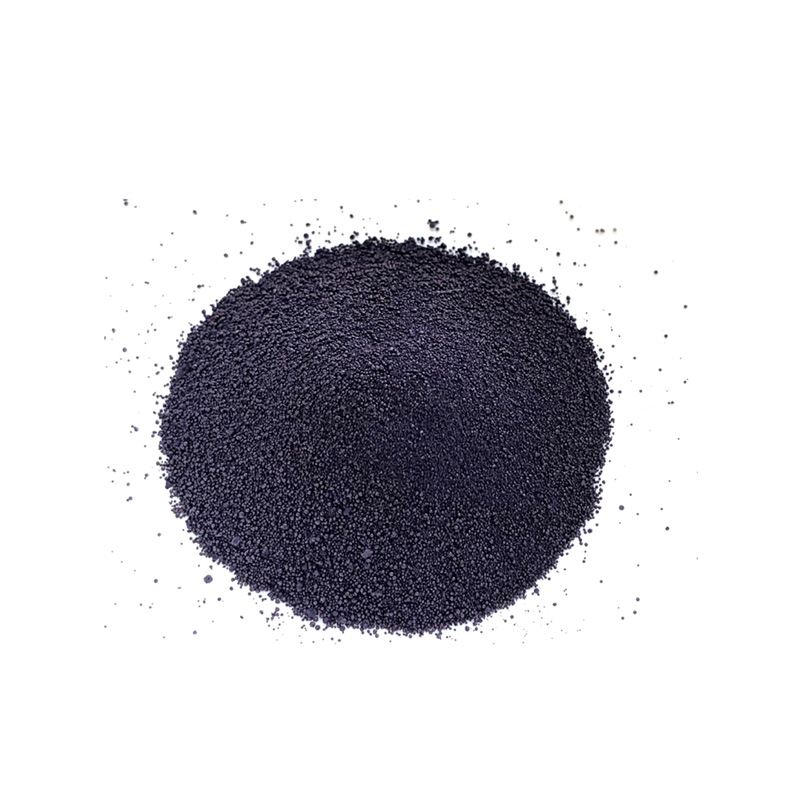
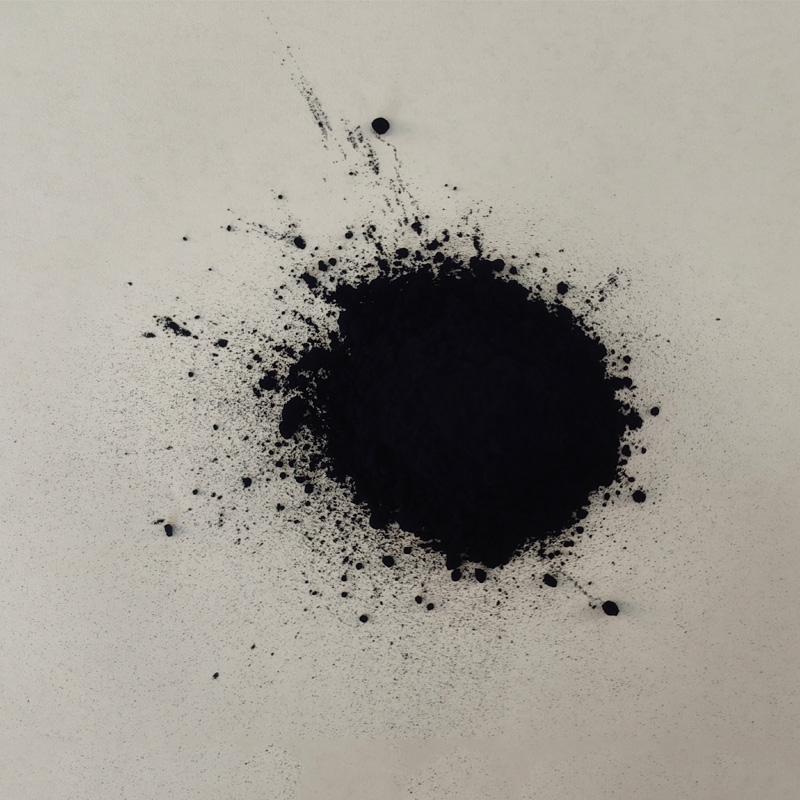
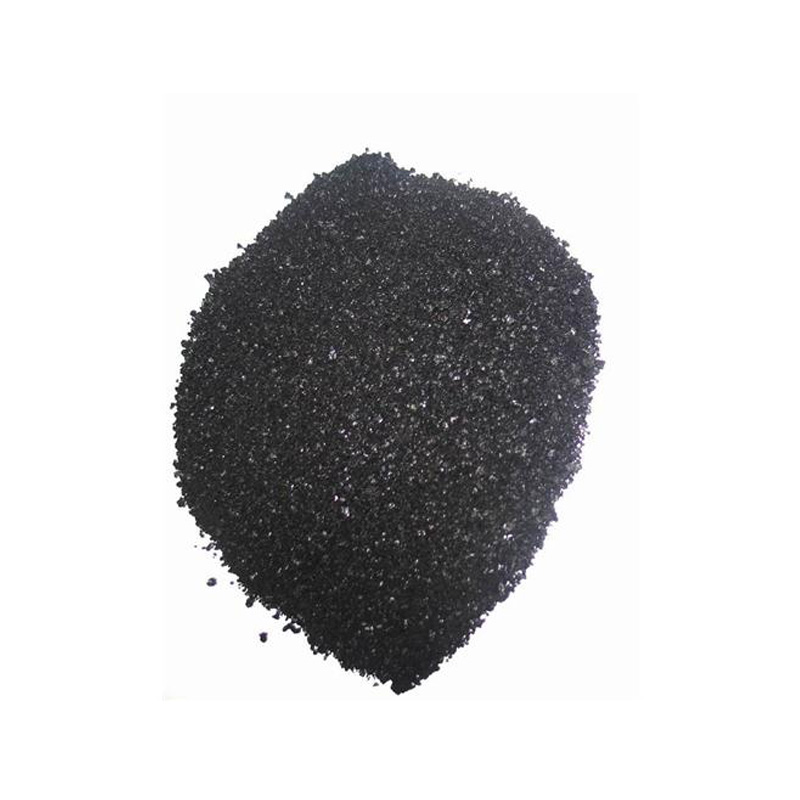
High-Performance pure indigo dye Solutions for Bolivia Textile Industry

Optimizing color precision and durability for the Andean textile market with advanced chemical synthesis and sustainable dye technologies.

High-Performance pure indigo dye Solutions for Bolivia Textile Industry

Providing Bolivian manufacturers with premium dyeing agents to achieve superior colorfastness and vibrant hues in denim and organic garment production.

Current State of Dyeing Industry in Bolivia

Analyzing the intersection of Andean textile traditions and modern chemical requirements.

The Bolivian textile sector, centered largely around La Paz and Santa Cruz, faces unique challenges due to high altitude and varying humidity levels, which directly impact the reduction and oxidation processes of indigo source dye. Local workshops are increasingly transitioning from artisanal methods to industrial standards to compete in the regional South American market.

There is a growing demand for sulphur black dyes to meet the appetite for deep, saturated dark tones in workwear and urban fashion. However, the volatility of raw material imports often leads to consistency issues in batch coloring, necessitating a more stable and pure chemical supply chain.

Environmental regulations in Bolivia are tightening, pushing manufacturers to seek alternatives to traditional heavy-metal dyes. This shift has created a surge in the adoption of natural indigo denim techniques that blend traditional aesthetics with modern ecological standards.

Evolution of Dyeing Technology in the Andean Region

From botanical extracts to precision-engineered organic pigments.

Market Development History

Historically, Bolivia relied on indigenous plant-based dyes. By the late 20th century, the introduction of basic synthetic vats allowed for larger scale production, though color consistency remained a struggle for local mills.

Around 2010, the integration of bromo indigo powder revolutionized the efficiency of the dyeing cycle, reducing the water requirement and accelerating the penetration of the pigment into the cotton fibers.

Currently, the industry is in a "precision era," where the focus has shifted toward the purity of the chemical precursors to minimize impurities that cause streaking or uneven shading in high-end apparel.

Future Development Trends

Digital Dyeing Integration

The transition toward automated dosing systems will reduce chemical waste and ensure that the ratio of dye to fabric is mathematically optimized.

Bio-Synthetic Hybrids

Combining the sustainability of organic sources with the stability of synthetic chemistry to create high-performance eco-dyes.

Waterless Application

Adopting foam-dyeing and CO2 supercritical fluid technologies to eliminate wastewater discharge in the fragile Andean ecosystem.

Industry Trends and Future Outlook

Strategic forecasting for the chemical dye market in Bolivia.

Eco-Certification Demand
Increasing shift toward GOTS and OEKO-TEX standards in Bolivian denim exports.
High-Concentration Pigments
Adoption of low-volume, high-impact powders to reduce transportation costs.
Rapid-Oxidation Tech
Developing dyes that react faster in high-altitude, low-oxygen environments.
Circular Economy Models
Implementing dye-recovery systems to recycle chemical waste in local mills.

Industry Outlook

Google search trends indicate a rising interest in "Sustainable Denim Production" and "Organic Textile Chemicals" within the South American region. We predict that the next 3-5 years will see a total migration from crude dye baths to precision-engineered molecular solutions.

Bolivian exporters will likely focus on niche, high-value garments that leverage the unique properties of pure organic pigments, shifting from mass-market competition to "Slow Fashion" luxury segments.

Localized Application Scenarios in Bolivia

Practical implementations for diverse textile segments.

01. High-Altitude Denim Manufacturing

Using optimized dye concentrations to overcome slow oxidation rates in the Altiplano region, ensuring consistent deep blue shades.

02. Artisanal Fusion Apparel

Integrating synthetic stability with traditional motifs, applying specialized powders to hand-woven fabrics for export markets.

03. Heavy-Duty Industrial Workwear

Utilizing high-fastness blacks for mining and construction uniforms in the Potosí region, ensuring resistance to harsh minerals.

04. Eco-Conscious Boutique Fashion

Deploying organic-certified dyes for small-batch luxury collections targeting the eco-tourist market in Santa Cruz.

05. Regional Uniform Standardization

Implementing precise color-matching protocols for institutional clothing to maintain corporate identity across different cities.

Brand Story

Global Development Journey of Anping Wuxin Chemical Dye Co., Ltd.

Foundational Excellence

Established with a focus on purity, we began by solving the instability of traditional dye synthesis for local textile mills.

Technical Breakthroughs

Developed advanced purification processes that eliminated harmful residues, setting a new industry standard for organic pigments.

Global Market Expansion

Expanded our footprint into South America, adapting our chemical formulas to suit varying climates and altitudes.

Sustainability Pivot

Launched a comprehensive line of eco-friendly dyes to help global manufacturers meet stringent environmental laws.

Future-Proofing Textiles

Currently leading the research into waterless dyeing agents to ensure a greener future for the global garment industry.

Comprehensive Product Portfolio for Bolivia

A curated selection of high-performance dyes designed for the Andean climate.

Frequently Asked Questions - Bolivia Market

Technical guidance and commercial support for our regional clients.

How does high altitude affect the use of pure indigo dye?

Lower oxygen levels at high altitudes can slow down the oxidation process. We recommend using our high-purity formulas which are designed for faster reaction times to ensure consistent color depth.

Can sulphur black dyes be used on mixed cotton-polyester blends?

Yes, though the affinity differs. We suggest a pre-treatment process to ensure the sulphur dyes penetrate the fiber evenly for a deep, lasting black finish.

What is the best way to store bromo indigo powder in humid regions?

Store in airtight, moisture-proof containers in a cool, dry environment to prevent premature oxidation and clumping of the powder.

Is natural indigo denim viable for large-scale industrial exports?

Absolutely. By using standardized natural indigo sources, manufacturers can achieve the "eco-luxury" look that is currently trending in European and North American markets.

How to optimize the indigo source dye for water reduction?

Utilizing high-concentration dyes allows for shorter dip cycles and fewer rinse stages, significantly reducing the overall water footprint per garment.

What certifications accompany your dye products for Bolivian customs?

We provide full MSDS, COA, and environmental compliance certificates to ensure smooth customs clearance and regulatory adherence in Bolivia.

Ready to Elevate Your Textile Quality?

Contact our technical experts today for a customized dye solution tailored to the specific environmental conditions of Bolivia.

Contact Us Now

If you are interested in our products, you can choose to leave your information here, and we will be in touch with you shortly.