
Japan's textile sector is characterized by a unique duality: the preservation of "Aizome" (traditional indigo dyeing) and the high-output requirements of the global denim export market. The demand for natural indigo denim remains strong in the luxury segment, where consumers prioritize the organic depth of color and sustainable sourcing.
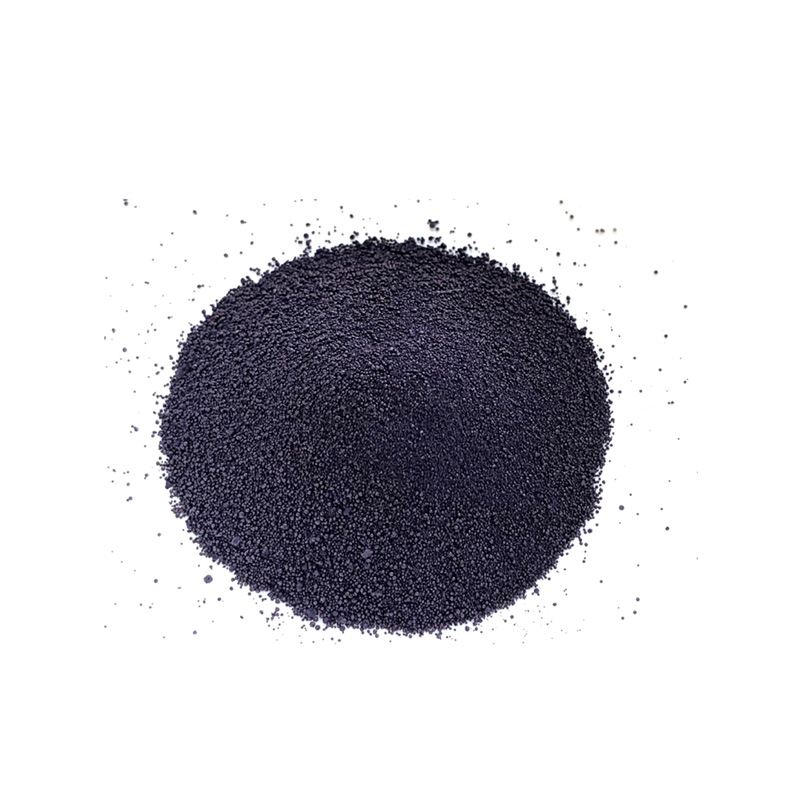
However, industrial scale production in regions like Okayama requires consistent, high-purity chemicals. The integration of bromo indigo powder has become essential for achieving precise shades and improving the solubility of dyes in automated dyeing vats, reducing waste in alignment with Japan's strict environmental regulations.
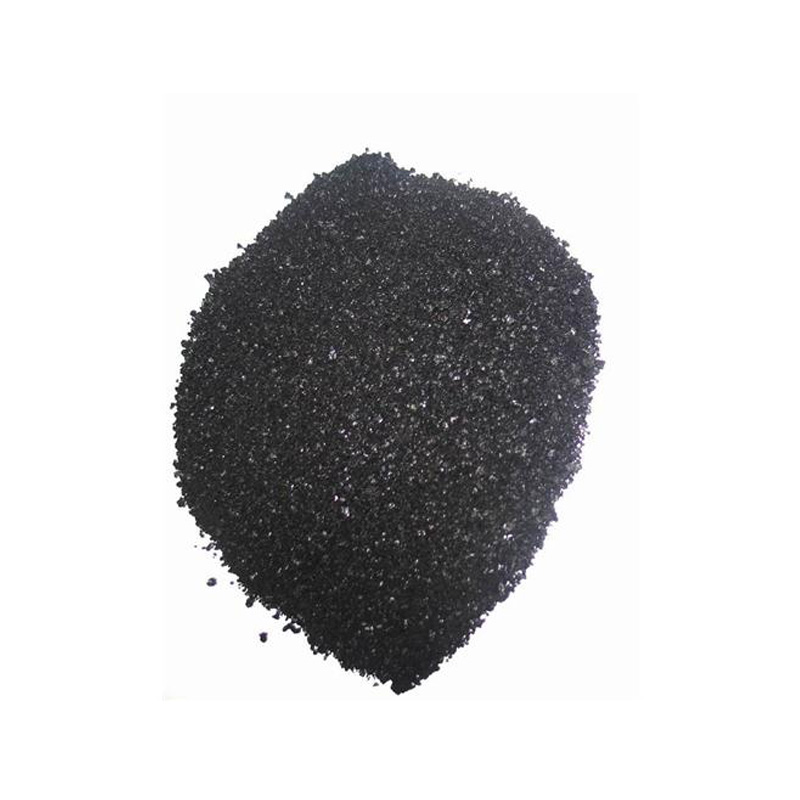
Furthermore, the demand for deep, stable blacks in urban fashion has led to a surge in the use of high-grade sulphur black dyes. The Japanese market now demands a "zero-emission" approach, forcing manufacturers to shift toward dyes with higher exhaustion rates and lower chemical oxygen demand (COD) in wastewater.