
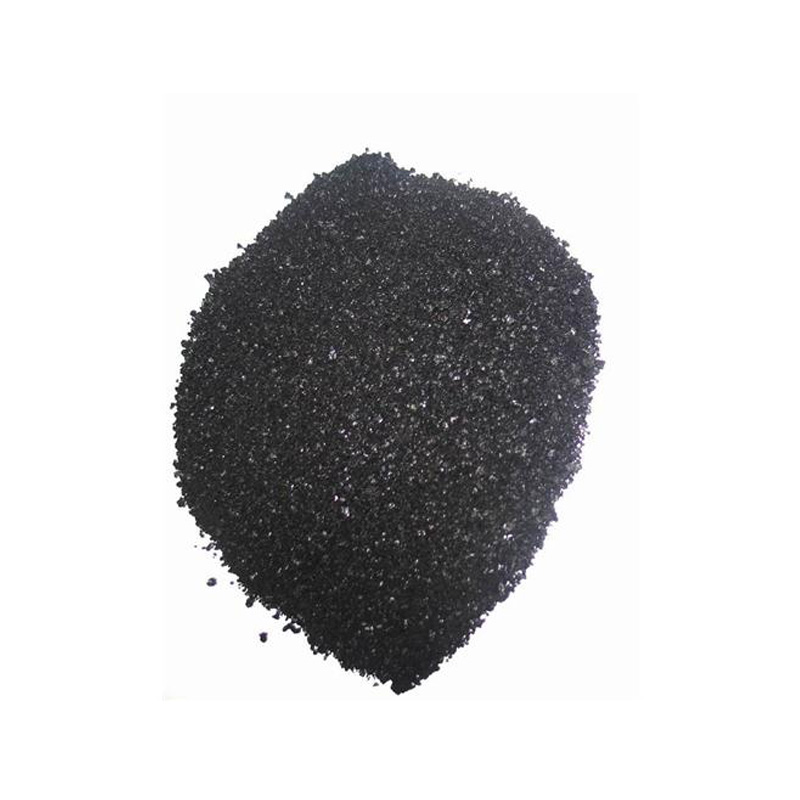
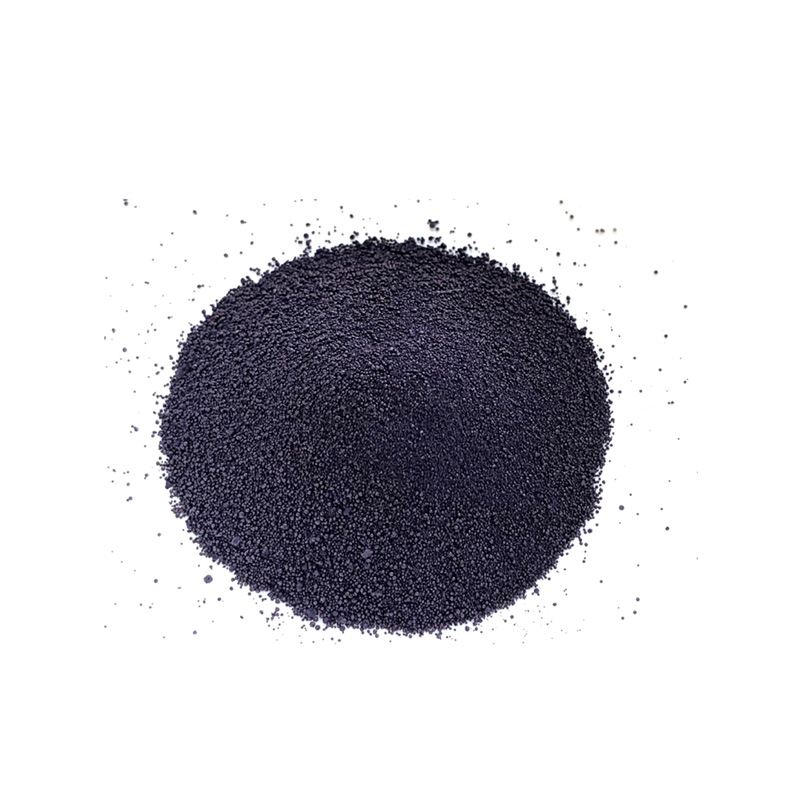
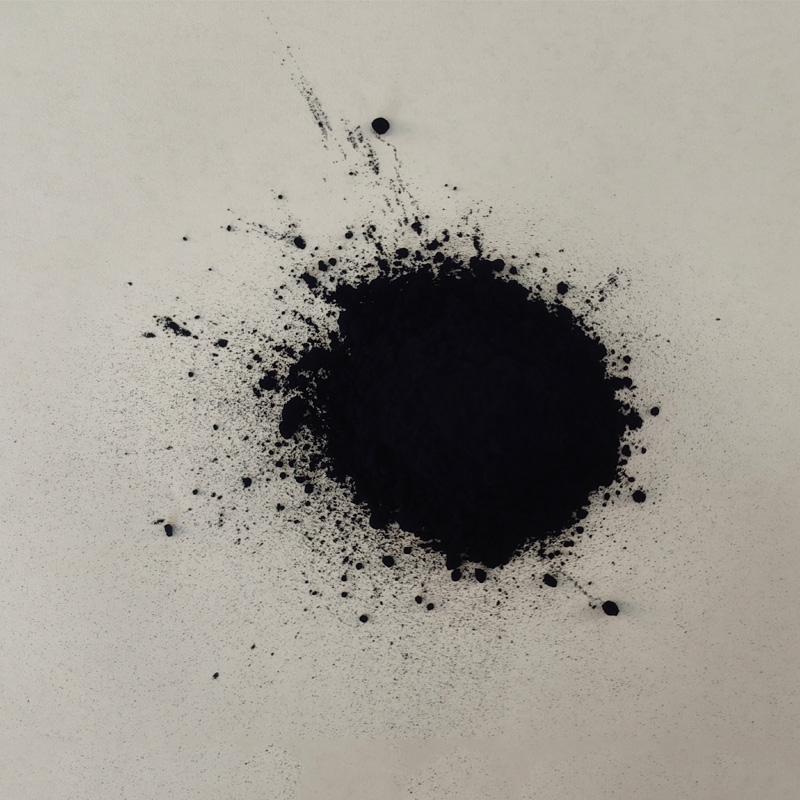
The textile sector in Libya currently faces a dual challenge: high ambient temperatures and an increasing demand for durable, deep-tone fabrics. The reliance on imported sulphur black dyes remains high, as local production facilities are still optimizing their chemical synthesis chains to meet international quality standards.
Environmental conditions in Libya, characterized by arid climates and saline air in coastal cities, necessitate dyes with exceptional stability. Manufacturers are increasingly seeking bromo indigo powder to achieve precise shading and superior penetration in heavy-duty cotton fabrics used in local apparel.
Economic shifts towards industrial diversification in Libya have led to a resurgence in denim production. This has created a critical need for a reliable indigo source dye that can withstand the rigorous washing and finishing processes common in the Mediterranean textile trade.