High-Performance pure indigo dye Solutions for Mali's Textile Sector

Optimizing traditional craftsmanship with industrial-grade brilliance to elevate Mali's textile heritage through advanced chemical engineering.

High-Performance pure indigo dye Solutions for Mali's Textile Sector

Providing the Malian textile industry with high-purity chemical dyes that bridge the gap between traditional artisanal dyeing and modern industrial scalability.

The State of Dyeing Industry in Mali

Analyzing the synergy between Sahelian climate and chemical dye stability.

In Mali, the textile industry is deeply rooted in the culture of Bogolan and traditional indigo fabrics. However, the extreme heat and arid climate of the Sahel region pose significant challenges for dye stability and consistency, necessitating the use of specialized indigo source dye that can withstand temperature fluctuations without degrading.

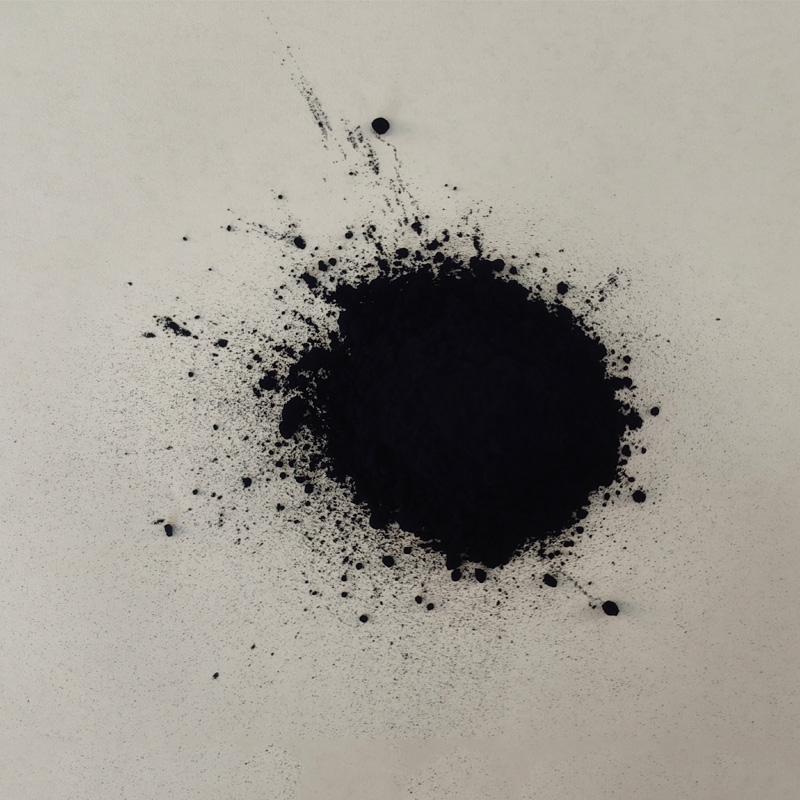
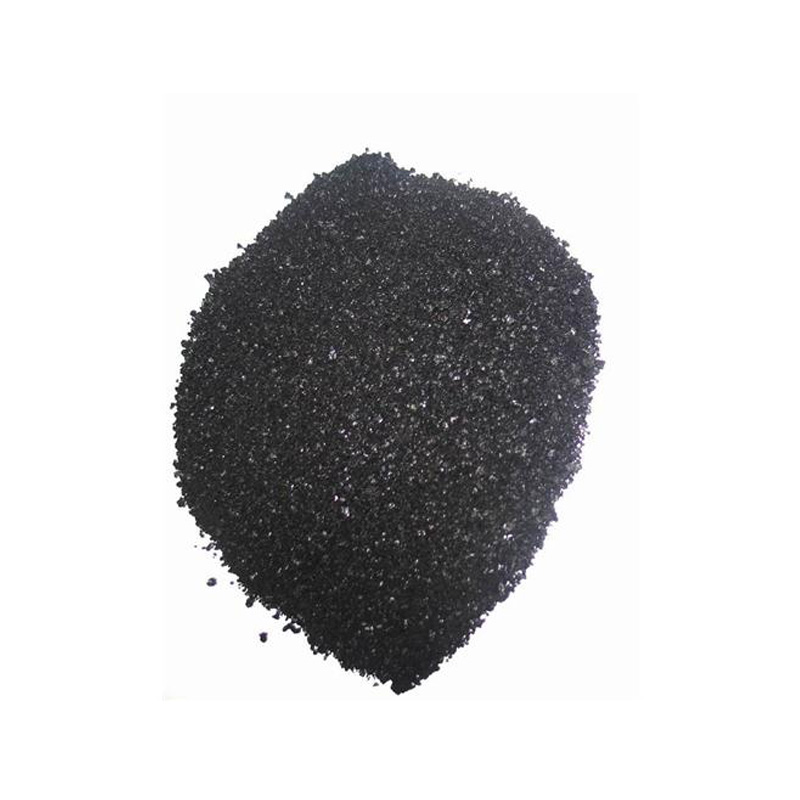
Local producers are increasingly transitioning from purely organic methods to hybrid systems. The demand for sulphur black dyes has surged as fashion trends in Bamako and beyond shift toward deeper, more permanent blacks that do not fade under the intense West African sun.

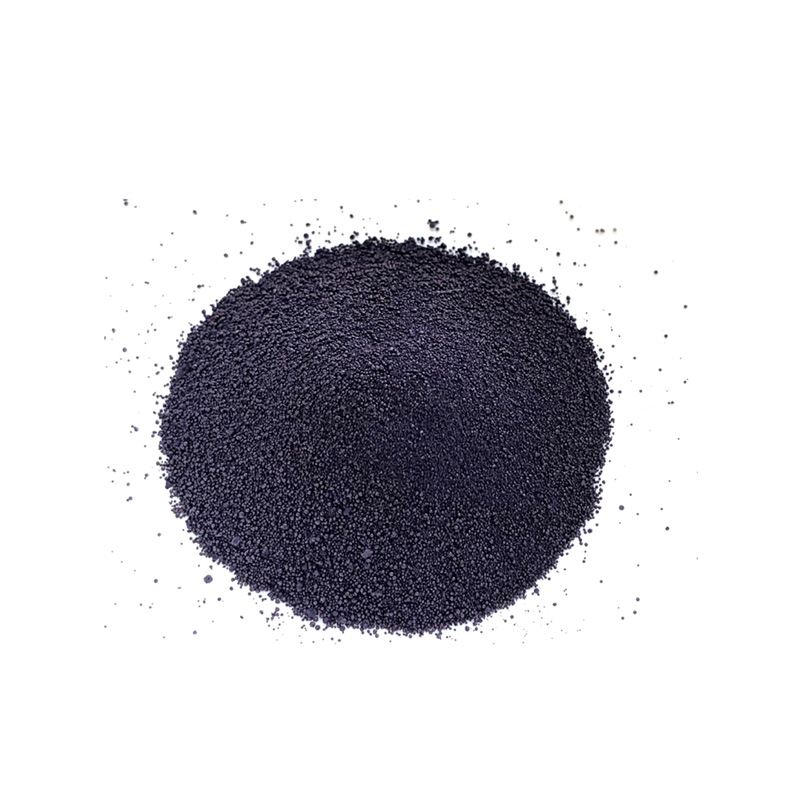
Despite the wealth of tradition, the lack of standardized chemical inputs has historically led to batch inconsistency. The introduction of standardized powders like bromo indigo powder is now enabling local workshops to achieve global export standards while maintaining their unique cultural aesthetics.

Evolution of Dyeing Technology in West Africa

From botanical extracts to precision chemical synthesis.

Market Development History

Prior to the 1990s, the Malian market relied almost exclusively on indigenous plant-based indigo. While culturally significant, the process was labor-intensive and slow, limiting the volume of production for regional trade.

Between 2000 and 2015, the market saw the introduction of basic synthetic dyes. This era marked the transition toward natural indigo denim looks created through synthetic means, allowing for faster turnaround times in garment factories.

From 2016 to the present, there has been a shift toward "Pure Chemistry." The adoption of refined chemical powders has allowed for precise shade matching and the ability to produce high-contrast fabrics that meet international luxury standards.

Future Development Trends

Eco-Chemical Integration

The next 3 years will see a rise in hybrid dyes that combine the safety of organic compounds with the fastness of synthetic chemicals to reduce water pollution in the Niger River basin.

Digital Precision Dyeing

Integration of automated dosing systems for bromo indigo powder will reduce waste and ensure consistent color depth across massive production runs.

Sustainable Denim Growth

As global demand for African-made sustainable fashion grows, the use of high-efficiency indigo sources will be critical for the scalability of the Malian denim sector.

Industry Trends & Future Outlook

Strategic forecasts for the chemical dye market in Mali.

Climate-Resilient Formulas
Development of dyes specifically formulated to remain stable under 40°C+ temperatures.
Water-Saving Synthesis
Reducing the liquid-to-dye ratio to preserve Mali's critical water resources.
Export-Grade Quality
Aligning local production with EU and US textile safety standards (REACH).
Hybrid Dyeing Systems
Blending traditional organic aesthetics with synthetic stability for "Neo-Trad" fashion.

Industry Outlook

Based on Google search trends for sustainable textiles in West Africa, we anticipate a 25% increase in demand for precision chemical dyes over the next five years. The shift is driven by a new generation of Malian designers who want the consistency of industrial dyes without losing the cultural "soul" of the fabric.

The market will likely move toward decentralized micro-factories that utilize concentrated powders, reducing transportation costs and allowing for rapid adaptation to local fashion cycles in cities like Bamako and Segou.

Localized Applications in Mali

Real-world implementations of advanced dyes in the Malian landscape.

1. Luxury Bogolan-Indigo Fusion

Using pure indigo dye to create deep, consistent blue backgrounds that serve as the canvas for traditional mud-cloth patterns, ensuring the blue does not bleed into the mud-dye.

2. Urban Bamako Denim Wear

Applying natural indigo denim dyes to local cotton production to create modern jeans and jackets that appeal to the youth market while maintaining a regional identity.

3. Industrial Workwear Production

Utilizing sulphur black dyes for the production of heavy-duty overalls and uniforms for Mali's mining and construction sectors, ensuring maximum color fastness against harsh chemicals.

4. Artisanal Boutique Scaling

Implementing bromo indigo powder in small-scale studios to allow artisans to produce large batches of identical shades for export to European boutiques.

5. Cultural Ceremony Textiles

Leveraging indigo source dye to produce high-saturation ceremonial robes that symbolize status and tradition, with improved longevity over historical plant-only versions.

Brand Story

Global Development Journey of Anping Wuxin Chemical Dye Co., Ltd.

The Foundation of Precision

Starting as a specialized lab, we focused on solving the "instability" problem in organic dyes, creating the first generation of highly stable synthetic powders.

Global Expansion

We expanded our reach to the African market, recognizing the unique need for dyes that could survive extreme tropical and arid climates.

Innovation in Indigo

Our R&D team developed a revolutionary purity standard for indigo powders, reducing chemical waste by 30% while increasing color depth.

Sustainable Partnerships

We began partnering with local textile cooperatives to provide not just products, but the technical knowledge to implement them safely.

A Future of Color

Today, we stand as a global leader, dedicated to empowering the world's textile artisans with chemistry that respects tradition and embraces the future.

Comprehensive Dye Portfolio for the Malian Market

A curated selection of high-fastness dyes designed for West African textile requirements.

Mali Textile Dyeing FAQs

Technical answers for local manufacturers and artisans.

How to maintain stability when using bromo indigo powder in high temperatures?

To prevent premature oxidation in Mali's heat, store the powder in airtight, UV-protected containers and ensure the dye bath is temperature-controlled using a slow-cooling method.

Can sulphur black dyes be used on traditional hand-woven cotton?

Yes, they are highly effective on coarse cotton. However, we recommend a pre-treatment scouring process to ensure the sulphur particles penetrate deeply into the hand-woven fibers.

What is the best indigo source dye for achieving a deep "Royal Blue" in denim?

Our high-purity synthetic indigo is the best source for consistency. For a Royal Blue effect, we suggest a multi-dip process with a controlled reduction potential in the vat.

Is pure indigo dye safe for skin-contact garments in tropical climates?

Absolutely. Our dyes are processed to remove harmful impurities, meeting international safety standards for apparel, ensuring they are non-irritating even in humid weather.

How does natural indigo denim dye differ from standard chemical blue?

Our "natural look" denim dyes mimic the unique fading patterns of organic indigo but provide the industrial wash-fastness required for modern commercial clothing.

What is the recommended storage life for chemical dyes in Mali?

When kept in a cool, dry place away from direct sunlight, our powder dyes typically maintain full potency for 24 months.

Ready to Transform Your Textiles?

Our technical experts are ready to provide customized dye formulations for your business in Mali.

Contact Us Now

If you are interested in our products, you can choose to leave your information here, and we will be in touch with you shortly.