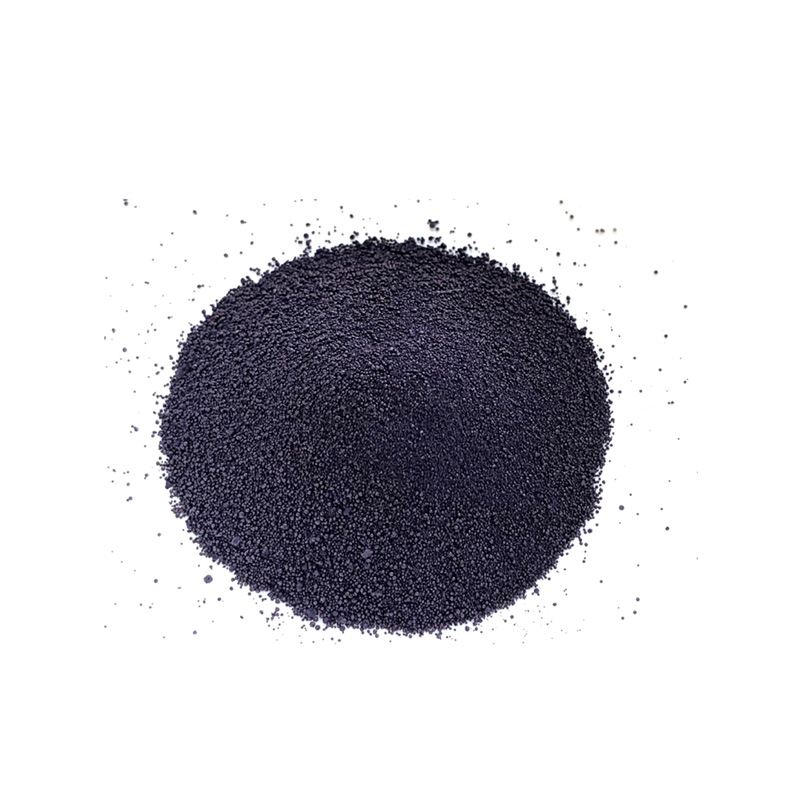
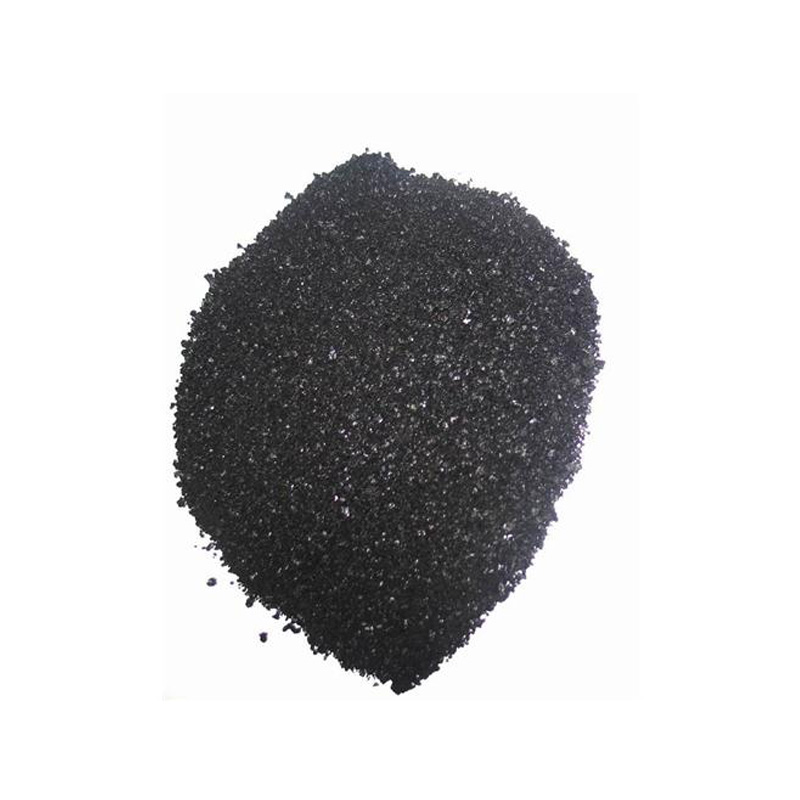
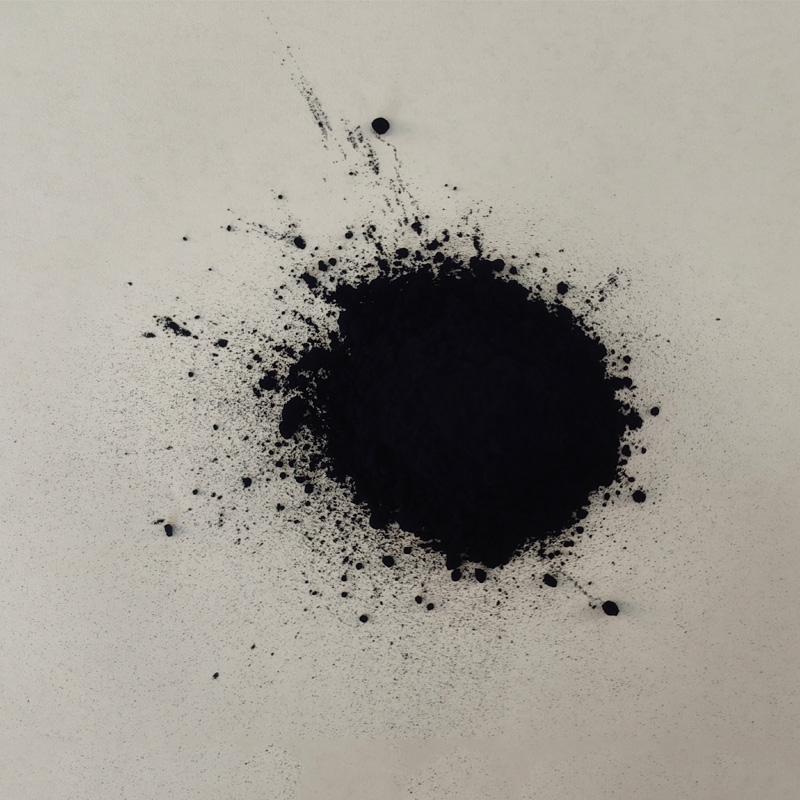
High-Performance pure indigo dye Solutions for Morocco's Textile Industry

Empowering Moroccan denim manufacturers with sustainable, high-purity dyeing agents and advanced chemical precursors for superior color fastness.

High-Performance pure indigo dye Solutions for Morocco's Textile Industry

We provide a comprehensive suite of coloring agents tailored for the unique climatic and industrial requirements of the Moroccan garment sector, focusing on purity and efficiency.

Current State of Dyeing Industry in Morocco

Analyzing the intersection of traditional craftsmanship and modern chemical requirements in North Africa.

Morocco possesses a rich textile heritage, yet the modern industrial landscape faces challenges due to water scarcity and strict environmental regulations. The adoption of sulphur black dyes has become prevalent in the local leather and heavy-duty fabric sectors due to their cost-effectiveness and deep penetration capabilities.

The region's proximity to European markets has pushed Moroccan factories to upgrade their quality standards. There is a growing demand for natural indigo denim production to cater to the "Slow Fashion" trend gaining traction in cities like Casablanca and Marrakech.

However, the volatility of raw material imports often leads to inconsistencies in shade. This has created a critical need for a reliable indigo source dye that ensures batch-to-batch stability across different humidity levels typical of the Mediterranean coast.

Evolution and Development Trajectory

From artisanal vats to precision-engineered chemical synthesis.

Market Development History

In the early 20th century, Morocco relied heavily on organic extraction for textile coloring. The shift began in the 1970s with the introduction of basic synthetic indigo, allowing for the mass production of workwear.

By the 2000s, the industry integrated more complex chemical precursors. The introduction of bromo indigo powder marked a turning point, enabling manufacturers to achieve more precise hue control and improved solubility in industrial vats.

Currently, the market is transitioning towards "Green Chemistry," where the focus is on reducing the chemical oxygen demand (COD) in wastewater while maintaining the intensity of the colors.

Future Development Trends

Sustainable Bio-Synthetic Integration

Google search trends indicate a 40% increase in queries regarding eco-friendly denim in the MENA region, suggesting a pivot toward hybrid dyes that combine synthetic efficiency with organic origins.

Waterless Dyeing Technologies

The shift toward supercritical CO2 dyeing is expected to gain momentum in Morocco's industrial zones to combat regional water stress.

Digital Color Matching Systems

The adoption of AI-driven spectrophotometry will replace manual sampling, requiring dyes with higher purity levels to ensure digital accuracy.

Industry Trends and Future Outlook

Strategic directions for the next 3-5 years in the chemical dye sector.

Circular Economy Adoption
Implementing closed-loop systems to recycle dye baths, reducing the environmental footprint in Moroccan industrial hubs.
High-Purity Synthesis
Transitioning toward ultra-pure precursors to minimize toxic by-products and enhance shade consistency.
Regulatory Alignment
Aligning chemical compositions with REACH and EU standards to facilitate easier export for Moroccan textile brands.
Smart Dyeing Logistics
Optimizing the supply chain of specialized powders to reduce lead times for just-in-time production.

Industry Outlook

The convergence of Moroccan artisanal skills and high-tech chemical additives is expected to create a unique niche in the global luxury denim market. By integrating specialized precursors, local mills can achieve a "vintage" look with modern durability.

Moreover, as the African Continental Free Trade Area (AfCFTA) matures, Morocco is poised to become a primary hub for the distribution of high-grade organic and synthetic dyes across the continent.

Localized Application Scenarios in Morocco

Tailored solutions for regional textile and leather manufacturing.

1. Casablanca Denim Hub Production

Utilizing high-stability indigo source dye for large-scale industrial denim washes, ensuring consistent deep-blue saturation across thousands of meters of fabric.

2. Marrakech Artisanal Leather Works

Applying specialized sulphur black dyes to traditional leather tanning processes, providing an intense, fade-resistant black finish for luxury accessories.

3. Eco-Friendly Boutique Apparel

Implementing natural indigo denim dyeing techniques for sustainable fashion labels targeting the European luxury market.

4. High-End Textile Finishing

Using bromo indigo powder for precision shading in tailored garments, allowing for the creation of subtle gradient effects.

5. Industrial Workwear Manufacturing

Deploying pure indigo dye for durable, heavy-duty uniforms that require high rub-fastness and resistance to harsh Mediterranean sunlight.

Brand Story

Global Development History of Anping Wuxin Chemical Dye Co., Ltd.

Foundational Innovation

Established with a vision to solve the instability of organic dyes, we began by perfecting the purity of synthetic indigo precursors.

Technical Breakthrough

Developed advanced stabilization techniques for powder dyes, significantly reducing waste during the dissolution process.

Global Expansion

Expanded our reach to North Africa and Europe, tailoring our chemical formulations to meet diverse regional water qualities.

Sustainable Pivot

Invested in green synthesis laboratories to reduce the use of heavy metals in our dye production chains.

Industry Leadership

Today, we are a trusted partner for the world's leading denim mills, delivering precision and sustainability at scale.

Complete Dye Solution Portfolio for Morocco

A curated selection of high-performance pigments and chemical agents for regional industry.

Local Industry FAQ

Expert answers to common technical questions from Moroccan dye houses.

How does bromo indigo powder improve denim color consistency?

It enhances solubility and dispersibility in the dye vat, reducing the likelihood of spotting and uneven shading on the fabric.

Are sulphur black dyes compatible with Moroccan leather tanning methods?

Yes, our formulated sulphur blacks are designed to bond deeply with chrome-tanned and vegetable-tanned leathers typical of the region.

What is the best indigo source dye for eco-certified denim?

We recommend our high-purity synthetic indigo that meets GOTS standards, offering a balance between environmental safety and industrial performance.

How can I maintain the vibrancy of natural indigo denim in hot climates?

By utilizing specialized fixing agents and controlling the pH level during the final rinse to prevent premature oxidation.

What are the storage requirements for pure indigo dye in humid coastal areas?

It should be stored in airtight, moisture-proof containers in a cool, dry warehouse to prevent clumping and degradation.

Does bromo indigo powder reduce the amount of reducing agents needed?

Yes, due to its improved chemical reactivity, it often allows for a slight reduction in sodium hydrosulfite usage, lowering costs and effluent load.

Request a Technical Consultation

Our chemical engineers are ready to optimize your dyeing processes in Morocco. Get a customized sample kit today.

Contact Us Now

If you are interested in our products, you can choose to leave your information here, and we will be in touch with you shortly.