High-Performance Pure Indigo Dye Solutions for the US Market

Providing cutting-edge chemical coloration technologies tailored for North American textile standards and sustainable denim manufacturing.

High-Performance Pure Indigo Dye Solutions for the US Market

We deliver premium-grade dyestuffs that balance traditional aesthetic depth with modern industrial efficiency, ensuring consistency across every yard of fabric produced in the United States.

Current State of the Dyeing Industry in the United States

Analyzing the intersection of regulatory compliance and high-fashion demand in North America.

The United States market is currently witnessing a significant shift toward eco-conscious production. With strict EPA regulations and a growing consumer preference for "slow fashion," the demand for high-purity natural indigo denim has surged, forcing manufacturers to move away from legacy heavy-metal catalysts.

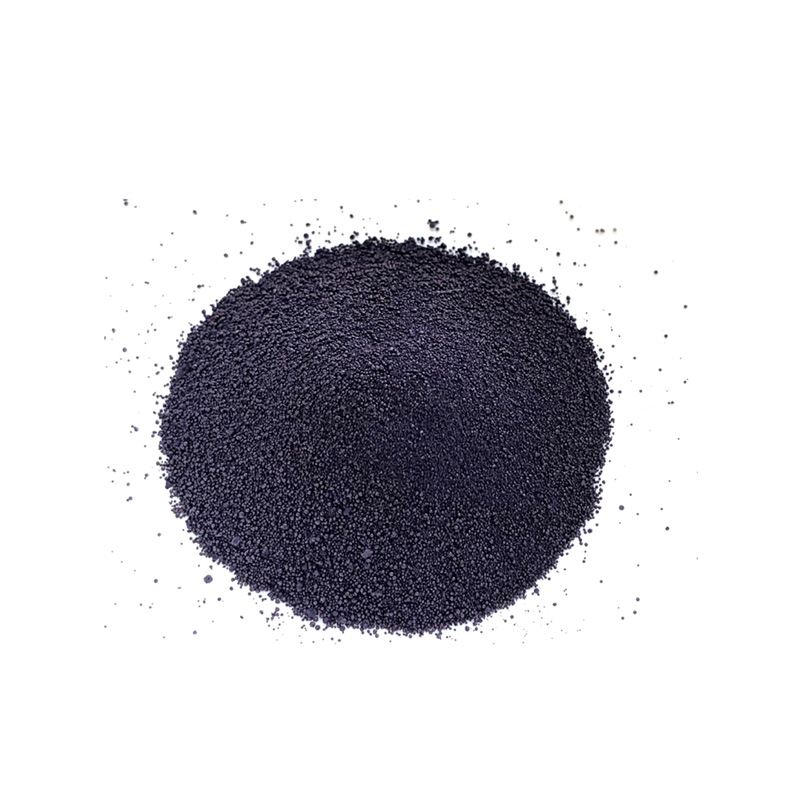
Economically, the US textile sector is focusing on high-value, specialized niches. There is a particular reliance on specialized chemical agents like bromo indigo powder to achieve specific wash effects and shade consistency that meet the rigorous quality control standards of American premium brands.

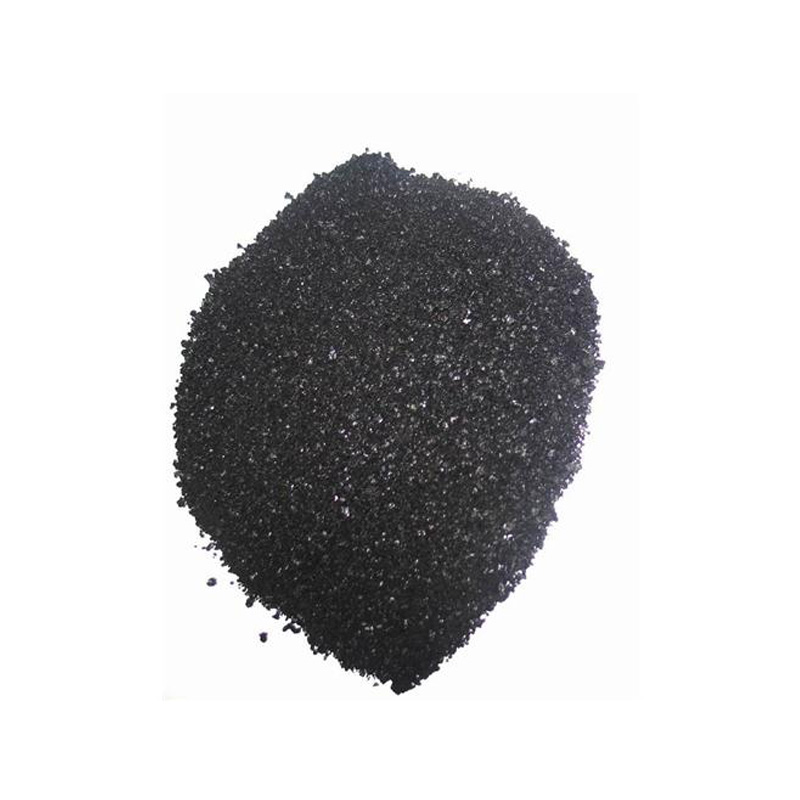
Furthermore, the logistical landscape of North America requires dyestuffs that offer exceptional stability during long-distance transport. The industry is increasingly adopting optimized sulphur black dyes that reduce waste and energy consumption during the reduction process, aligning with national carbon reduction goals.

Evolution and Technical Trajectory of Indigo Dyeing

From artisanal vats to automated precision chemistry.

Market Development History

In the early 20th century, the US market relied heavily on imported natural dyes, utilizing basic fermentation vats that offered rich colors but lacked industrial scalability and consistency.

Between 1950 and 1990, the industry transitioned to synthetic chemistry. The introduction of standardized indigo source dye allowed for the mass production of denim, establishing the "American Blue" identity through chemical standardization and high-speed dyeing machines.

Since 2010, the focus has shifted toward "Green Chemistry." The integration of digital dyeing and bio-based precursors has redefined the technical requirements, prioritizing low-water usage and non-toxic runoff without compromising the deep hues of traditional indigo.

Future Development Trends

Bio-Synthetic Integration

The next 3 years will see a hybrid approach where biosynthetic precursors mimic the molecular structure of nature, reducing the environmental footprint of mass-market denim.

Waterless Dyeing Technology

Driven by Google search trends for "sustainable fashion," the industry is moving toward CO2-based dyeing and foam application to virtually eliminate water consumption.

AI-Driven Shade Matching

Predictive analytics will replace manual sampling, allowing for real-time adjustment of dye concentrations to ensure 100% batch-to-batch consistency.

Industry Trends and Future Outlook

Navigating the future of chemical coloration in a sustainable era.

Circular Economy Adoption
Implementing closed-loop systems to recover and reuse dyestuffs, reducing the chemical load on local waterways.
Low-Liquor Ratio Dyeing
Transitioning to low-water processing to minimize energy costs and environmental impact in US manufacturing plants.
Regulatory Automation
Using blockchain to track chemical origins, ensuring every batch of dye is ZDHC compliant for the North American market.
Smart Pigment Delivery
Developing pre-reduced liquid dyes to eliminate the need for hazardous reducing agents on-site at factories.

Industry Outlook

The trajectory of the US chemical dyeing industry is moving toward a "precision-first" model. We expect to see an increase in the adoption of enzymatic processing, which allows dyes to penetrate fibers more efficiently, reducing the overall volume of chemicals required.

Looking ahead, the synergy between biotechnology and traditional chemical synthesis will define the leaders of the market. Companies that can provide stable, high-purity dyes that are fully biodegradable will capture the majority of the high-end North American denim market.

Localized Application Scenarios in the United States

Practical implementations of our dyestuffs across various US industrial segments.

01. Premium Denim Manufacturing in North Carolina

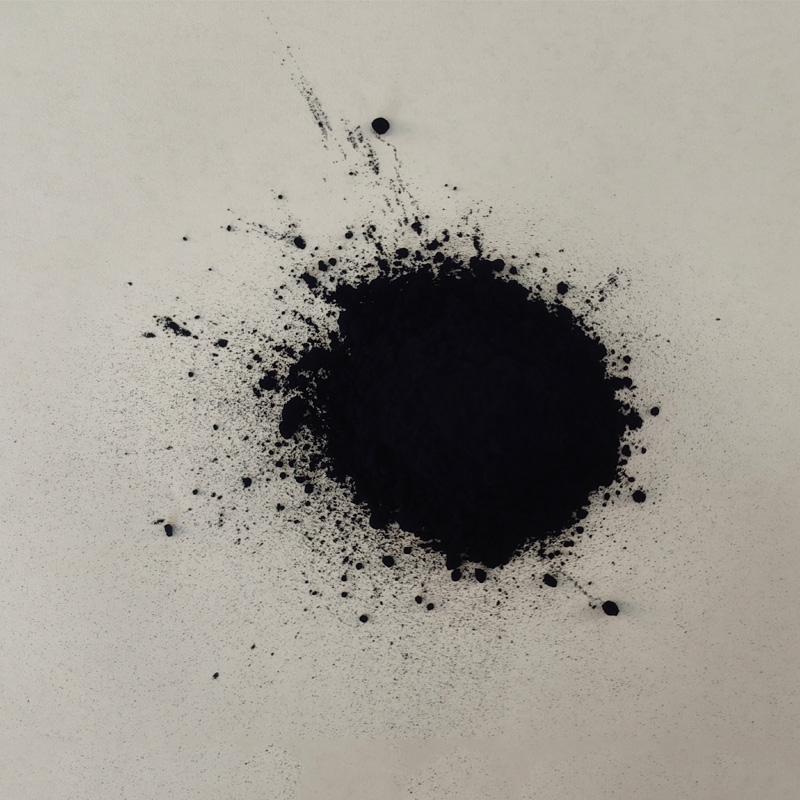
Utilizing pure indigo dye in high-end denim mills to create the classic "authentic indigo" look required for luxury heritage brands.

02. Industrial Workwear Production in the Midwest

Implementing sulphur black dyes for heavy-duty canvas and workwear that requires exceptional rub-fastness and resistance to industrial abrasion.

03. Sustainable Boutique Fashion in California

Applying natural indigo denim techniques for eco-conscious labels focusing on zero-waste and organic textile certification.

04. Specialized Textile Finishing in Texas

Using bromo indigo powder to achieve precise "vintage wash" effects for large-scale commercial apparel distributors.

05. Technical Fabric R&D in New England

Integrating indigo source dye into synthetic-blend fabrics for athletic wear that requires the aesthetic of indigo with the performance of spandex.

Brand Story

Global Development Journey of Anping Wuxin Chemical Dye Co., Ltd.

Foundational Excellence

Established with a focus on purity, we began by solving the inconsistency issues in traditional indigo synthesis, creating a benchmark for chemical stability.

Technological Diversification

We expanded our portfolio to include complex sulphur and bromo-based dyes, catering to the diverse needs of the global textile industrial complex.

Global Quality Standardization

By aligning our production with international ISO and environmental standards, we successfully entered the rigorous North American and European markets.

Sustainable Innovation Hub

We invested heavily in R&D to reduce water pollution and chemical runoff, developing the next generation of eco-friendly indigo sources.

The Future of Color

Today, we stand as a global partner for textile leaders, merging traditional craftsmanship with cutting-edge molecular chemistry.

Comprehensive Dyeing Portfolio for the United States Market

A curated selection of high-stability dyestuffs designed for North American industrial requirements.

Frequently Asked Questions for US Textile Importers

Technical insights and compliance guidance for our North American partners.

How does bromo indigo powder affect the wash-out rate in denim?

Our bromo indigo powder is engineered for high affinity, allowing for a more controlled wash-out process that creates sharper contrast in distressed denim without compromising fabric strength.

Are your sulphur black dyes compliant with US environmental regulations?

Yes, our sulphur black dyes are produced using low-emission processes and are free from banned aromatic amines, ensuring they meet the strict EPA and state-level environmental guidelines.

What is the best way to maintain consistency when using natural indigo denim dyes?

Consistency in natural indigo is achieved through precise temperature control and pH stabilization. We provide detailed technical data sheets to help US mills standardize their vat parameters.

Can your indigo source dye be used with automated dispensing systems?

Absolutely. Our indigo source dye is formulated for optimal solubility and particle size distribution, making it perfectly compatible with modern automated dosing systems used in large-scale US factories.

What is the difference in longevity between pure indigo dye and blended alternatives?

Pure indigo dye provides the classic "ring dyeing" effect where the core of the yarn remains white, enabling the unique fading characteristics that US consumers associate with high-quality denim.

How do you handle logistical stability for bulk shipments to North America?

We use moisture-proof, industrial-grade vacuum packaging and climate-controlled shipping containers to prevent clumping and degradation during the transit to the United States.

Partner with the Indigo Experts

Ready to elevate your textile production in the United States? Our technical team is available to provide customized samples and formulation support.

Contact Us Now

If you are interested in our products, you can choose to leave your information here, and we will be in touch with you shortly.