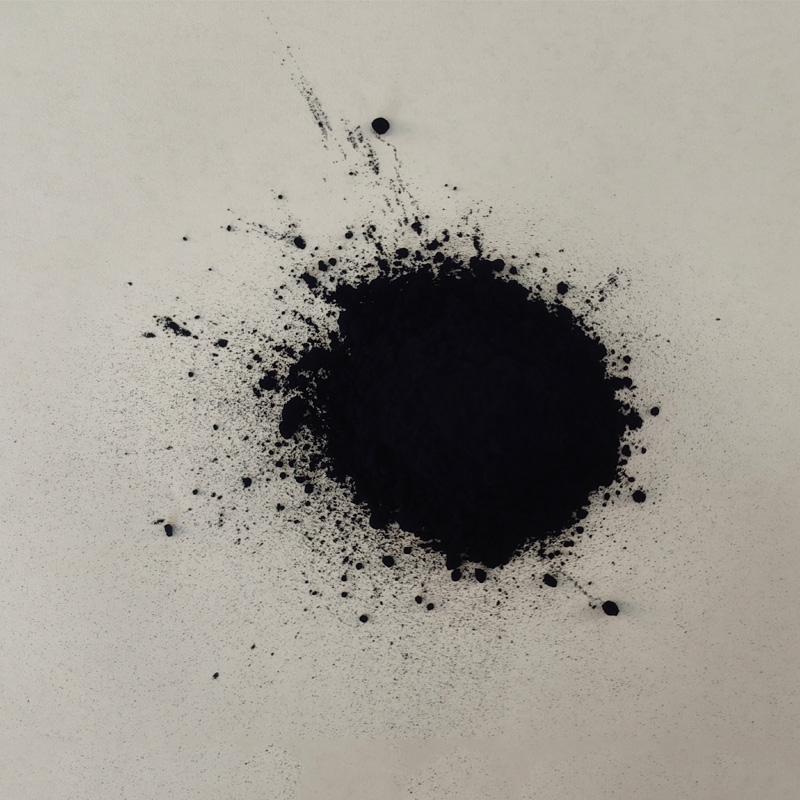
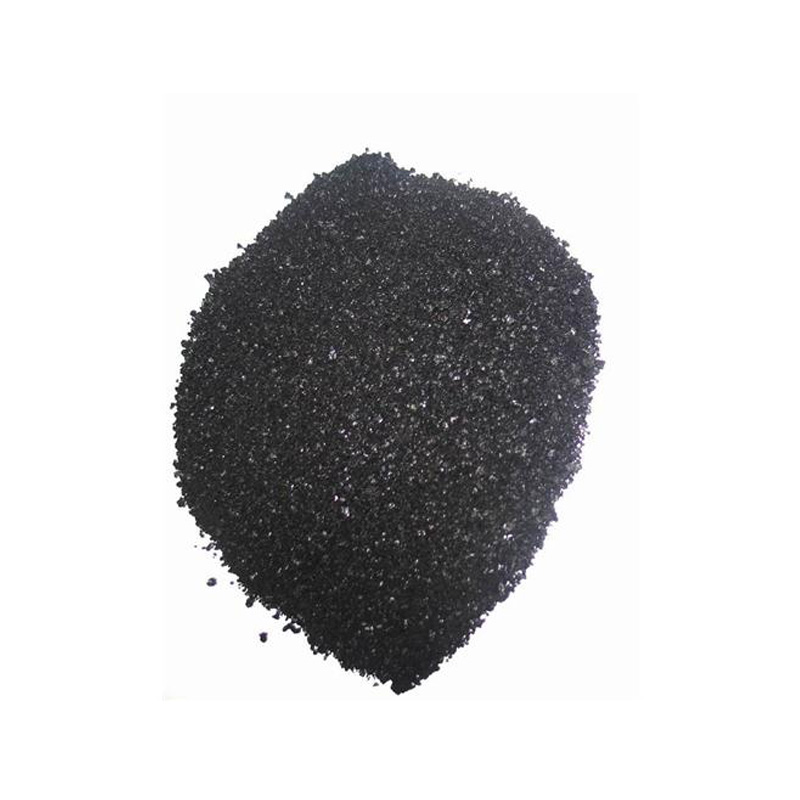
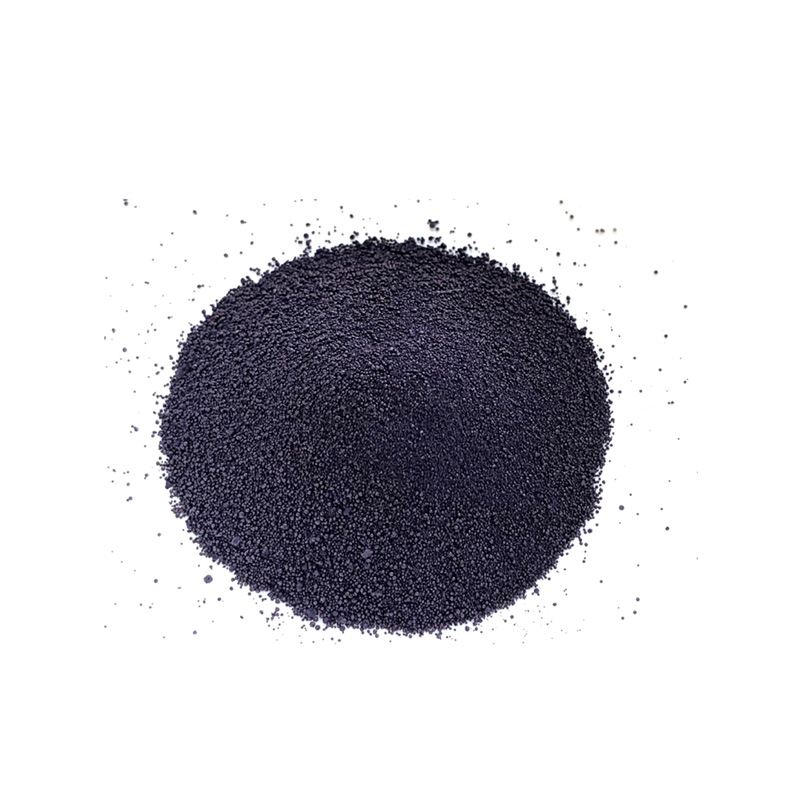
High-Performance sulphur black dyes Solutions for India's Textile Hubs

Empowering Indian textile manufacturers with advanced color chemistry, specializing in sustainable indigo and sulphur-based pigmentations for global denim exports.

High-Performance sulphur black dyes Solutions for India's Textile Hubs

Our comprehensive dye portfolio is engineered to meet the rigorous demands of the Indian garment industry, ensuring color fastness and ecological compliance for international markets.

The Landscape of Dye Manufacturing in India

Analyzing the intersection of traditional craftsmanship and industrial chemistry in Asia's fastest-growing textile market.

India's dye industry is currently navigating a transition from fragmented small-scale production to integrated industrial complexes. In hubs like Gujarat and Tamil Nadu, the demand for pure indigo dye remains high due to the country's strategic position as a global denim supplier. However, stringent environmental regulations regarding water effluent have forced a shift toward more efficient chemical formulations.

The climate of India, characterized by high humidity and temperature fluctuations, presents unique challenges for dye stability. Manufacturers are increasingly adopting bromo indigo powder to achieve superior shade consistency and reduce the overall chemical load during the dyeing process, optimizing the cost-to-quality ratio for mass production.

Economic pressures and the push for "Make in India" have accelerated the adoption of specialized agents. The market is seeing a surge in the integration of indigo source dye that allows for better penetration in heavy cotton fabrics, reducing the number of dip cycles and significantly lowering energy consumption in textile mills.

Evolution and Technical Trajectory of Indigo Chemistry

From botanical origins to synthetic precision: The history of coloration in the Indian subcontinent.

Market Development History

Historically, India was the epicenter of natural dye production. Between the 18th and early 20th centuries, the region relied exclusively on botanical extraction. This era established the foundational knowledge of vat dyeing that still informs how natural indigo denim is produced for boutique and sustainable fashion lines today.

The mid-20th century marked the "Synthetic Pivot" (1950s-1980s), where the introduction of petrochemical-based dyes allowed for unprecedented scale. During this period, the standardization of sulphur-based chemistry became the norm, enabling the mass production of deep blacks and navies required for industrial workwear across Asia.

From 2000 to the present, the industry has entered the "Precision Era." The focus has shifted toward molecular modification, utilizing bromine-based catalysts to enhance the solubility and brilliance of pigments, moving away from crude synthesis toward high-purity chemical engineering.

Future Development Trends

Bio-Synthetic Hybridization

The next 3 years will see a merge between lab-grown indigo and synthetic carriers to achieve the aesthetic of natural dyes with the stability of industrial chemicals.

Zero-Liquid Discharge (ZLD) Integration

Driven by Google search trends for "sustainable dyeing India," the industry is moving toward dyes that require 40% less water for rinsing, particularly in sulphur-based applications.

Digital Color Matching AI

Predictive modeling will replace manual sampling, allowing mills to simulate the result of various indigo concentrations before the fabric ever hits the vat.

Industry Outlook and Future Projections

Strategic directions for the chemical textile sector in India through 2028.

Eco-Certification Shift
Rapid migration toward ZDHC (Zero Discharge of Hazardous Chemicals) compliance to maintain EU and US export licenses.
Automation of Vatting
Implementation of IoT-enabled dosing systems to ensure exact concentration of indigo powder in continuous dyeing ranges.
Circular Chemistry
Development of dyes that allow for easier pigment recovery during fabric recycling processes.
Performance Enhancement
Focus on "One-Bath" dyeing techniques to reduce the energy footprint of the Indian textile mill.

Industry Outlook

The Indian market is projected to shift from "volume-driven" to "value-driven" production. As global brands demand higher transparency in the supply chain, the chemical purity of dyes will become a key competitive advantage for Indian exporters.

We anticipate a 15% growth in the adoption of specialty modified indigos, as the market seeks to balance the traditional look of denim with the efficiency of modern synthetic chemicals.

Localized Applications in India's Textile Sector

Real-world implementation of advanced dyeing agents across various regional garment clusters.

1. Premium Denim Production in Ahmedabad

Utilization of natural indigo denim techniques combined with synthetic stabilizers to create high-end, vintage-wash denim for the luxury export market.

2. Industrial Workwear Manufacturing in Tirupur

Implementing high-concentration sulphur black solutions to ensure maximum rub-fastness and durability for heavy-duty industrial uniforms used in the automotive sector.

3. Sustainable Apparel Startups in Bangalore

Adopting low-impact pure indigo dye for eco-conscious fashion lines that target the Gen-Z demographic and emphasize biodegradable chemistry.

4. Traditional Weaving Cooperatives in Rajasthan

Integrating modern indigo source dyes with traditional hand-loom processes to improve color uniformity while preserving the artisanal heritage of the region.

5. High-Volume Export Mills in Ludhiana

Using bromo-modified powder dyes to accelerate the dyeing cycle, allowing for faster turnaround times for fast-fashion shipments to Europe.

Brand Story

Global Development Journey of Anping Wuxin Chemical Dye Co., Ltd.

Foundational Excellence

Started with a commitment to purity, we solved the initial industry pain point of inconsistent pigment batching in organic dyes.

Technical Breakthrough

Developed proprietary stabilization methods for sulphur dyes, reducing the chemical waste traditionally associated with deep-black coloration.

Global Expansion

Expanded our footprint into the Asia-Pacific region, tailoring our chemical formulations to suit the specific water hardness and climate of India.

Sustainability Pivot

Launched a dedicated R&D line focused on eco-friendly indigo derivatives to help clients meet international environmental standards.

Industry Leadership

Today, we stand as a bridge between advanced chemical engineering and sustainable textile production for mills worldwide.

Comprehensive Dye Portfolio for the Indian Market

Precision-engineered pigments designed for the diverse needs of India's textile manufacturing ecosystem.

Technical FAQ for Indian Textile Manufacturers

Expert answers to the most common challenges in indigo and sulphur dye application.

How does bromo indigo powder improve shade consistency in mass production?

The bromine modification enhances the solubility and dispersion of the pigment, preventing agglomeration in the dye vat and ensuring a uniform color distribution across large fabric rolls.

What is the best way to apply sulphur black dyes to avoid fabric degradation?

Controlling the pH levels and using a gradual temperature ramp-up during the reduction process prevents the harsh chemicals from damaging the cellulose fibers of the cotton fabric.

Can natural indigo denim be scaled for industrial export quantities?

Yes, by using standardized indigo source dye extracts and automated vatting systems, manufacturers can achieve consistent results suitable for global export standards.

What are the purity requirements for pure indigo dye in sustainable fashion?

Sustainable fashion requires the absence of heavy metals and banned aromatic amines. Our high-purity dyes meet GOTS and OEKO-TEX requirements for eco-friendly production.

How to optimize indigo source dye penetration for heavy-weight denim?

Using a pre-treatment wetting agent and optimizing the dip-cycle duration ensures that the dye penetrates the core of the yarn, reducing "streaking" in the final garment.

What is the impact of water hardness in India on sulphur dye efficiency?

High mineral content in local water can cause precipitation. We recommend using sequestering agents to neutralize calcium and magnesium ions for maximum dye uptake.

Request a Technical Consultation

Partner with a leader in chemical innovation to optimize your textile production in India. Our experts are ready to help you achieve the perfect shade.

Contact Us Now

If you are interested in our products, you can choose to leave your information here, and we will be in touch with you shortly.