High-Performance sulphur black dyes Solutions for Kazakhstan Textiles

Empowering the Central Asian textile industry with precision-engineered dyes and innovative indigo coloring technology for sustainable garment production.

High-Performance sulphur black dyes Solutions for Kazakhstan Textiles

We provide specialized chemical coloring agents tailored for the Kazakhstan market, ensuring superior fastness and deep saturation for industrial textiles.

The Landscape of Dye Manufacturing in Kazakhstan

Analyzing the intersection of Central Asian industrial demand and chemical precision.

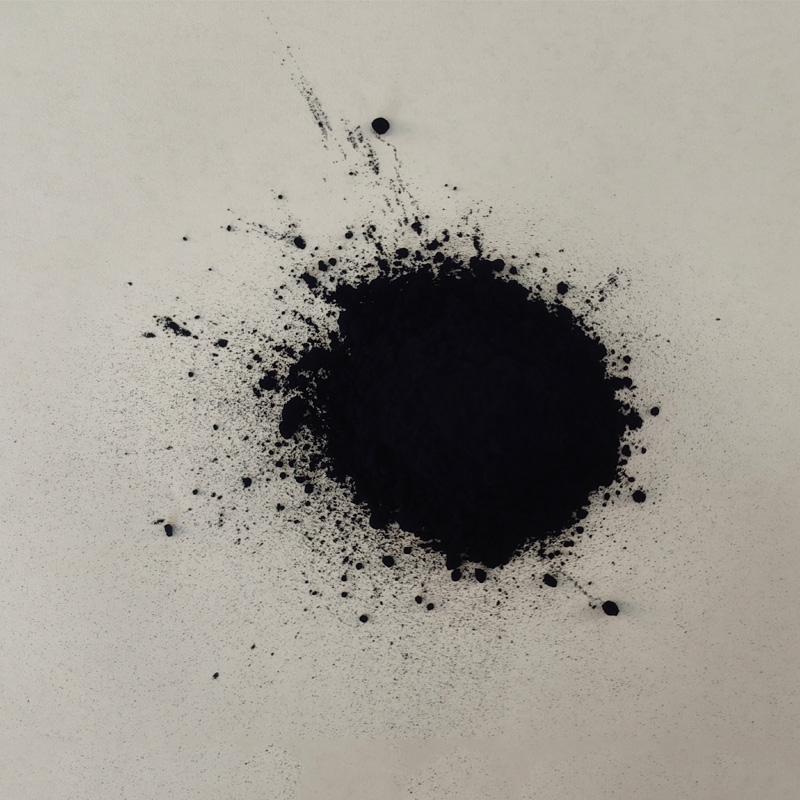
Kazakhstan's textile sector operates within a unique geographical context, where extreme continental climate shifts demand high-stability chemical agents. The adoption of pure indigo dye has become critical for local producers aiming to meet international export standards while maintaining stability during drastic temperature variations in storage and application.

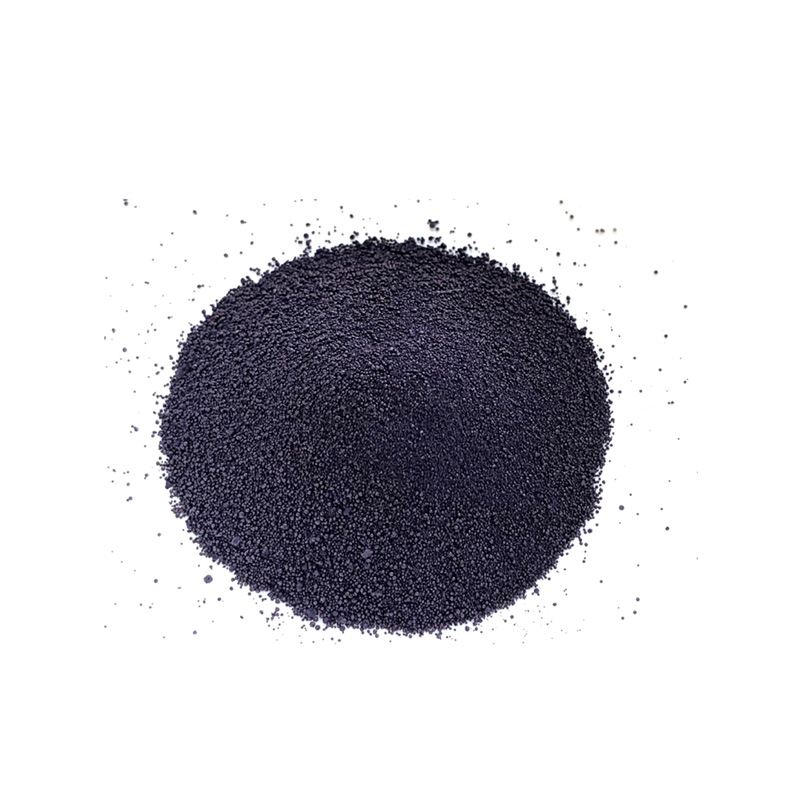
Currently, the market is shifting from basic coloring to high-value functional dyes. The demand for bromo indigo powder is rising among boutique denim manufacturers in Almaty and Astana, who seek the specific aesthetic of authentic indigo with the consistency of modern synthetic chemistry.

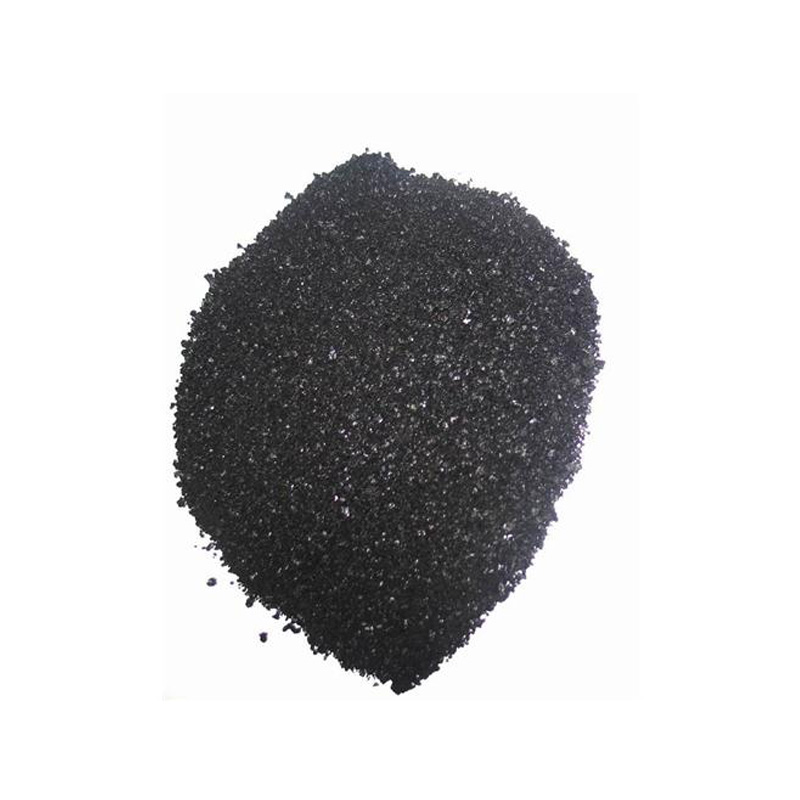
Furthermore, the industrial focus on heavy-duty workwear in Kazakhstan's mining and energy sectors has solidified the reliance on sulphur black dyes, which offer the necessary abrasion resistance and deep black tones required for professional safety apparel.

Evolution of Indigo and Sulphur Dyeing Technologies

From traditional vats to precision chemical engineering.

Market Development History

In the early 2000s, the Kazakhstan market relied heavily on imported legacy dyes with inconsistent purity. The primary focus was on basic saturation, using rudimentary indigo source dye variants that often lacked the uniformity needed for large-scale denim production.

Between 2010 and 2020, the transition toward "Precision Coloring" began. This era saw the introduction of pre-reduced dyes, which minimized the environmental footprint of the reduction process. Manufacturers started integrating natural indigo denim aesthetics through synthetic hybrids to balance cost and eco-friendliness.

Today, the industry has entered the era of "Sustainable Specialization." The focus has shifted toward high-purity chemicals that reduce water consumption, utilizing advanced molecular structures to ensure maximum exhaustion rates during the dyeing cycle.

Future Development Trends

Digital Color Integration

Integration of AI-driven color matching to optimize the usage of pure dyes, reducing waste in the pre-production phase.

Bio-Synthetic Hybridization

A shift toward blends that mimic the organic properties of natural dyes while maintaining the industrial durability of synthetic polymers.

Waterless Dyeing Systems

The adoption of supercritical CO2 dyeing technologies to eliminate the need for vast amounts of water in the Kazakhstan steppes.

Strategic Trends and Future Outlook

Forecasting the next 3-5 years of chemical textile innovation in Central Asia.

Eco-Friendly Reduction
Moving toward sodium hydrosulfite alternatives to reduce the chemical load in textile effluents.
High-Purity Indigo
Demand for 99%+ purity powders to ensure zero-streak dyeing in high-end fashion.
Circular Chemistry
Developing dye recovery systems that allow for the recycling of unused coloring agents.
Smart-Fastness Agents
Adding molecular cross-linkers to sulphur dyes to prevent fading in extreme sunlight.

Industry Outlook

Based on Google search trends for industrial chemicals in Central Asia, we anticipate a 15% year-on-year increase in requests for sustainable dyeing solutions. The Kazakhstan market is rapidly pivoting toward "Green Chemistry," which will favor suppliers who can provide certified low-impact dyes.

Moreover, the integration of the "Belt and Road" logistics ensures that high-quality chemicals can reach the hinterlands of Kazakhstan more efficiently, allowing smaller regional factories to upgrade their technology from basic batches to automated continuous dyeing.

Local Application Scenarios in Kazakhstan

Practical implementation of our dye range across diverse regional industries.

01. Industrial Workwear for Oil & Gas

Utilizing heavy-duty sulphur black dyes to create high-visibility and high-durability uniforms for the Karachaganak and Tengiz fields, ensuring color stability against petroleum stains.

02. High-End Almaty Denim Fashion

Applying bromo indigo powder for boutique denim brands that require specific "vintage" fades and precise depth of shade for the urban fashion market.

03. Traditional Central Asian Textiles

Integrating natural indigo denim effects into modern ethnic clothing, combining traditional Kazakh patterns with durable, modern coloring agents.

04. Export-Oriented Denim Production

Using high-purity pure indigo dye to meet the strict Oeko-Tex standards for garments exported from Kazakhstan to European markets.

05. Specialized Military Gear

Deploying a combination of indigo source dye and dark pigments to develop camouflage and tactical gear that withstands extreme UV exposure in the steppe.

Brand Story

Global Development Journey of Anping Wuxin Chemical Dye Co., Ltd.

Foundation and Specialization

Starting as a specialized lab, we focused on solving the instability of traditional sulphur and indigo dyes for the domestic textile market.

Technological Breakthrough

We pioneered a new purification process for indigo powders, significantly reducing impurities and improving color consistency.

Global Expansion

Expanding into Central Asia, we tailored our chemical formulas to withstand the unique environmental conditions of Kazakhstan.

Sustainability Pivot

Launched a series of eco-friendly dye agents that reduce water pollution, aligning with global ESG standards.

Industry Leadership

Today, we stand as a premier partner for textile manufacturers worldwide, delivering precision chemistry and sustainable solutions.

Complete Dye Portfolio for the Kazakhstan Market

A comprehensive range of chemical solutions designed for versatility and performance.

Frequently Asked Questions in Kazakhstan

Technical support and commercial clarity for regional textile partners.

How to optimize bromo indigo powder for cold-weather dyeing?

For cold environments, we recommend using a pre-heating cycle for the dye bath and adjusting the reducing agent concentration to maintain solubility and prevent precipitation.

What is the fastness rating of sulphur black dyes on polyester blends?

Our sulphur black range achieves a Grade 4-5 rating for wash fastness and Grade 4 for rub fastness on standard T/C blends, provided correct soaping is performed.

Can natural indigo denim effects be achieved with synthetic sources?

Yes, by using our calibrated indigo source dye, manufacturers can replicate the nuanced gradients and "ring dyeing" effect characteristic of natural indigo.

Is pure indigo dye compatible with automated dispensing systems?

Our pure indigo powders are micronized to prevent clumping, making them ideal for automated dosing and continuous dyeing machines.

What are the environmental regulations for sulphur dyes in Kazakhstan?

Compliance depends on local regional laws; however, our dyes are formulated to be compatible with standard wastewater treatment plants (WWTP) using aerobic/anaerobic digestion.

How does bromo indigo powder differ from standard indigo?

Bromo indigo offers enhanced solubility and a slightly different hue shift, allowing for more creative control over the final shade and better penetration into the fiber core.

Partner with the Dye Experts

Ready to upgrade your textile production in Kazakhstan? Our technical team is available for consultation on precision coloring and sustainable chemistry.

Contact Us Now

If you are interested in our products, you can choose to leave your information here, and we will be in touch with you shortly.