
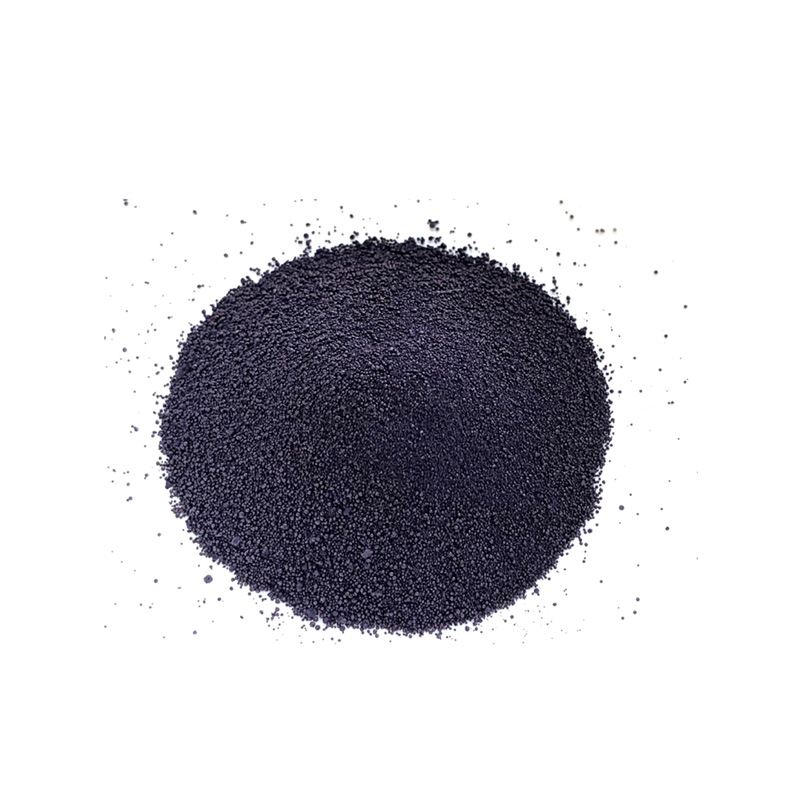
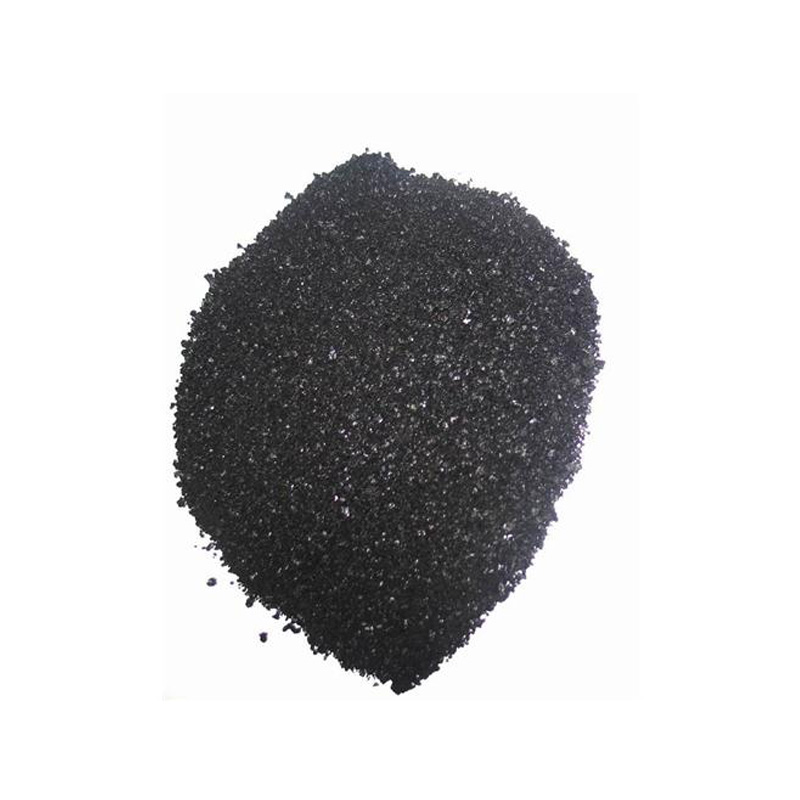
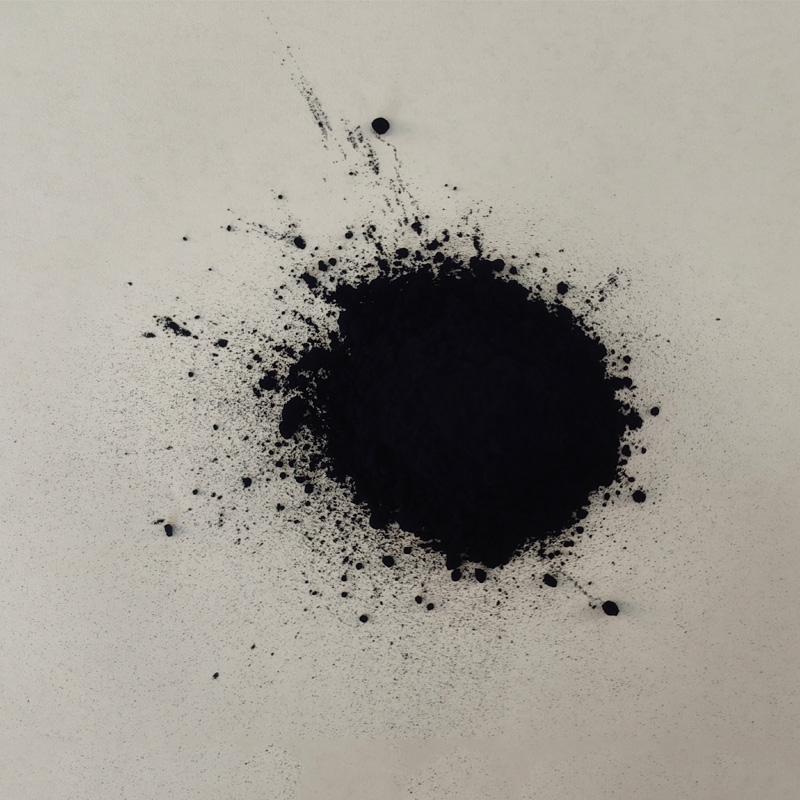
The textile landscape in the Philippines is heavily influenced by its tropical maritime climate, where high humidity levels significantly affect the drying process and chemical stability of dyes. Many local manufacturers rely on pure indigo dye to maintain the classic blue aesthetics required for export-grade denim, but they face challenges with consistency across different batches.
Economic shifts toward sustainable "slow fashion" in urban centers like Manila and Cebu have increased the demand for natural indigo denim. However, the industrial scale remains dominated by synthetic alternatives due to the need for rigorous standardization and cost-efficiency in mass-market apparel.
Furthermore, the integration of bromo indigo powder has become a key strategy for local factories seeking to achieve specific aged looks and high-contrast washes, which are currently trending in the regional youth fashion market.