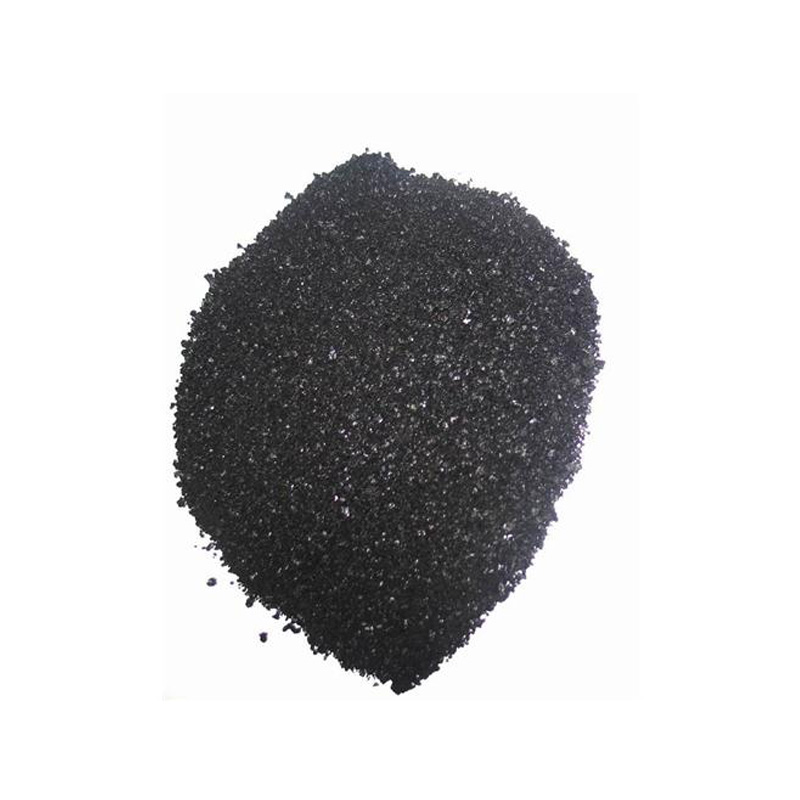
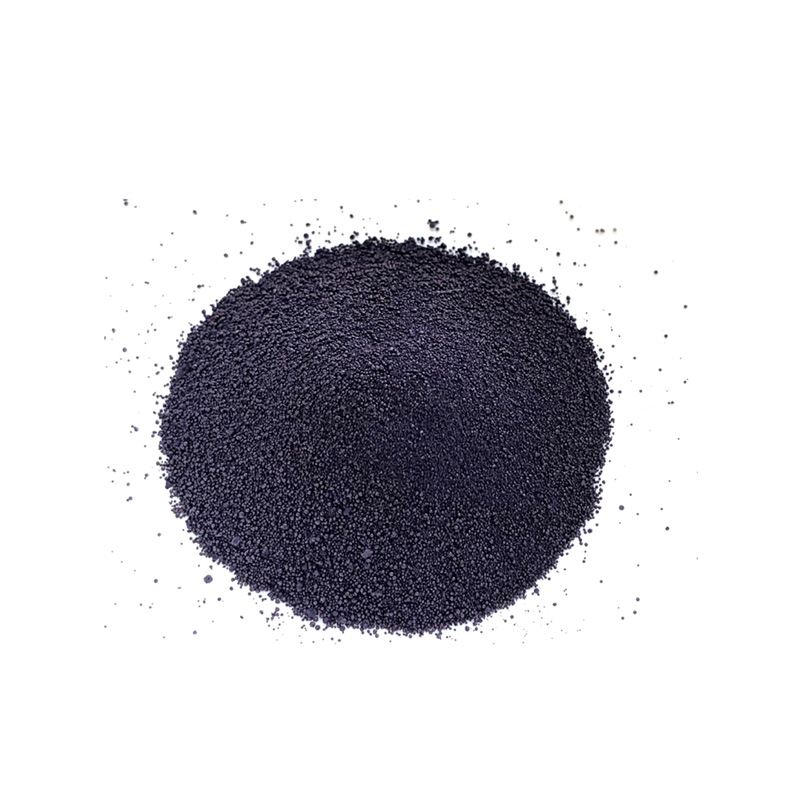
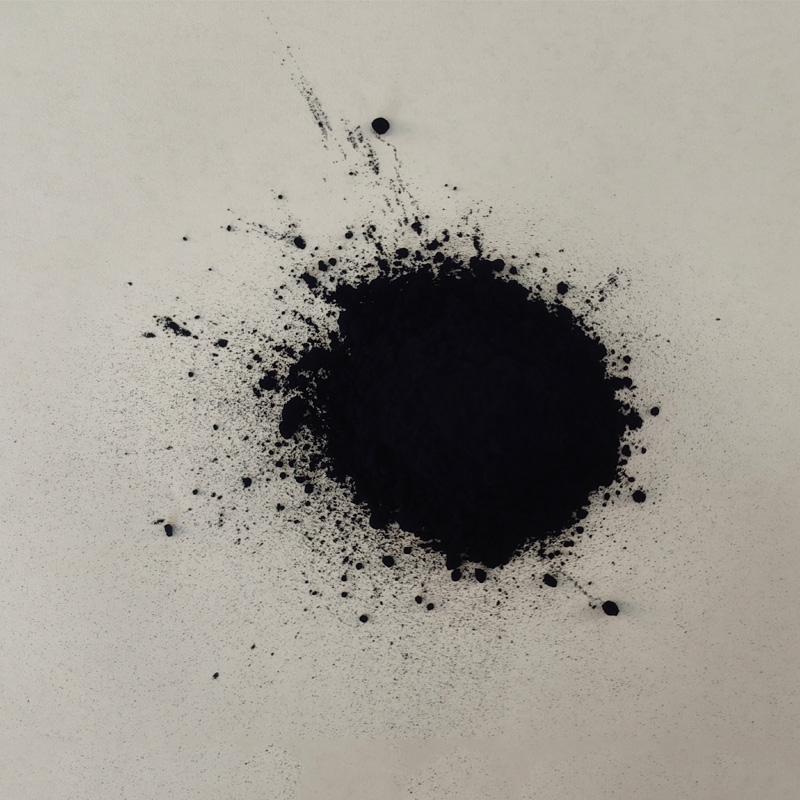
High-Performance sulphur black dyes Solutions for Poland's Textile Industry

Advanced chemical synthesis meeting the rigorous EU environmental standards for Polish textile manufacturers and denim specialists.

High-Performance sulphur black dyes Solutions for Poland's Textile Industry

Providing Polish chemical importers and garment factories with industrial-grade dyes, ranging from pure indigo dye to specialized sulphur compounds for durable coloration.

The State of Dye Manufacturing in Poland

Navigating the balance between industrial heritage and REACH compliance in Central Europe.

Poland's textile sector, centered around historic hubs like Łódź, is currently undergoing a massive shift toward sustainable chemistry. The local demand for bromo indigo powder has increased as manufacturers seek higher light-fastness and stability in technical fabrics to compete with Western European markets.

Due to the strict EU REACH regulations, Polish factories are moving away from legacy chemicals. There is a significant surge in the adoption of natural indigo denim solutions, reflecting the consumer trend toward "slow fashion" and eco-friendly apparel across the Polish urban centers.

Economically, Poland serves as a logistics gateway for the CEE region. This makes the reliable supply of indigo source dye critical, as local dyeing houses require consistent purity to maintain the color consistency required by global fast-fashion brands headquartered in Europe.

Evolution and Trajectory of Polish Dyeing Technology

From traditional vat dyeing to high-precision automated chemical application.

Market Development History

During the late 20th century, the Polish textile industry relied heavily on traditional sulphur-based processes. The use of basic sulphur black was the standard for heavy-duty workwear and military uniforms due to its cost-effectiveness and deep penetration.

Entering the 2010s, the transition to automated dosing systems allowed for the introduction of pure indigo dye. This era marked the shift from manual vat mixing to precise chemical control, reducing water waste by nearly 30% in modern Polish plants.

From 2020 to the present, the focus has shifted toward "Circular Chemistry." The integration of bio-based catalysts and the revitalization of natural dyeing techniques have placed Poland as a regional leader in sustainable denim production.

Future Development Trends

Waterless Dyeing Integration

The adoption of supercritical CO2 dyeing is expected to replace traditional aqueous baths, significantly reducing the environmental footprint of sulphur dyes.

Bio-Synthetic Hybridization

Merging synthetic purity with organic sources to create hybrid indigo powders that offer the stability of chemicals with the eco-profile of natural plants.

Digital Color Precision

Integration of AI-driven color matching to eliminate the trial-and-error phase in the application of bromo-indigo compounds.

Future Trends & Strategic Outlook for Poland

Predicting the next 3-5 years of chemical innovation in the Polish dye sector.

Eco-Compliant Synthesis
Rapid shift towards ZDHC (Zero Discharge of Hazardous Chemicals) standards in all Polish dye houses.
Smart Color Management
IoT-integrated dyeing vats that adjust concentration in real-time for perfect consistency.
Denim Circularity
Growth in recyclable indigo dyes that can be stripped and reused during textile recycling.
Rapid-Dye Logistics
Optimized supply chains reducing lead times for high-purity powders from Asia to Poland.

Industry Outlook

Based on Google Search trends in the EU, there is a marked increase in queries regarding "sustainable indigo source" and "non-toxic sulphur dyes." This suggests that the Polish market is moving away from commodity-grade chemicals toward value-added, certified sustainable solutions.

We anticipate that the Polish dyeing industry will prioritize high-purity powders that reduce the need for heavy chemical reducing agents, thereby lowering waste treatment costs for local municipalities.

Localized Application Scenarios in Poland

Real-world implementation of high-grade dyes across diverse Polish sectors.

01. Premium Denim Production in Łódź

Utilizing natural indigo denim techniques to create high-end, eco-certified jeans for the EU luxury market, emphasizing organic aesthetics.

02. Industrial Workwear Dyeing

Applying heavy-duty sulphur black dyes for the manufacturing of durable safety uniforms and protective clothing used in Poland's mining and steel industries.

03. Technical Fabric Stabilization

Using bromo indigo powder to achieve superior UV resistance and color fastness in outdoor technical textiles used for Polish agricultural covers.

04. Artisanal Textile Revival

Implementing pure indigo dye in boutique studios across Kraków and Warsaw to revitalize traditional Polish fabric arts with modern purity.

05. Mass-Market Apparel Scalability

Optimizing the use of indigo source dye in large-scale garment factories to maintain color uniformity across millions of units for global exports.

Brand Story

Global Development Journey of Anping Wuxin Chemical Dye Co., Ltd.

Foundational Excellence

Established with a focus on pure chemical synthesis, we began by solving the purity challenges of basic vat dyes for local manufacturers.

Technological Breakthrough

Developed advanced stabilization techniques for indigo powders, reducing the volatility of color during the industrial dyeing process.

Global Expansion

Extended our footprint into the European market, specifically optimizing our products to meet the strict safety and quality demands of Poland and Germany.

Sustainable Pivot

Invested in green chemistry to develop eco-friendly alternatives that minimize water pollution while maintaining deep, rich coloration.

Industry Leadership

Now recognized as a leading global supplier, providing comprehensive dyeing solutions that bridge the gap between efficiency and ecology.

Comprehensive Dye Portfolio for Poland

A curated selection of high-performance chemical agents tailored for the Polish climate and industrial needs.

Common Questions for Polish Dye Importers

Expert answers to technical and regulatory queries regarding indigo and sulphur dyes.

How does bromo indigo powder improve light fastness in Polish outdoor textiles?

Bromo indigo powder enhances the molecular bonding to the fiber, creating a more stable crystalline structure that resists UV degradation, which is essential for the varying light conditions in Central Europe.

Are your sulphur black dyes compliant with EU REACH regulations?

Yes, our sulphur black dyes are synthesized to exclude restricted aromatic amines and meet all current EU safety standards for textile chemicals.

What is the difference between pure indigo dye and standard indigo source dye?

Pure indigo dye refers to a high-concentration refined pigment with minimal impurities, whereas indigo source dye may include stabilizing agents for specific industrial application methods.

Can natural indigo denim solutions be scaled for industrial production in Poland?

Absolutely. By using standardized concentrations and automated vat control, natural indigo can be scaled to produce thousands of meters of fabric with consistent shading.

What is the best way to store bromo indigo powder in humid climates?

It should be stored in cool, dry, well-ventilated warehouses in airtight containers to prevent moisture absorption and clumping.

How do sulphur black dyes affect the softness of the final fabric?

Our refined sulphur dyes are designed to maintain fiber flexibility; however, proper after-treatment (soaping) is recommended to ensure maximum softness.

Partner with the Dye Experts

Ready to optimize your textile production in Poland? Contact our technical team for tailored chemical solutions.

Contact Us Now

If you are interested in our products, you can choose to leave your information here, and we will be in touch with you shortly.